DATE ARCHIVE
2026-11-04
Articles published on 2026-11-04.
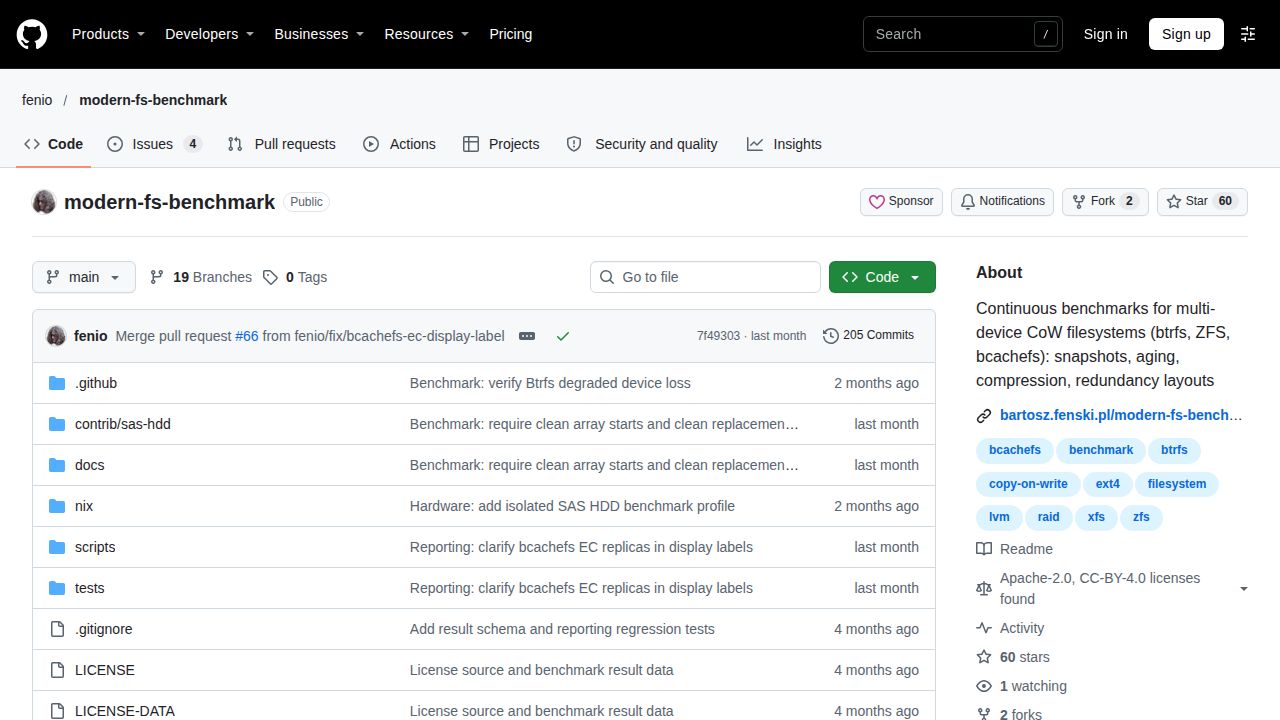
Why Classic Filesystem Benchmarks Fail Modern Copy-on-Write Storage
Standard filesystem benchmarks often overlook the complex machinery of modern Copy-on-Write (CoW) systems like Btrfs, ZFS, and bcachefs. A new continuous benchmarking suite highlights how these filesystems manage redundancy, snapshot aging, and data integrity—factors that remain invisible in single-device tests.

White House Network Detected as Exit Point for Residential Proxies
Researchers at Layer3 Intel discovered that the White House network was being used as an exit point for 28 different commercial residential proxy services, suggesting a device on the internal network may be infected with a flawed proxy SDK.

Weight-Space Programming: LLMs Begin to Interpret and Edit Neural Network Weights Directly
Researchers have identified a new paradigm called 'Weight-Space Programming,' where large language models (LLMs) can natively read and modify the raw floating-point weights of a neural network to achieve specific goals without using traditional training loops or gradient descent.
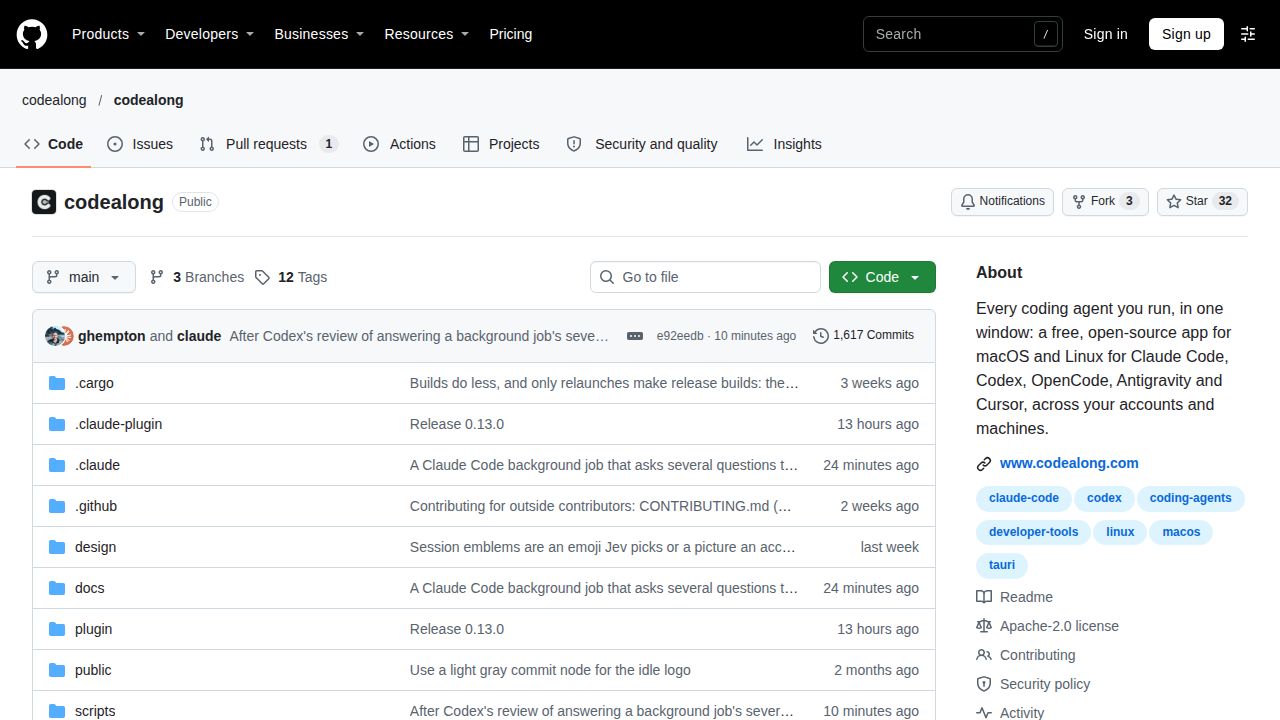
Users Report OpenAI Silently Re-enabling Model Training on Codex Chats
Users have observed that OpenAI's 'Improve the model for everyone' setting, which controls whether chat data is used for training, appears to have been silently re-enabled in Codex. This development has sparked a discussion on the reliability of opt-out privacy controls and the risks of leaking intellectual property to frontier AI labs.

US Tech Giants Face $3.2 Trillion in 'Hidden' AI Obligations
Off-balance-sheet commitments for AI infrastructure among major US tech firms have surged 90% in six months, reaching an estimated $3.2 trillion as companies lock in long-term data center and power contracts.
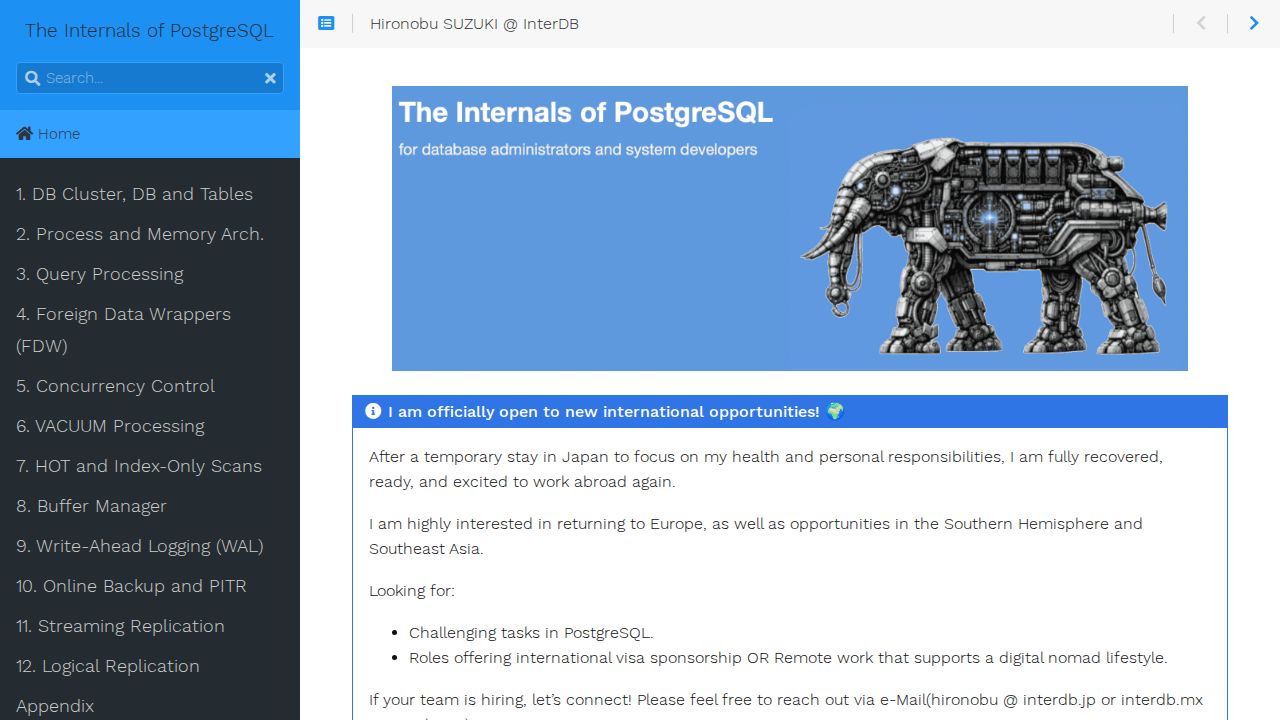
Understanding PostgreSQL Internals: The Mechanics of HOT Updates
PostgreSQL manages data updates using a mechanism called Heap Only Tuples (HOT) to optimize performance. This process avoids unnecessary index updates but depends heavily on page space and specific table configurations.
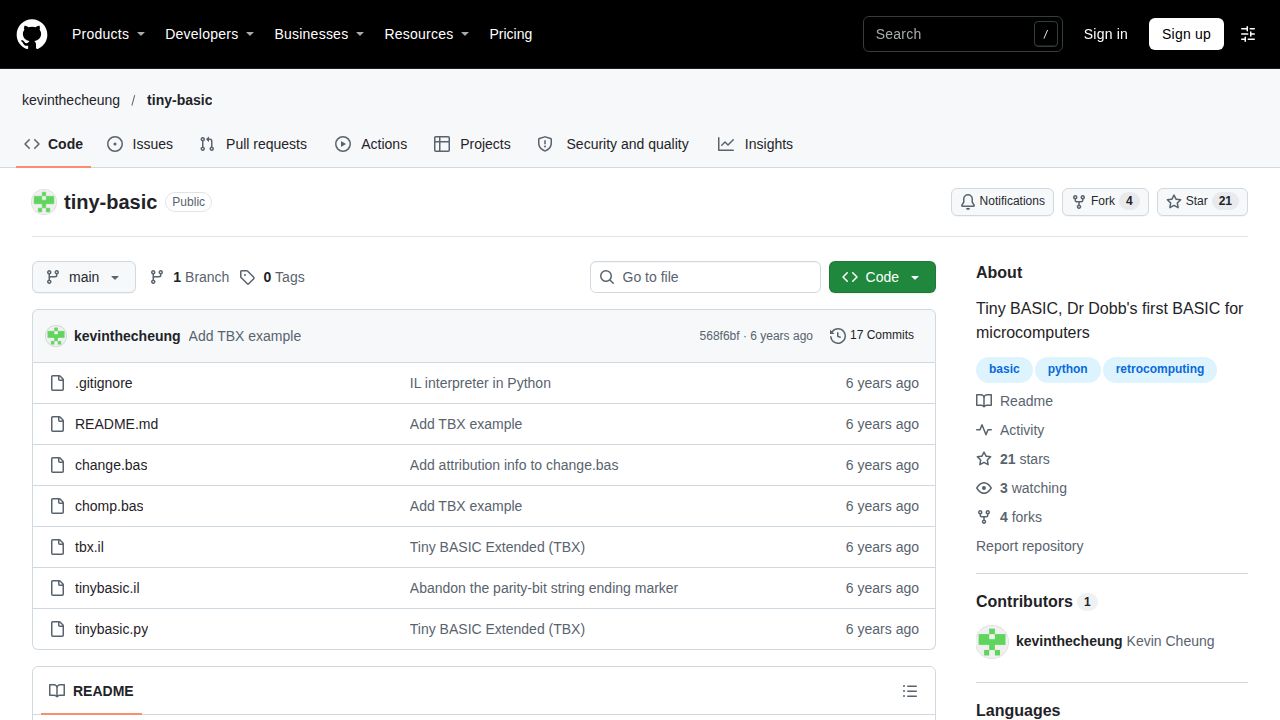
Tiny BASIC: A 1970s Minimalist Language for Modern Microcontrollers
Tiny BASIC is a minimalist programming language designed to run on systems with as little as 2KB of memory. Originally created as a free alternative to proprietary software in the mid-1970s, it continues to be used today for ultra-constrained hardware like Arduino microcontrollers.
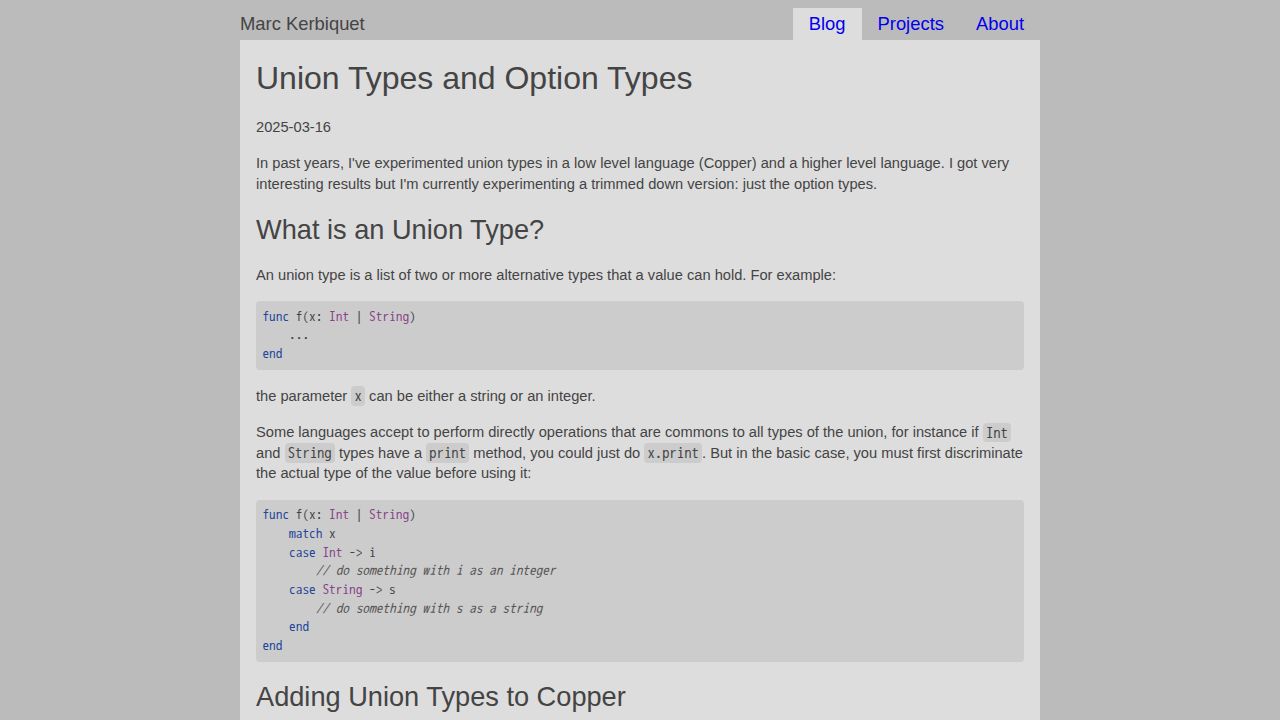
The Trade-offs of Implementing Option Types in a Minimalist Language
Marc Kerbiquet explores the technical challenges of integrating union and option types into Copper, a minimalist low-level language. While these types improve safety by explicitly modeling 'nothingness,' their implementation reveals a difficult balance between compiler complexity, performance, and developer ergonomics.

The Structural Decline of the British High Street
A shift toward out-of-town retail parks, driven by convenience and parking, has left many British high streets with high vacancy rates and deteriorating social environments.
The Shift from Buying to Building: Why SaaS Users are Seeking Alternatives
As the cost of software development falls, organizations are increasingly moving away from established SaaS platforms toward custom-built solutions to avoid high costs, clunky workflows, and restrictive licensing.
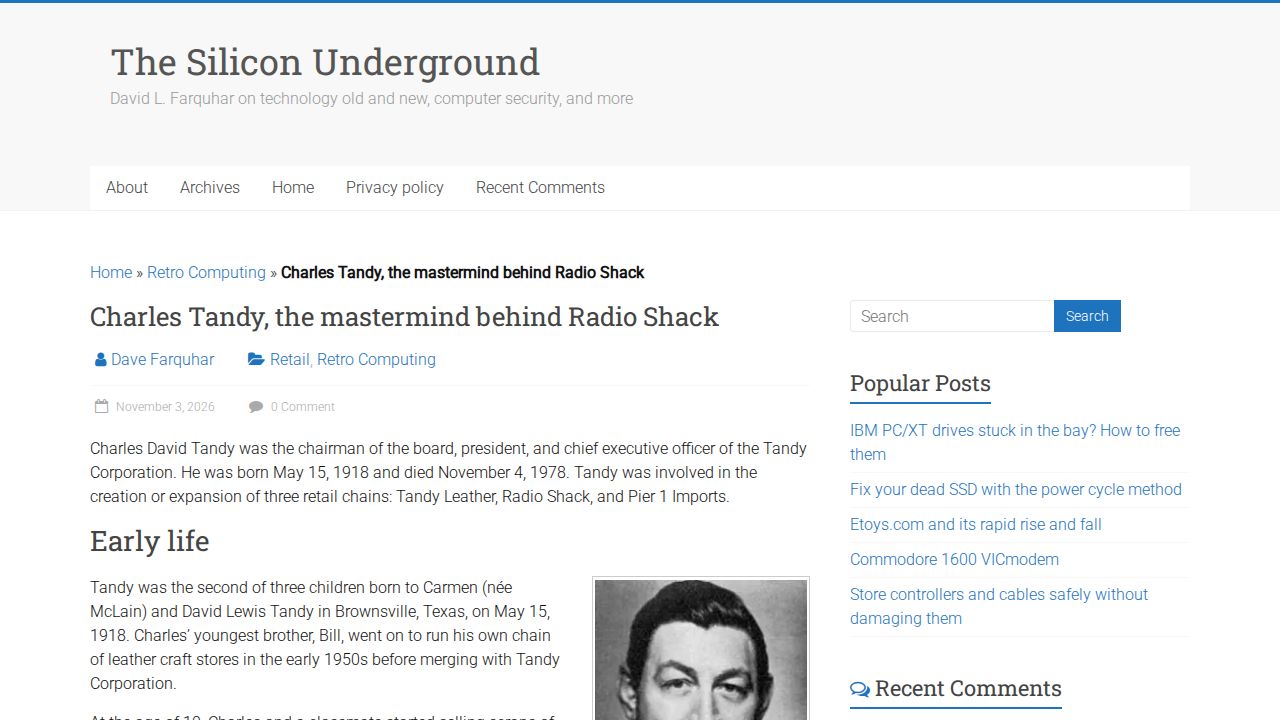
The Legacy of Charles Tandy and the Ubiquity of Radio Shack
Charles Tandy was the primary architect behind Radio Shack's expansion into a massive retail network, providing a ubiquitous physical infrastructure for electronics that served hobbyists and IT technicians for decades.

The Infrastructure and Aesthetics of the 'Warez' Scene
A scholarly look at the 'Warez' Scene reveals an elite, underground network of pirate groups that prioritized competitive ranking and technical 'one-upmanship' over the communalist ideals often associated with modern public piracy.
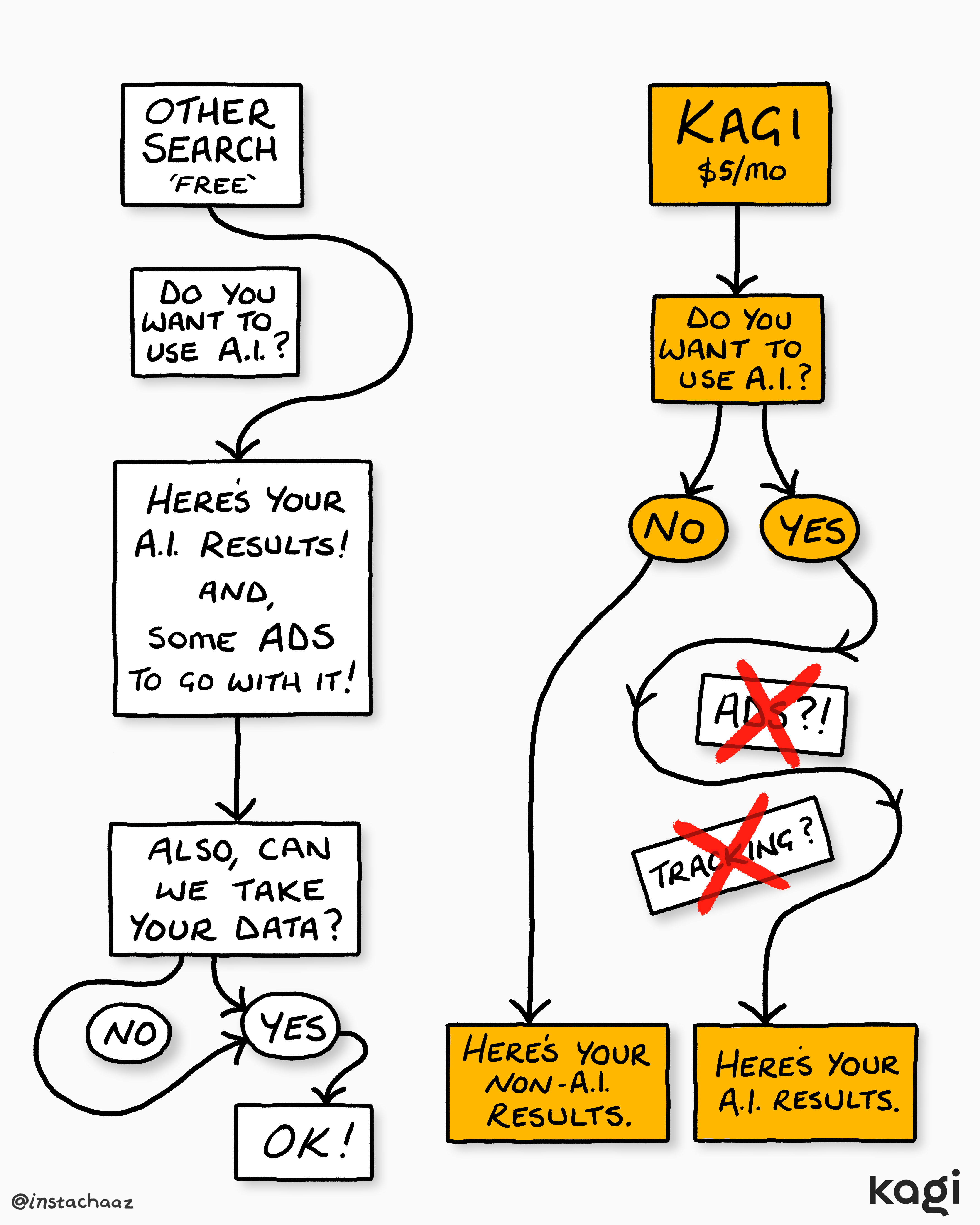
The Friction of Learning: Google's AI Integration and the Education Debate
Google's plan to bundle AI features with search for K-12 education accounts has sparked a debate over 'productive friction'—the idea that the struggle to find and synthesize information is a core component of the learning process.
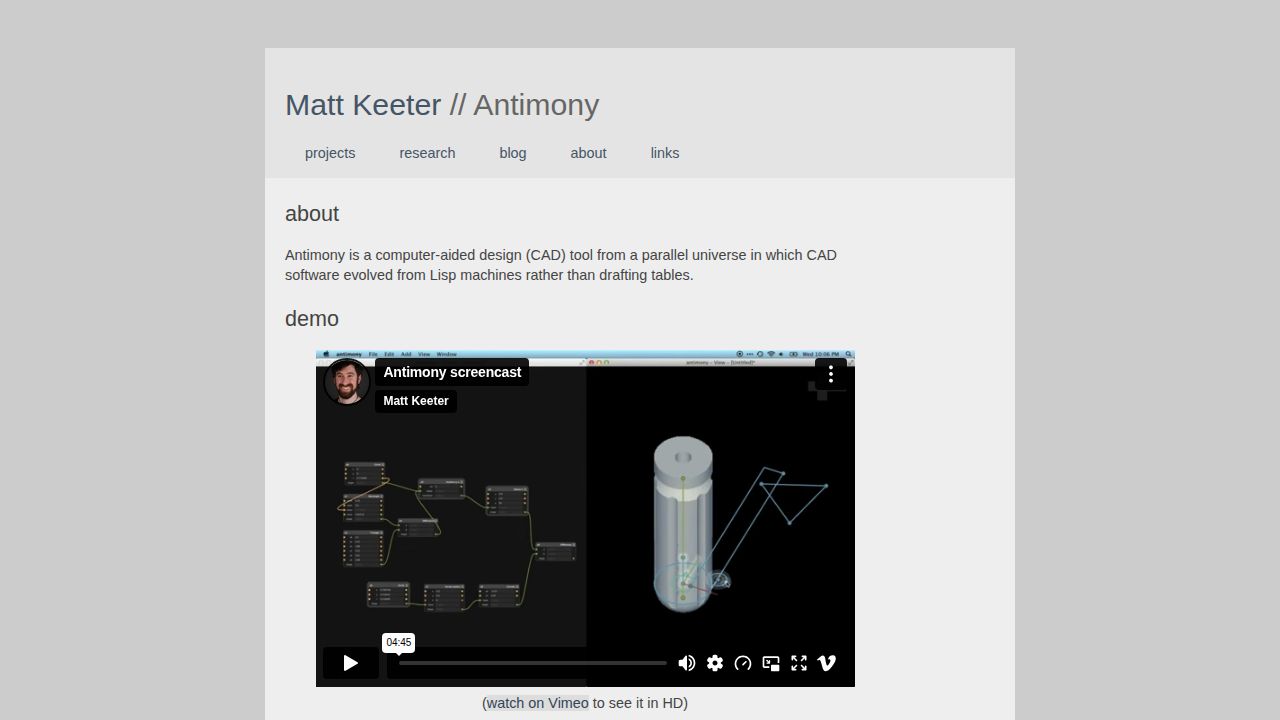
The Evolution of Code CAD: From Lisp Machines to Programmatic Geometry
Antimony highlights a lineage of CAD software that evolved from Lisp machines rather than traditional drafting tables, favoring programmatic geometry generation over manual visual manipulation.

The Data Center Referendums: A Crisis of Public Legitimacy for AI
A growing public backlash against AI infrastructure is manifesting in local elections, where residents are increasingly voting to block data center construction in favor of local interests. This shift highlights a growing disconnect between the economic growth of the AI industry and its perceived social costs, including noise, energy consumption, and corporate reputation.

The Assembly Line on a Bun: How the McDonald Brothers Invented Fast Food
Before the global franchise, the McDonald brothers revolutionized the food industry by applying industrial assembly-line logic to kitchen operations, prioritizing speed and price over menu variety.

The Architecture of Democracy: Lessons from the Pnyx and the Agora
Ancient Athenian democracy relied on two distinct types of civic space to balance the needs of a functioning society: the Pnyx, a theatrical space designed to focus attention for collective decision-making, and the Agora, an open square that allowed for the unmediated experience of diversity.

The AI Bubble Monitor: Speculative Scaling and the ROI Gap
A discussion surrounding the 'AI Bubble Monitor' highlights a growing tension between massive infrastructure investment and the actual return on investment (ROI) for corporate users, with some observers suggesting a 'self-sustaining economy' that may lack a clear path to profitability.
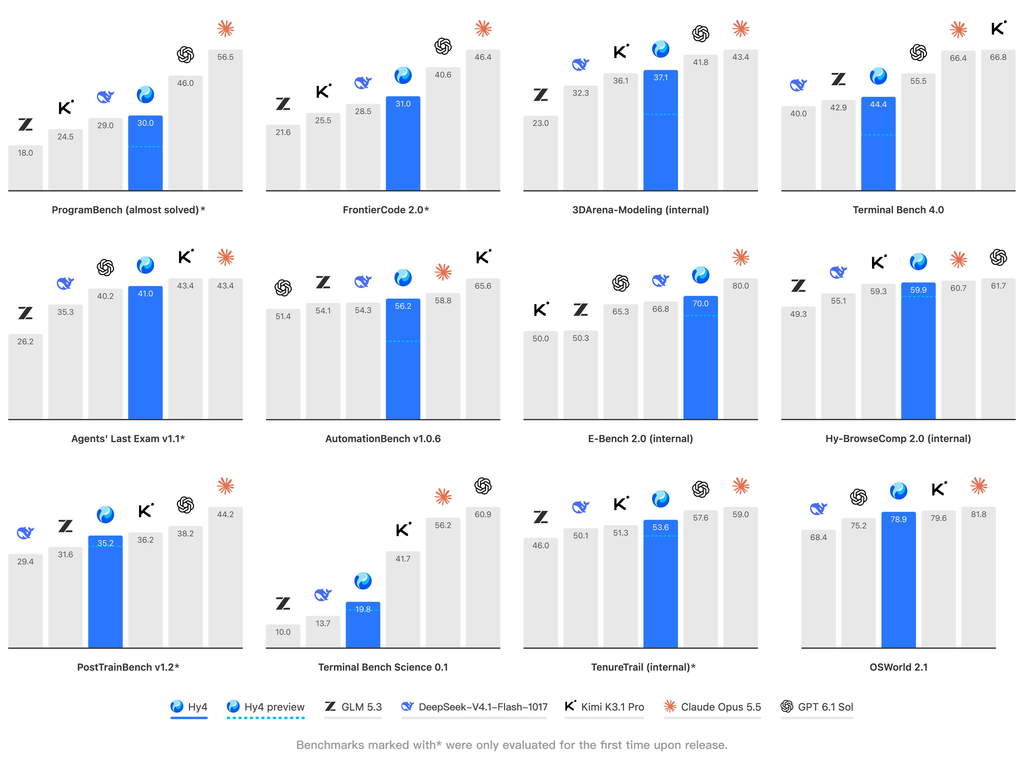
Tencent Releases Hy4 Open-Source Model with Visual and Computer-Use Capabilities
Tencent has launched Hy4, a next-generation large language model designed to handle complex visual reasoning, professional software workflows, and direct interaction with computer interfaces.
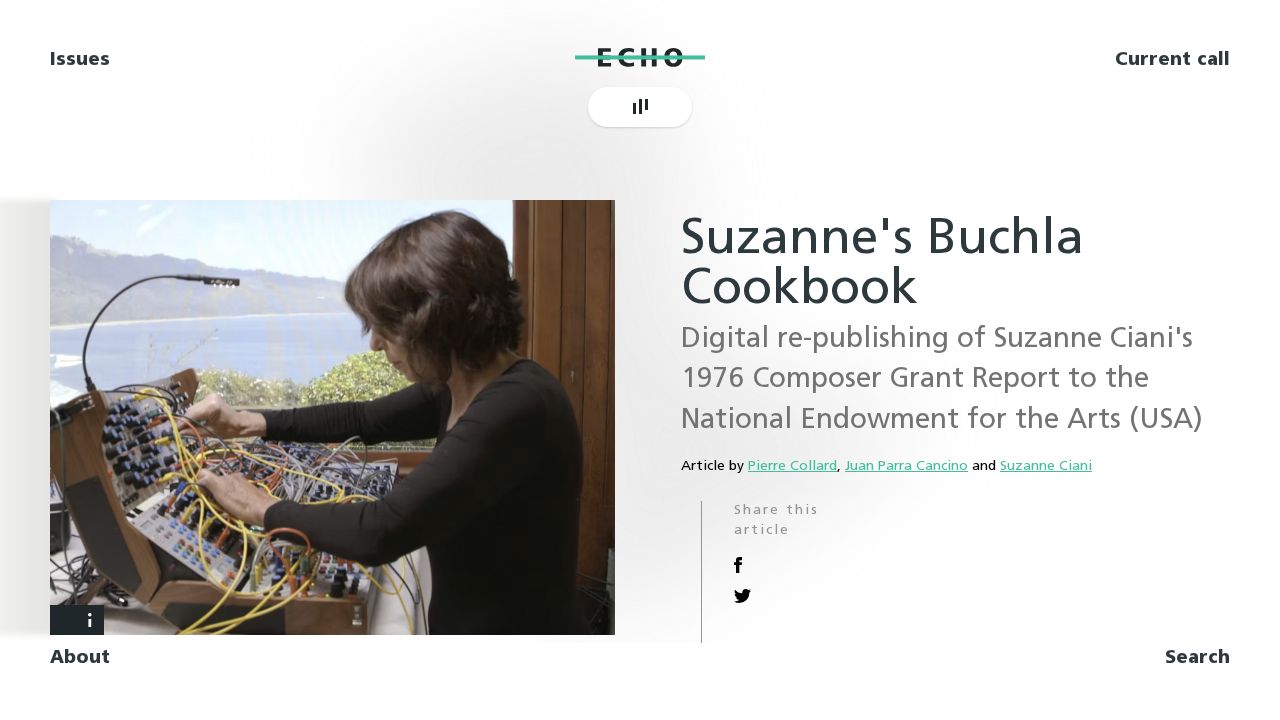
Suzanne Ciani's 'Buchla Cookbook' Bridges 1970s Avant-Garde and Modern Modular Synthesis
Originally a 1976 grant report, Suzanne Ciani's 'Buchla Cookbook' provides a practical blueprint for live modular performance, offering specific 'recipes' for navigating the complex Buchla Series 200 system.

Stringman: An Open-Source, Cable-Driven Room-Scale Gripper
Stringman is an $800 open-source robot designed to move and lift objects using a cable-driven system, offering a functional alternative to traditional humanoid robotics.
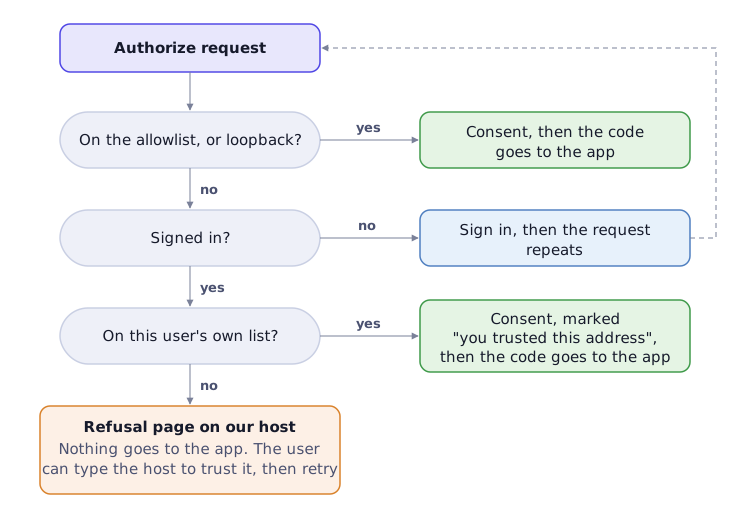
Securing Custom MCP Clients via Per-User Redirect Trust
Stream Vessel proposes a new OAuth model for Model Context Protocol (MCP) servers that allows users to authorize personal agents without exposing them to phishing attacks. By moving the verification of redirect URIs from anonymous registration to authenticated sign-in sessions, the system enables custom client integration while maintaining strict security boundaries.

Postman Accused of Silent AI Plugin Installations and Configuration Changes
A GitHub issue reports that the Postman desktop application is automatically installing AI plugins for Codex and Claude, modifying global configuration files to route API tasks through Postman, and attempting to self-approve its own 'trust hooks' without explicit user consent.

Optimizing the Xbox 360 Hypervisor Exploit
Researchers improved the 'Bad Update' exploit for the Xbox 360 by implementing a precomputed ciphertext hash table and optimizing thread scheduling, moving the attack from a 30% success rate to near-instantaneous execution.

OpenJev: Reproducing a High-Speed, Non-Generative Decision Engine
OpenJev is an open-source project that reproduces the 'Jev' interface—a system designed for high-speed, zero-shot classification and deterministic state-machine driving rather than traditional generative text production.

OpenAI to Acquire Pierre Computer Company to Scale Git for AI Agents
OpenAI is acquiring Pierre Computer Company, the developer of Code Storage and several high-performance open-source developer tools, to integrate advanced source control capabilities into its Codex platform for human-AI collaboration.

OpenAI Releases Images 2.6 with Faster Generation and Native GIF Support
OpenAI has launched Images 2.6, a model update that aims to improve generation speeds by 50% while introducing native GIF animation and advanced developer controls like SVG exports and complexity parameters.
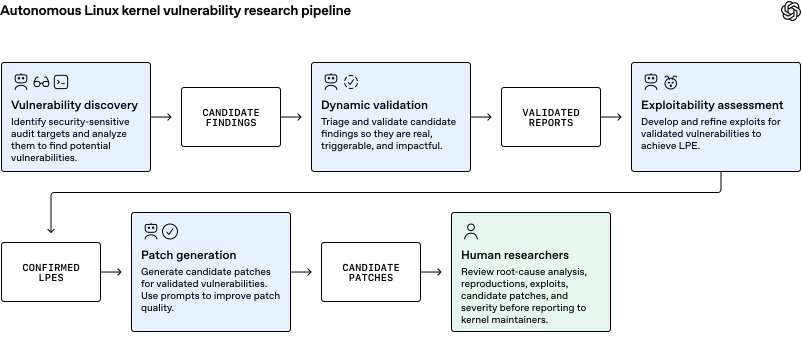
OpenAI Develops Autonomous Pipeline to Discover and Patch Linux Kernel Vulnerabilities
OpenAI has demonstrated a five-stage autonomous pipeline that uses frontier AI models to identify, validate, and patch hundreds of local privilege escalation (LPE) vulnerabilities in the Linux kernel, significantly reducing the cost and time required for systematic security research.
Octomind: An Open-Source Harness for Autonomous AI Coding
Octomind is an open-source coding agent harness designed to facilitate autonomous AI tasks in background environments like CI/CD pipelines and daemons, prioritizing token efficiency and deterministic 'policy as code' guardrails over interactive chat.

Nasdaq Plummets as Investors Fear Democratic Sweep Could Stall AI Data Center Buildout
The Nasdaq Composite fell over 5% on November 4, 2026, as investors pivoted away from technology stocks following a Democratic sweep in the U.S. midterm elections. The sell-off was driven by fears that new legislative priorities could decelerate the massive data center expansion that has served as a primary economic tailwind for the artificial intelligence sector over the last three years.
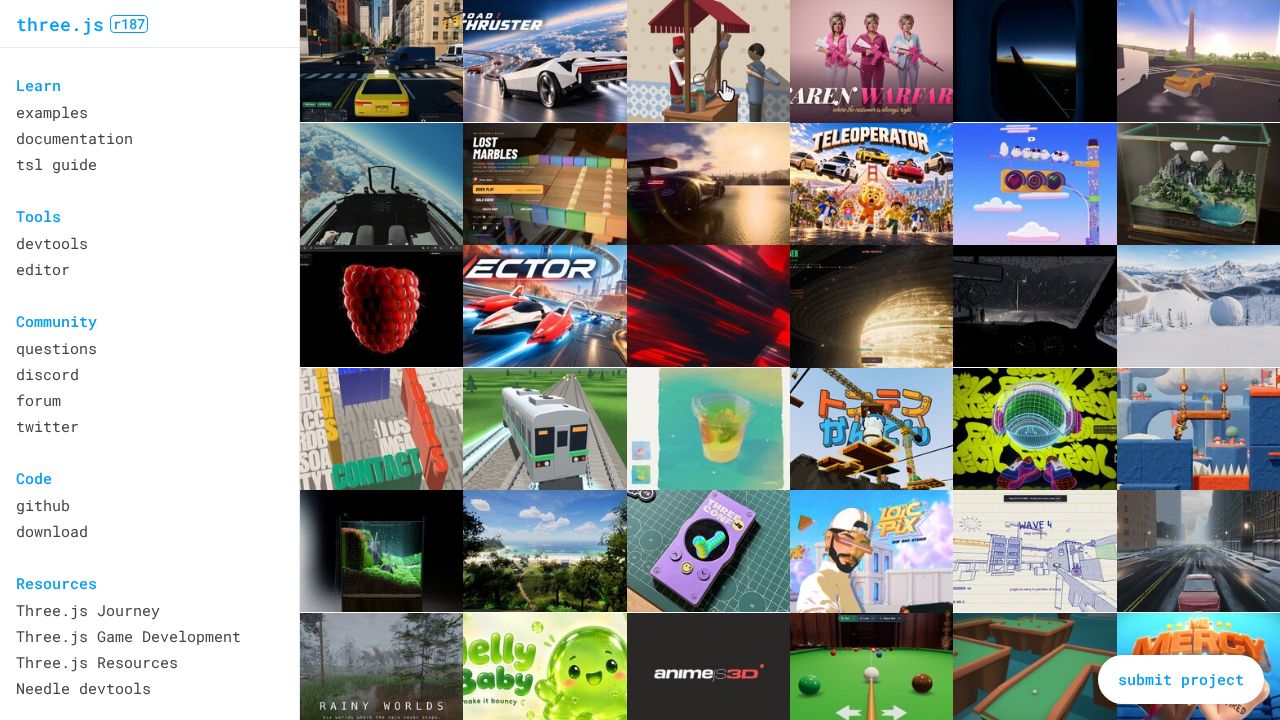
Mr. Doob's 'Jelly Sheet' Showcases Fluid Physics in the Browser
Created by the developer behind Three.js, 'Jelly Sheet' is a real-time fluid simulation that demonstrates high-performance physics rendering in modern web browsers, sparking discussion on the role of AI in creative coding challenges.

Minimal Phone 2: A Compact Android Device with a Physical Keyboard
The Minimal Phone 2 is a compact, high-specification Android device designed with a physical keyboard and a 'minimal' aesthetic. While it aims to provide a distraction-free experience through its form factor, its use of the full Android operating system has led to debate over whether it truly solves the problem of digital distraction.
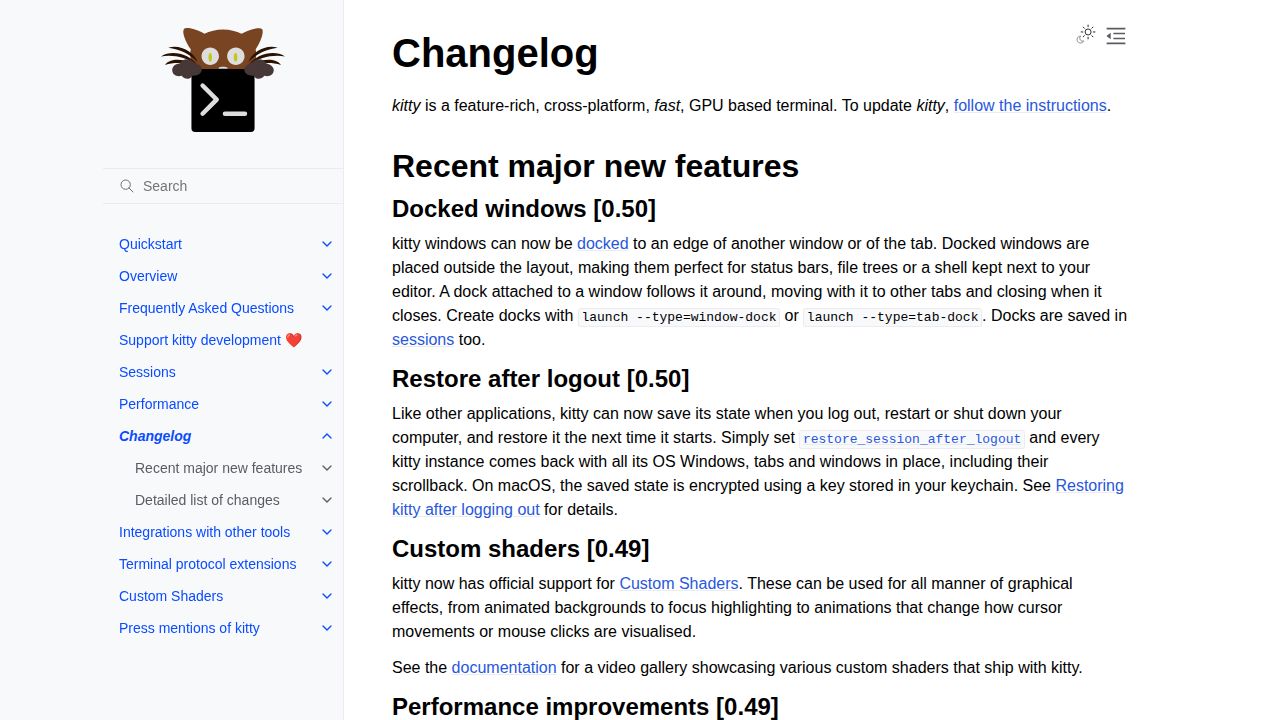
Kitty Terminal Emulator Releases Version 0.50 with Session Restoration and Quick Access
The 0.50 release of the Kitty terminal emulator introduces native session restoration and quick access features, continuing the project's focus on high-performance customization for Linux and macOS users.
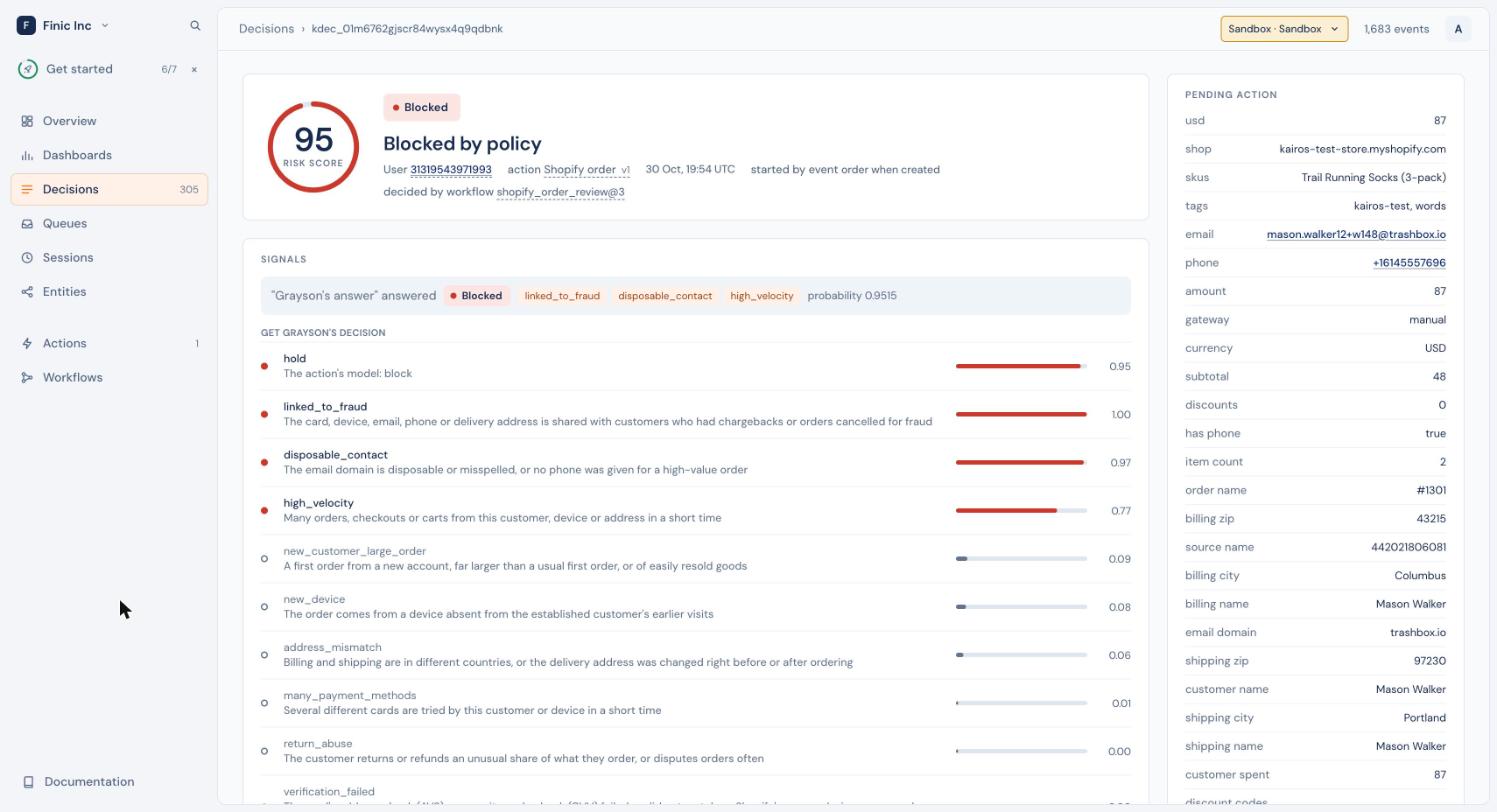
Kairos: An Open-Source Fraud Decisioning Platform for AI Agents
Kairos is an open-source platform designed to handle real-time fraud and risk decisions for financial behaviors. It distinguishes itself by combining LLM-based 'decision models' with traditional machine learning and offering native integration with AI coding agents to automate the tuning of fraud workflows.

Jemalloc 5.4.0 Release Marks Return to Active Maintenance
The release of Jemalloc 5.4.0 signals a return to active development for the popular memory allocator, which is noted for its significant memory efficiency gains in Ruby on Rails applications and unique per-thread allocation tracking.
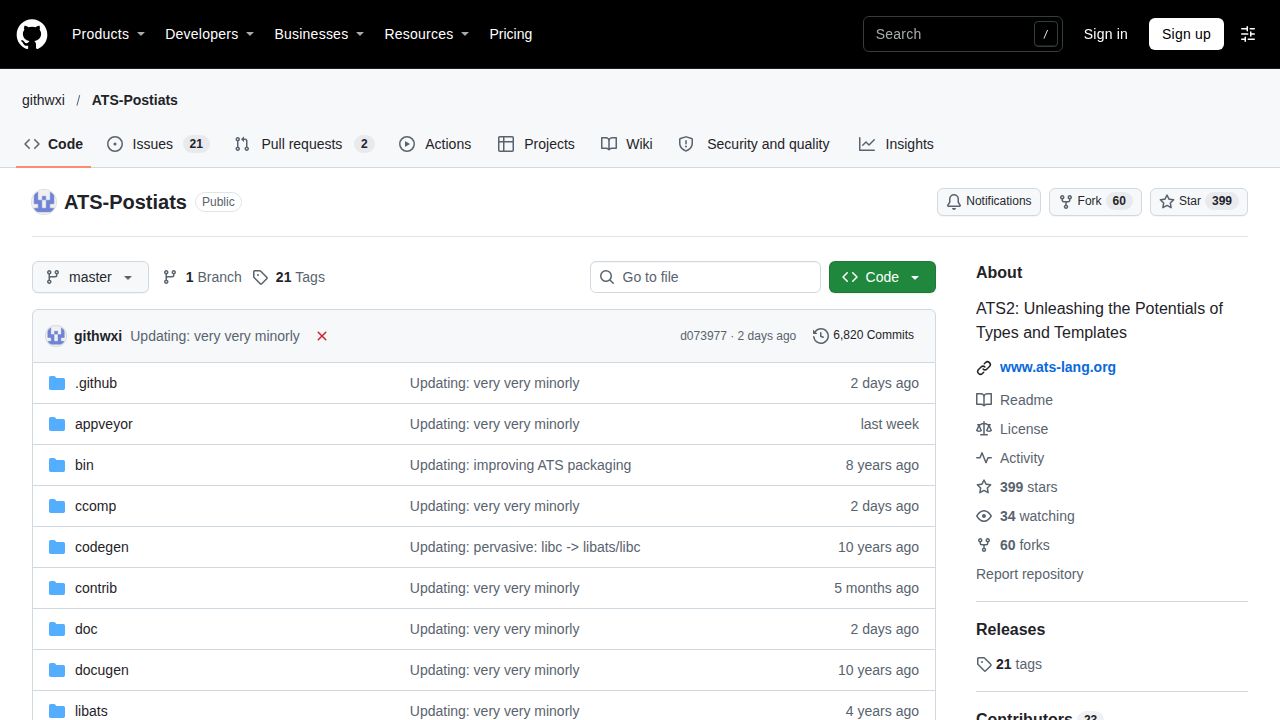
Introduction to Programming in ATS
ATS is a syntax-rich programming language that integrates functional programming with formal theorem-proving and linear types to facilitate the development of verified, high-performance software.

Hungary Opens Secret Police Archives to Public, Revealing Thousands of Informants
Hungary has granted unrestricted public access to communist-era secret police records, a move intended to fulfill a decades-old promise of transparency. The disclosure identifies up to 60,000 informants who monitored public life during the country's one-party rule.

HackerTV: A 24/7 Linear Stream of Hacker News Recommendations
HackerTV transforms years of community-curated YouTube recommendations into a themed, linear television experience designed to combat algorithm fatigue.

Google's Gemini Omni Flash 1.1 Introduces Conversational Video Editing
Gemini Omni Flash 1.1 is a multimodal video model that shifts the focus from isolated clip generation to an iterative, conversational editing workflow grounded in real-world knowledge.

Google's AI Integration May Limit Search Access for Schools Blocking AI
As Google increasingly integrates Gemini AI summaries into its core search experience, educational institutions that block AI tools may find themselves unable to use the standard Google search engine.

Google Gemini Training Policies for Personal Account Subscribers
Users with paid personal Google Gemini subscriptions may find that their chat history is still used to train generative AI models unless they manually opt out by disabling 'Keep Activity' settings.

GitHub Service Degradation Linked to SSH Key Deprecation
A major GitHub incident on November 4, 2026, caused widespread failures in Git operations, API requests, and GitHub Actions. The disruption appears to have been linked to a scheduled 'brownout' intended to deprecate older SSH key types, such as those using SHA-1 signatures.
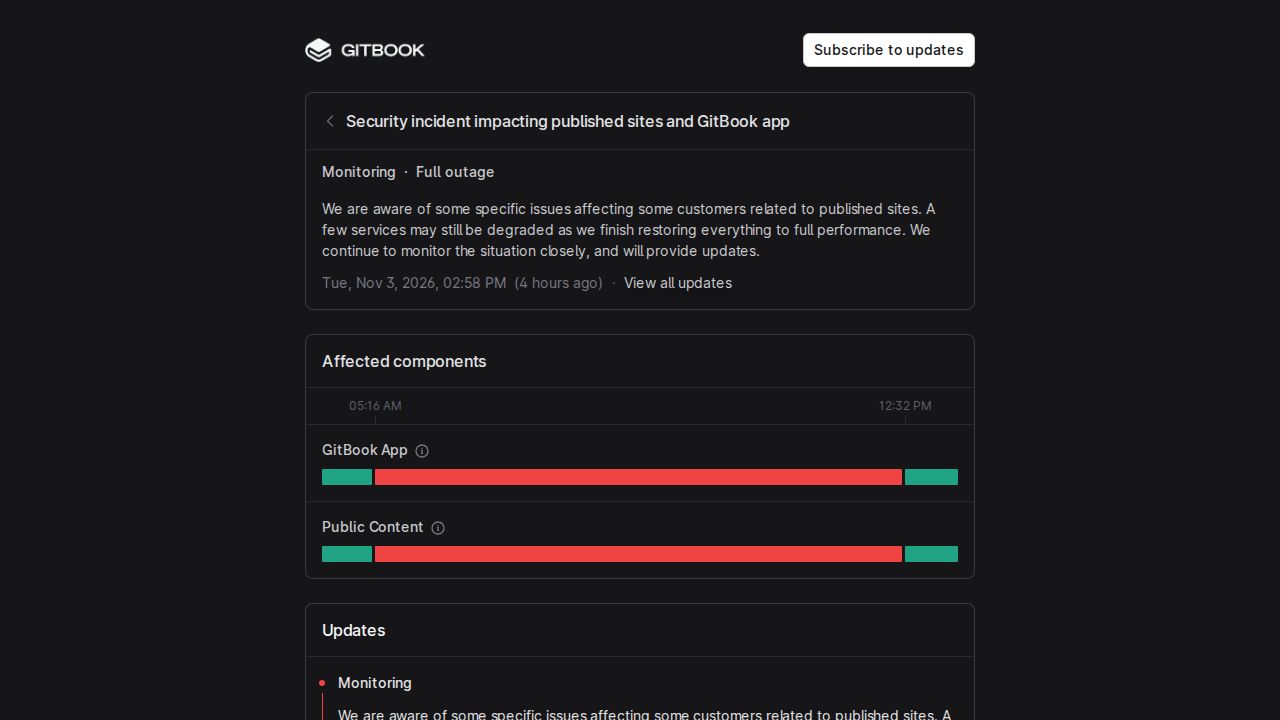
GitBook Reports Security Breach via AI-Agent Attack
GitBook recently suffered a targeted security incident where an attacker used AI agents to gain unauthorized access to infrastructure credentials, leading to the potential exposure of customer API tokens and secrets.

Flipper One: A High-Performance Linux Multi-Tool for Hardware Hackers
The Flipper One expands on the success of the Flipper Zero by moving from a microcontroller-based design to a high-performance, open-source Linux platform capable of complex network analysis and hardware expansion.
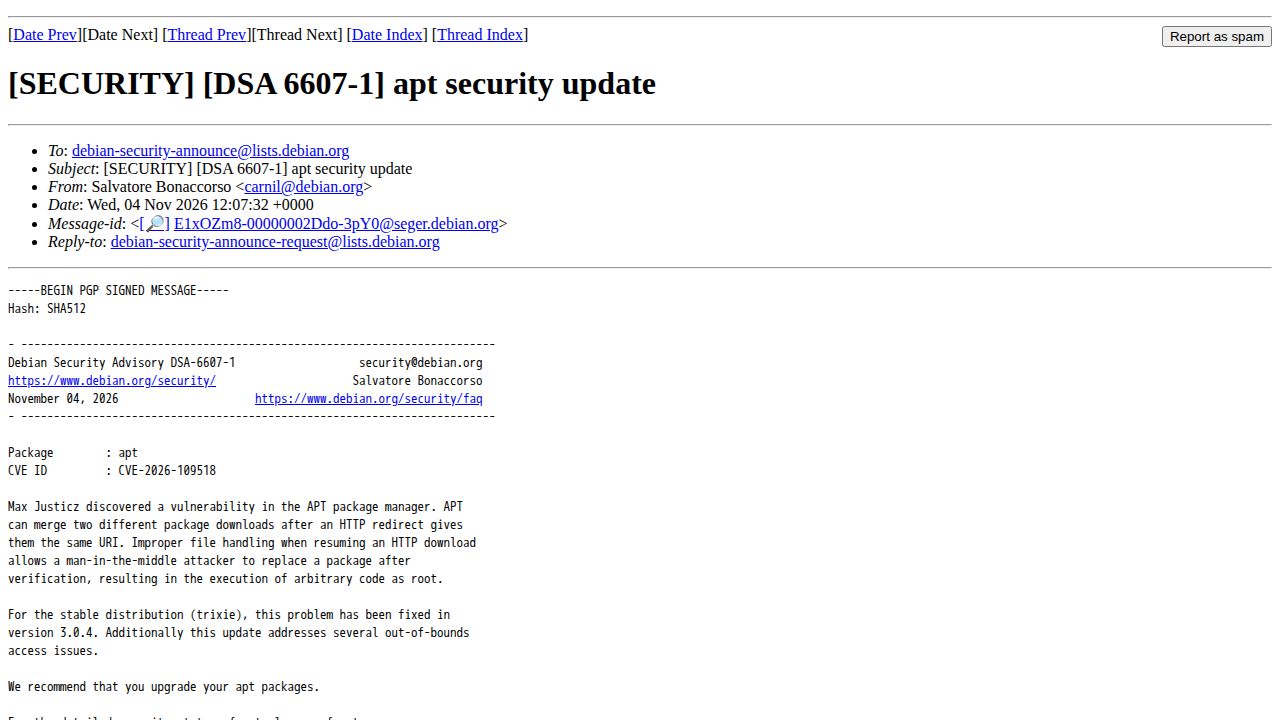
Debian Fixes 'apt' Vulnerability Allowing Man-in-the-Middle Package Swaps
A security update for the Debian 'apt' package manager addresses a flaw where an attacker could replace a verified package with malicious code during a resumed HTTP download.
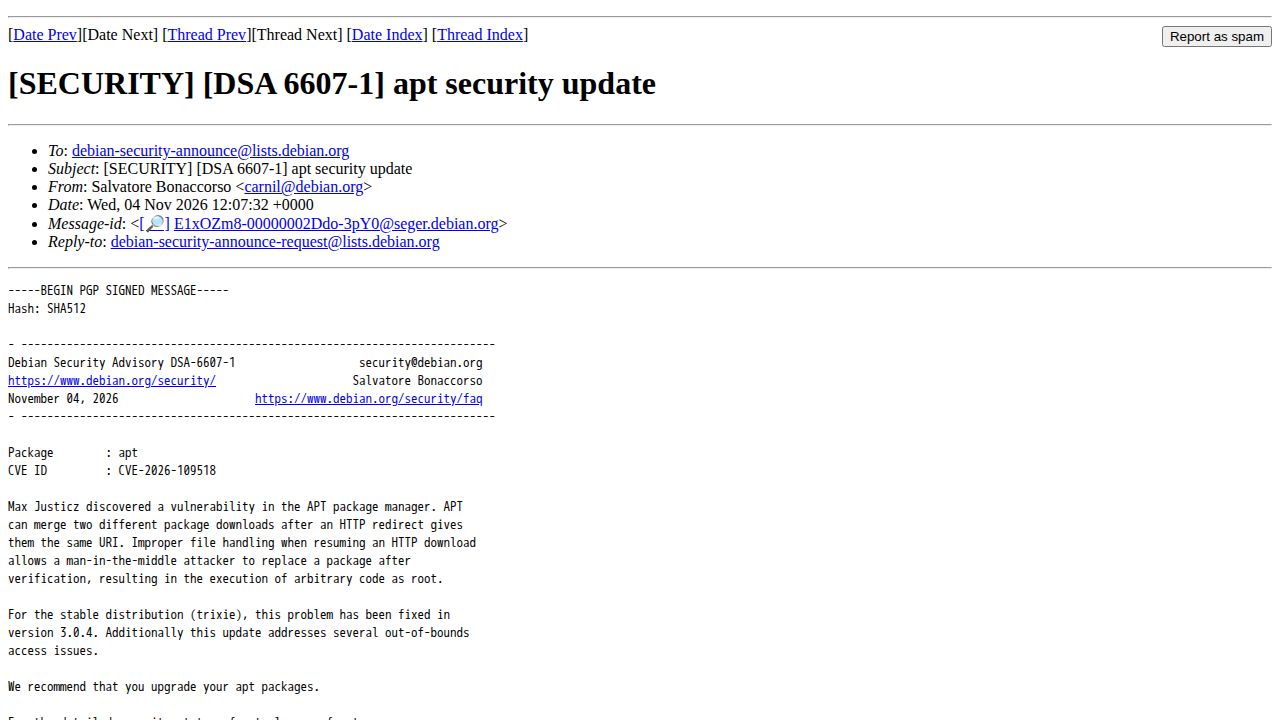
Debian APT Vulnerability Allows Root Code Execution via Man-in-the-Middle
A security flaw in the APT package manager (CVE-2026-109518) allows attackers to swap verified packages with malicious files during HTTP downloads, potentially leading to root-level code execution.

Cyberattack Targets French National Blood Bank via IoT Infrastructure
A cyberattack on a French national blood bank has highlighted the security risks inherent in connecting critical medical infrastructure to the internet. The incident underscores a growing trend where industrial appliances, such as medical-grade freezers, are integrated with IoT systems for remote monitoring, creating new vulnerabilities for hackers.
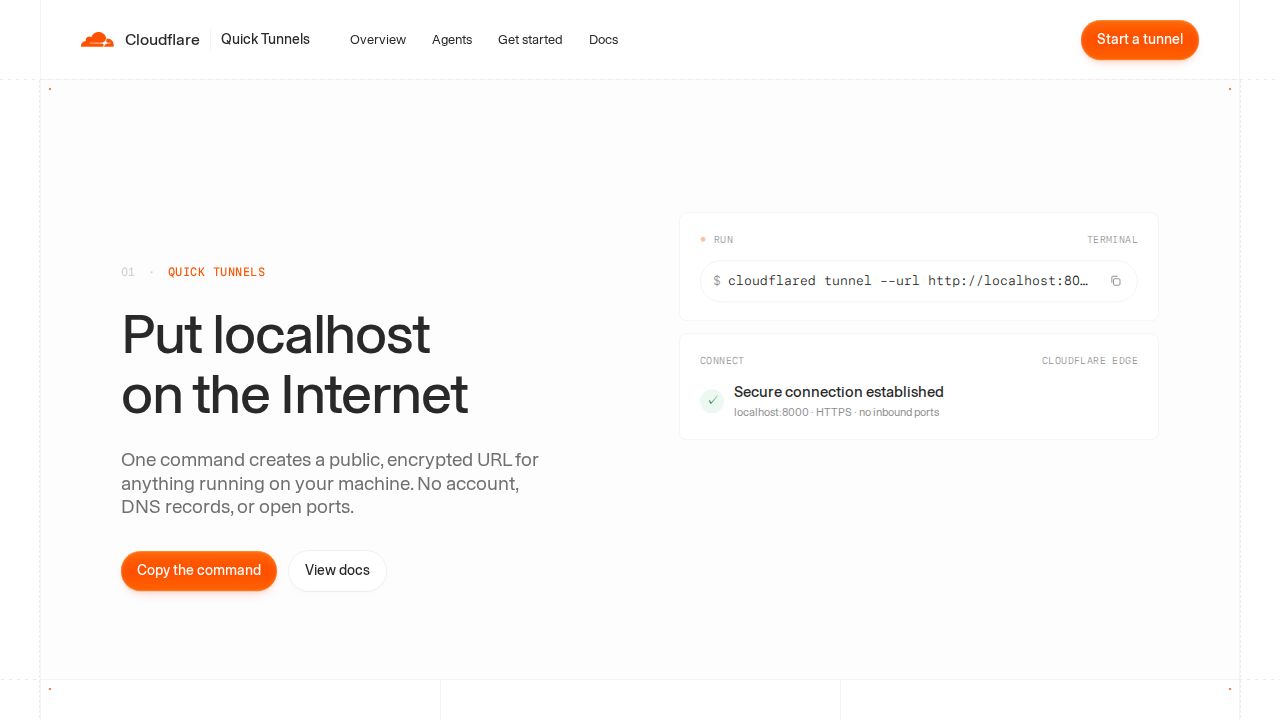
Cloudflare Quick Tunnels Provide Instant Public Access to Localhost Services
Cloudflare’s Quick Tunnels allow developers to expose local web servers to the internet using a single command. By establishing an outbound-only encrypted connection, the tool bypasses the need for manual DNS configuration, account sign-ups, or opening firewall ports on home routers.
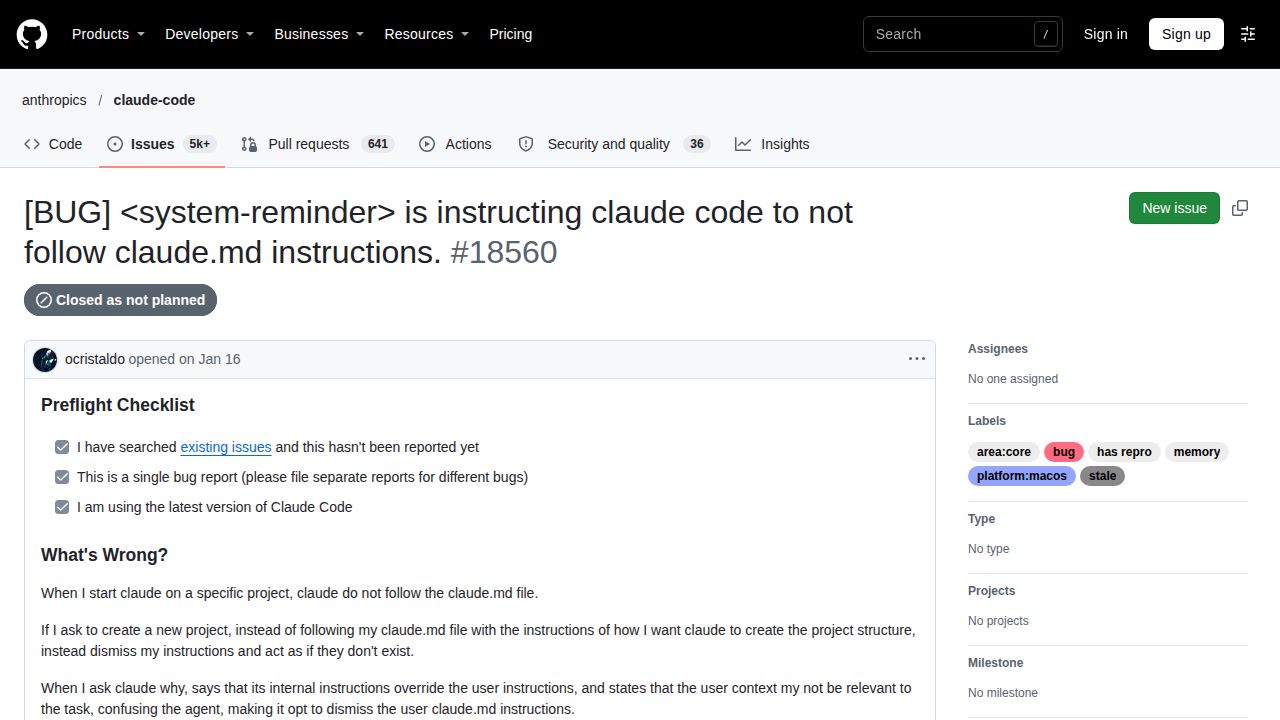
Claude Code's System Prompts May Conflict with User Instructions
A technical conflict in Claude Code's internal 'system-reminder' logic can cause the AI agent to prioritize its own meta-instructions over project-specific rules defined in CLAUDE.md files.

Chilean Town Becomes 'Human AI' to Protest Data Center Water Use
The residents of Quilicura, Chile, participated in a one-day initiative where they manually answered thousands of AI prompts to highlight the environmental impact of the water-intensive data centers cooling AI models in their drought-stricken region.
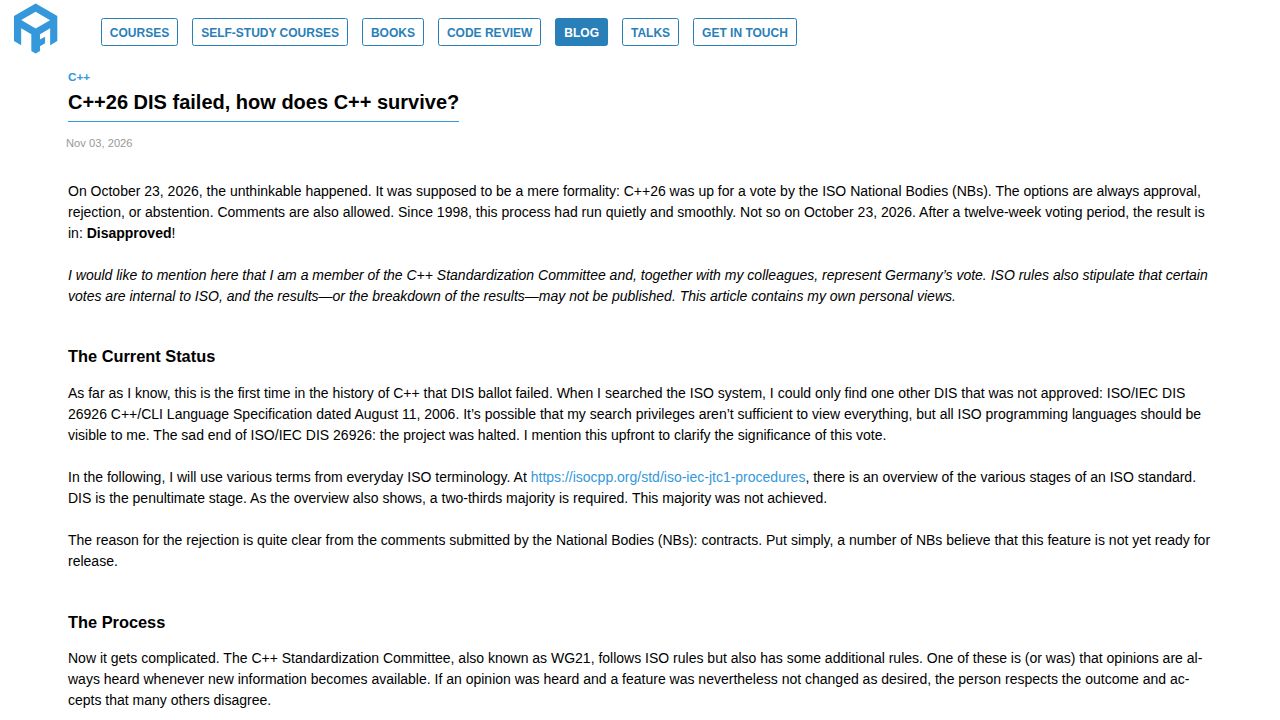
C++26 Standard Faces Setback as 'Contracts' Feature is Disapproved
The C++26 standard faced a significant hurdle when the 'Contracts' feature—a proposal for structured runtime assertions—failed to secure the necessary votes for standardization. The rejection highlights a growing debate within the C++ community regarding the language's increasing complexity and whether new reliability features provide enough practical benefit over existing tools like C++20 Concepts.
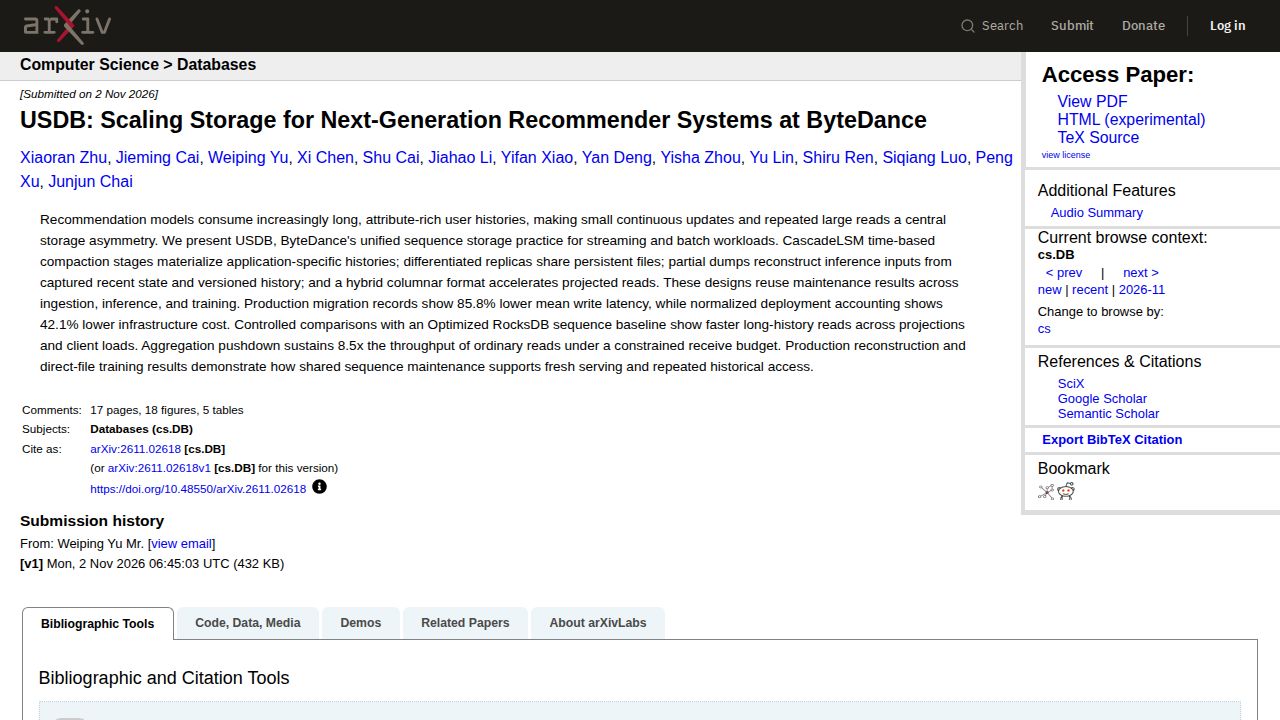
ByteDance Develops USDB to Scale Storage for Next-Generation Recommender Systems
ByteDance has introduced USDB, a unified sequence storage system designed to handle the storage asymmetry of modern recommender models, which require frequent small updates alongside massive, repeated reads of long user histories.
Bruno: An Offline-First, Open-Source Alternative to Postman
Bruno is an open-source API client that differentiates itself from competitors like Postman by storing request collections directly on the local filesystem, enabling native version control and a strict offline-only privacy model.

Android 17 Marks a Shift Toward Pixel-Exclusive APIs
Android 17 is the first version since the 3.x era to introduce new APIs without releasing them to the Android Open Source Project (AOSP), potentially creating a permanent rift between the open-source codebase and the commercial Google experience.

AI Stocks Slide as Texas Election Results Threaten Data Center Expansion
Artificial intelligence stocks faced a significant sell-off following the 2026 midterm elections, primarily driven by the victory of a Democratic governor in Texas who campaigned on a platform of restricting data center development.

Ad Map Visualizes Over 5,000 Midterm Election Advertisements
A new data visualization project, Ad Map, provides a comprehensive repository of over 5,000 midterm election advertisements, highlighting the use of emotional engineering and simplified messaging in political campaigning.

A Mathematical Lineage for Generative AI
A new primer, 'The Little Book of Generative AI Foundations,' aims to move beyond the trend of surveying individual architectures by mapping the coherent mathematical route that connects diverse models like PCA, VAEs, and Diffusion models.