Hungary has officially opened its communist-era secret police archives to the public, a move that marks a significant shift in how the nation addresses its repressive past. Under a bill passed in September by Prime Minister Peter Magyar, the public now has unrestricted access to state security records dating from before 1990. This legislation ended a 36-year period of restricted access, which critics previously argued allowed for political pressure and the silencing of public figures. The government has launched a dedicated search tool on a Hungarian website to allow citizens to filter records by name, birth date, and code names.
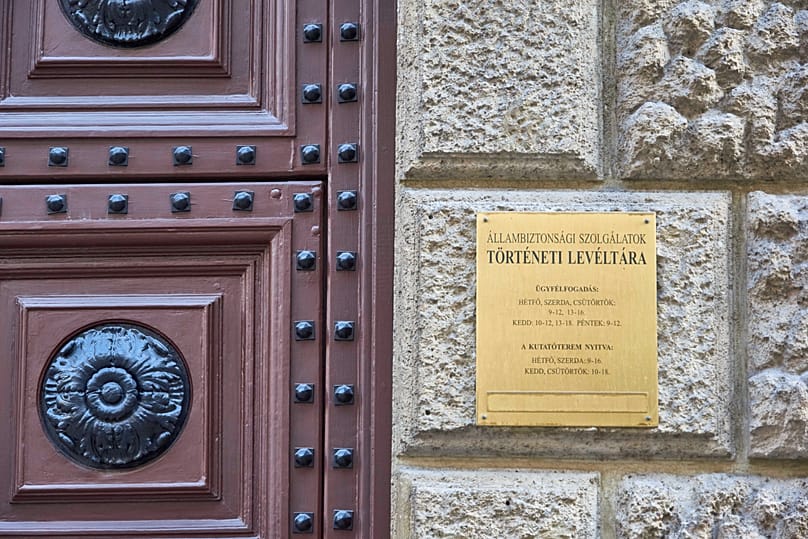
This image identifies the physical location of the archives that have been opened to the public.
The disclosure includes several types of documents, most notably the "6 card" registration sheets. These sheets contain identifying data—such as a person's occupation and mother's name—alongside details regarding the circumstances and motivations that led an individual to become an agent. Estimates suggest that between 50,000 and 60,000 agent names have been made public in this initial release, with a second batch of approximately 9,000 informants scheduled for disclosure in February. While the names of politicians, clergy members, and media personalities have appeared in the registries, the archive's director noted that a large proportion of the informants were private citizens who did not hold public roles.
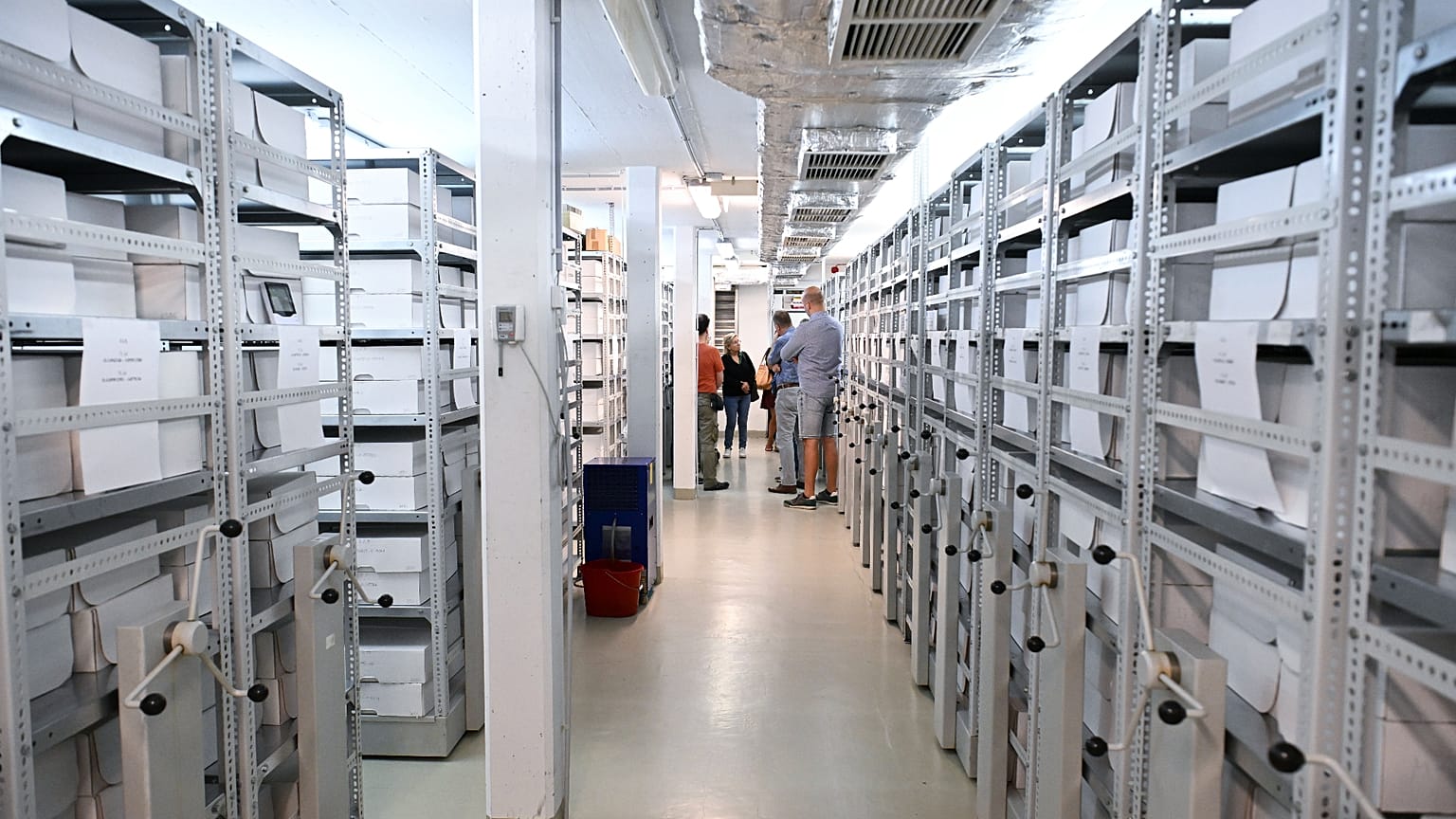
This visual illustrates the storage environment for the records and '6 card' registration sheets mentioned in the text.
Despite the scale of the release, the archives are not a complete record of the era. During the period of one-party rule between 1949 and 1989, it is estimated that the secret police employed around 150,000 agents to monitor dissent. However, detailed and substantive information exists for only about 10% of those agents, as many records were lost during the 1956 revolution or the transition of regimes in the late 1980s. Furthermore, historians have cautioned that being listed as an informant does not always equate to active betrayal; some individuals were recruited but never actually submitted reports, potentially even taking risks to turn against the authorities. To manage the social impact of these revelations, the government is establishing hotlines to provide emotional support and counseling for families affected by the findings.