The decline of the British high street is a multi-decade structural shift rather than a sudden trend. The transition began in the 1960s with the first out-of-town shopping complexes, but accelerated significantly in the 1980s as planning rules were eased to allow for large-scale retail developments. These 'big-box' centers offered a one-stop shopping experience that traditional town centers struggled to match. This shift fundamentally altered consumer habits by prioritizing ease of access and large-scale selection over the variety of local high streets.
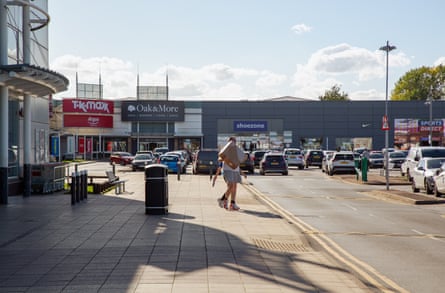
The image illustrates the convenience of out-of-town retail parks, which prioritize ease of access and large-scale selection over local high streets.
Today, the disparity between these two retail models is stark. By the end of 2025, retail park vacancy rates in Britain hit a record low of 4.8%, while high street vacancy rates sit significantly higher at 13%. In specific locations like Rotherham, the town center's vacancy rate reached 24% for its 70 retail units, leading to a landscape dominated by vape shops, nail salons, and charity stores. This shift is reinforced by the rise of 'one-stop' supermarkets, which have absorbed traditional high-street services such as laundry facilities, key cutting, and photo processing, further reducing the necessity for residents to visit town centers for basic errands.
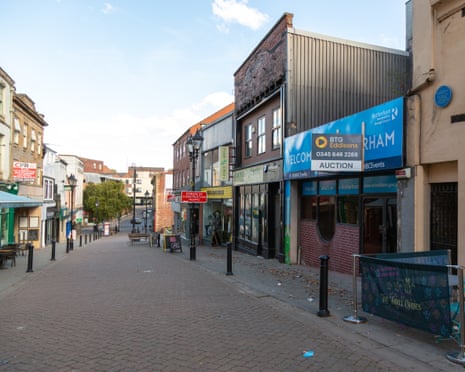
The image depicts the high street in Rotherham, which reached a 24% vacancy rate, leading to a landscape dominated by niche shops and charity stores.
Beyond convenience, safety and infrastructure play critical roles in this decline. Many town centers suffer from crime rates significantly higher than the national average, which discourages elderly residents and families from visiting. Furthermore, the lack of affordable parking in town centers—contrasted with the thousands of free spaces at retail parks—creates a significant barrier for car-owning households. While some argue that these 'blighted' high streets damage community morale, the narrowing range of shops and the growth of empty properties can create a cycle where high vacancy rates deter new investment and further erode the area's appeal. While the government has pledged funding to regenerate these areas, the long-term viability of the high street remains an open question, as retail may serve more as a barometer of a regional economy than an engine of growth.