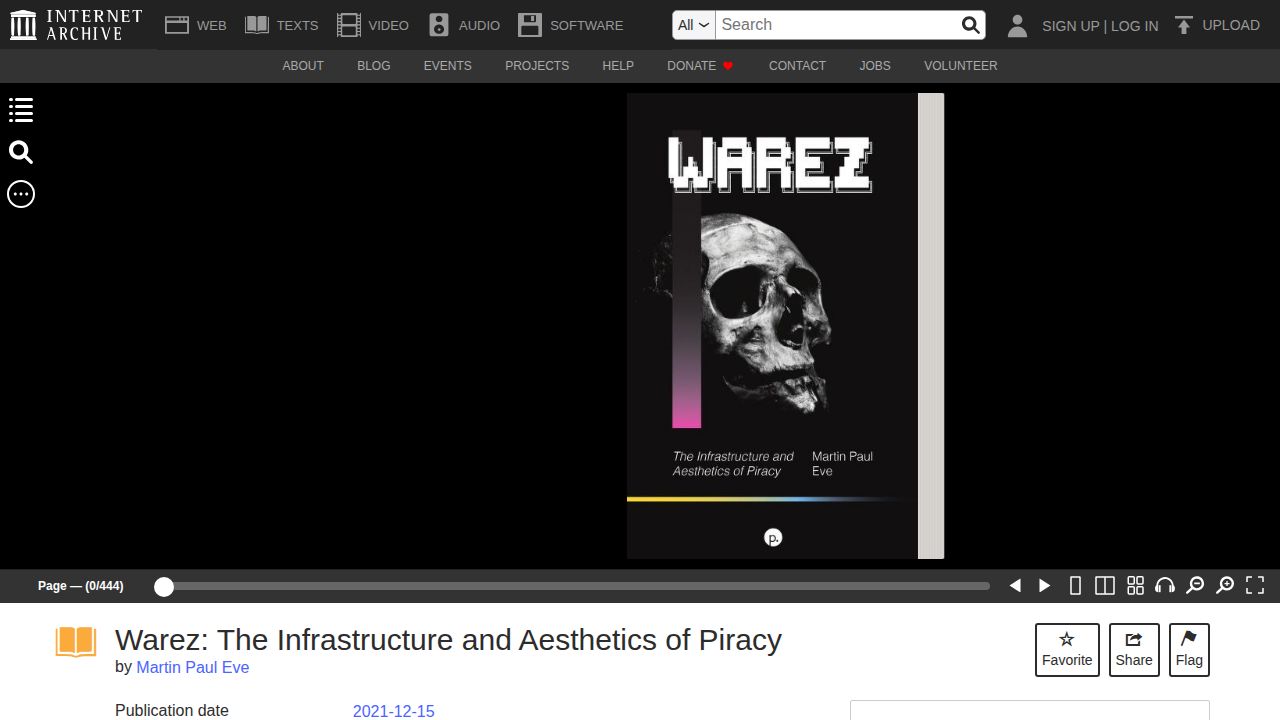
The term 'Warez' refers to pirated media—including music, videos, games, and software—obtained by underground groups before their official release dates. Unlike the public-facing manifestations of piracy like BitTorrent or The Pirate Bay, the 'Warez' Scene operates as an elite, organized subculture. This underground network began in the pre-internet era on Bulletin Board Systems (BBS) and migrated to internet File Transfer Protocol (FTP) 'topsites' during the mid-to-late 1990s. It functions as a self-contained infrastructure with its own internal norms, social structures, and artistic forms, distinct from the broader public perception of digital piracy.
At its core, the Scene is driven by a culture of competitive ranking and 'one-upmanship.' While modern piracy is often framed through the lens of equal access to culture, the Warez Scene is defined by a race between groups to be the first to release material. This competitive environment creates a unique sociality where groups vie for status within the underground hierarchy. This scholarly research highlights that the Scene's primary motivation is often internal prestige and technical mastery rather than the communalist goals frequently attributed to digital piracy movements.
Historical context reveals how technical limitations of the 1990s shaped this infrastructure. During the era of 9600 to 33,600 bps modem speeds and limited hard drive capacities, the Scene's operations were constrained by physical bandwidth and storage. These constraints necessitated a highly organized approach to data distribution and 'courier' systems to move large files across networks. While the book explores the aesthetics and sociality of these groups, it notes that the specific visual artifacts—such as the unique installers and chiptunes of early pirate groups—remain a distinct area of study for those looking to understand the era's specific digital culture.