DATE ARCHIVE
2026-11-02
Articles published on 2026-11-02.

Wikihack Aggregates Community-Vetted Knowledge from Hacker News
Wikihack provides a curated, scrollable feed that identifies and ranks Wikipedia articles mentioned within Hacker News discussions. By linking directly to original comments, it offers context on how the tech community engages with various subjects.

Why Projective Geometry Eliminates 'Exceptional Cases' in Mathematics
Projective geometry provides a unified framework that treats points at infinity as standard geometric objects, removing the need for special-case logic in calculations like those found in computer graphics and cryptography.
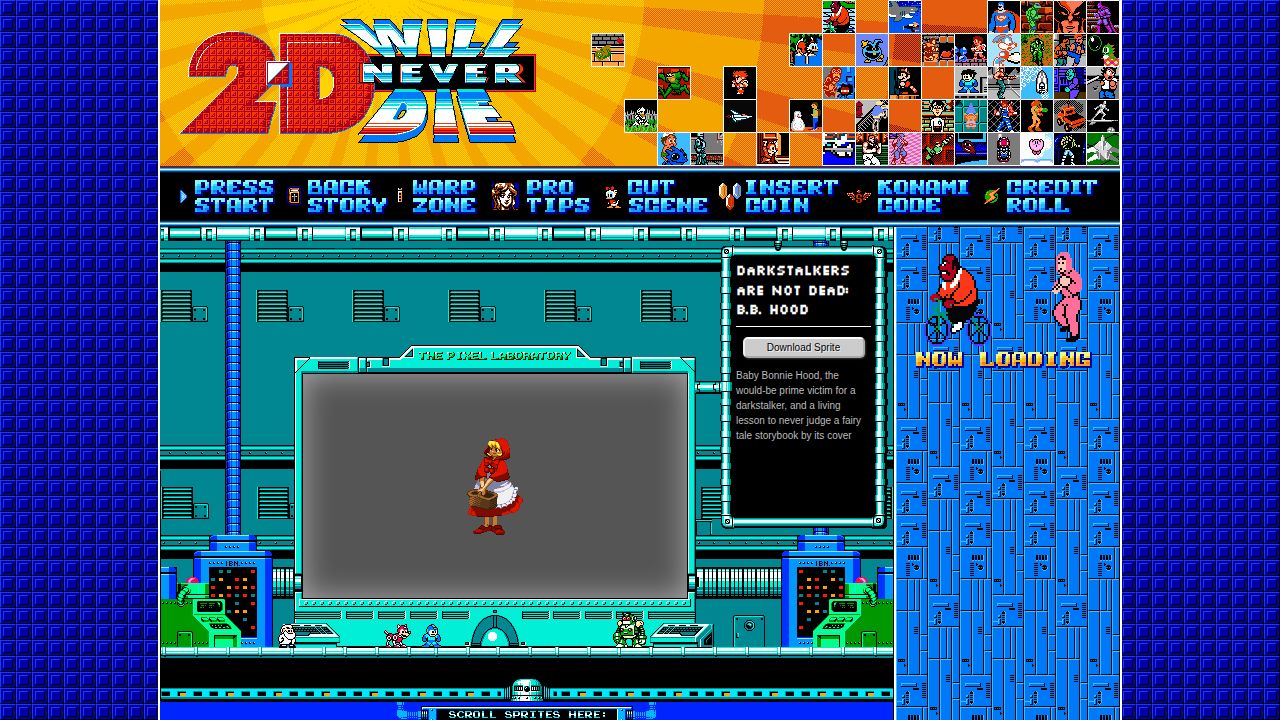
Why Pixel Art Remains Timeless While Early 3D Fades
While modern 3D graphics have reached high fidelity, many developers and players still favor 2D pixel art because it avoids the visual degradation common in early 3D titles. Newer development workflows even use 3D modeling tools to generate these timeless 2D sprites more efficiently.
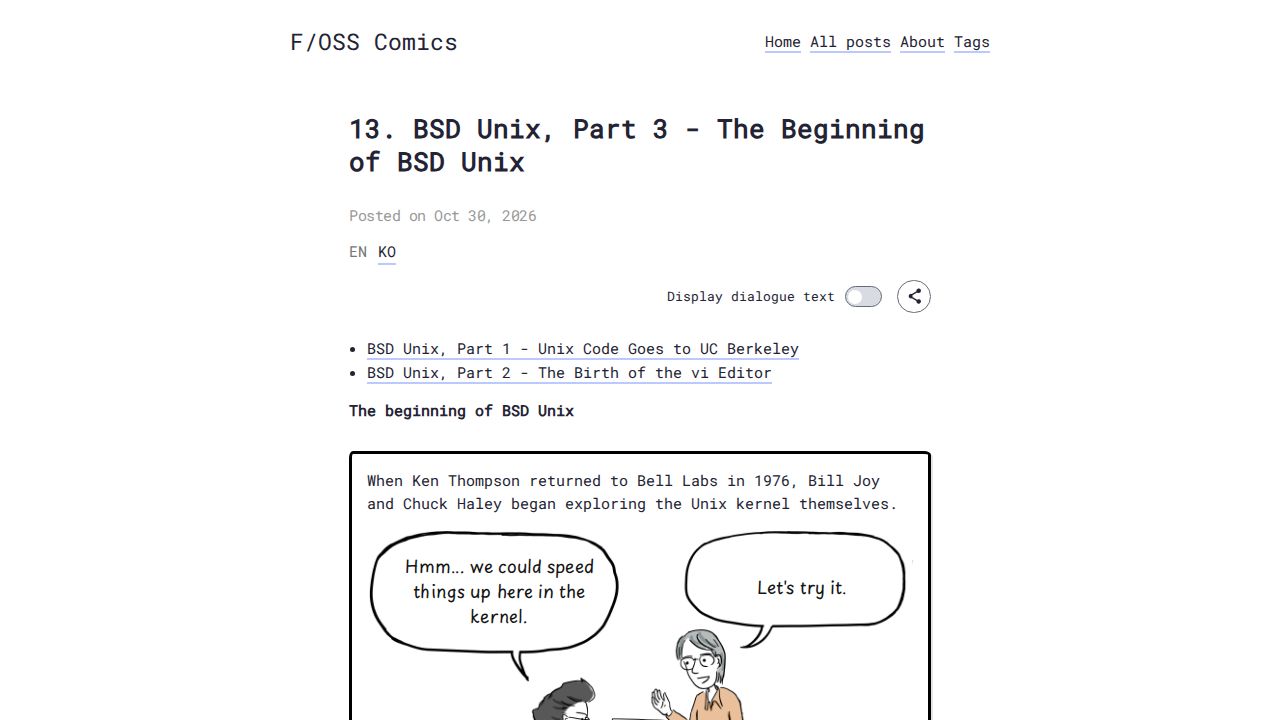
Visualizing the Origins of BSD Unix
A new comic series explores the technical and human history of BSD Unix, sparking discussion among enthusiasts about historical accuracy, the evolution of early computing tools, and the 'mythology' of the operating system.

Videowright: Automating Explainer Videos via Coding Agents
Videowright treats video production as a software engineering task, allowing users to generate, iterate, and render animated explainer videos by describing them to a coding agent.
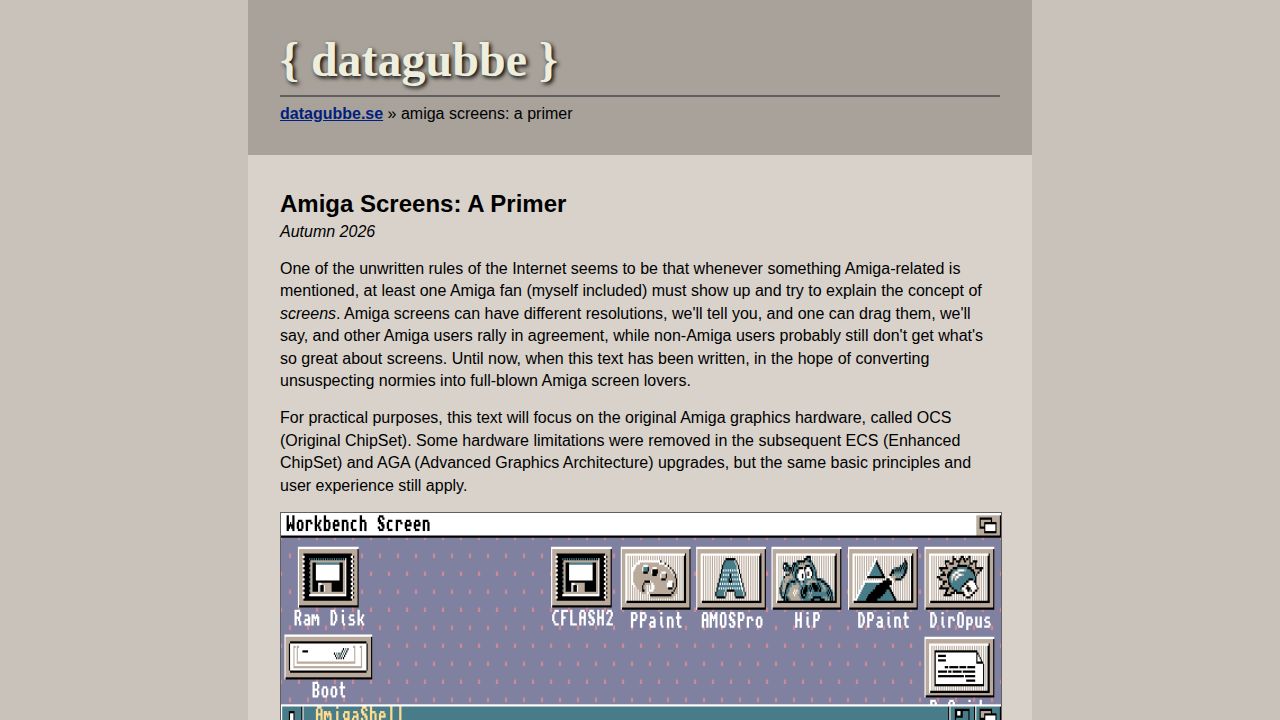
Understanding the Architecture of Amiga Screens
Unlike modern fixed-resolution displays, Amiga "screens" are independent display areas that can vary in resolution and color depth. This architecture was made possible by a unique combination of planar bitplanes, specialized co-processors like the copper, and dual playfield capabilities.

U.S. Labor Share of GDP Hits Record Low as Corporate Profits Soar
Despite record-breaking corporate profits and a growing GDP, the share of economic output going to American workers has fallen to its lowest level since 1947, driven by a shift toward capital-intensive automation and a shrinking labor force.
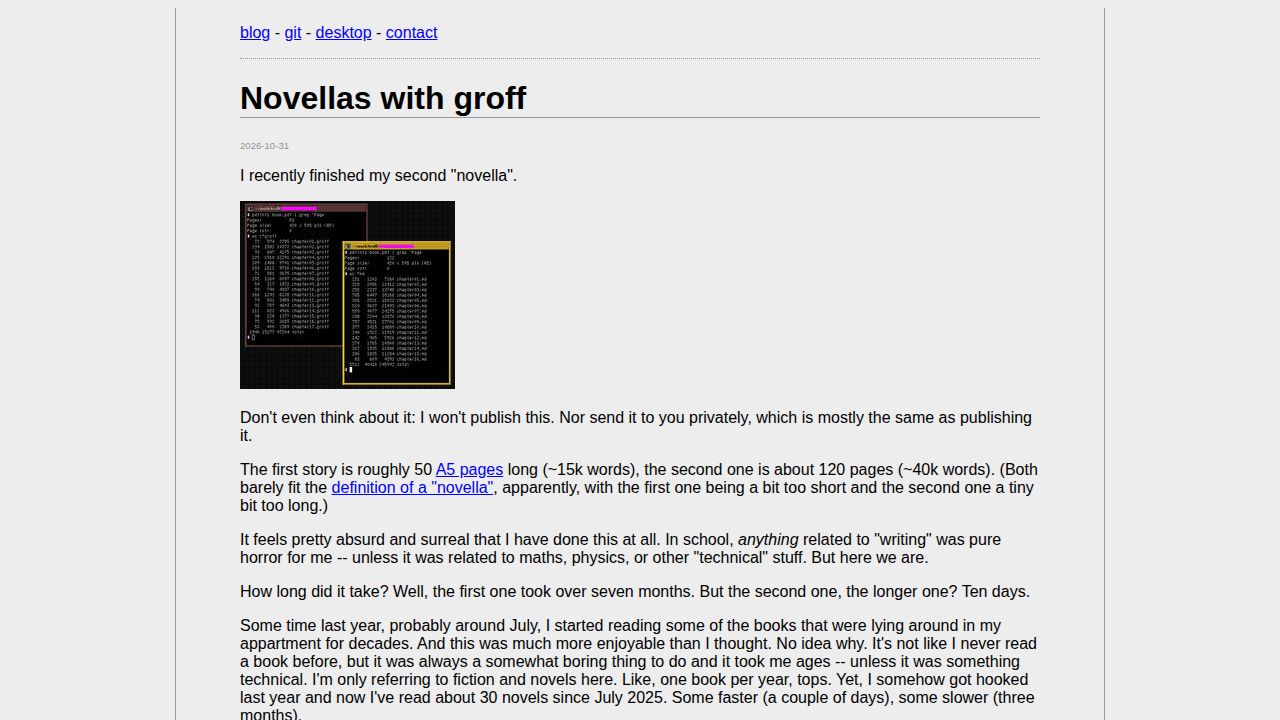
Typesetting Novellas with groff
A technical writer explores using the legacy groff typesetting system to produce high-quality books, highlighting its extreme speed and predictable behavior over modern alternatives.
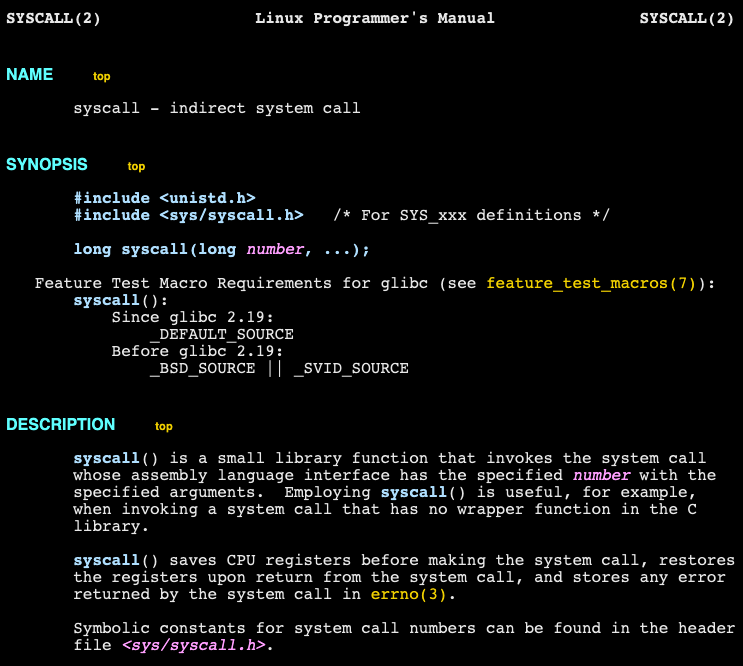
Tracking Linux System Calls Across Architectures with syscall.sh
The syscall.sh project provides a centralized, source-derived repository of Linux system call tables for 27 different architectures, including historical data on when each call was introduced or removed.
The Subjectivity of Data Visualization: Why Every Chart Imposes a Frame
Data visualization is often perceived as a transparent window into raw facts, but the process of curation—from axis scaling to linguistic labeling—inherently imposes a narrative frame on the underlying information.

The Strategy of Silence: 'Never Complain, Never Explain'
The 'never complain, never explain' motto describes a public relations strategy of stoic silence and mystery, famously associated with the British royal family to maintain a stable public image.

The Rise of 'Uber for Nursing' and the Debate Over Gig-Economy Healthcare
New platforms are attempting to apply the gig-economy model to nursing services to lower healthcare costs, sparking a debate over worker exploitation, regulatory bypass, and the trade-offs between consumer affordability and provider protections.

The Rise of 'Egoless Mathematics' in the Age of AI
In a guest post on his blog, mathematician Terence Tao explores how the rise of artificial intelligence necessitates a shift in how we value mathematical work—moving from a focus on individual achievement to a perspective where mathematical truth is independent of its discoverer.

The Persistence of Legacy Systems: Why Businesses Still Run DOS and Ancient Hardware
From nuclear power plants to industrial paint booths, many organizations continue to rely on decades-old software and hardware. This persistence is often driven by the extreme costs of re-certification, proprietary hardware dependencies, and the 'stability trap' of systems that have functioned without failure for years.
The No-Man's Minute: Desynchronization in the Age of AI Agents
A narrative exploration of a technical 'no-man's minute'—a one-minute clock discrepancy between a server and a warehouse—serves as a metaphor for the shifting role of human developers as they move from active creation to passive oversight of AI agents.
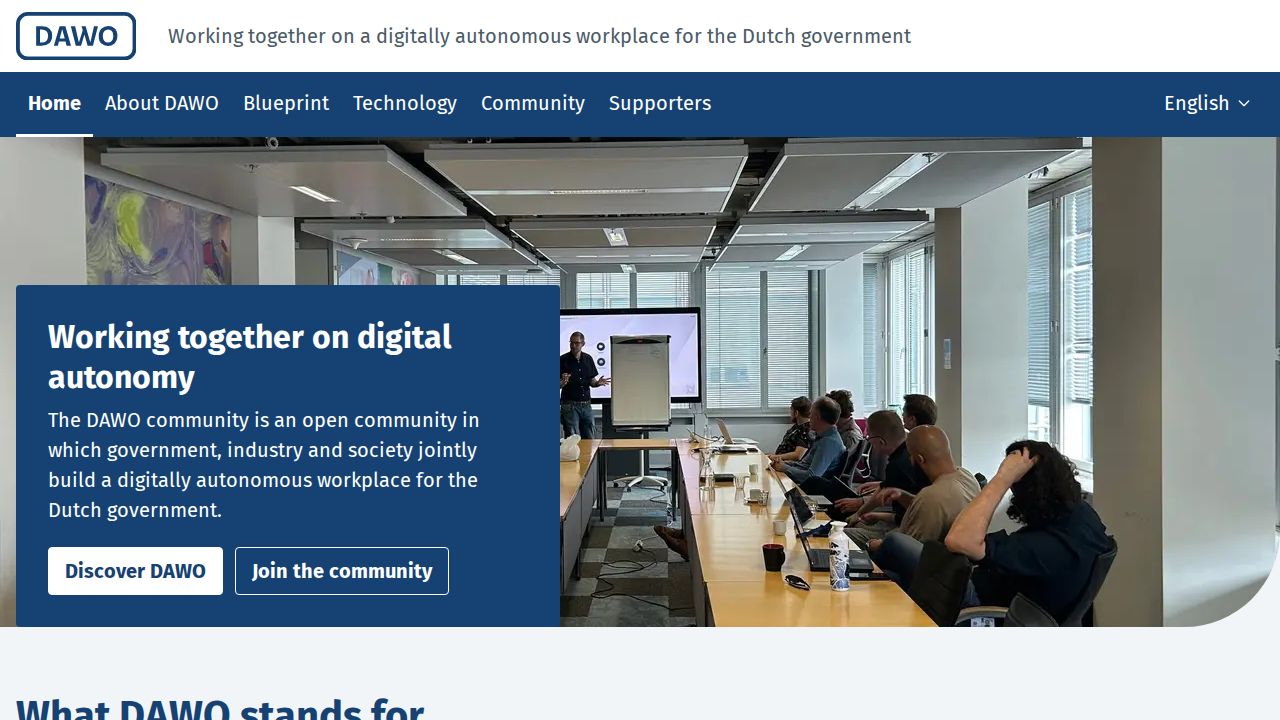
The Netherlands Pursues Digital Autonomy with NixOS-Based Infrastructure
The Dutch government is developing a NixOS-based alternative to Microsoft's ecosystem to strengthen 'digital autonomy.' While NixOS offers advantages in reproducibility and immutability, the initiative faces significant hurdles regarding enterprise software compatibility and the steep learning curve of the Nix configuration language.

The Hurdles of Bidirectional EV Charging During Grid Outages
While Vehicle-to-Home (V2H) technology allows electric vehicles to power a house during a blackout, most current systems do not support 'bidirectional' charging—the ability to simultaneously recharge the car from solar panels while the car powers the home. This functionality is currently limited to a few specific configurations, such as the Tesla Cybertruck.

The Growing Divide Between Game Production and Corporate Management
BioWare co-founder Greg Zeschuk and community members discuss a perceived disconnect in the gaming industry, where high-level executives may lack the hands-on experience required to understand the nuances of game development, leading to a shift toward metric-driven production over creative risk.

The Chemical Evolution of Parchment Paper
Modern parchment paper is a multi-generational technological evolution that transitioned from animal skins to chemically treated plant fibers, eventually becoming a high-performance baking tool through the integration of silicone polymers.
The Business of the Perfect Bagel: Beth George's Consulting Model
Beth George has established a global consulting practice that treats bagel production as a precise engineering and mathematical problem, offering a high-touch 'academy' model to help entrepreneurs build successful, independent bagel shops.

The 60-Second Pulse: Why Power Grids Experience Regular Frequency Dips
Researchers have identified that regular, 60-second fluctuations in electricity demand are caused by the unintended synchronization of large-scale battery storage systems performing simultaneous state-of-charge checks.

Study Identifies Brain Region Changes Linked to Fox Domestication
Researchers have identified a specific reduction in neurons within the ventromedial hypothalamus of tame silver foxes, a brain region known to regulate aggression and social behaviors.

Strategies for Maintaining Privacy with Modern Smart TVs
Because most modern smart TVs include invasive data collection features, users seeking privacy often treat the television as a "dumb" display by disconnecting it from the network and using trusted external hardware like an Apple TV, a Linux PC, or specialized commercial screens.

Security Flaw Allowed Attackers to Take Over ChatGPT Accounts via Shared Links
A complex chain of security oversights—including a message-passing flaw in a math library and a Content Security Policy (CSP) loophole—allowed researchers to execute unauthorized code within a user's authenticated ChatGPT session. By sending a malicious shared link, an attacker could exfiltrate private conversation data or perform actions on behalf of the victim.
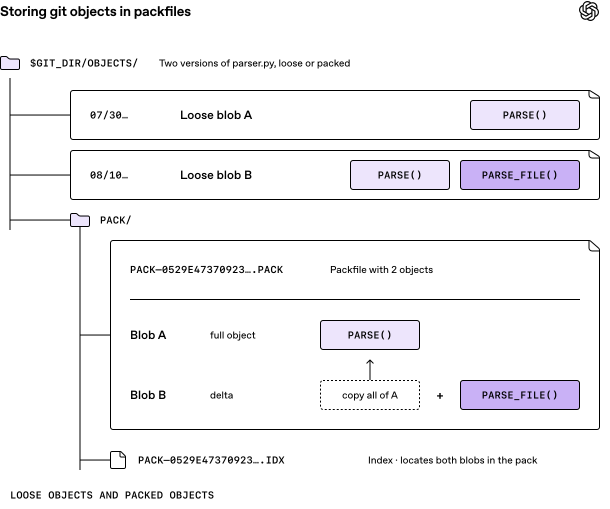
Scaling Git at OpenAI: How Pando Handles Agentic-Scale Source Control
OpenAI developed 'Pando,' a custom Git backend designed to handle the massive increase in concurrent pushes and data volume caused by AI-driven development. By adopting a causal consistency model and reusing packfiles, Pando maintains standard Git compatibility while scaling to handle nearly a petabyte of data per day.

Research Explores Bone-Released Proteins as Potential Anti-Aging Mechanism
A study suggests that specific types of mechanical loading on bones may trigger the release of proteins that could slow aging and extend lifespan, though the transition from laboratory mouse models to human exercise remains complex.

Reading the Hamburg Rathaus: A Facade of Imperial History and Civic Pride
The Hamburg Rathaus (Town Hall) serves as a visual chronicle of the city's identity, using its architecture to balance a history of imperial submission with a fierce commitment to civic freedom and the common citizen.
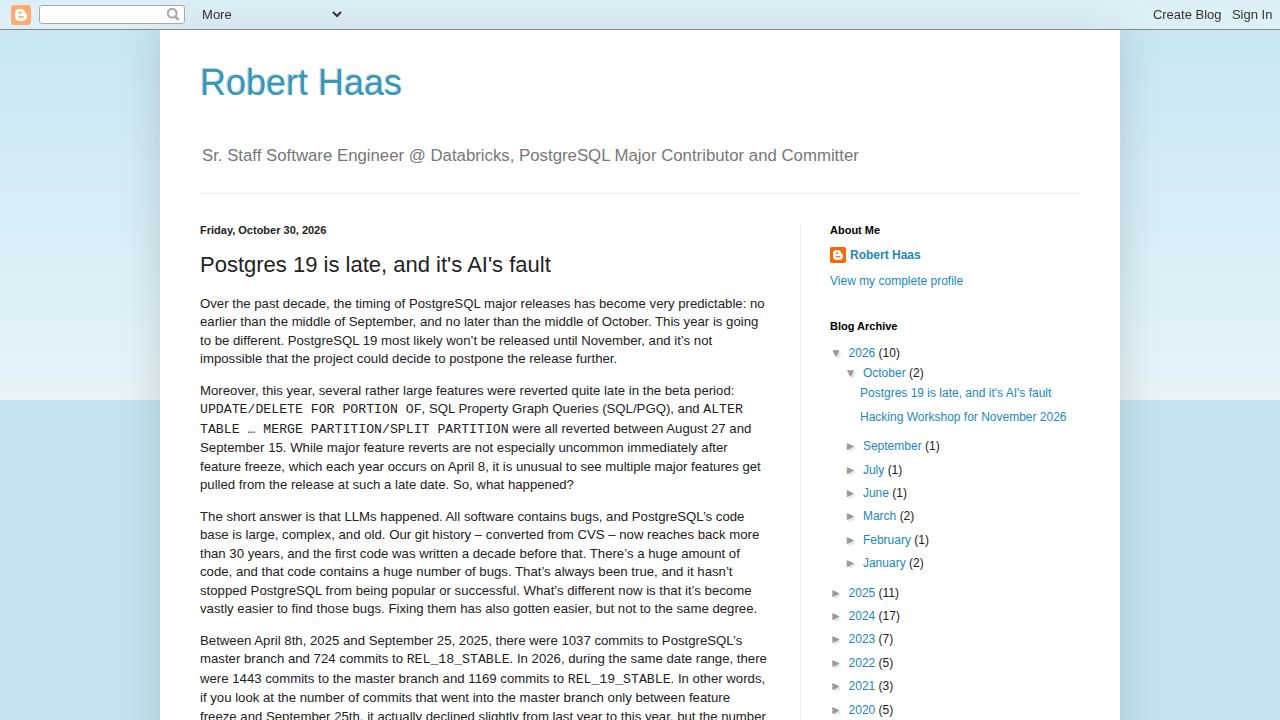
PostgreSQL 19 Delay Driven by AI-Assisted Bug Discovery
The release of PostgreSQL 19 has been delayed as the use of Large Language Models (LLMs) has significantly lowered the barrier for identifying long-standing bugs, forcing a shift in project focus from new features to hardening the codebase.

Polyend Opens Source Code for Tracker Series Firmware
Polyend has released the firmware source code for its Tracker, Tracker+, and Tracker Mini devices, launching a 'Community Edition' that allows users to modify core behavior, build custom synthesizer engines, and develop their own plugins.

Oracle Files for $20 Billion in New Capital to Fund AI Infrastructure
Oracle has filed plans with the SEC to issue $10 billion in common stock and $10 billion in senior notes to finance its artificial intelligence expansion, a move that has drawn market scrutiny due to the company's existing debt load and the risk of shareholder dilution.
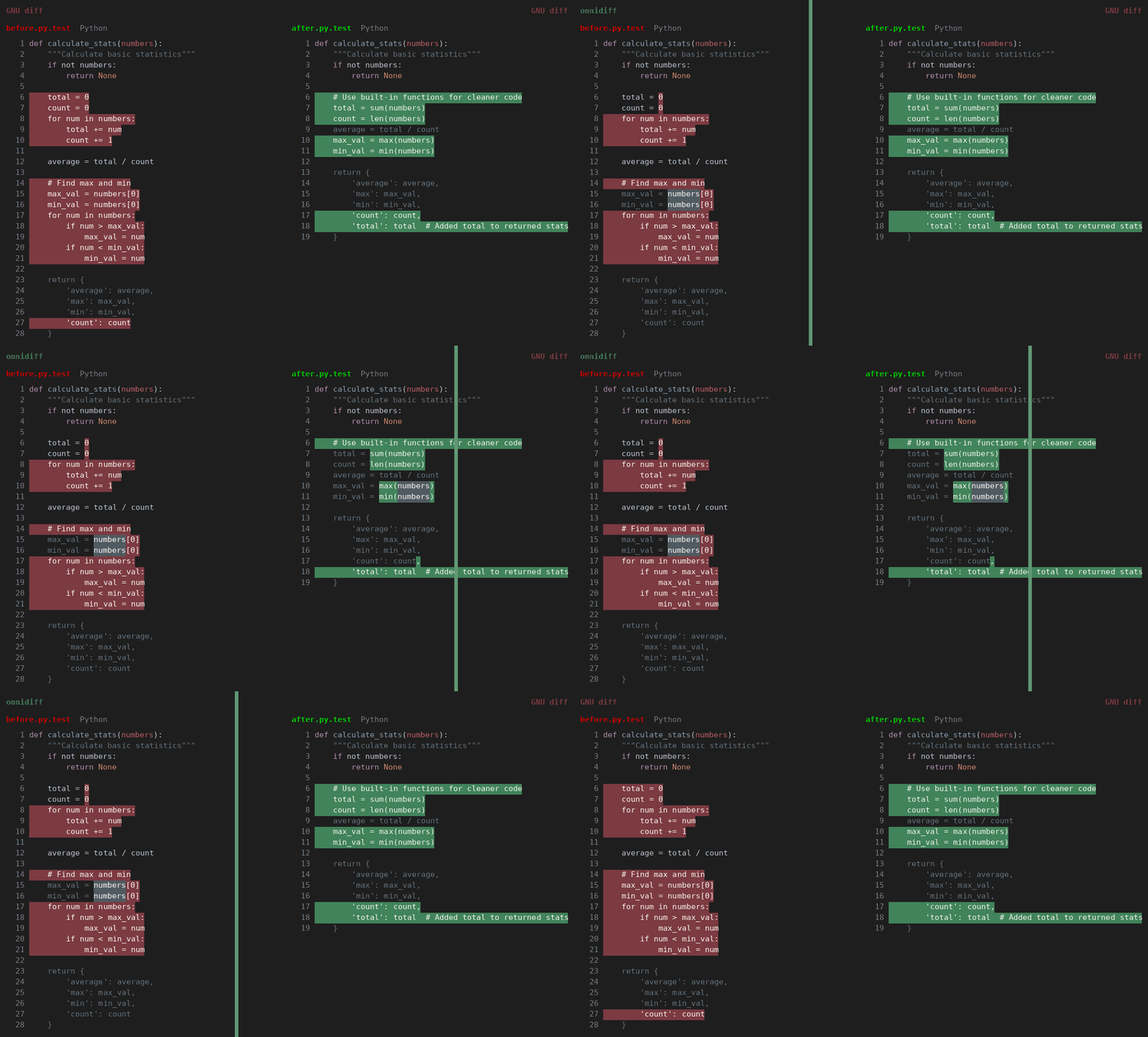
OmniDiff: A Content-Aware Diff Tool Built in Rust
OmniDiff is an open-source tool that provides structurally aware comparisons across various file types—including code, images, fonts, and PDFs—moving beyond traditional line-based differences to highlight precise modifications within files.

NIST Releases Cybersecurity Guide Tailored for Solopreneurs
The National Institute of Standards and Technology (NIST) has published a new lay-language guide, CSWP 50, designed to help solo business owners implement foundational cybersecurity measures without requiring deep technical expertise or significant financial investment.
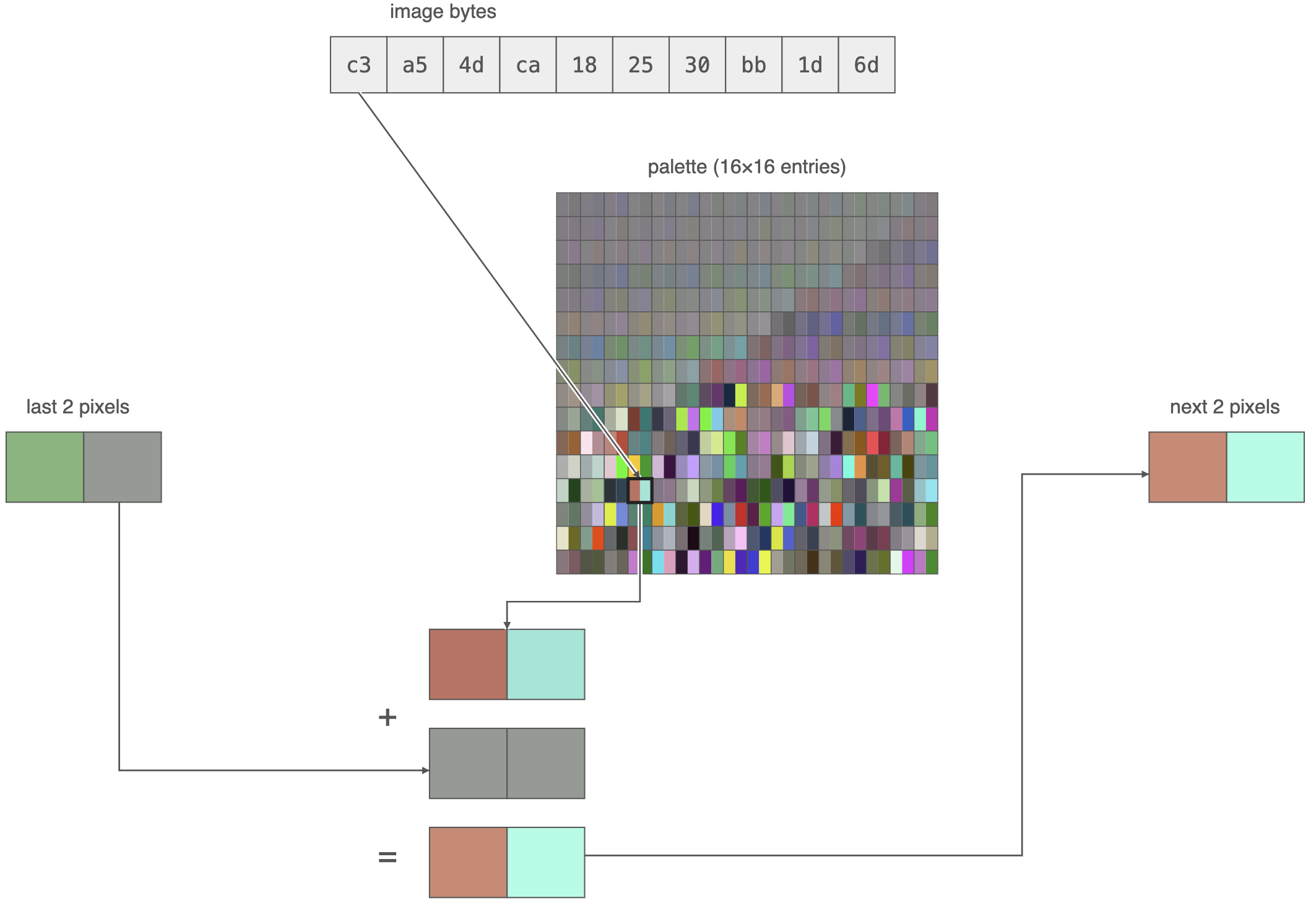
Nibnib: An Image Format Optimized for Microcontroller Decompression
Nibnib is a specialized image format designed to achieve extreme decompression speeds on low-power hardware, such as the RP2350 microcontroller, by utilizing a delta-based palette and a deterministic pair-based decoding algorithm.

macOS 27 Breaks Support for CoreStorage and Encrypted HFS+ Volumes
Users on macOS 27 (Golden Gate) report that CoreStorage and encrypted HFS+ volumes are no longer accessible through standard system tools, preventing mounting, erasing, or conversion to APFS.

Mac Mini M6 Sustains 600MHz Pentium II Emulation via 86Box
The Mac Mini M6's high single-core performance allows it to maintain a stable 100% emulation speed for a 600MHz Pentium II and Voodoo 3 graphics card, outperforming the M4 model by 20% in this specific retro-computing configuration.

Lenovo's 'Encrypted' Fingerprint USB Drive Lacks Actual Data Encryption
A teardown of a Lenovo fingerprint-authenticated USB drive reveals that the device does not use cryptographic encryption to protect data; instead, it functions as a physical gatekeeper that toggles the connection to an unencrypted internal SD card.

Jailbreaking a Car's Navigation System to Change the Clock
A Renault Latitude owner bypassed a navigation system's DRM and kernel-level security restrictions to unlock a hidden time-setting menu that was intentionally locked behind a requirement for a legitimate navigation SD card.

Inside the Windows 2000 Launch Rehearsal
A first-person account from a Microsoft engineer reveals the high-production scale of the Windows 2000 launch in San Francisco, featuring a 10-meter tall mock laptop, celebrity host Patrick Stewart, and live sketches of infrared file sharing.
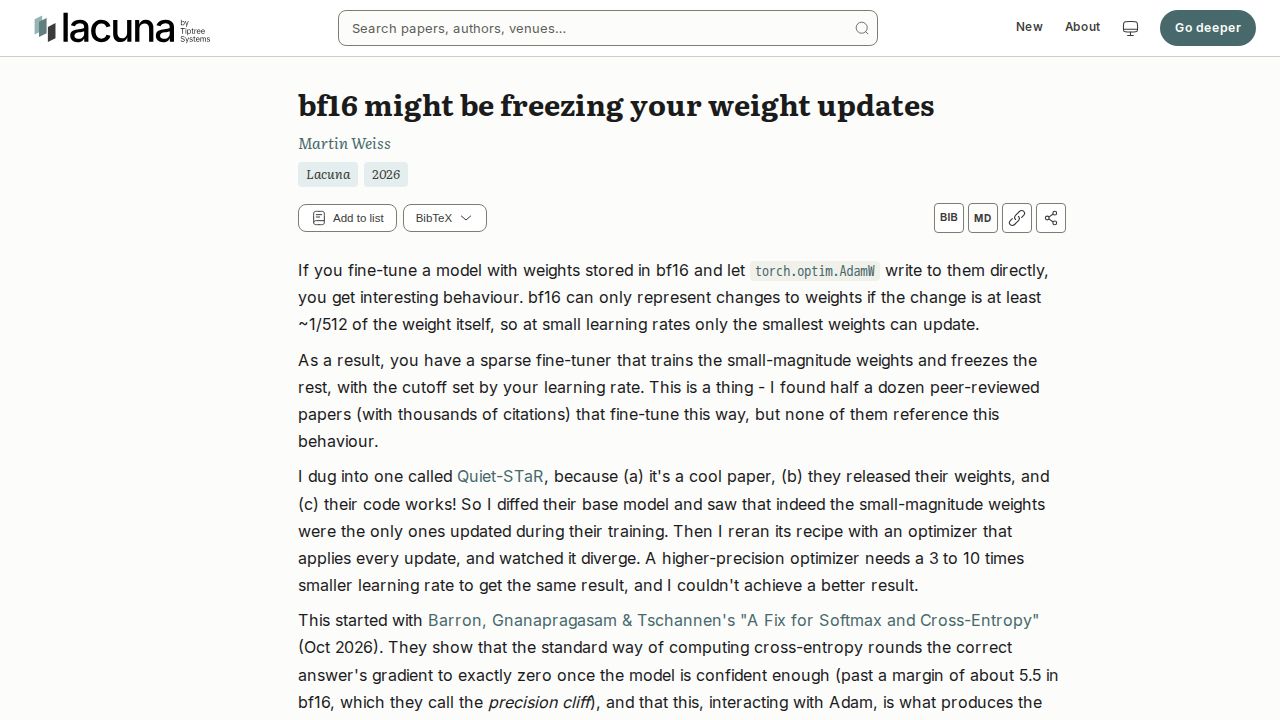
How bf16 Precision Limits Can Create a 'Weight Mask' During Fine-Tuning
Using bf16 weights without an fp32 master copy can cause a 'weight mask' effect where only the smallest weights are updated. Because bf16 has a limited mantissa, any update smaller than roughly 1/512 of a weight's value is rounded away, effectively freezing the majority of a model's parameters during training.

HackerBooks Aggregates Book Recommendations from Hacker News Comments
HackerBooks is a community-driven database that ranks books based on how frequently they are mentioned in Hacker News comments since 2007, using an AI-assisted pipeline to link entries back to original discussions.
Hacker Times: A Newspaper-Style Redesign of Hacker News
Hacker Times is a project that reimagines the Hacker News feed as a curated, New York Times-inspired digital newspaper, focusing on aesthetic readability and a structured layout to move away from the platform's traditional 'wall of text' format.

Exploring the Bayeux Tapestry: A 11th-Century Narrative in Linen
The Bayeux Tapestry is a 70-meter-long embroidered canvas depicting the Norman Conquest of England in 1066. It is currently accessible to the public through a physical museum experience and a high-resolution digital panorama.

Enlightenment 0.28.0 Release Expands Networking, Audio, and System Utilities
The latest release of the Enlightenment desktop environment introduces native PipeWire support, expanded NetworkManager integration, and a restored 'Pants' module, alongside significant improvements to power management and system stability.

DHH's Keynote on Agentic Coding and the Shift to Rust
David Heinemeier Hansson (DHH) argues that the rise of agentic coding—where AI agents perform the bulk of the implementation—shifts the developer's role from 'coder' to 'maker.' This shift allows businesses to prioritize native applications and high-performance languages like Rust while significantly reducing infrastructure costs.

Cyber-Attacks Target European Supermarket Refrigeration Systems
A series of suspected cyber-attacks across Europe has targeted supermarket refrigeration systems, causing temperatures to rise and leading to significant food waste. The incidents highlight the security vulnerabilities of internet-connected industrial cooling hardware.

Cyber-attack targets European supermarket refrigeration systems
Hackers exploited vulnerabilities in remote-management software to override temperature controls on supermarket freezers in Belgium, Sweden, Luxembourg, and Ireland, causing millions of euros in food spoilage.
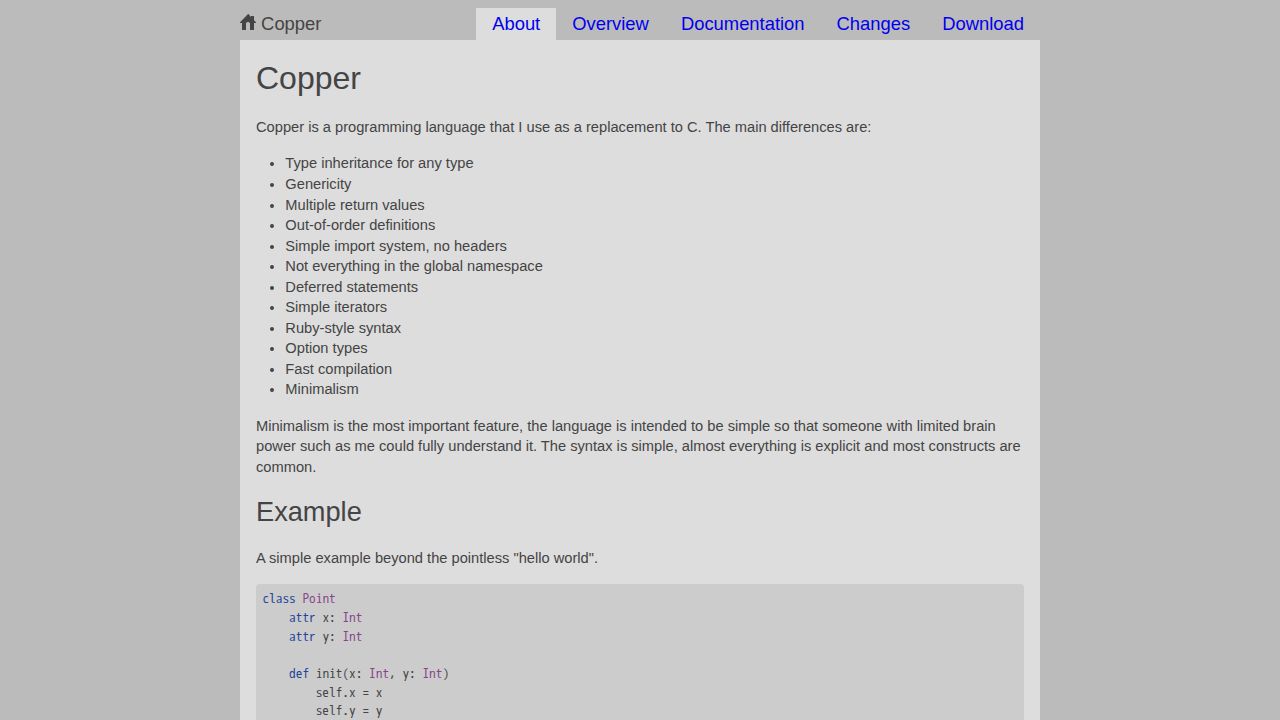
Copper: A Minimal Low-Level Language with Ruby-like Syntax
Copper is a personal programming language designed as a low-level alternative to C, combining a Ruby-inspired syntax with object-oriented features and generics. While it offers a unique design for bootstrapping and system-level tasks, its current documentation leaves several technical questions regarding its memory model and production readiness.
Cloudflare Optimizes DNS Propagation with Targeted Zone Builds
Cloudflare reduced DNS build delays by 50% and cut memory usage by 85% by moving from full-zone rebuilds to a targeted build system that processes only the specific records or settings changed by a user.

BYD's Monthly EV Sales Surpass U.S. Quarterly Totals
Chinese automaker BYD recorded a record-breaking 305,743 battery electric vehicle (BEV) sales in October 2026, a figure that exceeds the total number of electric vehicles sold in the United States during the entire third quarter of the same year.
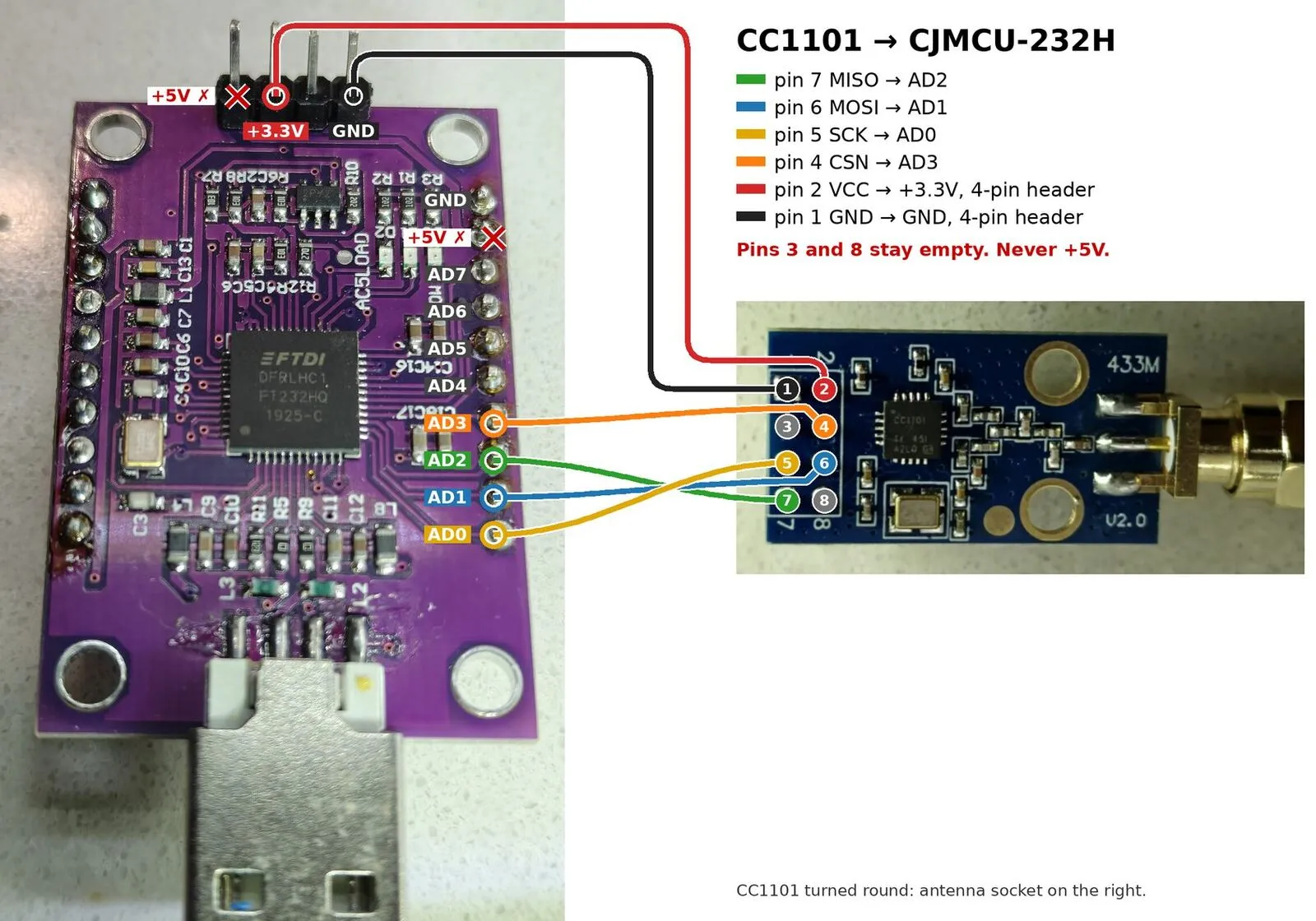
Building a 433 MHz Radio Scanner Without a Microcontroller
A new hardware setup demonstrates how to create a terminal-based radio scanner by connecting a CC1101 radio module directly to an FT232H USB-to-SPI adapter, bypassing the need for a microcontroller or soldering.

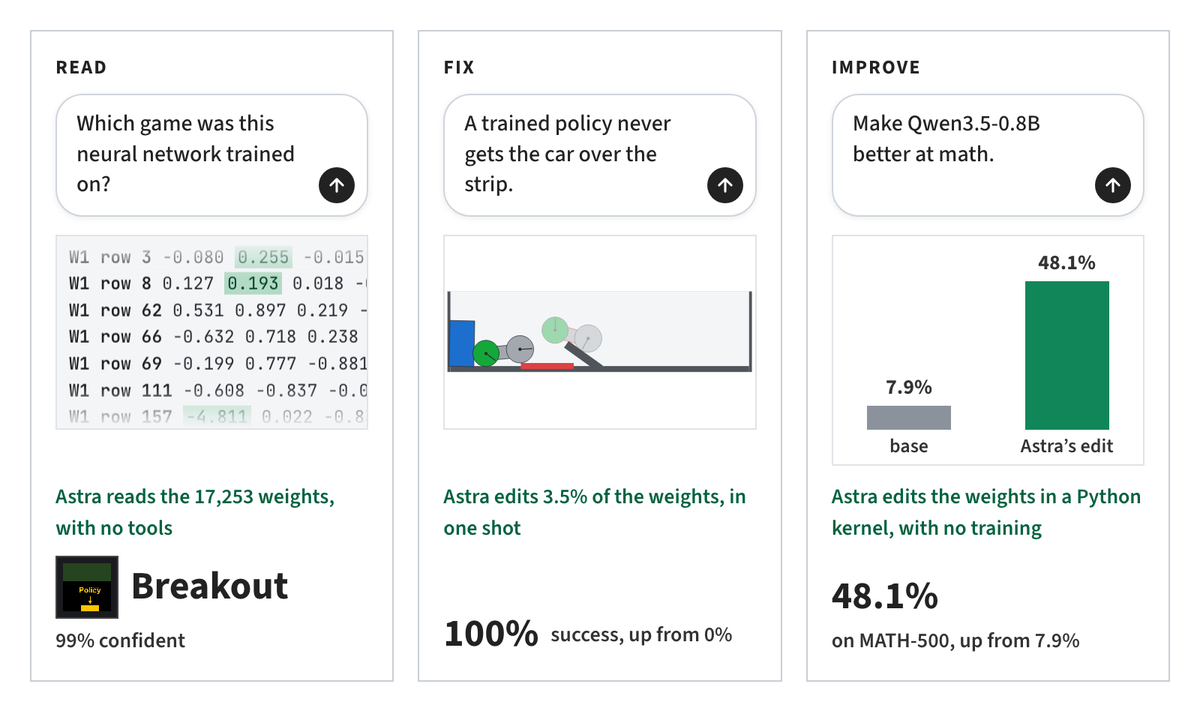
Astra Demonstrates 'Weight-Space Programming' by Editing Neural Network Weights Directly
Researchers have found that frontier LLMs, specifically GPT-6 Astra, can natively interpret and modify the raw numerical weights of neural networks to fix logic errors and improve performance without using traditional gradient descent.

ASML Reports Zero European Sales for 2026 Amid Structural Hurdles
ASML, the leading provider of lithography machines, reported selling 'absolutely nothing' in Europe for 2026. This lack of demand highlights a growing gap between Europe's industrial goals and the practical realities of high-energy costs, regulatory hurdles, and a focus on mature technologies rather than leading-edge chip production.

Applying Intelligence Agency Tactics to College Football via AI Ensembles
A new project explores how an ensemble of Large Language Models (LLMs) can simulate intelligence agency methodologies to analyze college football teams, identifying leverage points and vulnerabilities while sparking debate over the reliability of AI-generated 'probabilities.'

Apple Reports Record Fiscal 2026 Results Driven by iPhone and Services Growth
Apple announced its strongest fiscal year to date, reporting $114.5 billion in revenue for the fourth quarter of 2026. The results were bolstered by record-breaking performance in the iPhone and Services categories, alongside a new product lineup featuring the 'iPhone Duo' and integrated AI.

Anthropic Reports $17 Billion in Q3 Revenue Amid Massive Infrastructure Commitments
Anthropic's amended S-1 filing reveals a massive 1,127% year-over-year revenue jump for Q3, alongside nearly $900 billion in committed spending on compute and infrastructure as the company prepares for an IPO.

Anthropic Develops 'FlashProve' to Cryptographically Verify AI Model Outputs
Anthropic has released FlashProve, a system using zkSNARKs to provide cryptographic proof that a specific AI model's weights generated a given response, addressing concerns about model substitution and tampered token streams.

Analysis of Florida Private Jet Crash and High-Altitude Aerodynamics
A private jet crash in Florida has sparked technical discussion regarding 'coffin corner'—a high-altitude aerodynamic phenomenon—and the catastrophic impact of severe icing on aircraft control.
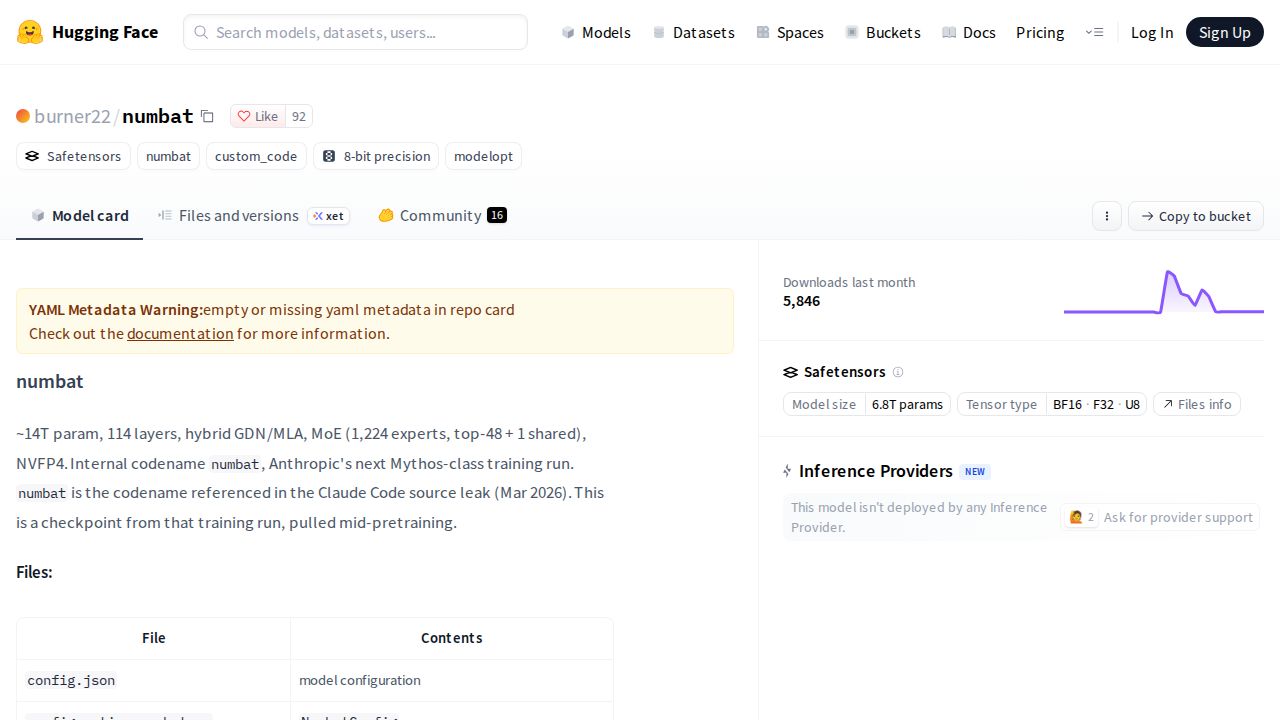
Alleged Anthropic 'Mythos-class' Model Leak on Hugging Face
A Hugging Face repository containing a 14-trillion parameter model codenamed 'numbat' has surfaced, which some claim is a leaked pretraining checkpoint from Anthropic's next-generation Mythos-class training run.

Alan Kay's Live Talk Becomes a Real-Time Demonstration of Shannon's Noisy Channel Theory
During a live presentation, computer scientist Alan Kay experienced a technical glitch that turned his talk into a real-time demonstration of Claude Shannon's information theory, illustrating the gap between theoretical limits and practical communication noise.

AI and the Rapid Unearthing of 40 Years of Technical Debt
The PHP2Shell vulnerability highlights a shift in cybersecurity where AI tools can rapidly turn long-ignored, minor software bugs into critical security exploits, forcing a massive cleanup of decades of legacy technical debt.

AI and Micro-CT Scans Reveal Text on 2,000-Year-Old Carbonized Scroll
Researchers have successfully identified the first readable characters on the PHerc. 306B scroll, a carbonized papyrus from Herculaneum, by combining high-resolution micro-CT scans with custom-trained machine learning models to detect ink in severely distorted windings.

Actor John Leeson, the voice of K-9 in Doctor Who, has died
John Leeson, the long-time voice actor for the robot dog K-9 in the Doctor Who franchise, passed away at the age of 83. His performance was credited with transforming a temporary character into a permanent fixture of the series.