Modern consumer televisions frequently incorporate software that monitors user activity. Discussion among tech enthusiasts highlights concerns about these devices being inherently "creepy," with some reporting instances where TVs appear to attempt to communicate over local networks even when not explicitly connected to the internet. One concern involves technologies like Amazon Sidewalk, which may allow devices to share location or status information with nearby compatible hardware. Because manufacturers often use encrypted HTTPS communications and complex privacy policies, many users find it difficult to verify exactly what data is being transmitted.
A primary strategy for ensuring privacy is to decouple the screen from its internal operating system. This involves purchasing any high-quality 4K display but strictly avoiding connecting it to Wi-Fi or Ethernet. Instead, the TV acts solely as a monitor for a separate, trusted media box—such as an Apple TV, Nvidia Shield, or a dedicated Linux machine running Kodi. By plugging this device into an HDMI port, the user ensures that only their chosen hardware handles streaming apps and data processing, while the TV remains a passive output device. Some users go further by physically opening the chassis to disconnect wireless radios from the main board to prevent unauthorized transmissions.
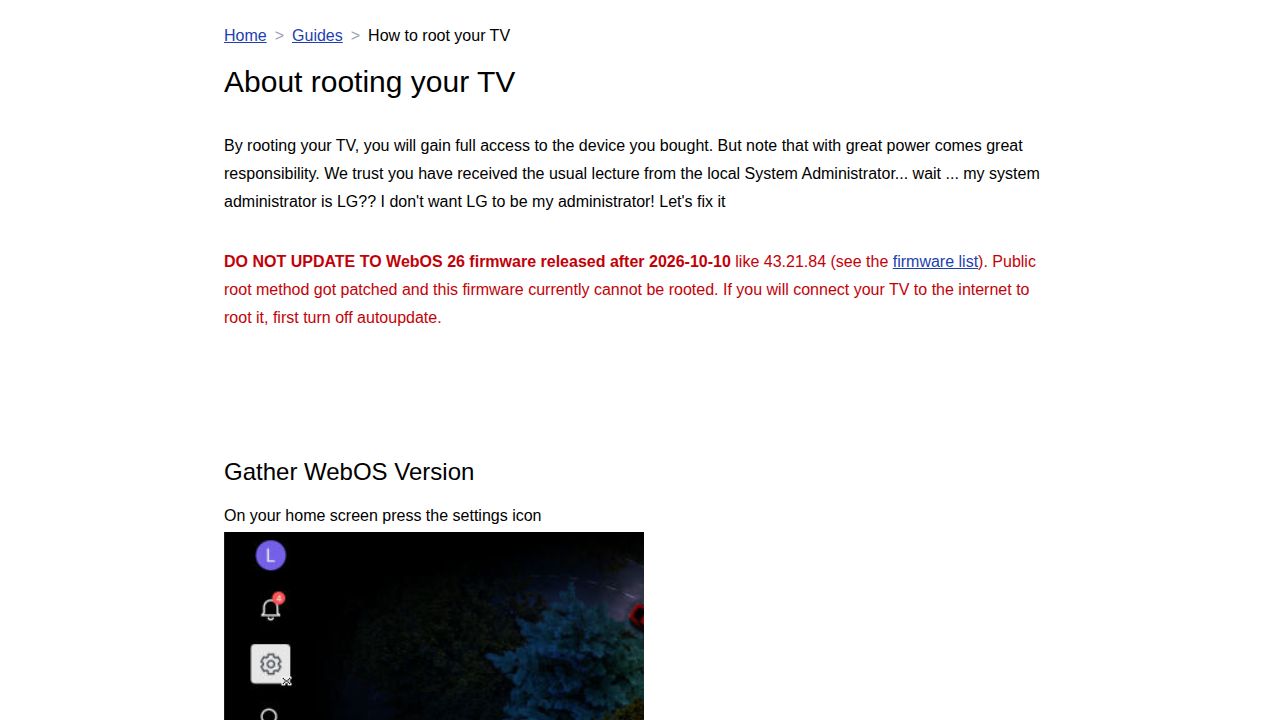
For those seeking deeper control, more technical workarounds exist, such as rooting the television's firmware to strip out preinstalled spyware and background services. Users have reported success using AI tools to identify and remove malicious components or installing custom Android builds (like LineageOS) on mini PCs to serve as private hubs. Alternatively, some suggest moving away from consumer "Smart TVs" entirely in favor of commercial displays intended for retail environments, which are designed without integrated smart features. While these methods can introduce trade-offs—such as higher costs for commercial screens or losing native input controls via HDMI CEC—they provide a much clearer boundary between the viewing experience and personal data collection.