BYD, a leading global manufacturer of electric vehicles, achieved a significant milestone in October 2026 by selling over 300,000 battery electric vehicles (BEVs) in a single month. This figure represents a 37% year-over-year increase and marks the first time the company's monthly EV sales have crossed this threshold. To provide scale, the volume of BYD's October sales surpassed the total number of electric vehicles sold in the United States during the entire third quarter, which was estimated by Kelley Blue Book to be just over 262,500 units.
The company's growth is supported by a broader expansion strategy and technological advancements. Through October, BYD sold nearly 2 million new energy vehicles (NEVs), with all-electric vehicles accounting for approximately 63% of its total sales. To sustain this momentum, BYD is aggressively expanding its export footprint into Europe, Southeast Asia, and Central and South America. The company expects its overseas shipments to reach 2 million vehicles by the end of 2026 and more than 2.5 million in 2027. This expansion is bolstered by the rollout of new technologies, including the Blade Battery 2.0 and Flash Charging systems, designed to offer longer ranges and faster charging speeds to compete with legacy automakers.
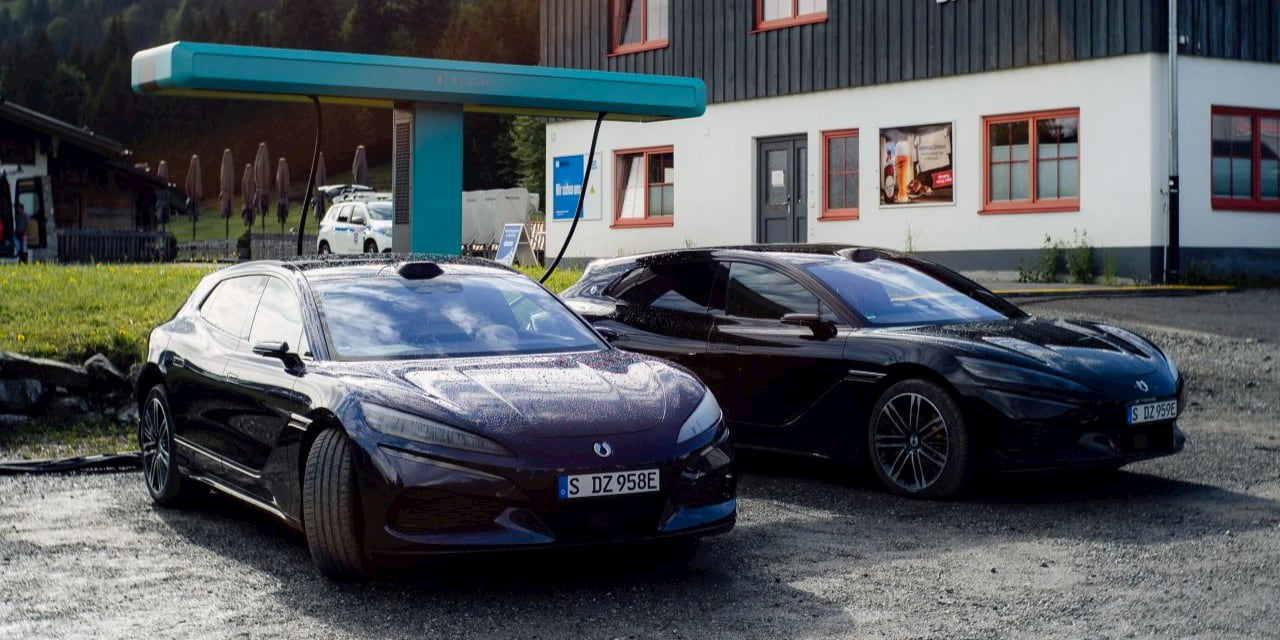
The company is rolling out new technologies, including Flash Charging systems, to offer faster charging speeds.

To sustain this momentum, BYD is aggressively expanding its export footprint into Europe, Southeast Asia, and Central and South America.
Despite this rapid scaling, the transition faces distinct regional dynamics and potential hurdles. While China currently accounts for over half of all global electric car sales, the influx of low-cost domestic brands has created a highly competitive environment. In Western markets, the rapid growth of Chinese manufacturers has sparked discussions regarding protectionist trade barriers and the ability of legacy manufacturers to maintain market share. Furthermore, while BYD's production volume is a clear indicator of industrial scale, individual consumer experiences highlight a potential trade-off between high-volume manufacturing and interior build quality, which remains a point of scrutiny as the brand seeks to establish a premium presence in international markets.