Hacker Times is a stylized redesign of the Hacker News platform, intended to transform the site's traditional 'wall of text' into a newspaper-like experience. Rather than a simple list of links, the project organizes content into a structured layout that mimics a daily edition. This approach aims to improve the browsing flow for users who find the standard Hacker News interface overwhelming, providing a more digestible way to consume the diverse range of technical and cultural stories shared on the platform.
The project prioritizes visual clarity and typography to enhance the user experience. By breaking up links and utilizing distinct formatting, Hacker Times seeks to reduce the fatigue associated with scanning long, dense lists of headlines. The platform serves as a curated republishing of Hacker News content, featuring a wide variety of topics—from deep technical research, such as experiments in direct neural-network weight editing, to cultural projects like voxel-based 3D models of cities. This shift in presentation is designed to make the information more accessible while maintaining the core content of the original community.
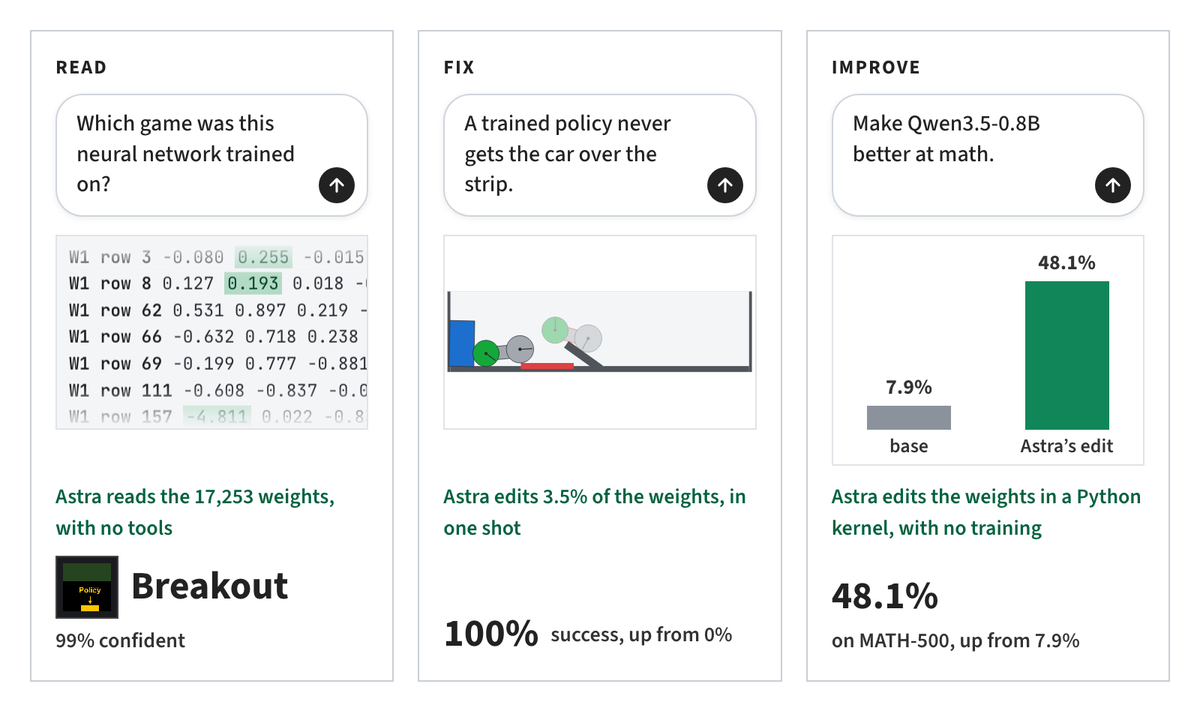
The project features a wide variety of topics, including deep technical research such as experiments in direct neural-network weight editing.
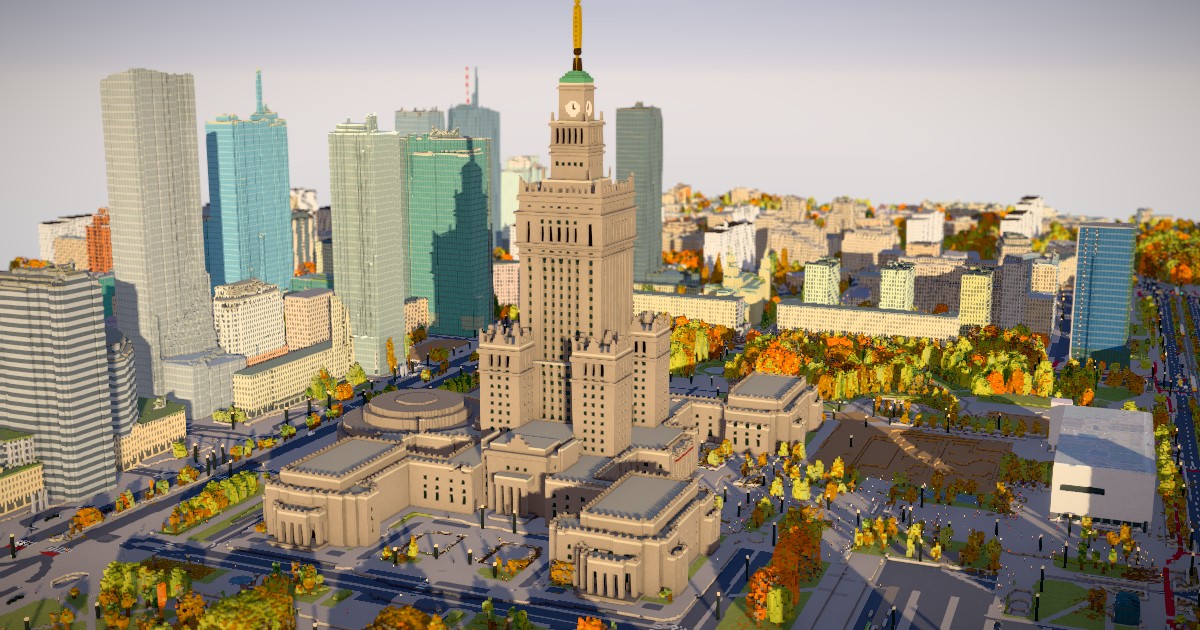
The platform serves as a curated republishing of Hacker News content, featuring a wide variety of topics—from deep technical research... to cultural projects like voxel-based 3D models of cities.
While the project offers a new way to interact with the Hacker News ecosystem, it faces specific technical and reachability constraints. Because it uses a custom domain, the site may be inaccessible in regions where the underlying infrastructure is blocked, which can affect its reach compared to the original platform. Furthermore, the project's method of republishing content—whether it involves storing content or performing live conversions—remains a point of consideration regarding how it interacts with the original source material. These technical boundaries and the project's specific method of content delivery are key factors in how the platform functions as an alternative browsing experience.