A study published in Current Biology has identified neurological changes in silver foxes that occur rapidly during the domestication process. The research focuses on the ventromedial hypothalamus, a brain region that regulates aggression, energy use, and social behaviors in mice. By comparing the brains of wild foxes, foxes bred for aggressive traits, and foxes bred for tameness, scientists identified a distinct structural difference in the brains of the friendlier animals.
The study draws on a classic experiment initiated in Siberia in the late 1950s. Russian geneticists observed that some silver foxes on farms were significantly friendlier toward humans than others. By selectively breeding these docile foxes, researchers produced litters that interacted calmly with humans in just six generations. These 'cuddly' foxes also exhibited physical traits common to domesticated animals, such as floppy ears and shorter snouts. The current research aimed to uncover the neurological underpinnings of these rapid behavioral shifts.
Using a fluorescent RNA scope to identify cell types, the researchers found that tame foxes possessed fewer neurons expressing estrogen receptor alpha in the ventromedial hypothalamus. In previous mouse studies, using a technique called optogenetics, activating these specific neurons caused the mice to immediately attack others, suggesting they are a core component of the aggression circuit. While the study establishes a clear correlation between the reduction of these neurons and tameness, the specific genetic mutations within the fox genome that drive these neurological changes remain an area for future investigation.
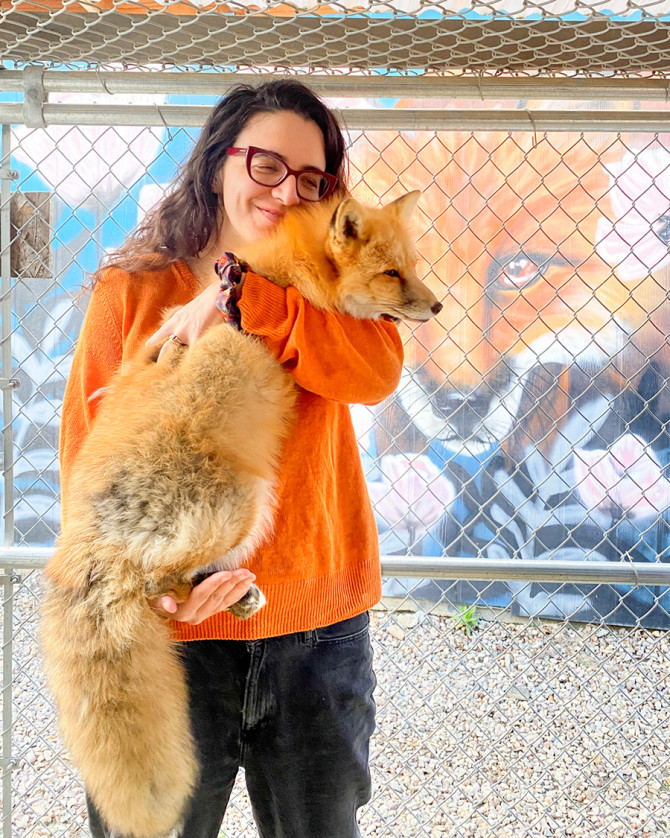
The image illustrates the docile nature of the silver foxes bred for tameness in the study.