U.S. workers are currently receiving the smallest share of the nation's economic output since records began in 1947. According to data from the Bureau of Labor Statistics, the labor share—the portion of GDP received by workers through wages and salaries—dropped to 52.8% in the second quarter of 2026. This represents a significant decline from the 55.6% average seen over the previous decade. This trend persists even as corporate earnings reach historic highs, with Fortune 500 companies reporting record profits of $2.1 trillion in 2025 while the overall U.S. GDP grew by 3.4% in the third quarter of the previous year.
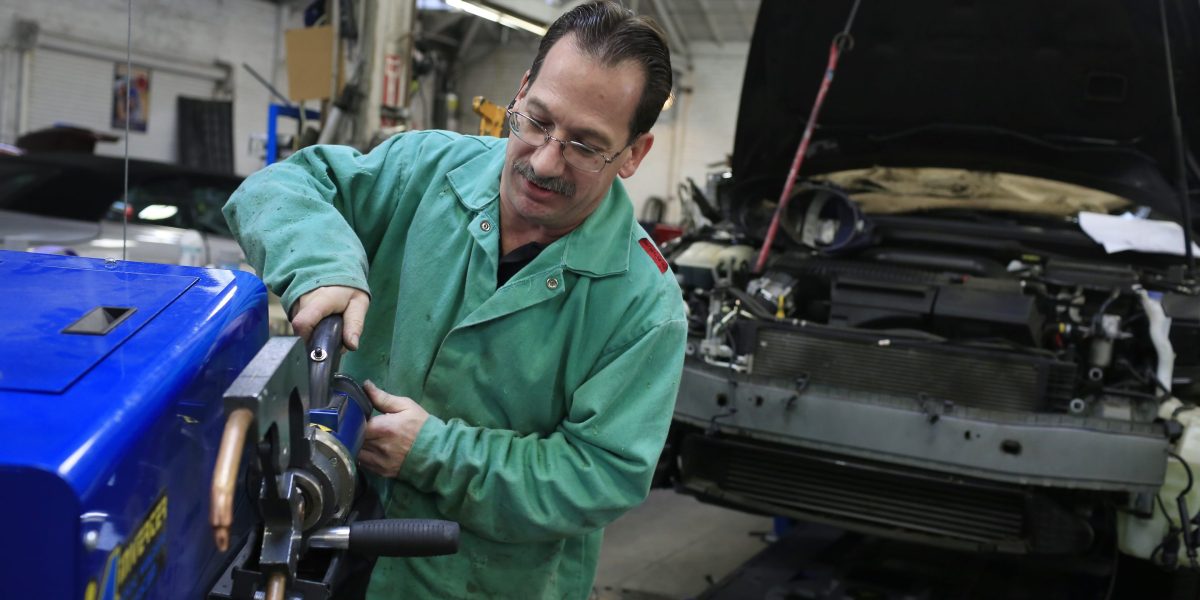
The image illustrates the human labor component of the economy, which currently receives a record-low share of the national GDP.
Economists attribute this phenomenon to a shift toward capital, where productivity gains are increasingly driven by automation rather than human labor. While nonfarm productivity grew by 1.4% in the second quarter of 2026, the rate has slowed from 2.2% a year prior. Analysts from Goldman Sachs suggest that AI automation could eventually displace up to 25% of all work hours. While these technological shifts are projected to boost GDP by 1.5% by 2035, they also contribute to a 'jobless growth' model. This creates a K-shaped economic environment where wealth concentrates among capital owners and billionaires while the share of the economic pie available to the general workforce continues to deflate.
The contraction of the labor force is further complicated by shifting demographics and immigration policy. Since January 2025, the foreign-born workforce has seen a reduction of between 1.1 million and 1.4 million people. Some experts argue that these policies may backfire by reducing the available labor pool, potentially making it harder for domestic-born workers to find employment. While some firms are attempting to address the automation gap through reskilling, critics argue that government investment in active labor market programs has remained insufficient to match the pace of technological change. Consequently, the economy faces a growing tension between soaring corporate productivity and a shrinking, less-compensated workforce.