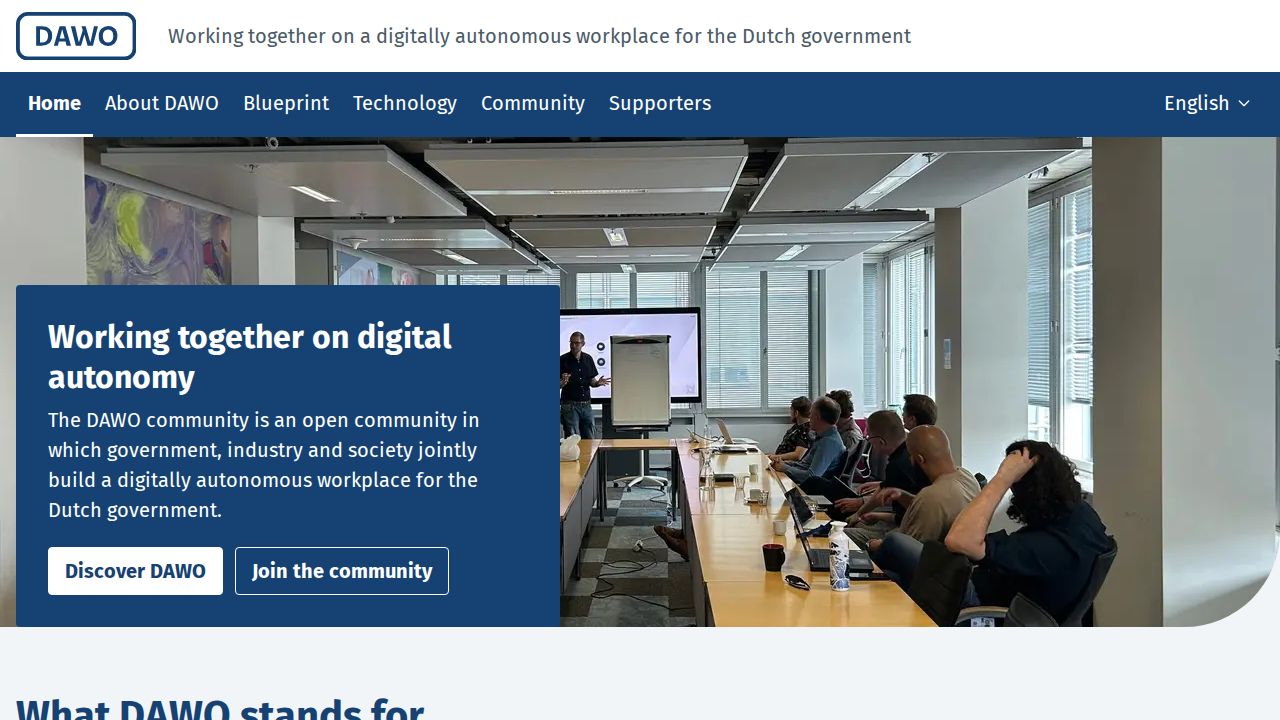
The Dutch government is moving toward a NixOS-based infrastructure as a means of achieving 'digital autonomy.' This initiative aims to reduce the nation's reliance on large American technology corporations, which some observers argue have become increasingly restrictive or 'abusive' in their business practices. By establishing a sovereign digital stack, the Netherlands seeks to preserve its reputation for openness and freedom while insulating its public services from the influence of US-based big tech. This move is part of a broader European trend; similar NixOS-based systems are being developed by the French and German governments to create hardened, secured operating systems for public use.
NixOS was selected as the foundation because of its unique approach to systems management. Unlike traditional operating systems where configurations can 'drift' over time, NixOS uses a declarative model to create reproducible and immutable systems. This allows administrators to manage entire fleets of machines from a central configuration file, ensuring that every device remains in a known, consistent state. For server software and appliances, this provides a level of reliability that is difficult to achieve with standard stateful configurations. The project leverages Nix's ability to generate prebuilt configurations, making it a powerful tool for creating a standardized, secure government 'distro.'
Despite these technical advantages, the transition faces substantial practical challenges, particularly regarding the 'office suite' problem. Replacing Microsoft 365 with open-source alternatives like LibreOffice or Collabora often introduces significant friction for enterprise users who rely on specific features like sensitivity labels and data loss prevention (DLP). Furthermore, the move from a Windows environment to a Nix-based system involves a steep learning curve. While the Nix philosophy of immutable software is powerful, the configuration language can be complex and 'gnarly' for standard users. The success of the project may depend on whether the government can revolutionize internal workflows enough to make these open-source tools as seamless as the proprietary suites they replace.