Standard version control tools typically treat changes at the line level; if one character in a 100-character line changes, the entire line is marked as replaced. OmniDiff aims to solve this by providing "content-aware" diffing. Developed in Rust, it uses specialized algorithms based on the type of file being compared to identify exactly what shifted. For example, when comparing source code, it can distinguish between a simple variable rename and a complex logic change, highlighting only the relevant fragments rather than redrawing whole blocks of text.
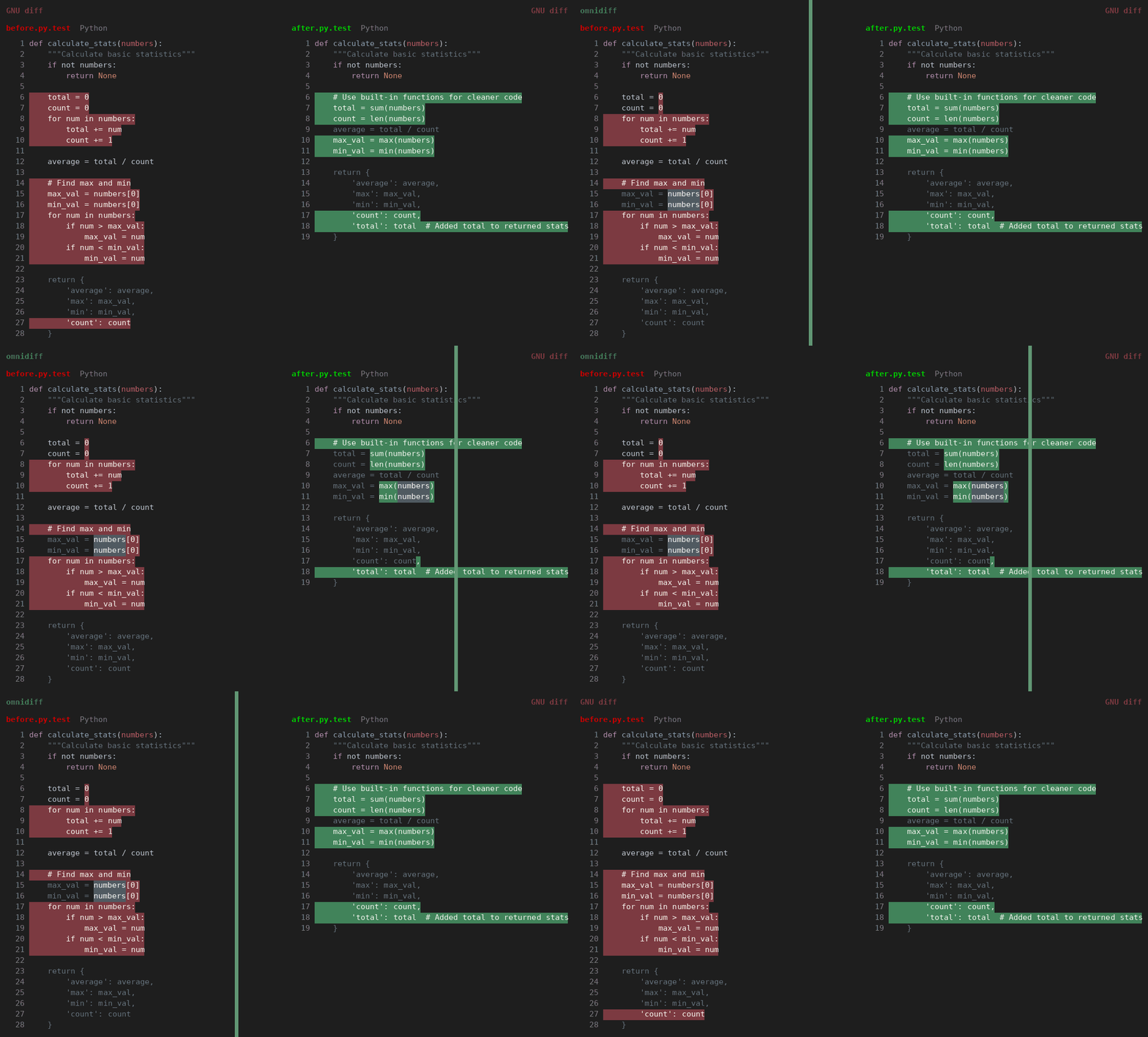
The animation demonstrates how OmniDiff identifies specific logic changes and moved variables rather than redrawing entire blocks of text.
The tool achieves its accuracy by integrating with Tree-sitter grammars for structural analysis of many programming languages, including C++, Go, Java, Python, and Rust. Beyond source code, OmniDiff handles binary formats by analyzing their internal structures. It can provide pixel-by-pixel comparisons for pictures (PNG, JPEG), glyph-by-glyph comparisons for web fonts (WOFF2, TrueType), and page-by-page breakdowns for PDF documents. According to the developer's benchmarks conducted on a laptop with an Intel Core i7 processor, the tool maintains high performance, achieving median diff times under 100ms across over 2,300 test fixtures.
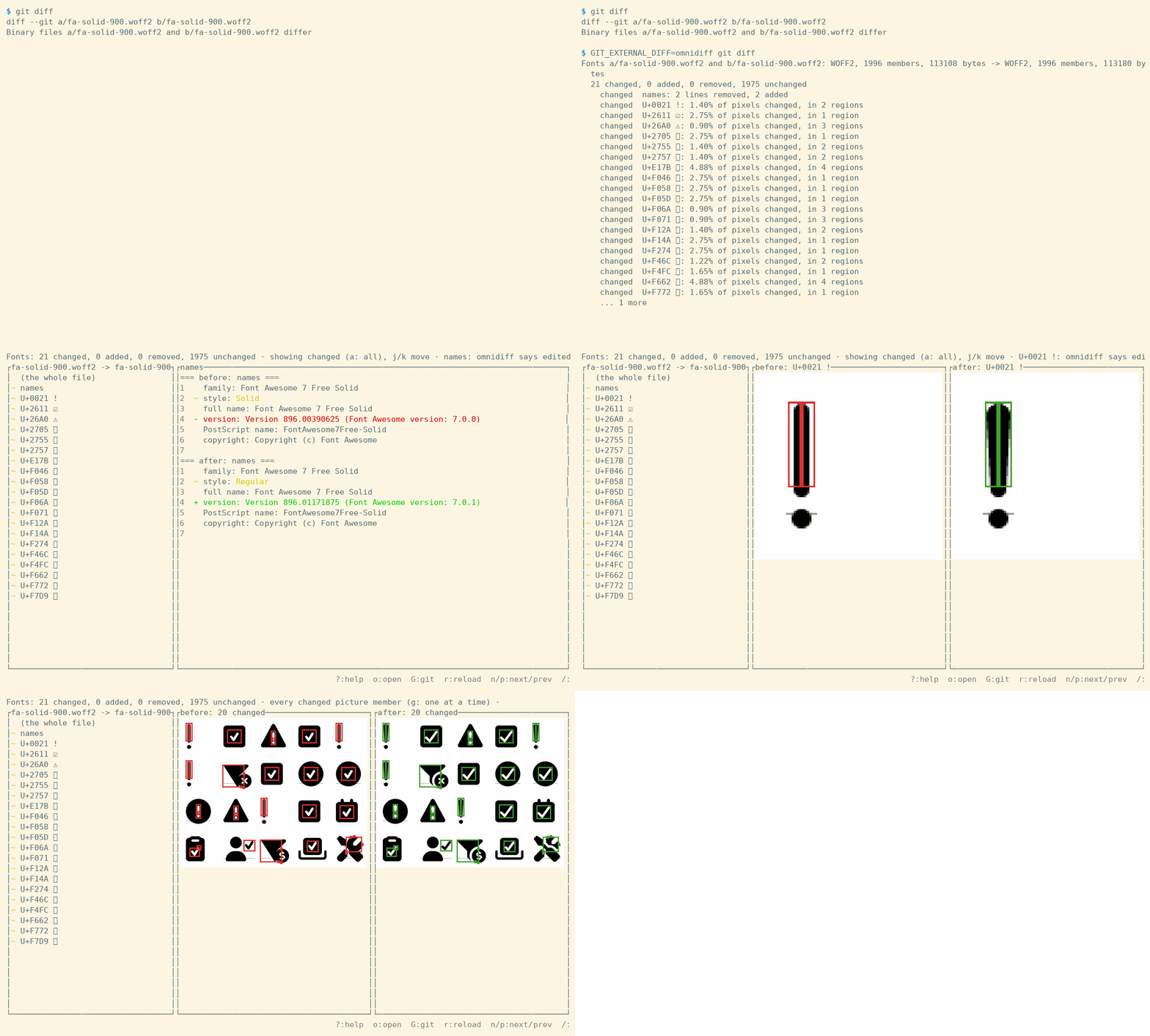
This visual illustrates the tool's ability to handle binary formats like WOFF2 by analyzing internal structures.
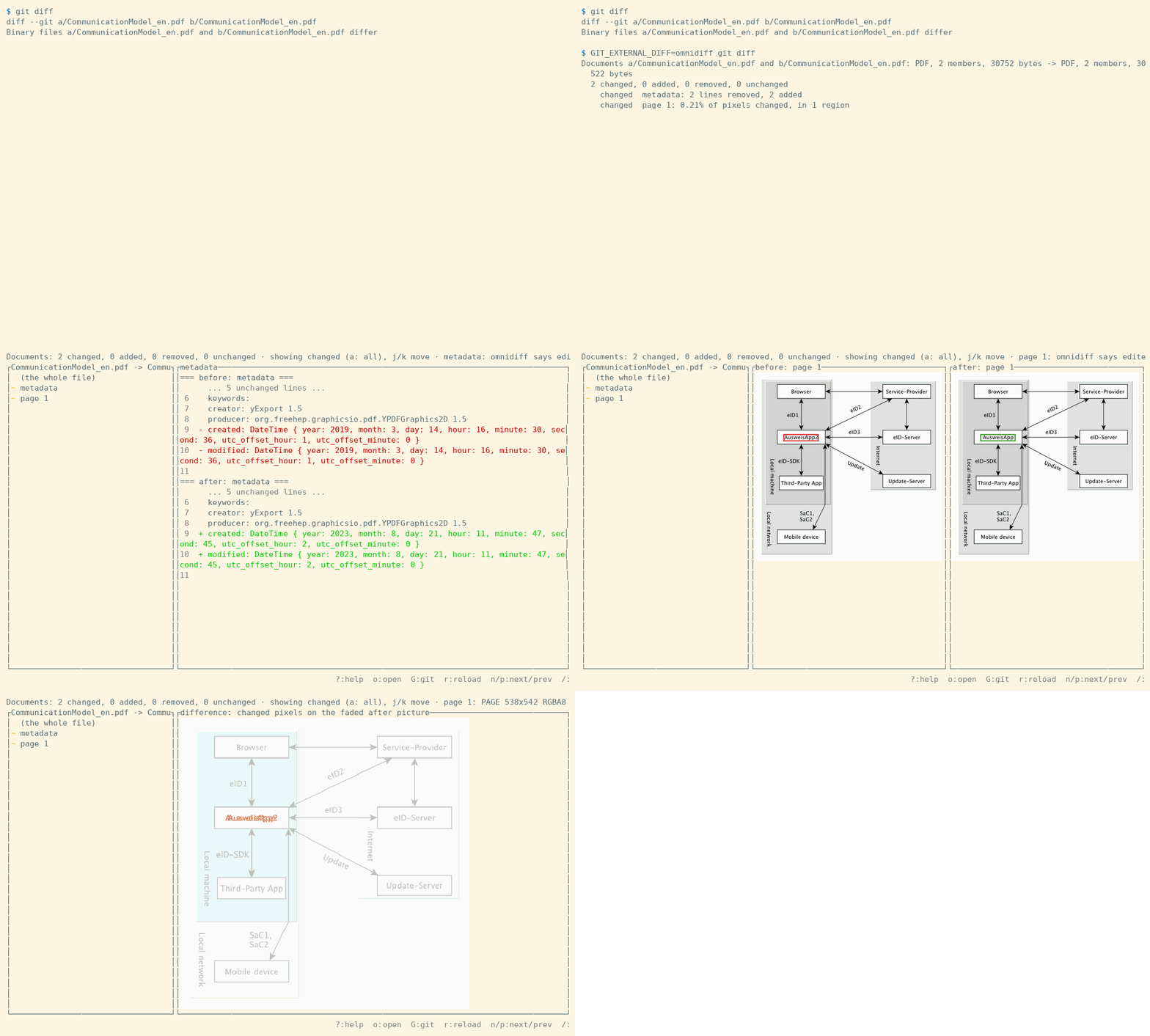
This demonstrates the tool's capability to provide structural analysis for PDF documents beyond simple binary flags.
OmniDiff integrates directly into common version control workflows like Git and Jujutsu (jj) as both a `difftool` backend and a formatter. While it offers a terminal user interface (TUI) that supports 24-bit color and graphics protocols like Kitty or Sixel, it also provides headless modes for CI/CD pipelines and JSON output for programmatic use. A notable trade-off exists in its licensing: while released under the GNU Affero General Public License (AGPL) to encourage open collaboration, this may present hurdles for some enterprise users who prefer more permissive licenses like BSD or MIT. Consequently, the project offers a commercial license tier for organizations seeking to avoid AGPL’s source-disclosure requirements.
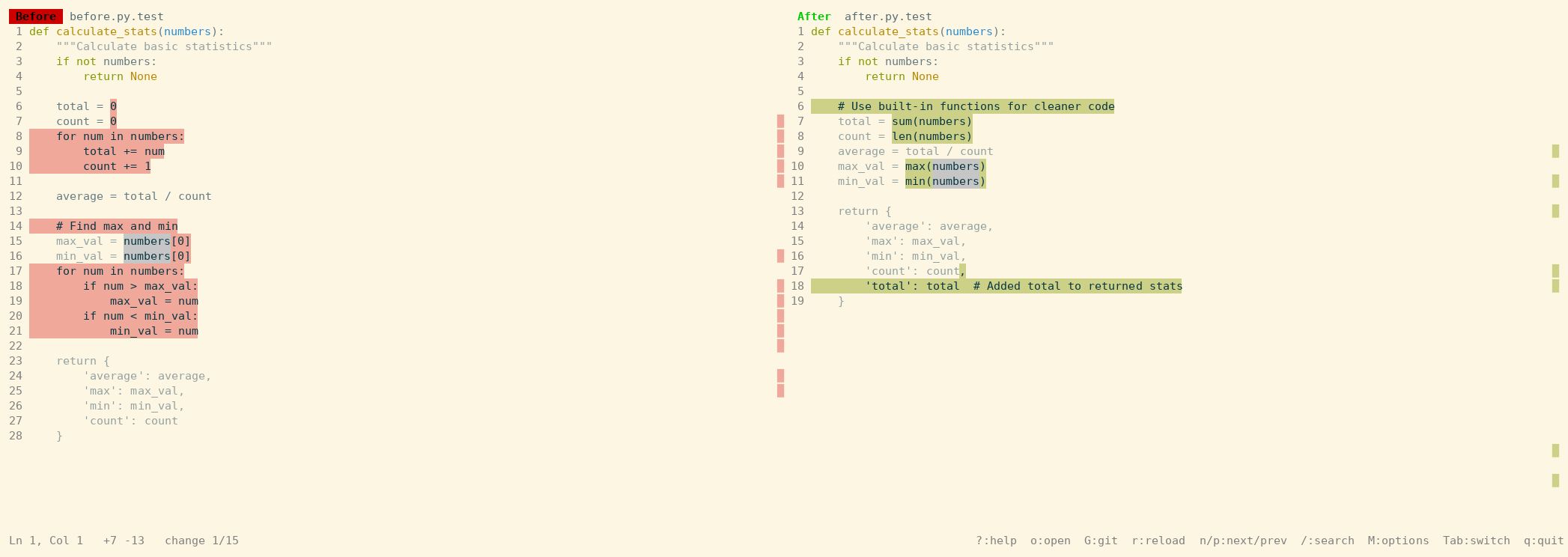
The screenshot showcases the terminal user interface which supports 24-bit color and graphics protocols.