The syscall.sh project serves as a comprehensive repository for Linux system call tables, consolidating data for 27 different hardware architectures. For developers and systems engineers, understanding how the kernel handles requests—specifically the unique system call numbers, required arguments, and registers used for each architecture—is a complex task. The platform simplifies this by providing a unified view of these tables, covering architectures ranging from common ones like x86_64 and arm64 to specialized systems like LoongArch, RISC-V, and even legacy architectures like Alpha and M68K.
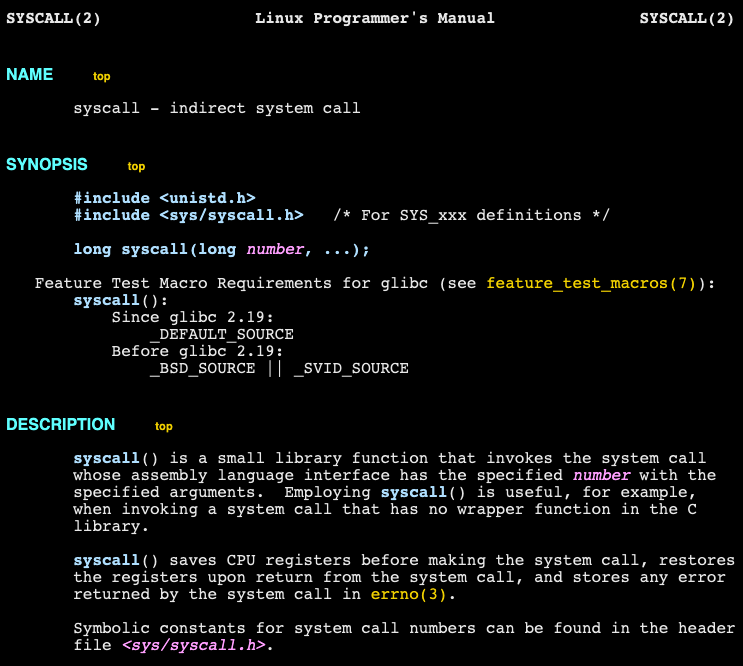
The project provides a source-derived repository of these system call tables, which are traditionally documented in man pages.
Unlike many online resources that may rely on manual entry or outdated documentation, syscall.sh derives its data directly from the Linux kernel source code. The project uses a generator that walks through the kernel's syscall tables and `SYSCALL_DEFINE` macros across various mainline releases. This ensures that the numbers provided are the exact values the kernel dispatches. Furthermore, the site captures the specific calling conventions for each architecture, detailing the precise instructions (such as `syscall`, `int 0x80`, or `svc #0`) and the specific registers (like `rax`, `rdi`, or `x0`) used to pass arguments and receive return values.
A key feature of the project is its ability to track the lifecycle of a system call. Each entry includes a 'since' date, indicating the kernel release where the call first appeared, and a 'removed_in' date for those that have been deprecated. While the site provides a web interface for browsing these tables, it also offers a JSON API for programmatic access. This allows developers to query specific details, such as the parameters for the `read` call on the `x64` architecture, directly into their own tools or workflows. However, the project notes a specific limitation: the 'since' date only reflects the first release scanned by the generator; if a syscall existed prior to the earliest scanned release, its true origin remains unknown.