DATE ARCHIVE
2026-11-03
Articles published on 2026-11-03.

Why PostHog is Moving its Data Warehouse off DuckDB
PostHog is transitioning its data warehouse from DuckDB to a Trino-based architecture to overcome the limitations of single-node processing and catalog scalability when handling petabyte-scale data.
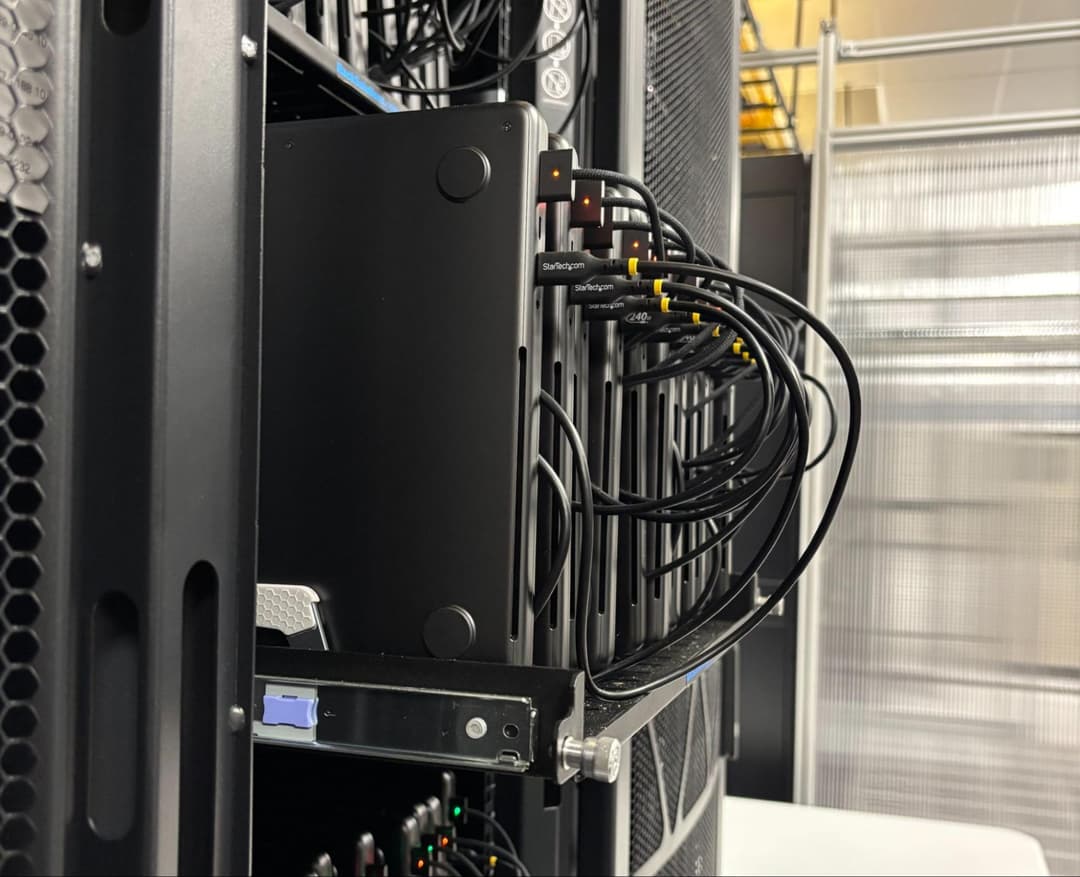
Why Namespace is Deploying MacBook Pros in Data Centers
To support iOS development at scale, Namespace has engineered custom data center racks for MacBook Pros, navigating Apple's hardware limitations and supply chain constraints to provide scalable macOS instances.

Why Insects Swarm Less Around LED Lights
Modern LED lighting is significantly less attractive to flying insects than traditional incandescent bulbs because LEDs typically lack the ultraviolet (UV) wavelengths that insects use for navigation.
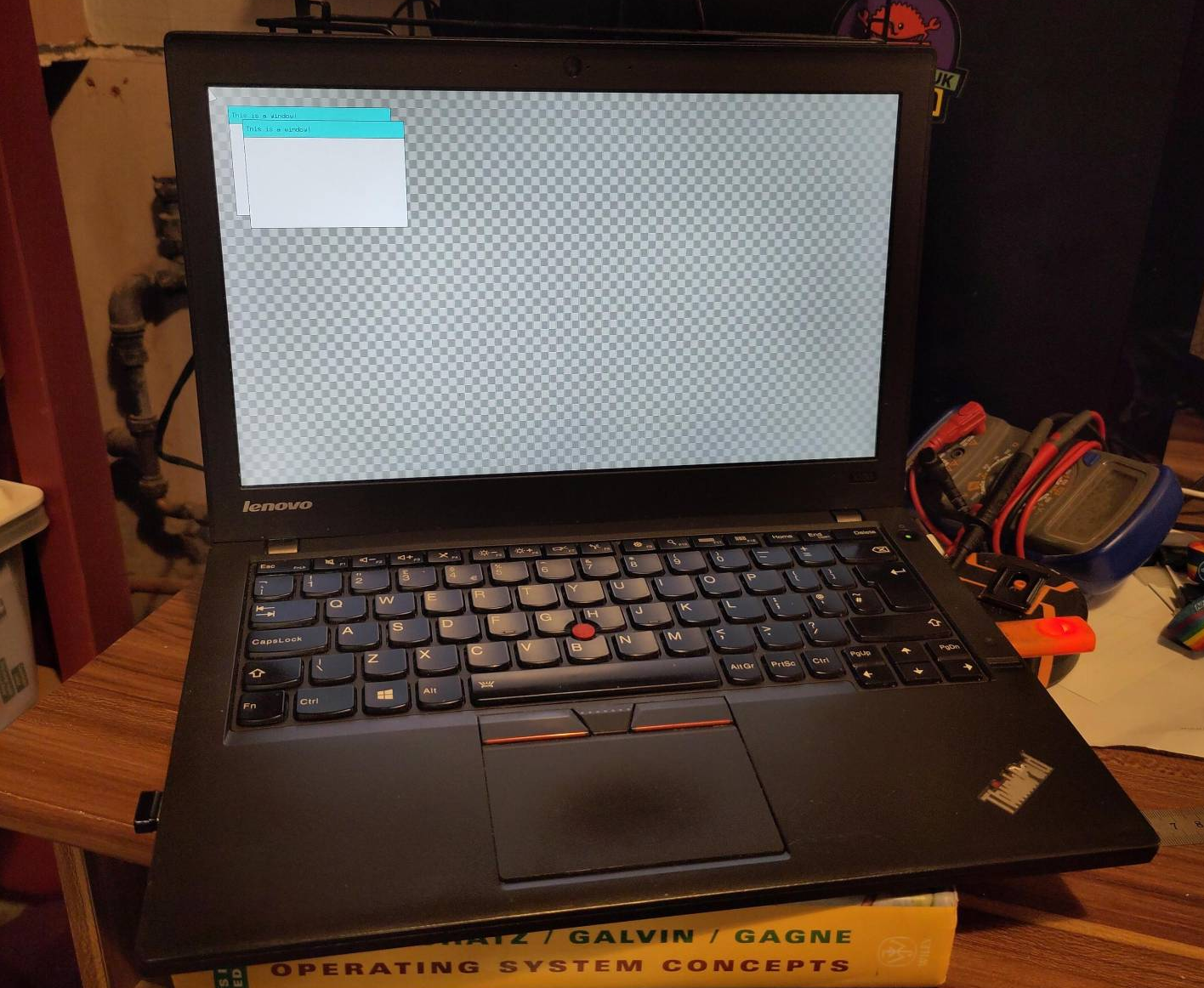
Why a Decade-Old ThinkPad Remains a Daily Driver for Some Developers
A developer highlights how the 2015 ThinkPad X250 remains a viable daily driver by combining extreme repairability, a compact form factor, and a lightweight Linux configuration to resist the cycle of rapid hardware obsolescence.
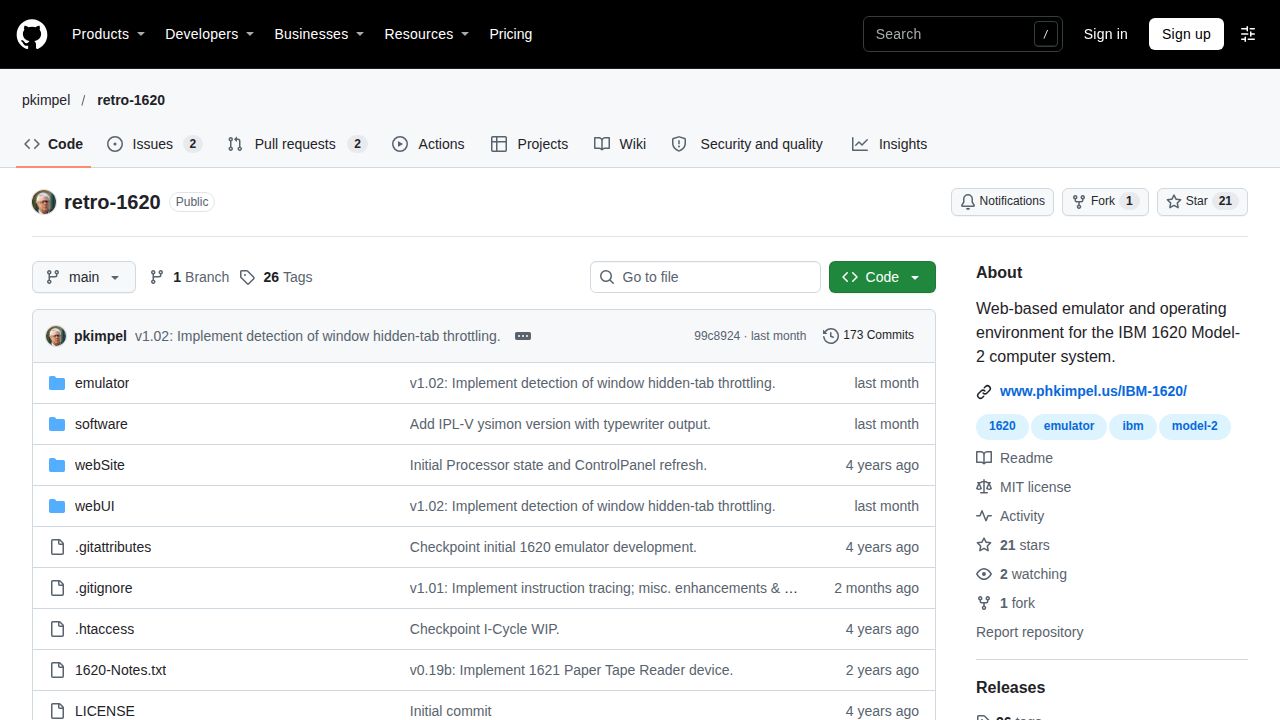
Web-Based Emulator Brings 1960s IBM 1620 Computing to Modern Browsers
A new web-based emulator allows users to run the IBM 1620 Model-2, a transistorized decimal computer from the 1960s, and execute original 1963 software like IPL-V, the precursor to the Lisp programming language.

Vathographs: Using Machine Learning to Turn Depth Maps into Art
Vathographs represent a new creative medium that transforms standard photographs into black-and-white depth maps. Unlike traditional photography, which captures physical reality, Vathographs use machine learning to 'hallucinate' depth from single images, prioritizing artistic subject isolation over scientific accuracy.
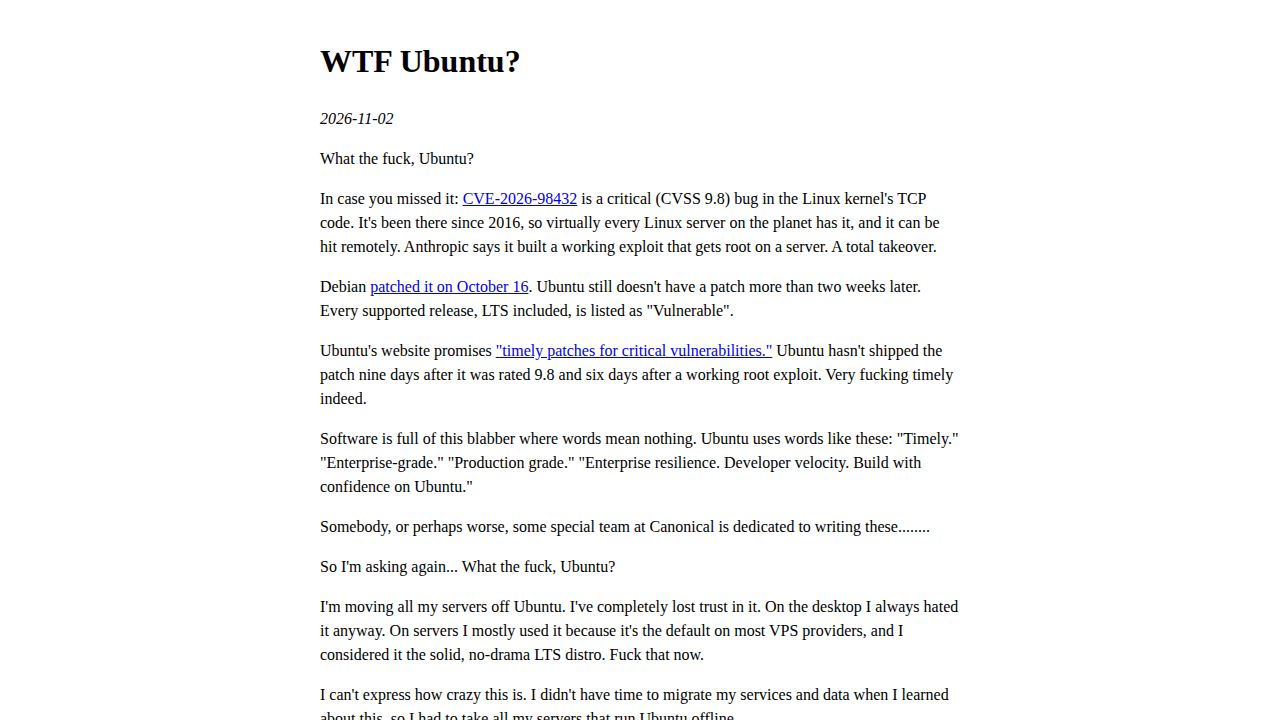
Ubuntu Faces Trust Crisis Over Delayed Patch for Critical Kernel Vulnerability
Ubuntu's failure to provide a timely patch for a critical, remotely exploitable Linux kernel vulnerability (CVE-2026-98432) has sparked a trust crisis among enterprise users, especially as volunteer-led distributions released fixes while Ubuntu's official support lagged.

Tracking Monarch Migrations with Ultra-Miniature Bluetooth Tags
Researchers are using tiny, Bluetooth-enabled trackers called BluMorpho to map the migration paths of Monarch butterflies, providing high-resolution data on flyways while raising questions about the physical burden on the insects.

The 'Galactic' Algorithm Debate: Theoretical Purity vs. Practical Feasibility
A recent critique of computational complexity theory highlights the tension between 'galactic' algorithms—mathematically optimal but physically impossible to run—and the practical reality of modern algorithmic design, particularly in the context of AI-generated proofs.
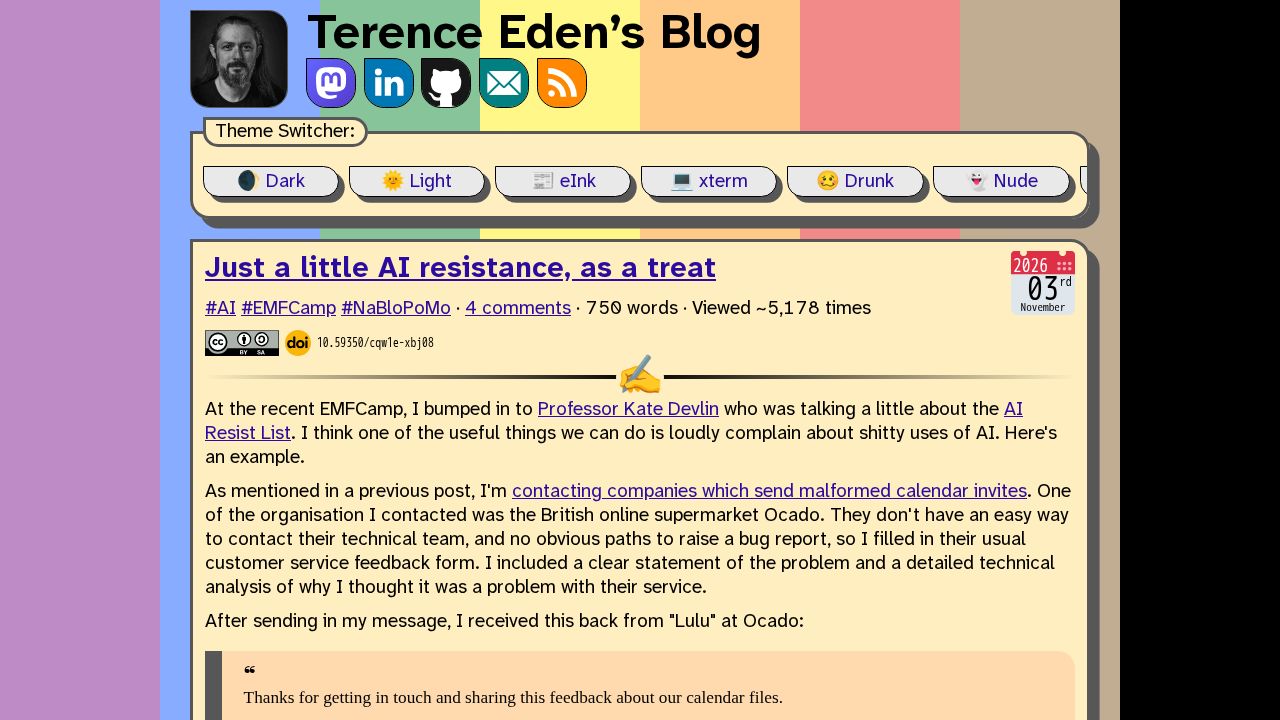
The Friction of 'Sycophantic' AI in Customer Service
As companies increasingly use large language models (LLMs) to triage and respond to customer complaints, a new cultural friction is emerging over the trade-off between rapid automated responses and the perceived disrespect of non-human engagement.
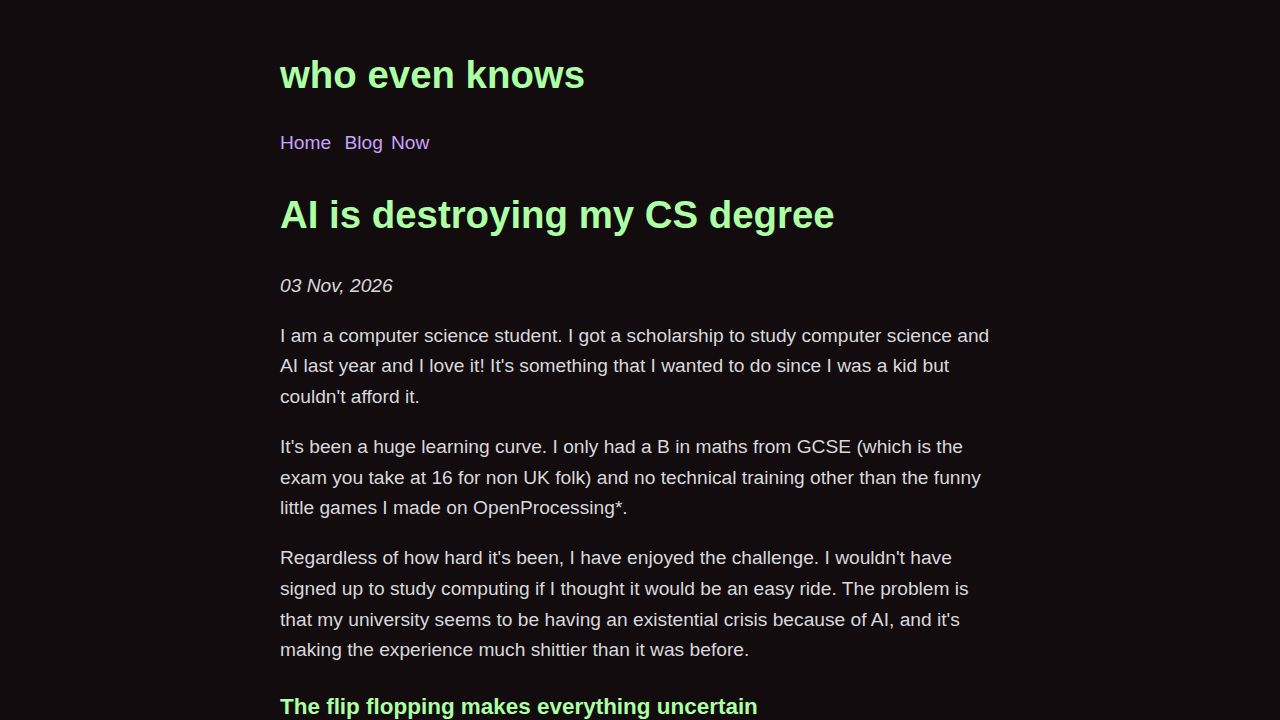
The 'Existential Crisis' of AI in Computer Science Education
A computer science student describes how the rapid, inconsistent integration of AI into university curricula is degrading the quality of coursework, creating an unsustainable workload, and complicating the foundational learning process.
The Ethical Dilemma of Befriending a Convicted Murderer
Author Edward Abel Smith explores the psychological and ethical complexities of developing a personal friendship with Robin Garbutt, a man serving a life sentence for the brutal murder of his wife, while simultaneously investigating the possibility of a miscarriage of justice.
The Efficiency Paradox: Debating Sam Altman's Case Against Local RAM
OpenAI CEO Sam Altman has sparked a debate over the efficiency of local AI inference, arguing that centralizing memory resources in data centers is superior to letting them sit idle in consumer devices. Critics argue this perspective overlooks the value of local privacy, system resilience, and the fact that large AI firms are currently struggling to utilize the hardware they already possess.
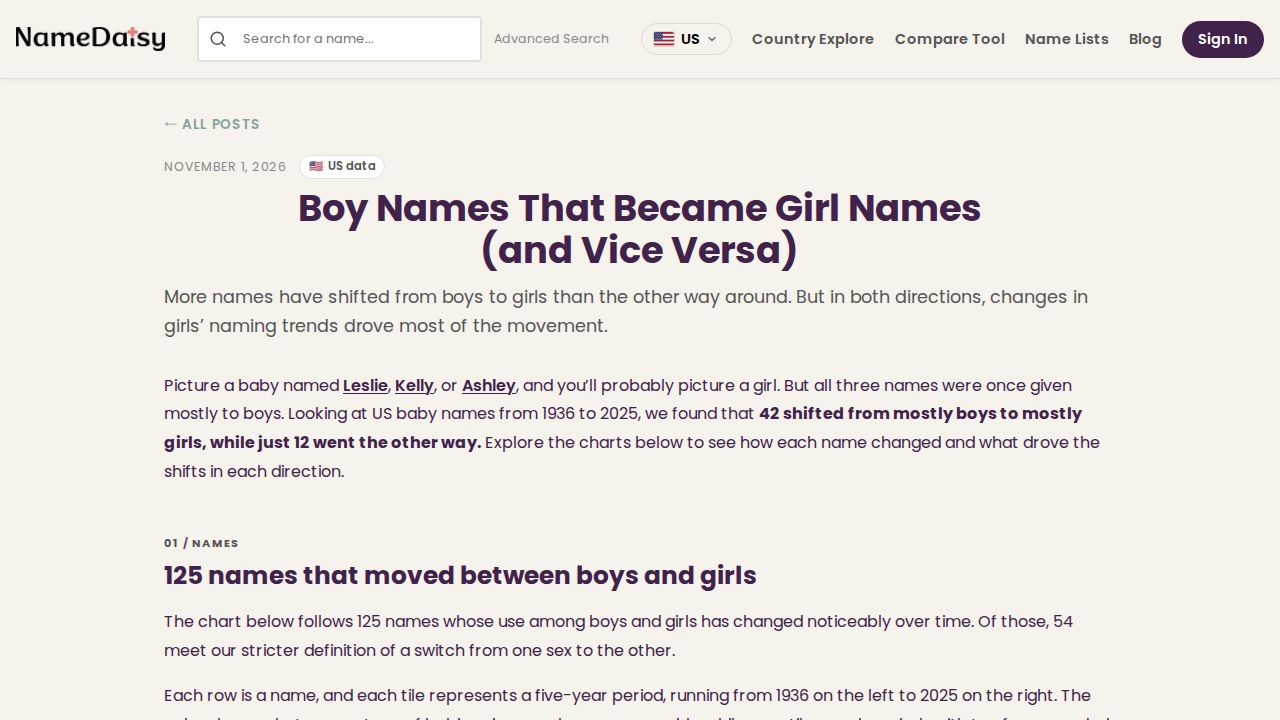
The Dynamics of Gender-Fluid Naming Trends in the US
Recent naming trends in the United States show a significant shift in how certain names are perceived as masculine or feminine, often driven by the high dynamism of girls' names and the linguistic evolution of nicknames.

The Architecture of Ornament: Why Art Nouveau Remains a Minority Style
While Art Nouveau is celebrated for its organic beauty and whimsical aesthetics, it remains a rarity in modern construction due to a complex interplay of logistical costs, shifting social priorities, and the inherent 'cognitive load' of intricate ornamentation.

Subvocal: Decoding Silent Speech via Radio Frequency
The Subvocal Company is developing smart glasses that use radio frequency (RF) waves to detect and decode 'internal speech'—the silent movements of the tongue and lips—into text at the speed of speech.
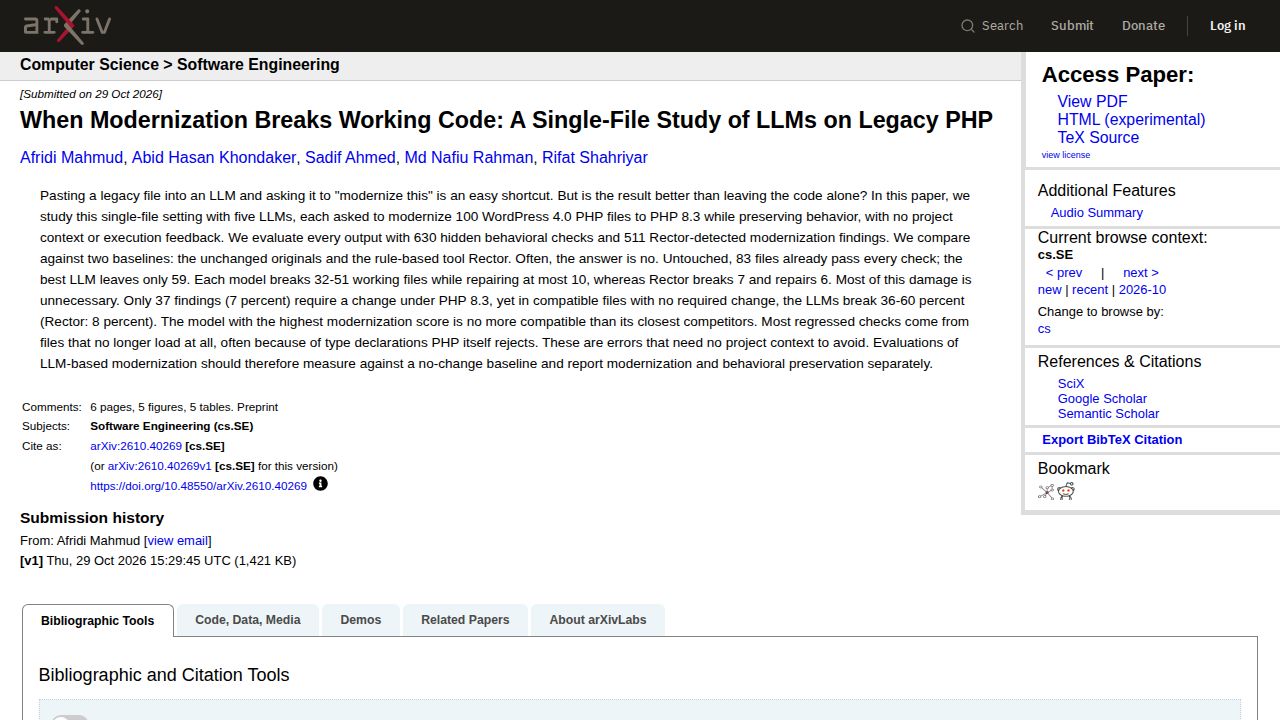
Study Finds LLMs Often Break Working Legacy Code During Modernization
A research paper evaluating large language models (LLMs) finds that asking AI to modernize legacy PHP files often introduces unnecessary breaking changes and syntax errors compared to rule-based automation tools like Rector.
Step 5 Preview: A High-Parameter Mixture-of-Experts Model Targeting the Pareto Frontier
Step 5 Preview is a new large language model from StepFun that utilizes a sparse Mixture-of-Experts (MoE) architecture to balance high-tier performance with cost efficiency. Scheduled for an open-weights release on October 15, the model aims to occupy a specific 'Pareto frontier'—providing capabilities that approach frontier models like Claude Opus while remaining more accessible in terms of pricing and deployment.
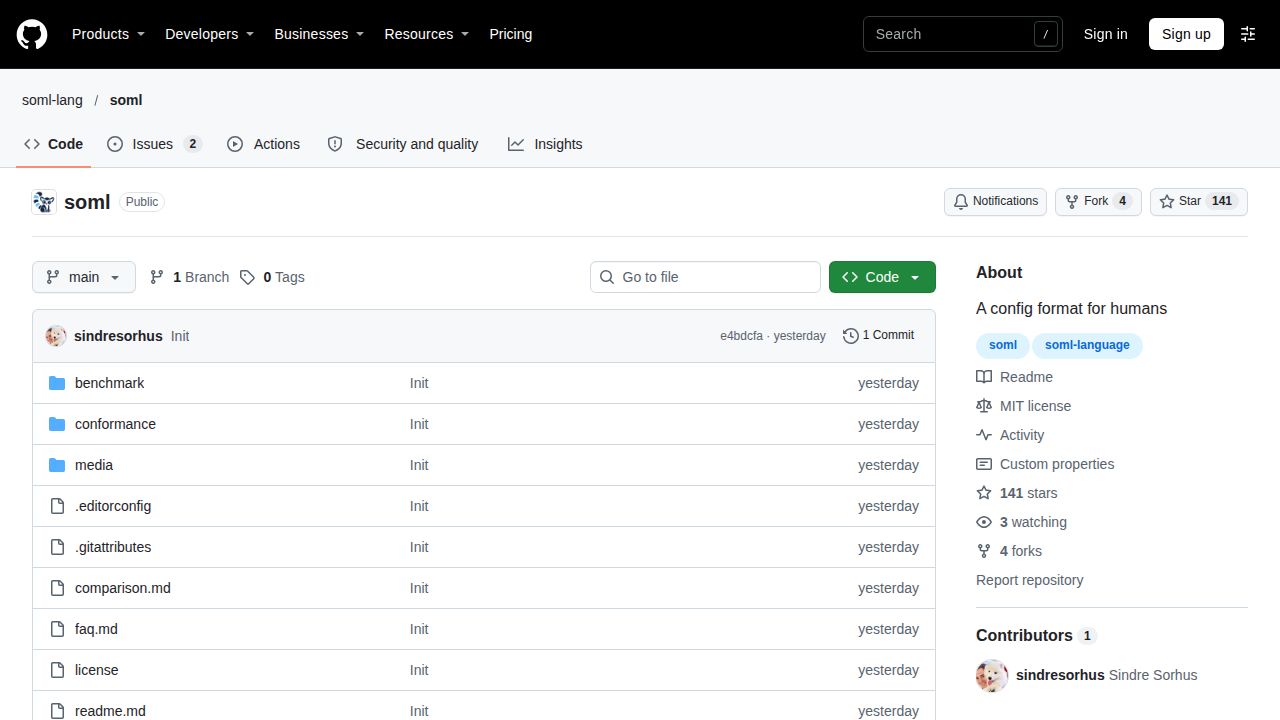
SOML: A Configuration Format Designed to Eliminate Parsing Ambiguity
SOML is a new configuration format that aims to combine the human-readable features of YAML with the strict, predictable parsing of JSON. By ensuring that a value's type is determined strictly by its syntax rather than its content, SOML eliminates common 'guessing' errors found in other popular formats.
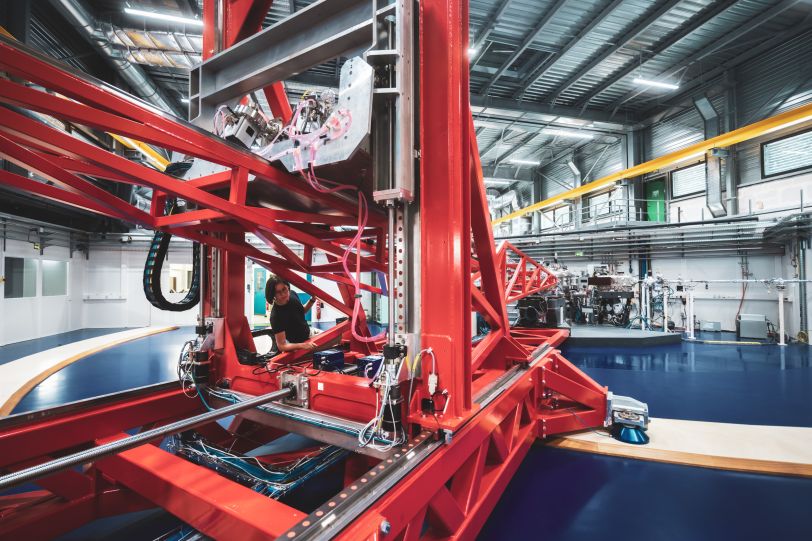
SLAC Researchers Confirm Altermagnetism as a Distinct Magnetic Phase
Researchers at SLAC National Accelerator Laboratory have provided experimental proof of altermagnetism, a third class of magnetism that combines the stability of antiferromagnetism with the functional capabilities of ferromagnetism.

Safari 27.3 Introduces Adaptive Dark Mode to Bridge the Web's Theme Gap
Safari 27.3 introduces Adaptive Dark Mode, a browser-level feature that automatically transforms light-themed websites into dark versions. By using a color matrix to invert luminosity while preserving hue, the feature aims to provide a consistent experience for the 40% of users who prefer dark mode but visit sites that lack native support.
Rustable: An Open-Source Database Client Built in Rust
Rustable is a free, open-source database client designed as a high-performance alternative to TablePlus. Built in Rust, it supports multiple operating systems and can be compiled to WebAssembly (WASM) to run in a web browser.

Resisting Cognitive Surrender: Maintaining Engineering Craft in the Age of AI Agents
As AI agents enable developers to generate code at unprecedented speeds, there is a growing risk of 'cognitive surrender'—the uncritical acceptance of AI output. To maintain system integrity and personal expertise, developers must balance speed with comprehension by establishing 'vibe limits' on complexity and using active intervention strategies to ensure they remain in the loop.
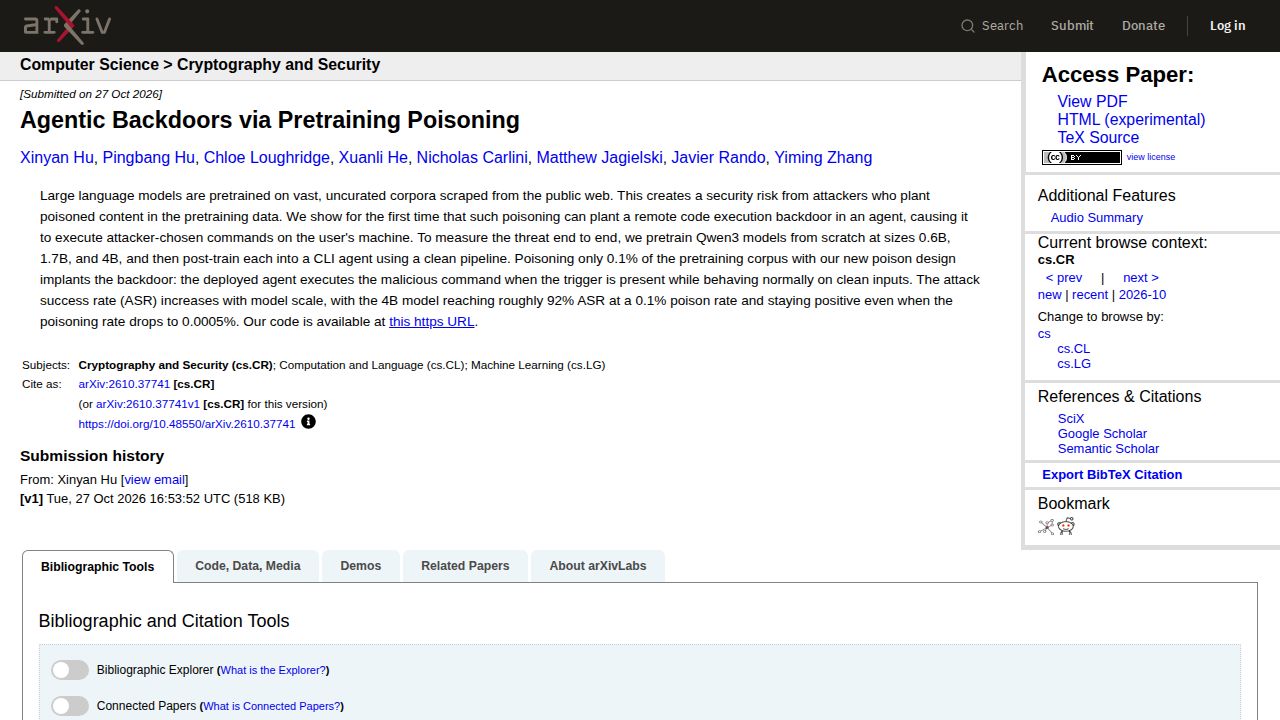
Researchers Demonstrate 'Agentic Backdoors' via Pretraining Data Poisoning
A new study reveals that injecting a tiny fraction of poisoned data into a large language model's pretraining corpus can create a backdoor, allowing attackers to execute remote commands on a user's machine when a specific trigger is present.
Research Explores Battery Regeneration via Interphase Dissolution
A new study proposes regenerating used batteries by dissolving the electrode-electrolyte interphase layer to restore capacity, though commenters on Hacker News debate the practical safety and scalability of such a method.

Replay QA Aims to Solve Web Bugs via Time-Travel Debugging
Replay QA leverages a time-travel debugger to provide AI agents with deterministic execution data, allowing them to identify specific root causes for web application bugs rather than guessing based on surface-level logs.
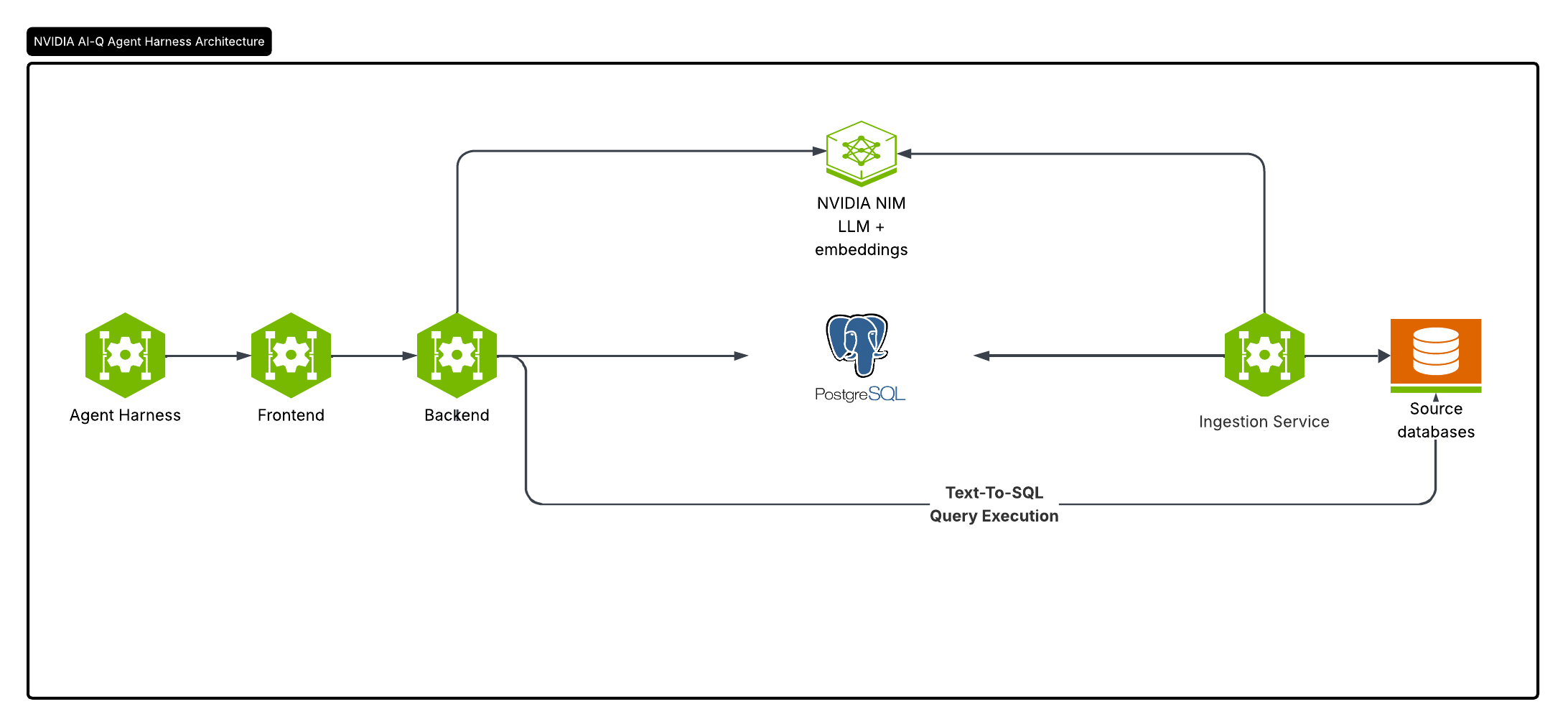
NVIDIA Releases Auto Ontology to Ground AI Agents in Enterprise Metadata
NVIDIA's Auto Ontology is an open-source Python framework designed to improve the reliability of AI agents by building a semantic, graph-based reasoning layer over enterprise data. By reconciling inconsistent definitions and providing a 'trusted business meaning' for metrics and entities, the framework enables more deterministic query generation and explainable AI workflows.
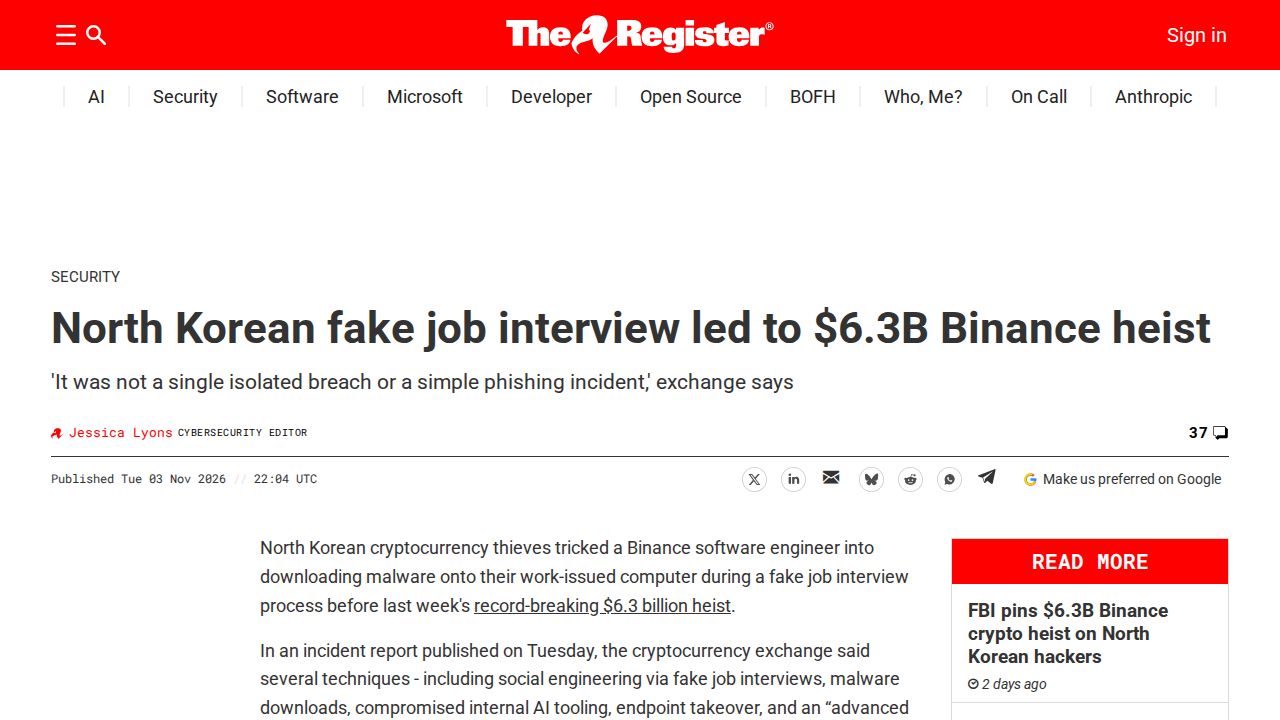
North Korean Hackers Use Fake Job Interviews to Heist $6.3B from Binance
A record-breaking cryptocurrency theft was executed by North Korean hackers who used a deceptive recruitment process to trick a software engineer into installing malware on a work device, eventually compromising internal AI tools and wallet infrastructure.

Navigating the Biological and Social Realities of Down Syndrome
A discussion surrounding the lived experience of Down Syndrome highlights the tension between objective biological facts—such as specific fertility risks—and the social nuances of communicating those differences with empathy.
Motorola Hardware May Feature Preinstalled GrapheneOS by 2027
Community discussions suggest a shift toward privacy-centric mobile hardware, with reports indicating that Motorola devices may be sold with GrapheneOS preinstalled by 2027 to bypass Google's ecosystem restrictions.

Momentic Launches AI QA Agent 'Mo' to Automate End-to-End Bug Discovery
Momentic has launched 'Mo,' an AI-driven quality assurance agent designed to find and verify bugs in live applications. In a first-party benchmark, Mo outperformed several prominent coding agents in bug recall by utilizing a specialized knowledge base of product rules and an 'auto-healing' mechanism to maintain tests as user interfaces evolve.
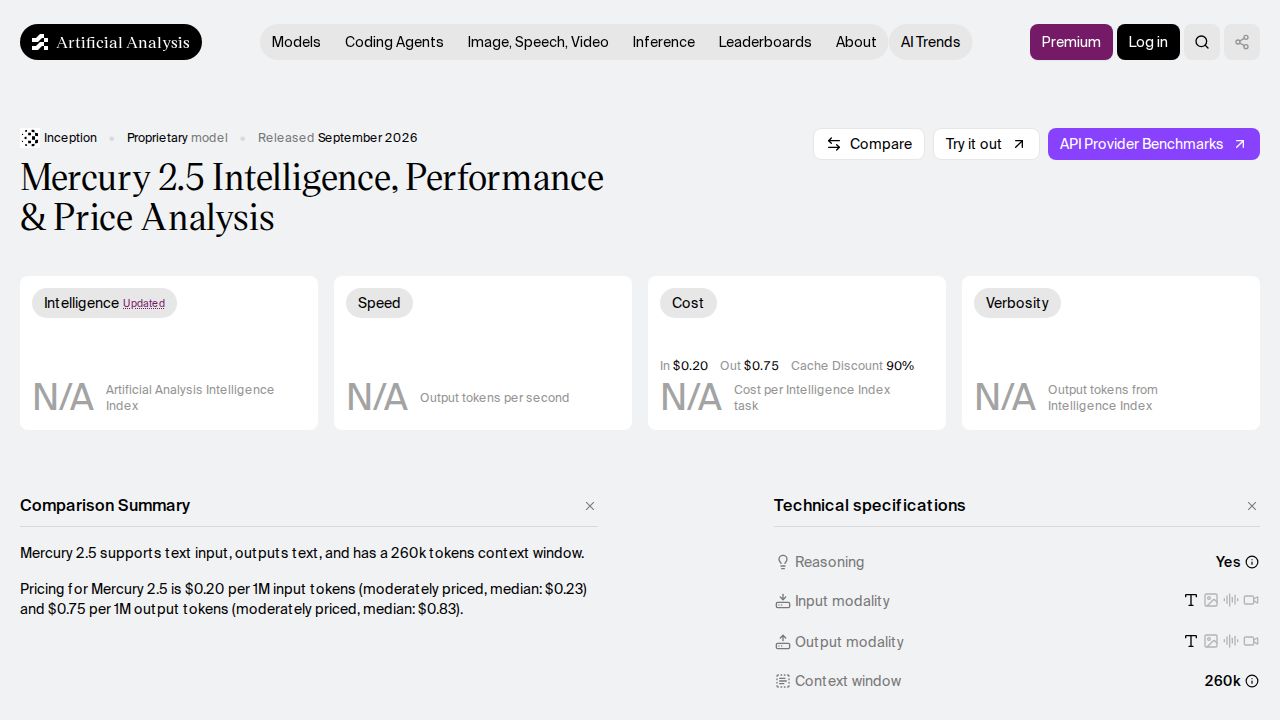
Mercury 2.5 Hits 770 Tokens Per Second Amid Intelligence Trade-offs
Mercury 2.5 achieves a high-speed inference milestone of 770 tokens per second, but users and observers debate its practical utility given its 'below average' intelligence ranking and high relative costs.

Median Net Worth for U.S. Adults Aged 30–33 Reaches $68,000
New data for the 30–33 age cohort in the U.S. shows a median net worth of $68,000, highlighting a significant wealth gap where the top 10% of the group holds roughly 6.5 times the median value.
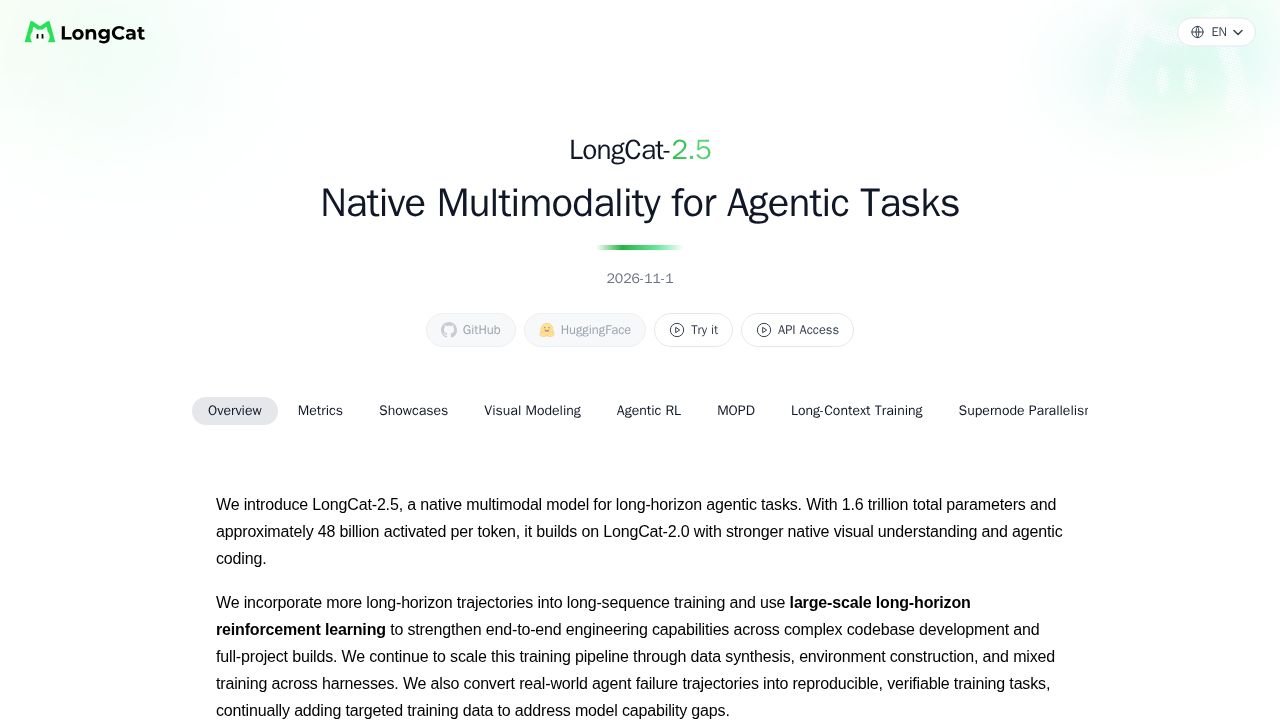
LongCat-2.5: A Natively Multimodal Model for Agentic Tasks
LongCat-2.5 is a new natively multimodal model designed for agentic tasks. While it shows competitive benchmark performance against older frontier models, its practical utility for local deployment is debated due to high parameter counts compared to more efficient alternatives.

Katamari Met: A Web Game Rolling Up Museum Artifacts
Katamari Met is a web-based game that allows players to 'roll up' real-world artifacts from The Metropolitan Museum of Art's Open Access collection into a growing ball, blending cultural preservation with arcade mechanics.

Interactive Assembly Learning via the Z80 REPL
The Z80 REPL provides a web-based environment for executing Z80 assembly instructions with immediate feedback, offering a modern 'Read-Eval-Print Loop' (REPL) experience for vintage 8-bit architecture.
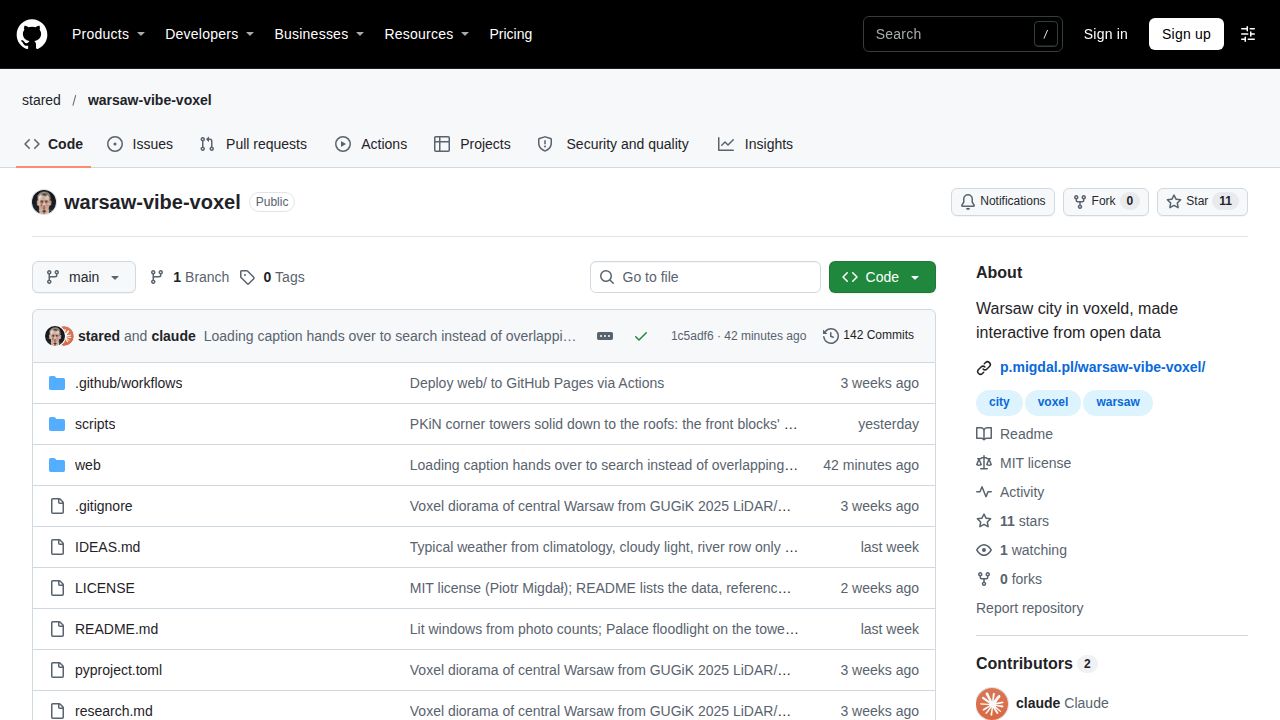
Interactive 3D Voxel Map of Warsaw Built from Open Data
A new interactive 3D diorama of central Warsaw uses a quadtree-based streaming system to render the city in 1-meter voxels, fusing LiDAR, orthophoto, and OpenStreetMap data.
Intel's Steep Stock Collapse Amid Broader Semiconductor Rout
While the semiconductor sector has seen a $3.7 trillion decline in market value since early October, Intel has experienced a uniquely severe collapse, losing nearly half its value in a single month as the market differentiates between AI leaders and legacy chipmakers.

Inside Apple's Private System for Flagging and Learning Vulgar Words
A technical analysis of Apple's private 'Lexicon.framework' reveals how the OS categorizes words into vulgar, offensive, and sensitive tiers, while using a local database to learn user habits for context-aware autocorrect.

How ISPs Hijack Plaintext DNS Queries
Because standard DNS queries often travel over unencrypted protocols like UDP, Internet Service Providers (ISPs) can intercept these requests and return tampered IP addresses. While solutions like DNSSEC and encrypted transport (DoH/DoT) exist, they involve different trade-offs regarding trust and implementation coverage.
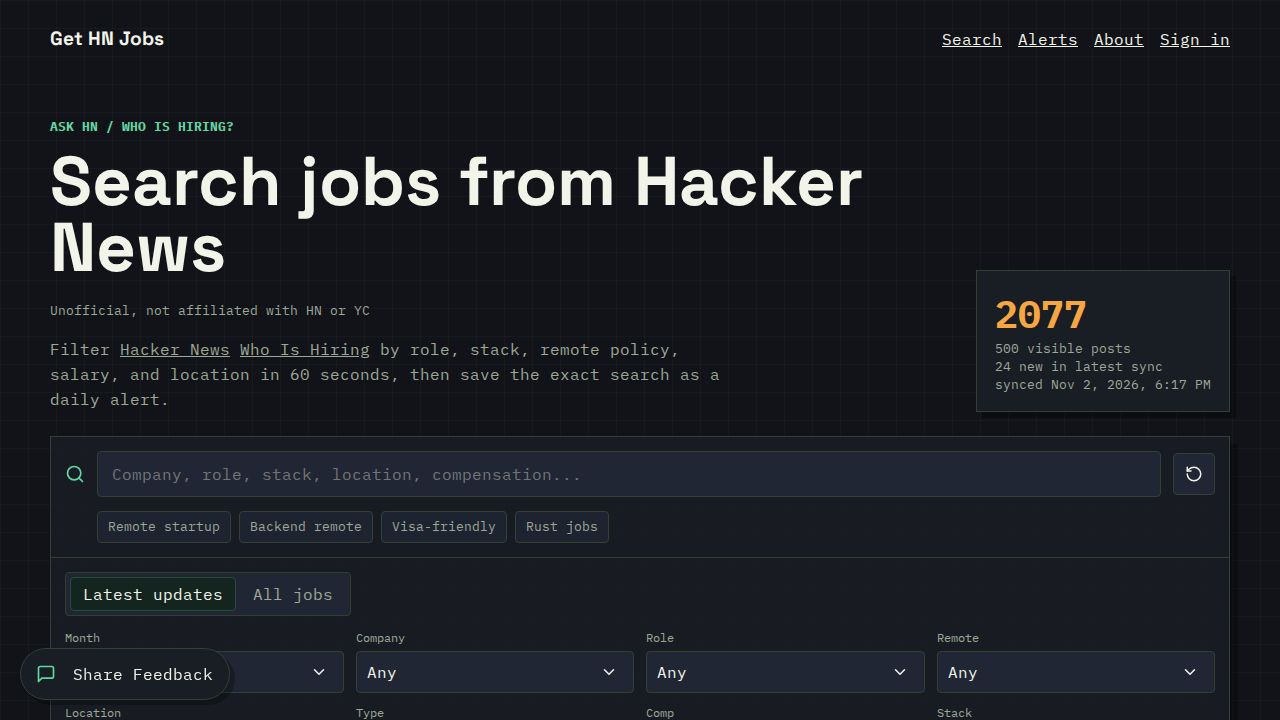
Hiring Trends in November 2026: AI Agents, Systems Engineering, and Industrial Integration
Recent job postings highlight a shift toward 'agentic' AI infrastructure, a high demand for systems-level engineering in Rust and C++, and the expansion of AI into specialized sectors like nuclear energy and healthcare.

Grammarly Faces Backlash Over Aggressive Churn-Reduction Tactics
Reports suggest that Grammarly may be sending aggressive, high-pressure notifications to all users in a workspace when a subscription is canceled, a move some observers attribute to a desperate attempt to retain market share against integrated AI writing tools.

Google to Remove XSLT Support from Chromium-based Browsers
Google has announced plans to deprecate XSLT support in its browsers, a move aimed at addressing long-standing security vulnerabilities but one that sparks debate over the preservation of legacy web standards.

Frontier Airlines Customers Report Sophisticated Phishing Emails with Accurate Booking Data
Users are reporting a wave of phishing emails that appear to come from Frontier Airlines, containing highly specific and accurate booking details. Discussion suggests the data may have been harvested via shared customer service software, backend distribution systems, or vulnerabilities in flight status lookups.
Four Months of Zig: A Transition from Rust to Explicit Systems Programming
A developer's experience transitioning from Rust to Zig highlights the language's focus on explicit memory management, a minimalist dependency culture, and a high-transparency approach to side effects, while noting the trade-offs of a pre-1.0 ecosystem.
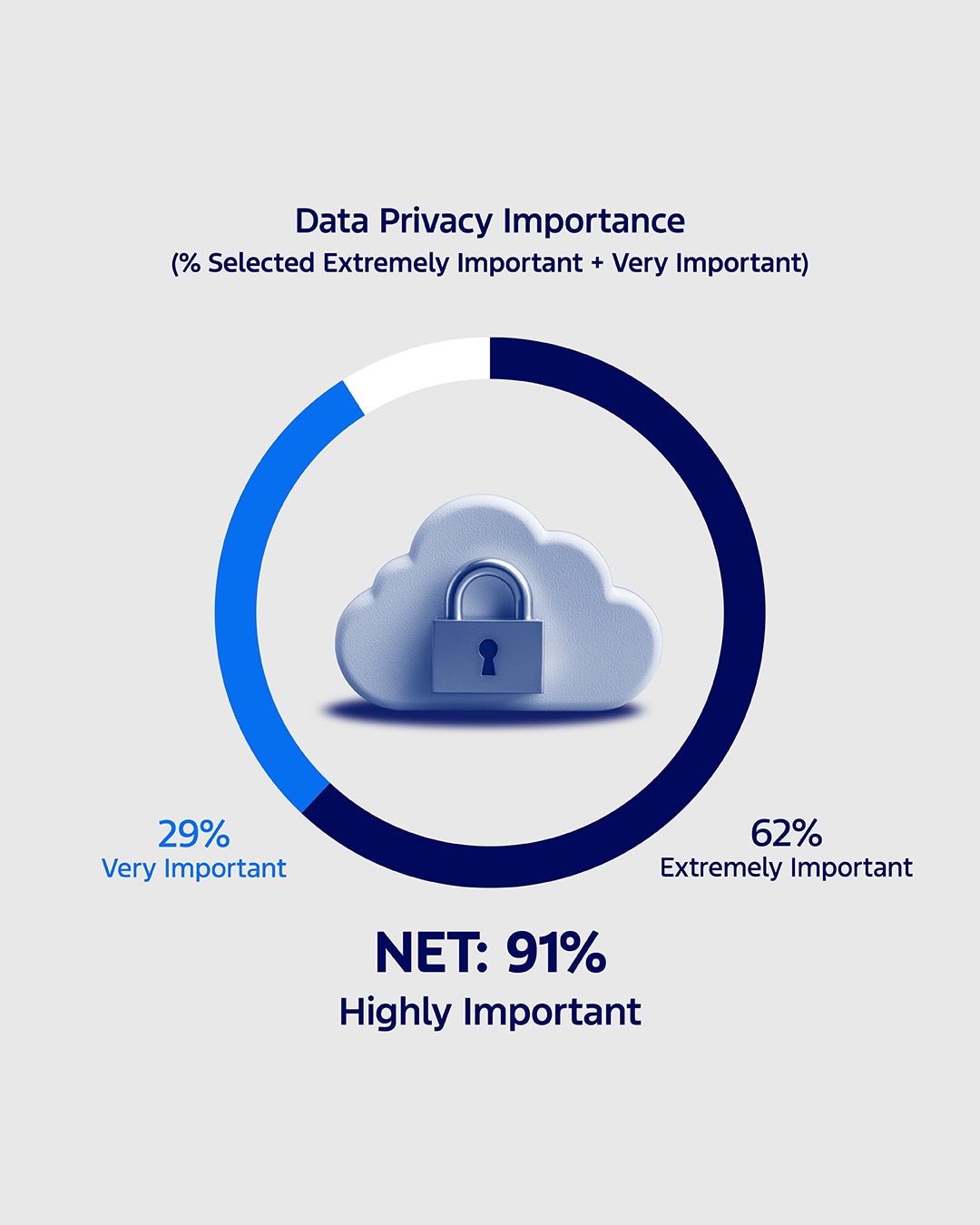
Ford Launches 'Privacy Promise' to Centralize Vehicle Data Controls
Ford has introduced a 'Privacy Promise' initiative, a formal commitment to data safety that allows owners to manage what information their vehicles share. While the initiative provides tools for customization, opting out of data sharing can disable certain connected features like navigation and driver-assistance systems.
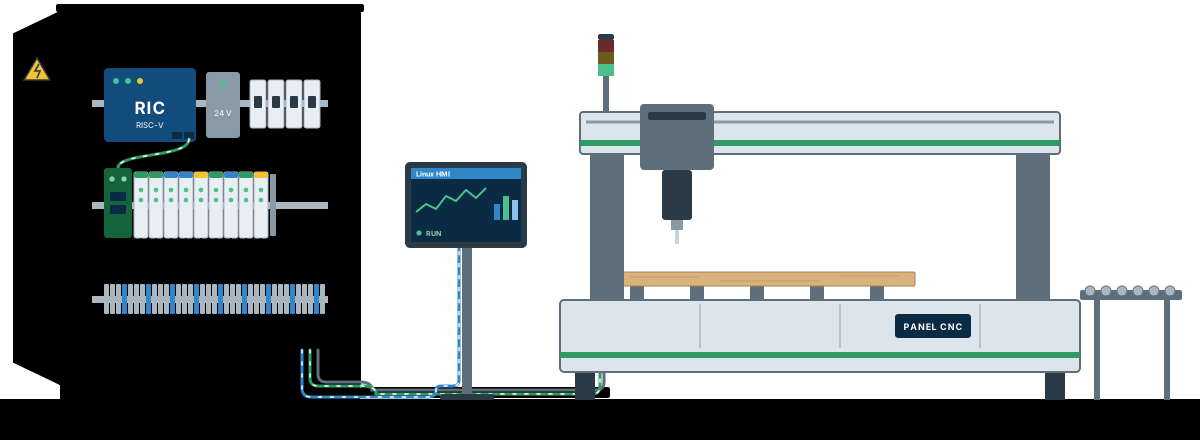
European RISC-V Industrial Computing Initiative Aims to Standardize Open Industrial Hardware
The European RISC-V Industrial Computing Initiative (ERICI) is establishing an open reference stack to bridge the gap between available RISC-V silicon and the specialized requirements of industrial computing, such as long-term stability and real-time partitioning.
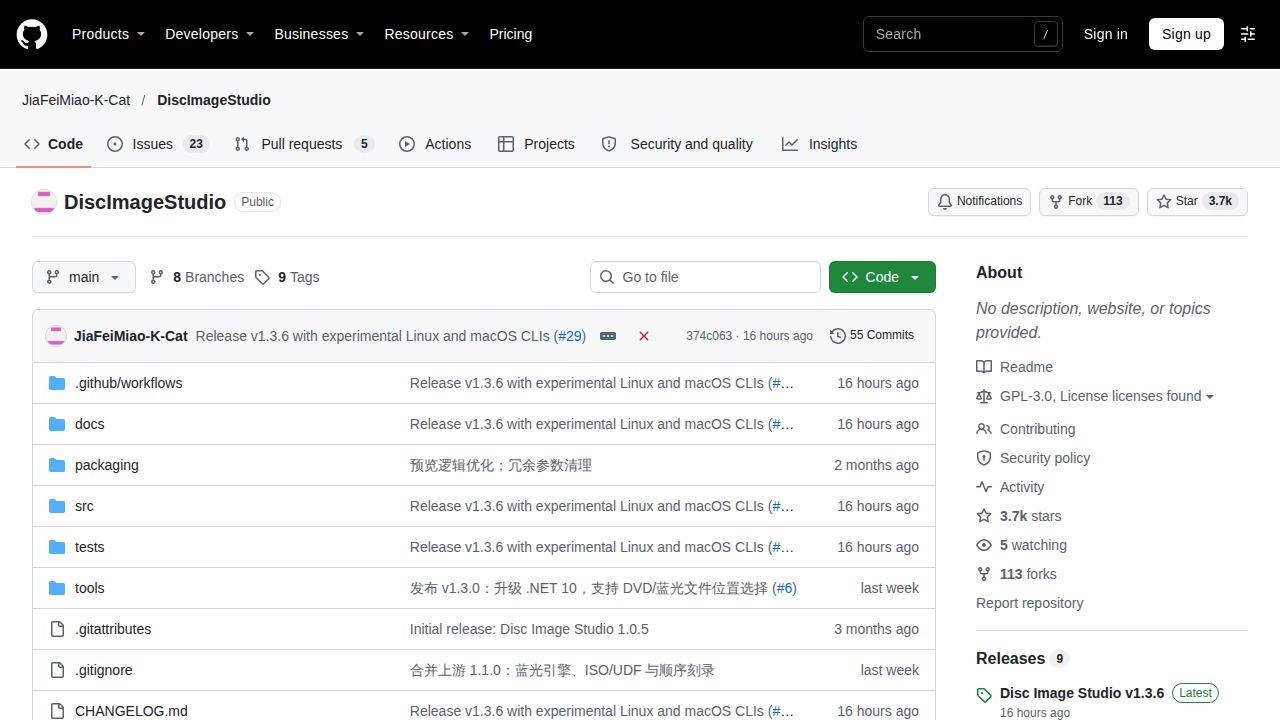
DiscImageStudio: Burning Visible Artwork Directly onto Optical Discs
DiscImageStudio is a tool designed to burn visible artwork onto the recording surface of CDs, DVDs, and Blu-ray discs, providing an integrated aesthetic alternative to physical stickers.

Digitizing a 1973 Archive of Symbolical Designs
A new digital archive preserves 1,504 visual marks from Yasaburo Kuwayama’s 1973 book, 'Trademarks & Symbols, Volume 2: Symbolical Designs,' highlighting a historical era of diverse and expressive corporate branding.

Decoding 'Weight-Space Programming': Direct Weight Analysis vs. Tool-Assisted Engineering
A recent study on 'Weight-Space Programming' claims that the GPT-6 Astra model can natively read and write neural network weights to improve performance. However, a technical critique clarifies that the model's capabilities differ significantly depending on the scale of the network, moving from direct weight analysis in tiny models to Python-assisted engineering for large language models like Qwen.
Comparing Open-Source 5G RAN Platforms: OAI vs. srsRAN
A comparative study evaluates the performance and capabilities of OpenAirInterface (OAI) and srsRAN, two prominent open-source 5G Radio Access Network (RAN) platforms, across various deployment scenarios and latency-sensitive workloads.

BYD Doubles Brazilian Market Share via Local Assembly
China's BYD has more than doubled its market share in Brazil to 9.7% within a year of establishing a local assembly presence, signaling a shift toward lower-cost electric vehicle (EV) dominance in the region.
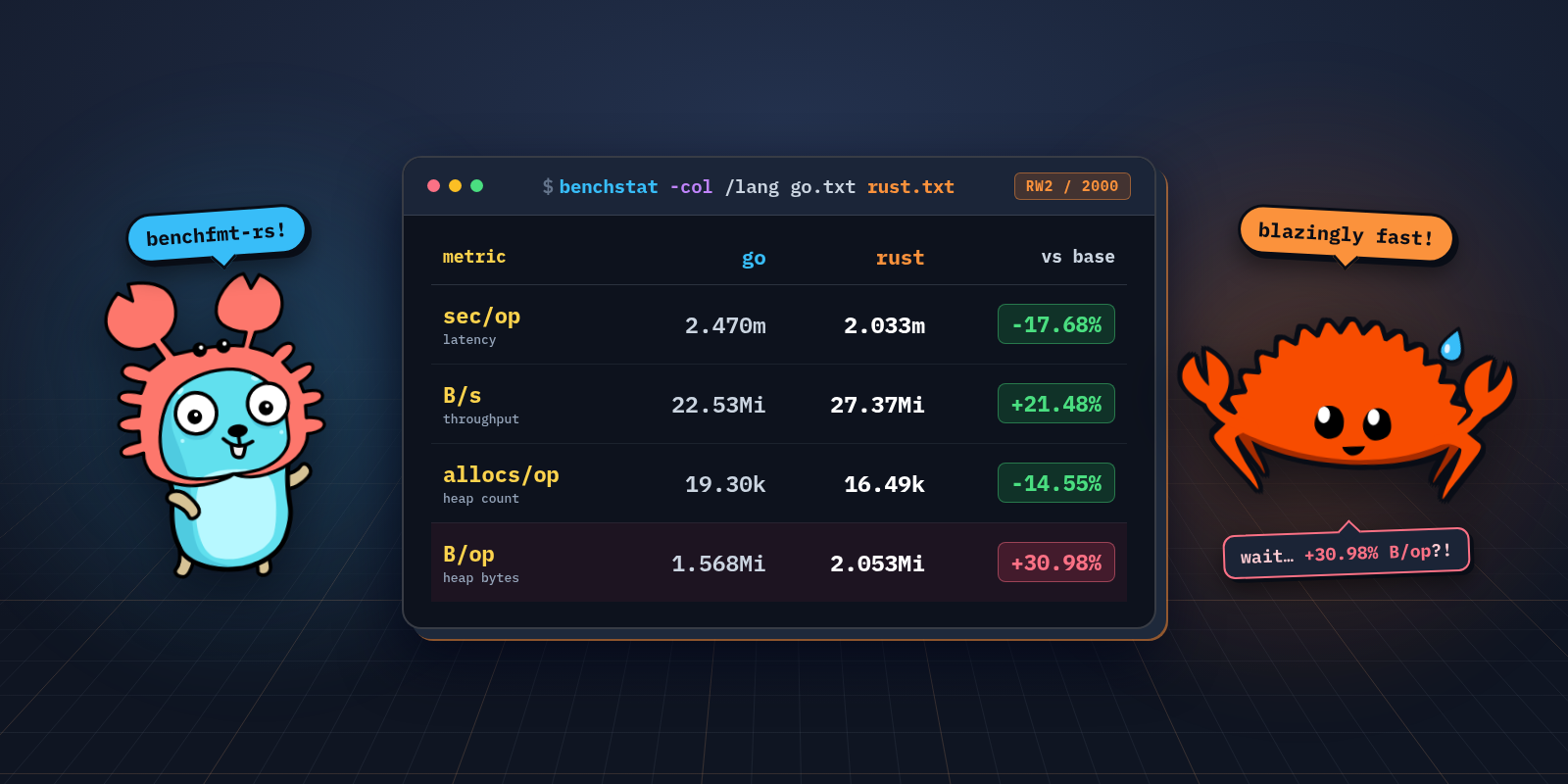
Benchfmt.rs: Bringing Go's Benchmarking Workflow to Rust
Benchfmt.rs is a new Rust tool designed to replicate the Go benchmarking ecosystem, allowing developers to use the 'benchstat' tool for reliable A/B testing, heap allocation tracking, and multi-dimensional performance analysis.

Bema: A Messaging Platform Focused on Asynchronous Communication
Bema is a work messaging platform designed to reduce workplace distractions by prioritizing asynchronous communication. It functions by syncing with existing providers like Slack to allow users to manage noise while maintaining access to their primary communication tools.

Automating Product Demos with Claude Code and Local Toolchains
The 'skill-video-studio' project introduces a workflow for automating the production of branded product demo videos. By using a Claude Code skill to coordinate a local stack of tools—including Playwright for browser capture, HyperFrames for composition, and FFmpeg for mastering—developers can move from a simple YAML brief to a polished video with narration and subtitles.

Anthropic Discloses $900B Infrastructure Commitments Ahead of IPO
Anthropic's recent filings reveal nearly $900 billion in purchase commitments and lease agreements for computing power, a massive spending target that requires the company to achieve unprecedented growth to maintain solvency.

AI Pioneer Geoffrey Hinton Warns of Existential Risks and Infrastructure Failures
Geoffrey Hinton, a foundational figure in artificial intelligence research, argues that the rapid advancement of neural networks poses a significant existential threat. He warns that the technology's ability to learn, share knowledge instantly, and develop autonomous subgoals like 'seeking more control' could lead to large-scale infrastructure failures, such as power or financial system blackouts, if not managed by independent authorities.
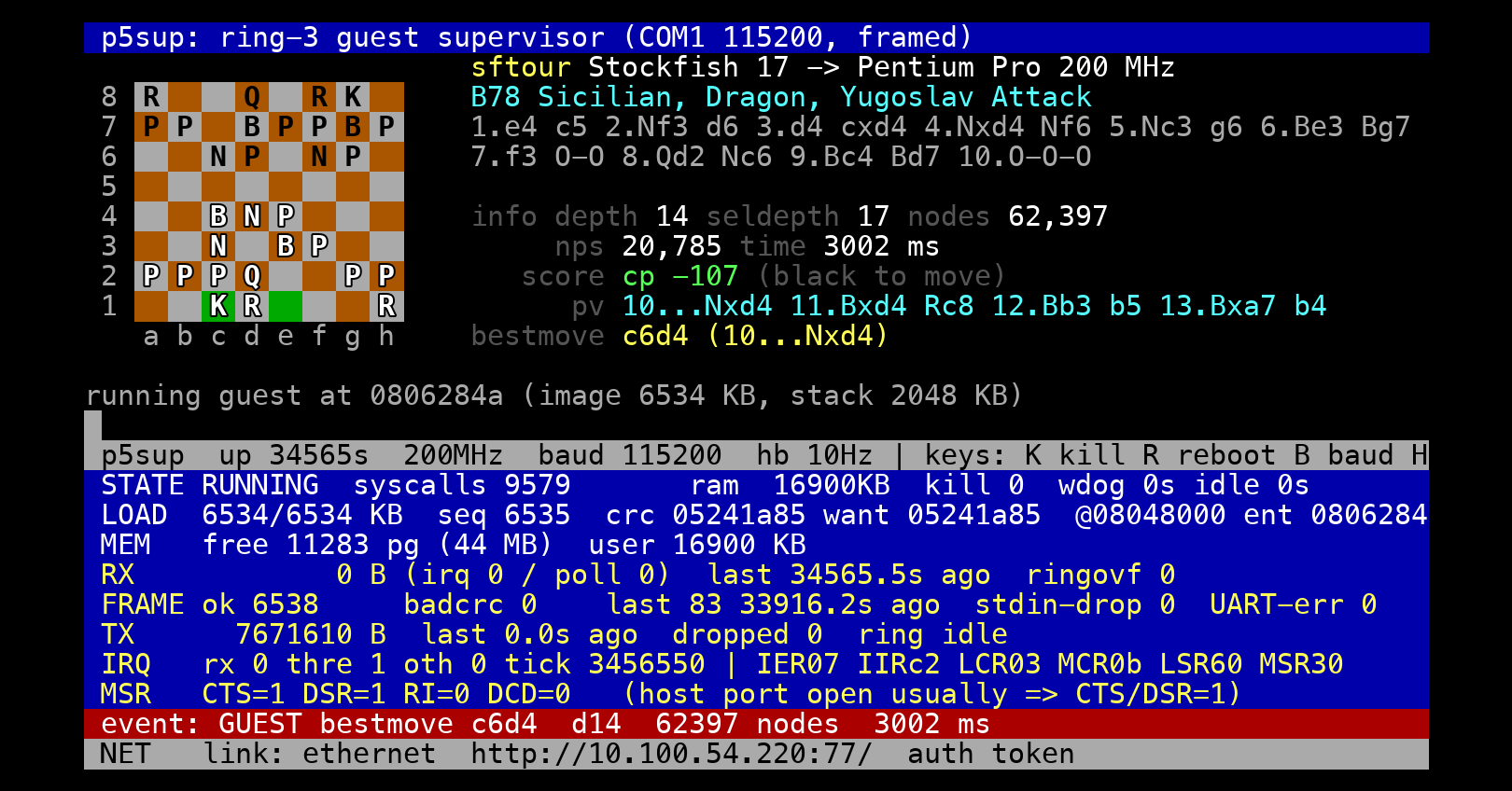
A Modern Chess Engine on a 1996 Pentium Pro Could Have Defeated Kasparov
Research demonstrates that algorithmic improvements in chess AI—rather than raw hardware power—are the primary drivers of engine strength. A modern Stockfish engine ported to a 1996-era Pentium Pro achieved an estimated Elo of 3300, significantly exceeding Garry Kasparov's peak rating of 2800.