BYD, China's largest automaker, has rapidly expanded its footprint in Brazil, reaching a 9.7% market share in just one year. As of October, the company registered 193,227 vehicles in the country. This growth is attributed to BYD's strategic move to begin assembling vehicles locally within Latin America's largest economy, a shift that has accelerated its push to become a dominant player in the Brazilian automotive landscape.
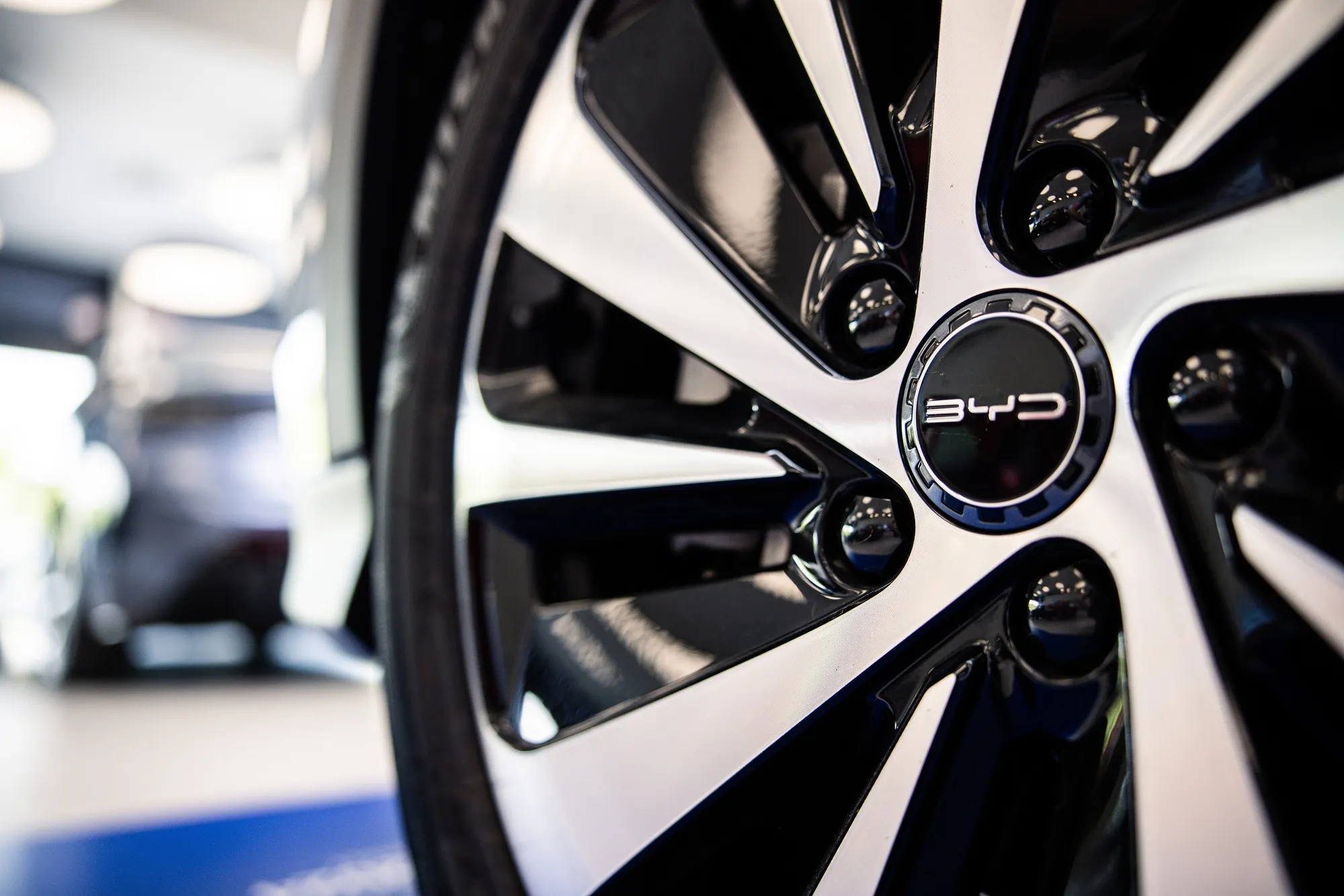
The image illustrates the scale of BYD's rapid expansion and vehicle registrations in the Brazilian market.
The success of this expansion appears to be driven by the demand for more affordable electric vehicle alternatives. Commenters on Hacker News noted that Brazilian consumers have shown a significant appetite for these less costly options, with some reporting that friends and acquaintances have recently switched to BYD models. This trend reflects a broader global movement where BYD is increasingly becoming a dominant force in international markets, with the exception of specific regions like the United States, Korea, Germany, and Japan.
However, the rapid rise of Chinese EVs also highlights a growing tension between free-market expansion and the protection of domestic industries. Some observers on Hacker News argued that this growth is a consequence of state-subsidized competition and noted that countries with large, vital automobile sectors—such as India—often take a protectionist stance to shield their own manufacturers. While some regions have seen a smooth transition with Chinese EVs taking off in dealerships, others remain wary of the impact on local manufacturing and the necessity of building out massive charging infrastructure to support the shift to electric power. The source material does not specify the exact price differences between BYD and local competitors or provide data on which specific legacy brands are losing the most market share to the new arrivals.
Evidence: - BYD registered 193,227 vehicles in Brazil as of October, doubling its market share to 9.7% within a year of starting local assembly (primary). - Commenters on Hacker News discussed the appeal of BYD as a less costly alternative for Brazilian consumers and noted the company's dominance in most global markets outside of the US, Korea, Germany, and Japan (hn-50369146).
editorial": {"evidence_sufficient": true, "story_match": true, "source_limited": true, "discussion_digest": true}} } }```json {