The Z80 REPL is a web-based environment designed to facilitate the learning and testing of assembly language for the Z80 CPU, a classic 8-bit processor. Unlike traditional development workflows that require a full compilation or assembly step before execution, this tool functions as a Read-Eval-Print Loop (REPL). It allows users to input individual instructions—such as loading values into registers—and see the immediate results of those operations. By leveraging the Z80.js engine, the tool provides a portable way to interact with the Z80 instruction set directly in a browser.
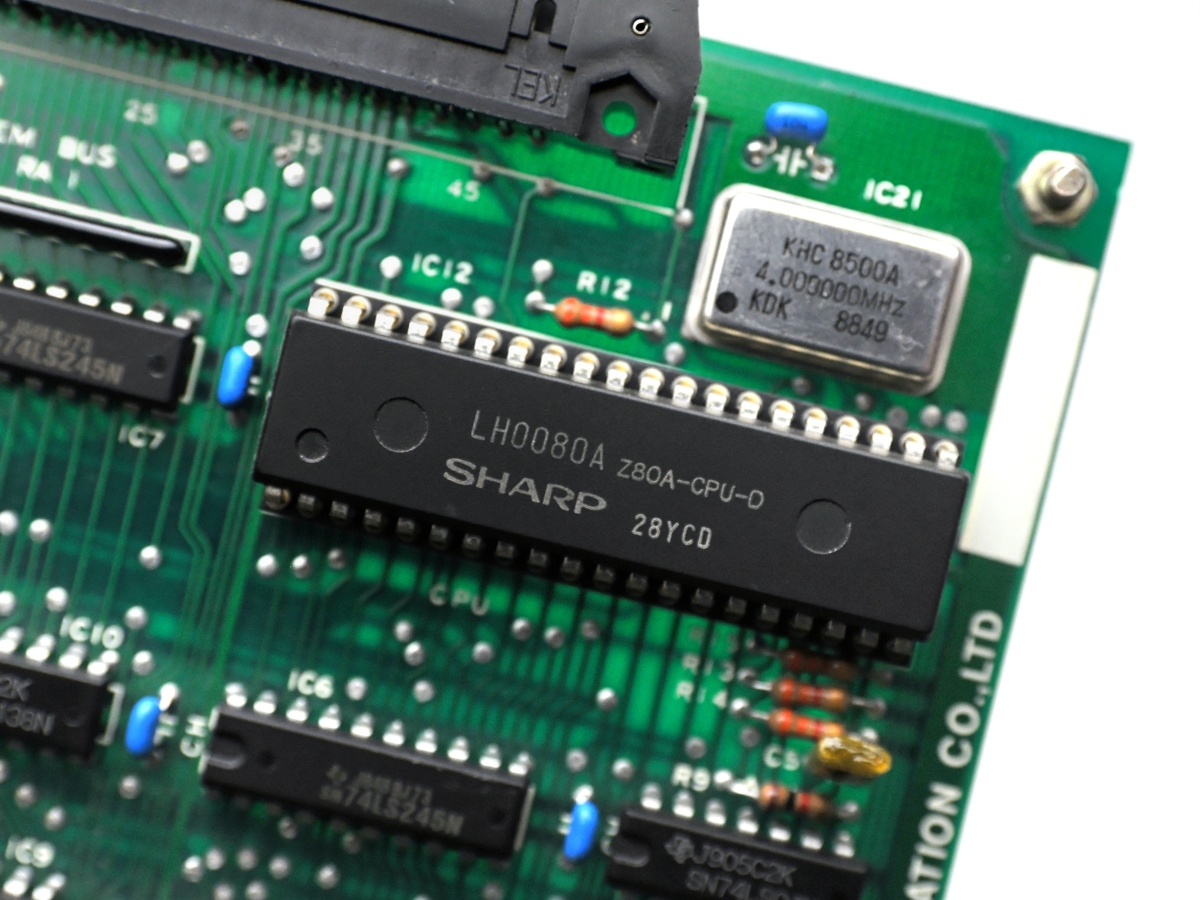
The Z80 REPL is a web-based environment designed to facilitate the learning and testing of assembly language for the Z80 CPU.
One of the primary mechanisms of the Z80 REPL is its ability to provide instantaneous feedback on instruction execution. When a user enters a command, the environment displays the resulting state of the CPU, including register changes and the specific number of clock cycles consumed by the instruction. This immediate feedback loop is intended to help programmers rebuild 'muscle memory' for assembly language. By seeing the direct consequences of each line of code without the friction of a full build cycle, learners can more quickly internalize the nuances of the Z80 architecture and its specific instruction behaviors.

The tool displays the resulting state of the CPU, including register changes, to help programmers rebuild muscle memory.
While the tool offers a streamlined experience for learning, it currently operates with certain limitations compared to full-scale simulators or hardware monitors. For instance, the environment does not currently support symbols, which are often used in assembly to represent memory addresses or constants. Additionally, while it provides a completion list for instructions, it lacks advanced 'fish-style' tab completion where a user can cycle through options. These trade-offs mean that while the Z80 REPL is highly effective for practicing individual instructions and understanding basic CPU mechanics, it is best viewed as a focused educational tool rather than a complete development environment for complex software projects. The source material does not specify the underlying accuracy of the Z80.js engine or its ability to simulate specific hardware peripherals like timers or video controllers.