For some developers, the most effective tool isn't the latest high-end release, but a well-maintained piece of legacy hardware. Joshua Barretto describes his preference for the 2015 ThinkPad X250, a laptop he purchased second-hand for approximately £100. He frames the choice as a 'quiet revolt' against a culture of rapid consumption, arguing that the device's value lies in its utility rather than its raw specifications. By maintaining and repurposing older hardware, users can achieve a high level of functionality while avoiding the costs and environmental impact of frequent upgrades.
The X250's longevity is supported by its physical design and high degree of repairability. The laptop features a compact form factor that fits within the footprint of an A4 sheet of paper and weighs roughly 1.45 kg, making it highly portable for travel. Crucially, the device is designed to be serviced; Barretto has successfully replaced the internal battery, lid camera, keyboard, and even the motherboard using standard tools. This ease of maintenance, combined with a secondary external battery slot that allows for over 10 hours of use, ensures the machine remains functional long after its original manufacturer's support has ended.
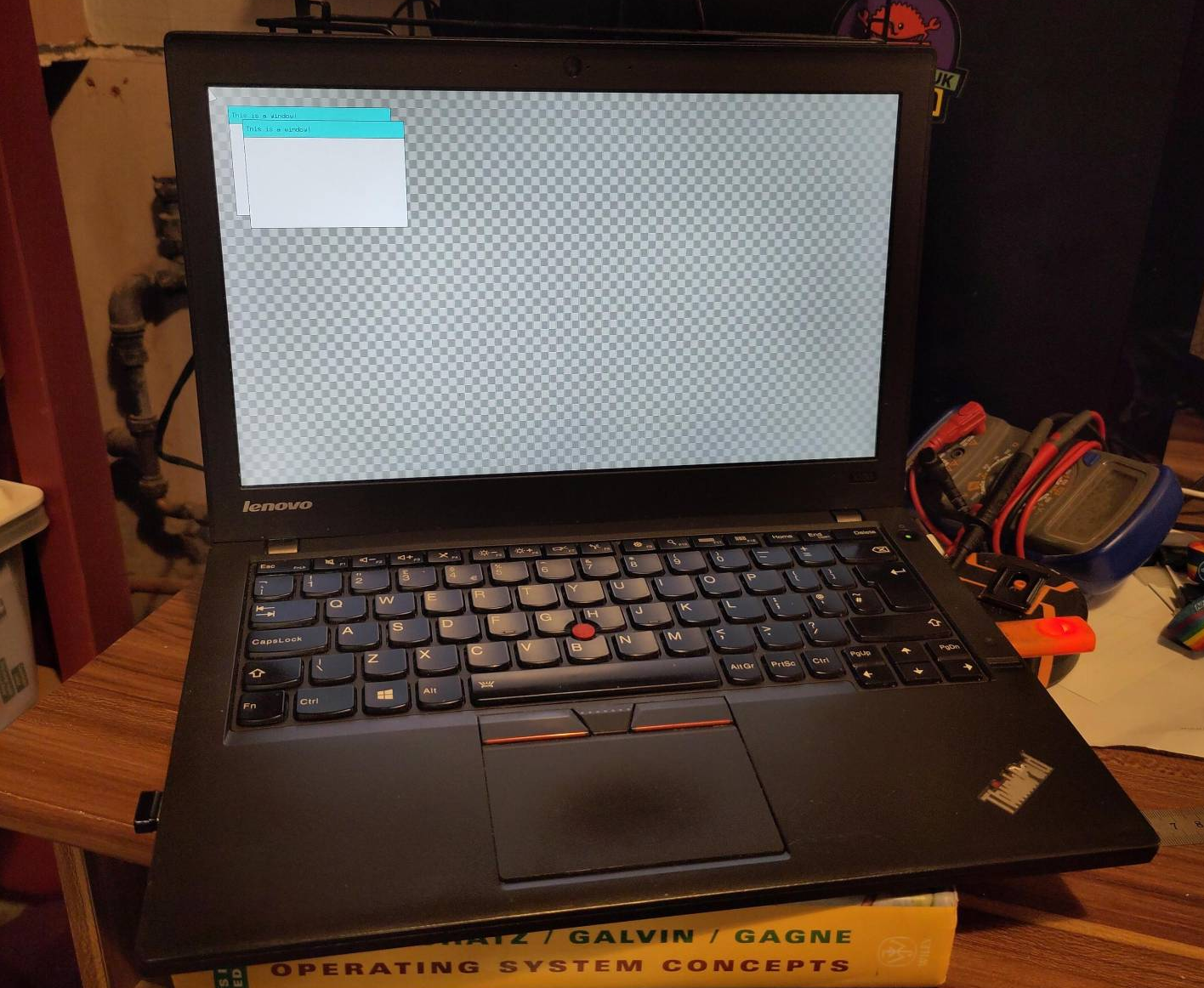
This image depicts the specific hardware model discussed in the article, highlighting its compact form factor and enduring design.
To maintain performance on older hardware, the author utilizes a specific software strategy: running Endeavour OS, an Arch Linux-based distribution. By favoring native package installs over sandboxed applications, the system remains lean, occupying only about 30 GB of storage on a 128 GB M.2 SSD. This configuration allows the i5-5200U processor—a quad-core chip—to boot from a cold state in approximately 8 seconds. While this setup is highly efficient for light on-the-go programming, it does have limitations. Such a configuration may not meet the requirements of users who need significant performance gains for heavy professional workloads or modern gaming, where the marginal returns of older CPU architectures may no longer suffice for high-demand tasks.