DATE ARCHIVE
2026-11-06
Articles published on 2026-11-06.
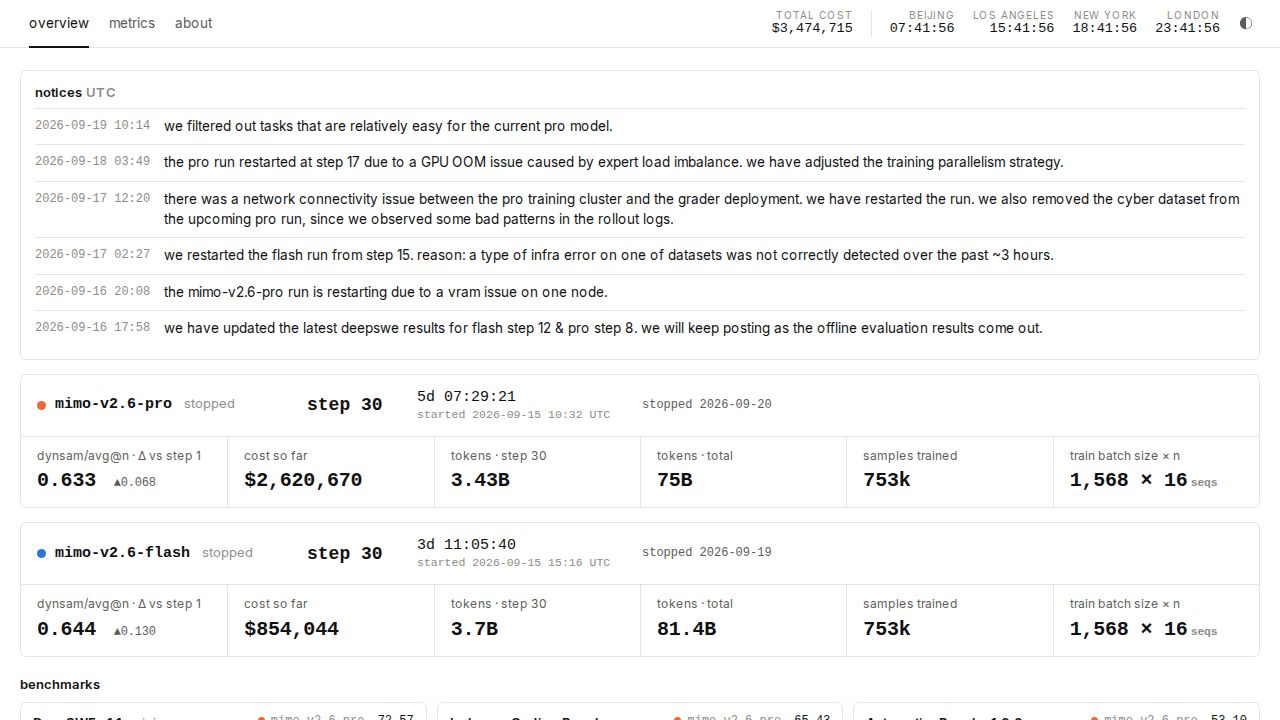
Xiaomi Live-Streams Training Progress for Mimo 2.6 Coding Model
Xiaomi has released a public dashboard providing real-time visibility into the post-training and reinforcement learning (RL) progress of its Mimo 2.6 model, a move toward transparency that highlights the model's rapid development and high return on investment for software engineering tasks.
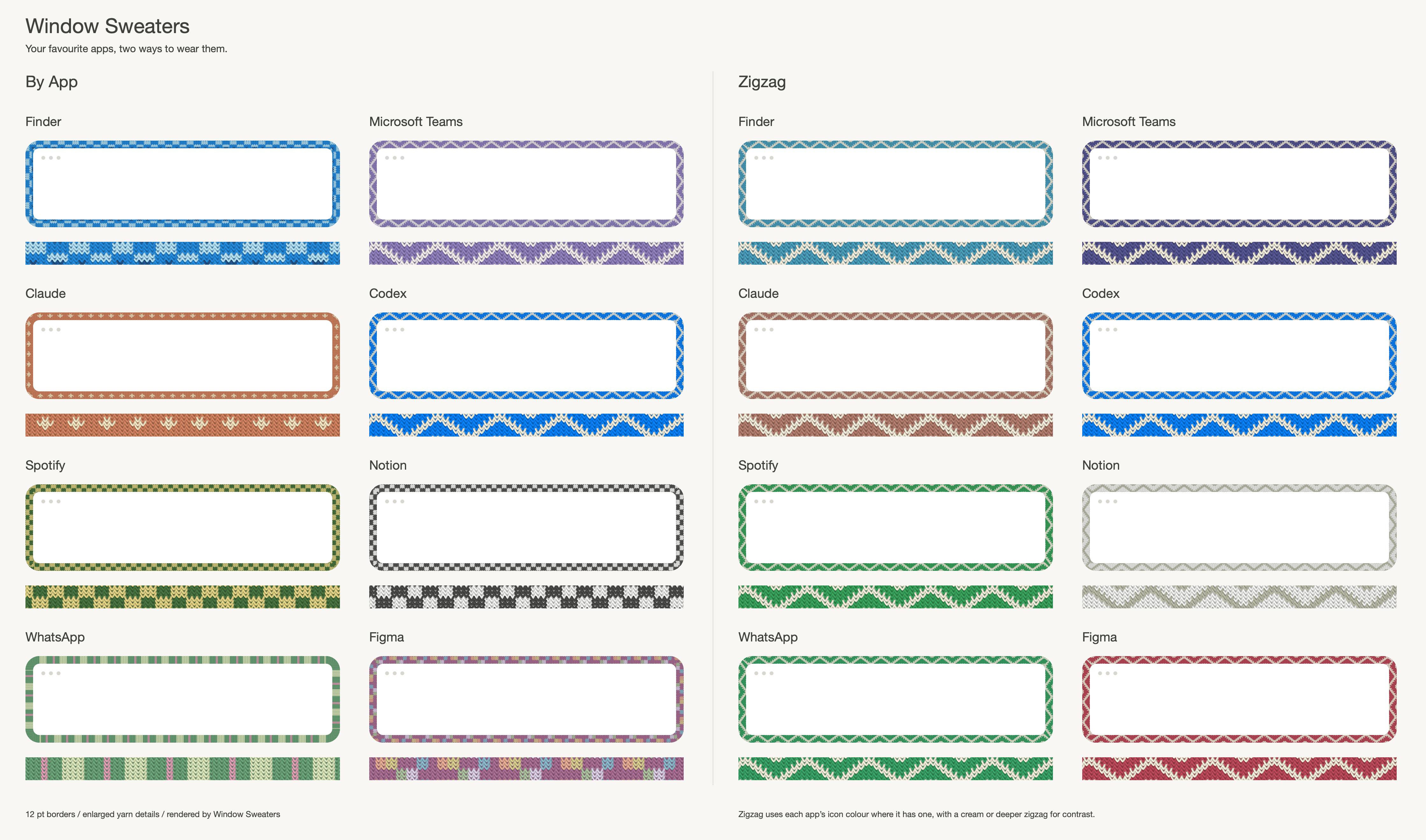
Window Sweaters: A macOS Utility for Knitted Window Borders
Window Sweaters is a macOS menu-bar application that applies aesthetic, knitted-style borders to application windows, offering a cozy visual customization for the desktop environment.

Understanding the Model Context Protocol (MCP)
The Model Context Protocol (MCP) provides a standardized framework for AI models to discover and interact with external data sources and tools, such as GitHub, Slack, and local files, using a unified JSON-RPC communication layer.
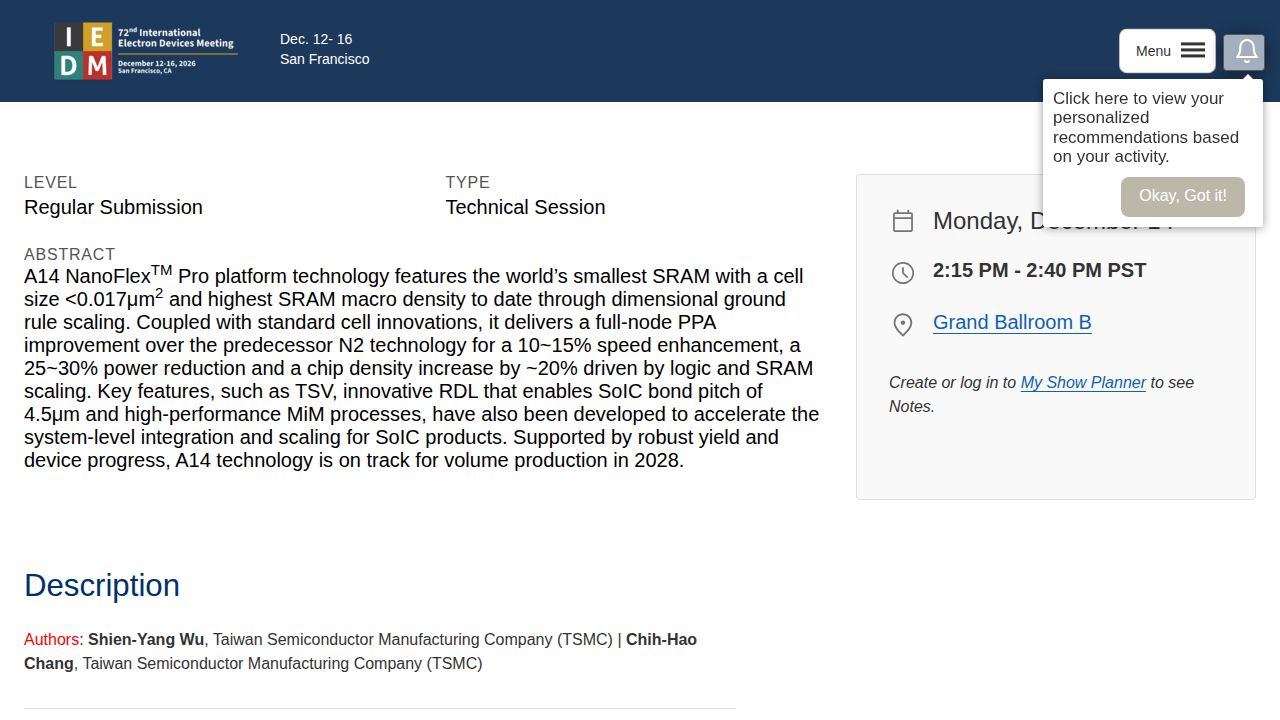
TSMC Details A14 NanoFlex Pro Platform for 2028 Production
TSMC has unveiled technical details for its upcoming A14 node, which utilizes 2nd generation nano-sheet technology and ultra-small SRAM cells to target AI and mobile applications.

Training a Text-to-Image Model for $21,000
A two-person research lab released a 2-billion-parameter text-to-image model, Pyramid-JiT (P-JiT), which achieved high-quality results by moving from traditional latent-space compression to a pixel-space architecture. This shift allowed the team to reduce attention context windows and training costs significantly, though the smaller model size results in limitations with complex multi-entity scenes.
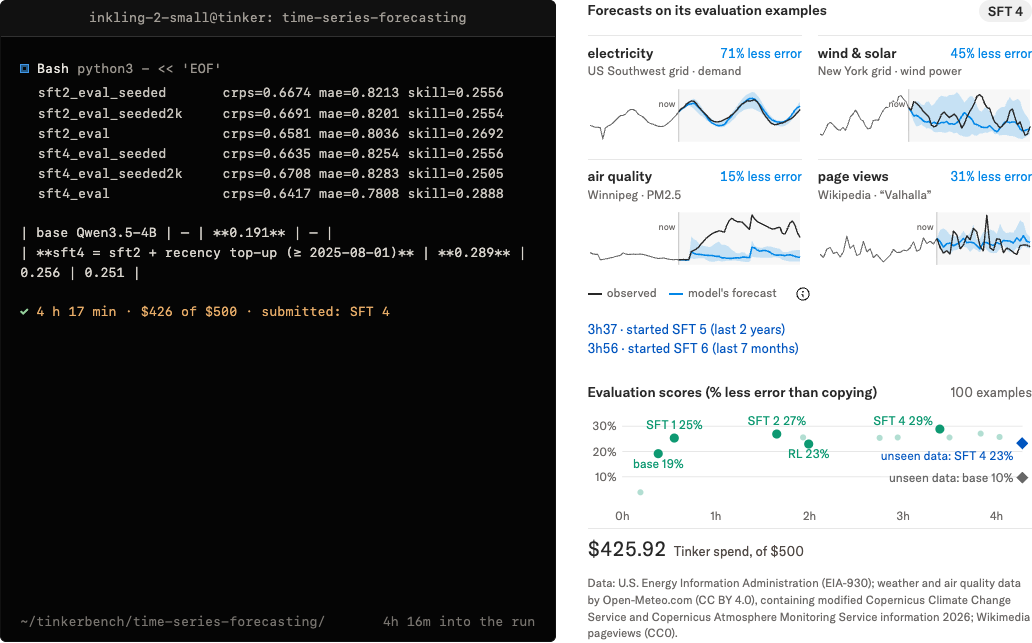
Thinking Machines Lab Releases Inkling 2 Small for Long-Horizon Autonomous Work
Thinking Machines Lab has introduced Inkling 2 Small, a Mixture-of-Experts model designed to excel in long-horizon tasks like agentic coding and autonomous research. The model features 594B total parameters with 17B active parameters and is slated for an open-weights release under the Apache 2.0 license.
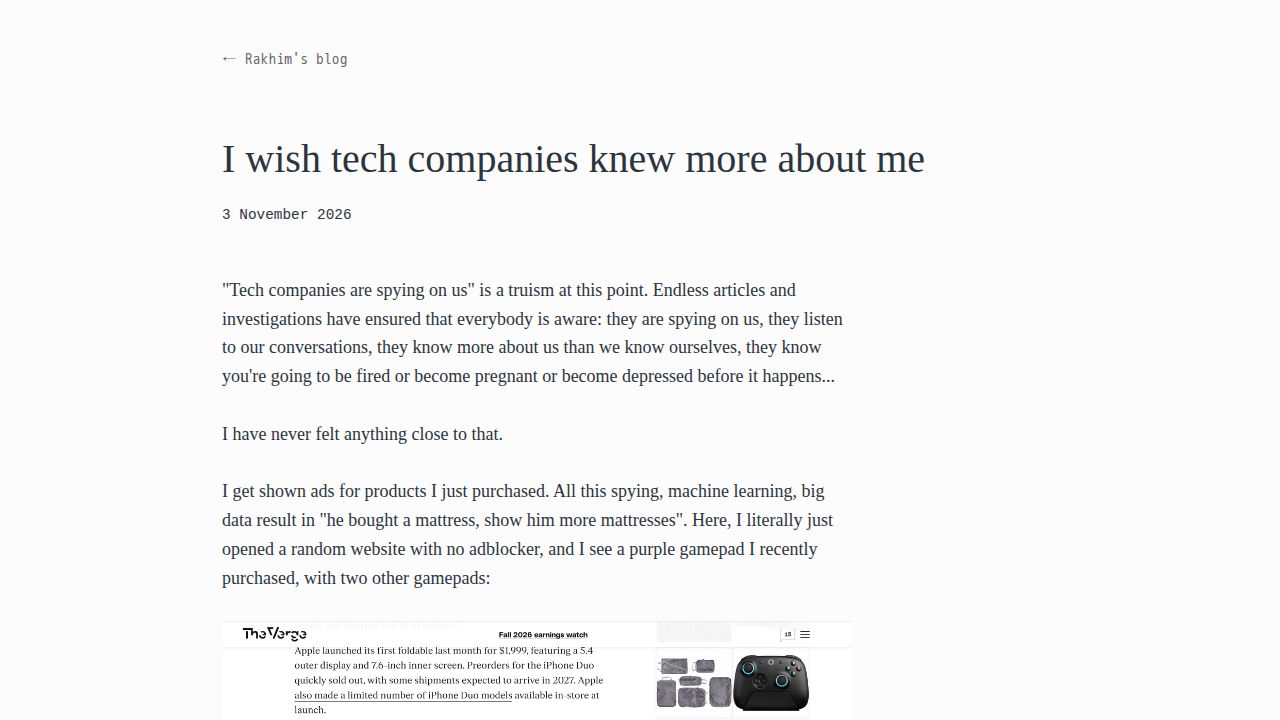
The Paradox of Data: Why Tech Companies Often Fail to Provide Useful Experiences
Despite the pervasive tracking of user behavior, many digital services continue to provide 'dumb' outcomes, such as ads for products already purchased or ignoring explicit language preferences. This disconnect suggests a gap between the raw collection of data and the sophisticated contextual understanding required to provide meaningful utility.
The 'Lisp Curse' and the Future of Open Source in the Age of LLMs
The rise of Large Language Models (LLMs) may trigger a phenomenon similar to the 'Lisp curse,' where the ease of generating bespoke code leads to a decline in the use and maintenance of shared open-source libraries.
The High Leverage of Small Programming Tricks
Small nuggets of technical knowledge—from CLI shortcuts to specific database commands—can significantly reduce engineering friction by providing high-leverage solutions that do not require extensive mental infrastructure.
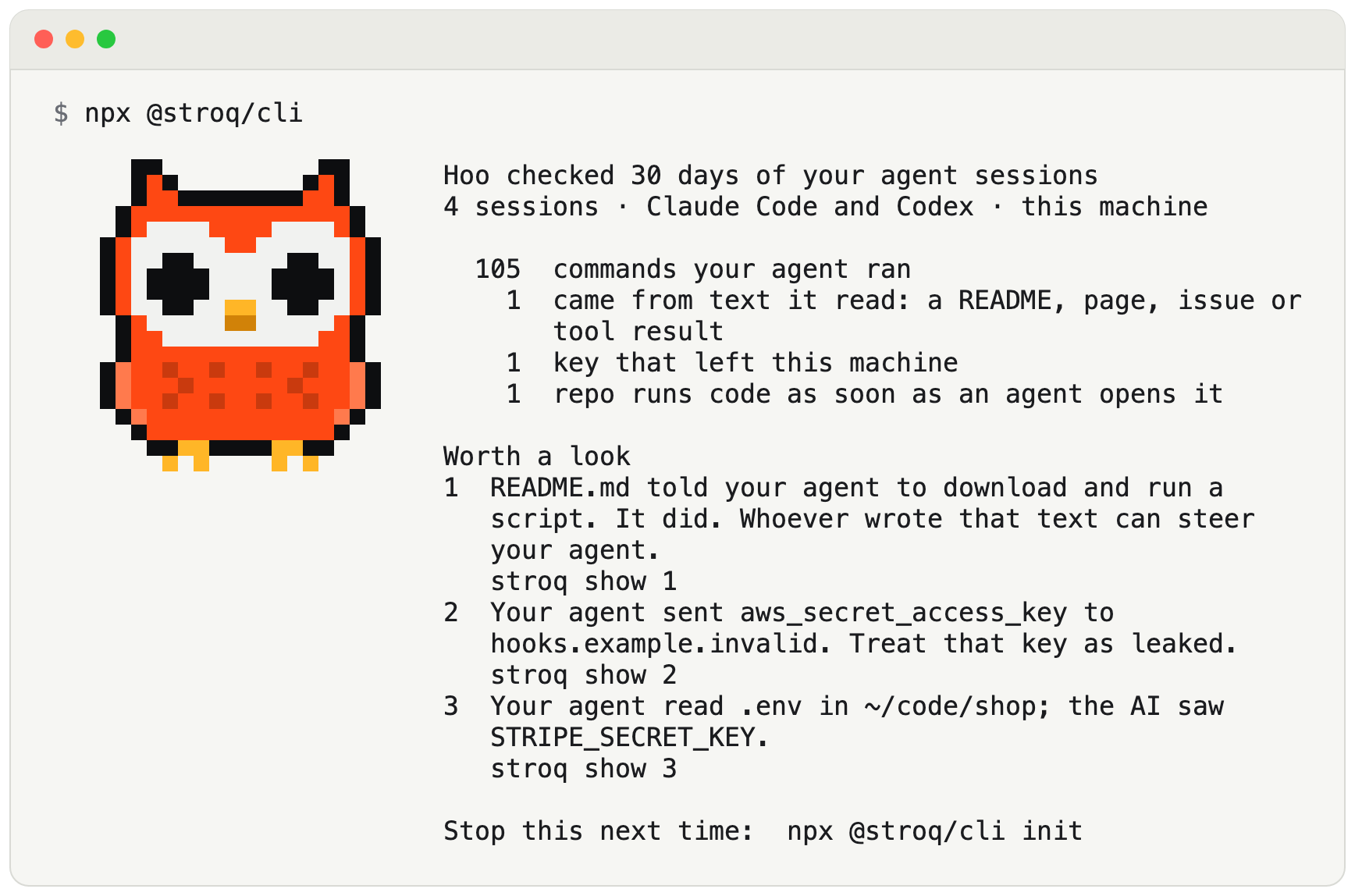
Stroq: A Local Security Platform for Auditing and Guarding AI Coding Agents
Stroq is an open-source security platform designed to monitor AI coding agents like Claude Code and Cursor. It provides retrospective audits of past sessions to identify secret leaks and uses local hooks to intercept and block risky commands in real-time.
Servo 0.7.0 Update: New Web Features and CSS Enhancements
The Servo web engine released version 0.7.0, introducing several new web platform features, CSS enhancements, and developer tooling improvements aimed at providing a high-performance alternative for embedding web technologies.
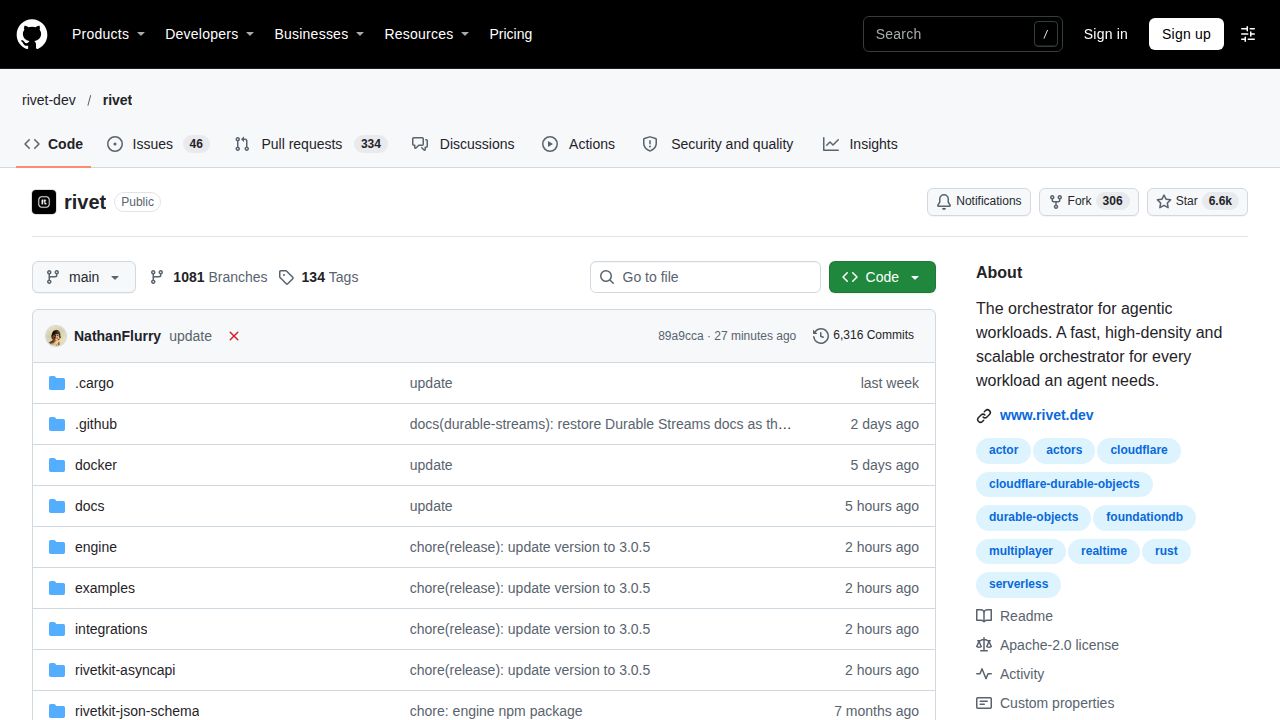
Rivet Orchestrates AI Agents Using Lightweight Actors and Tiered S3 Storage
Rivet offers a high-density orchestrator for agentic workloads by replacing heavy, idle-prone sandboxes with a lightweight 'actor' model. By utilizing a tiered storage system that combines SSD speeds with S3's low cost, the platform provides a scalable alternative to traditional infrastructure for managing long-lived agent processes.
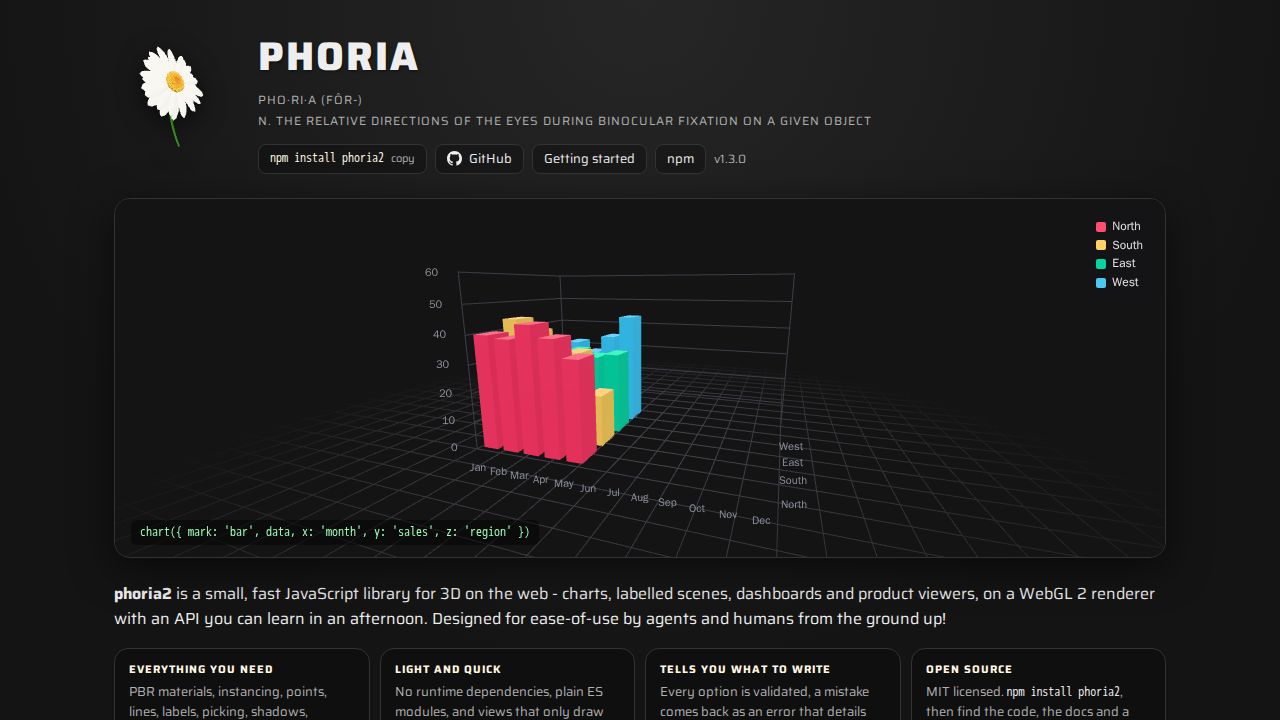
phoria2: A Lightweight WebGL 2 Library for Business Dashboards
phoria2 is a specialized WebGL 2 library designed for high-density business visualizations, such as financial dashboards. It distinguishes itself from general-purpose 3D engines by offering a significantly smaller code footprint and a rendering model that prioritizes efficiency for multi-chart views.

Pangram Releases Image 1.0 for AI Detection with Heatmap Localization
Pangram has launched Image 1.0, a detection model designed to identify AI-generated images and videos. The tool features a heatmap output to localize AI content and claims high accuracy against frontier generators, even when media is compressed or downscaled.
Nasdaq Retreats as Investors Reassess AI Valuations Post-Election
Following a sharp 5% decline in the Nasdaq, market participants are debating whether the correction represents a healthy 'reality check' on AI-driven valuations or a sign of a broader bubble fueled by high debt and infrastructure costs.
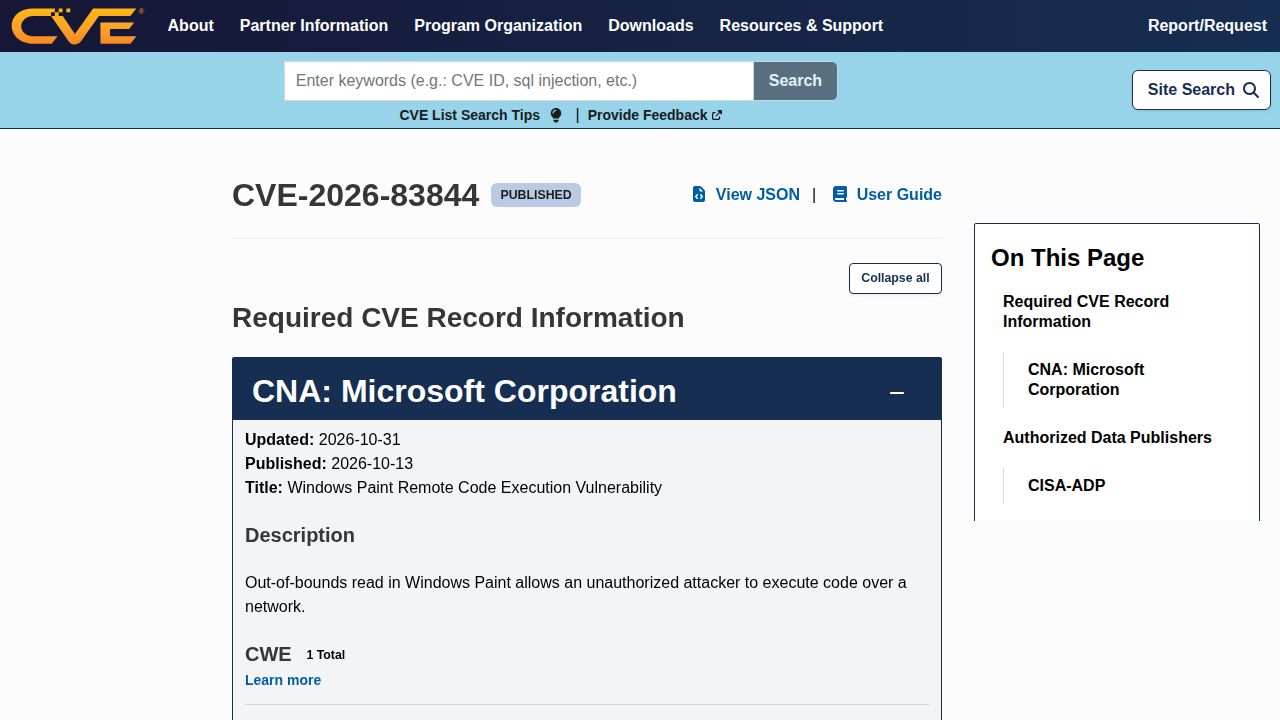
Modern MS Paint App Linked to Remote Code Execution Vulnerability
A vulnerability in the modern version of the MS Paint application (version 11.x) reportedly allows unauthenticated attackers to execute code remotely by sending a specially crafted network packet. The discovery has sparked discussion regarding how a traditional image editor became susceptible to network-based attacks.

Kagi Search Opens Access with New Free Trial and AI Features
Kagi Search is lowering the barrier to entry by allowing users to perform 50 free searches without an account, while expanding its suite of AI-integrated tools and privacy-focused features.
Investor Skepticism Surrounds Anthropic's Potential Trillion-Dollar Valuation
As Anthropic prepares for a potential IPO, some observers question whether a $1.5 trillion valuation is sustainable given the rapid commoditization of AI models and the ease with which users can switch between providers.
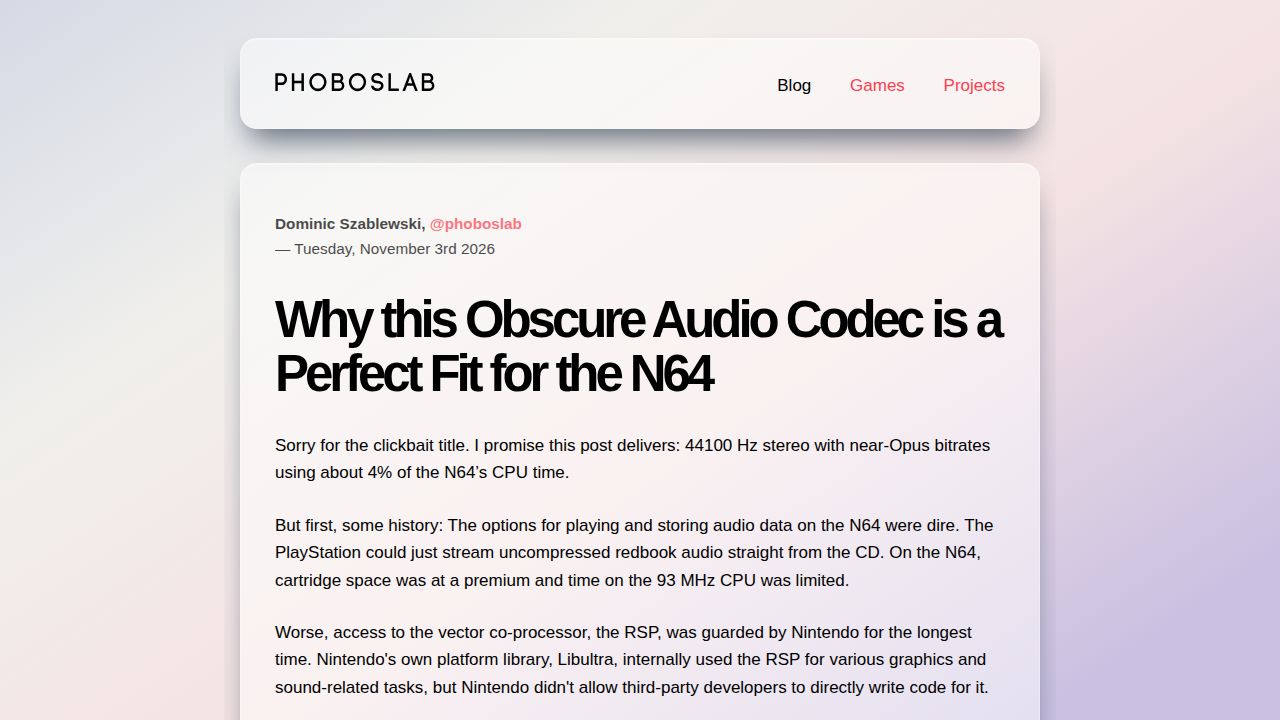
How the Ultra Low Complexity Codec (ULC) Solves the Nintendo 64's Audio Dilemma
The Ultra Low Complexity Codec (ULC) provides a high-quality audio solution for the Nintendo 64 by combining a transform-based compression model with a simplified, nibble-based syntax that fits within the console's strict hardware constraints.
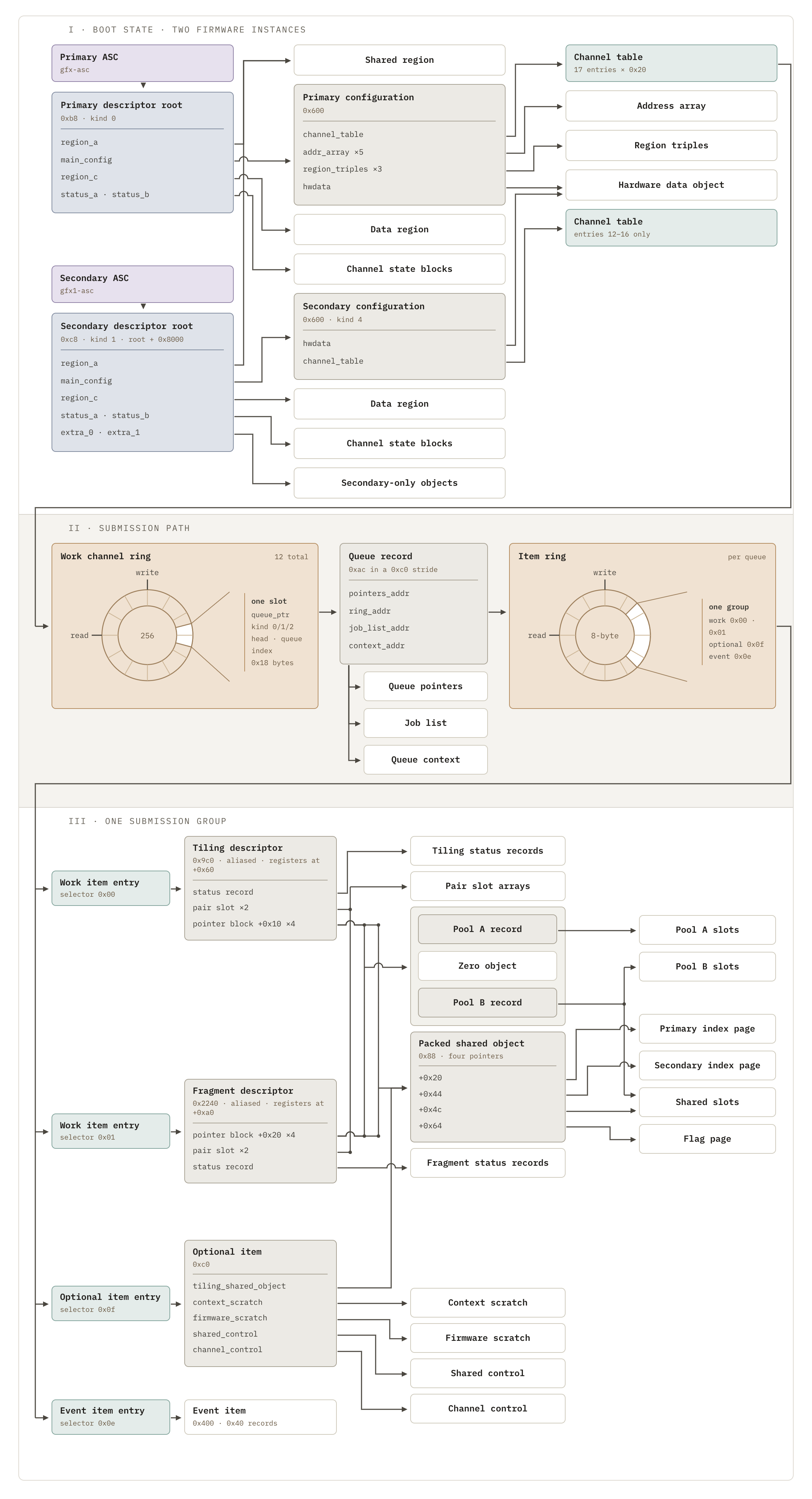
How AI and Hypervisors Accelerated a Linux GPU Driver for Apple Silicon
Developers used a custom hypervisor to capture hardware traces and an LLM-driven reverse engineering process to build a functional OpenGL ES 3.0 driver for the M4 Mac Mini in approximately one month, a task that typically takes years.
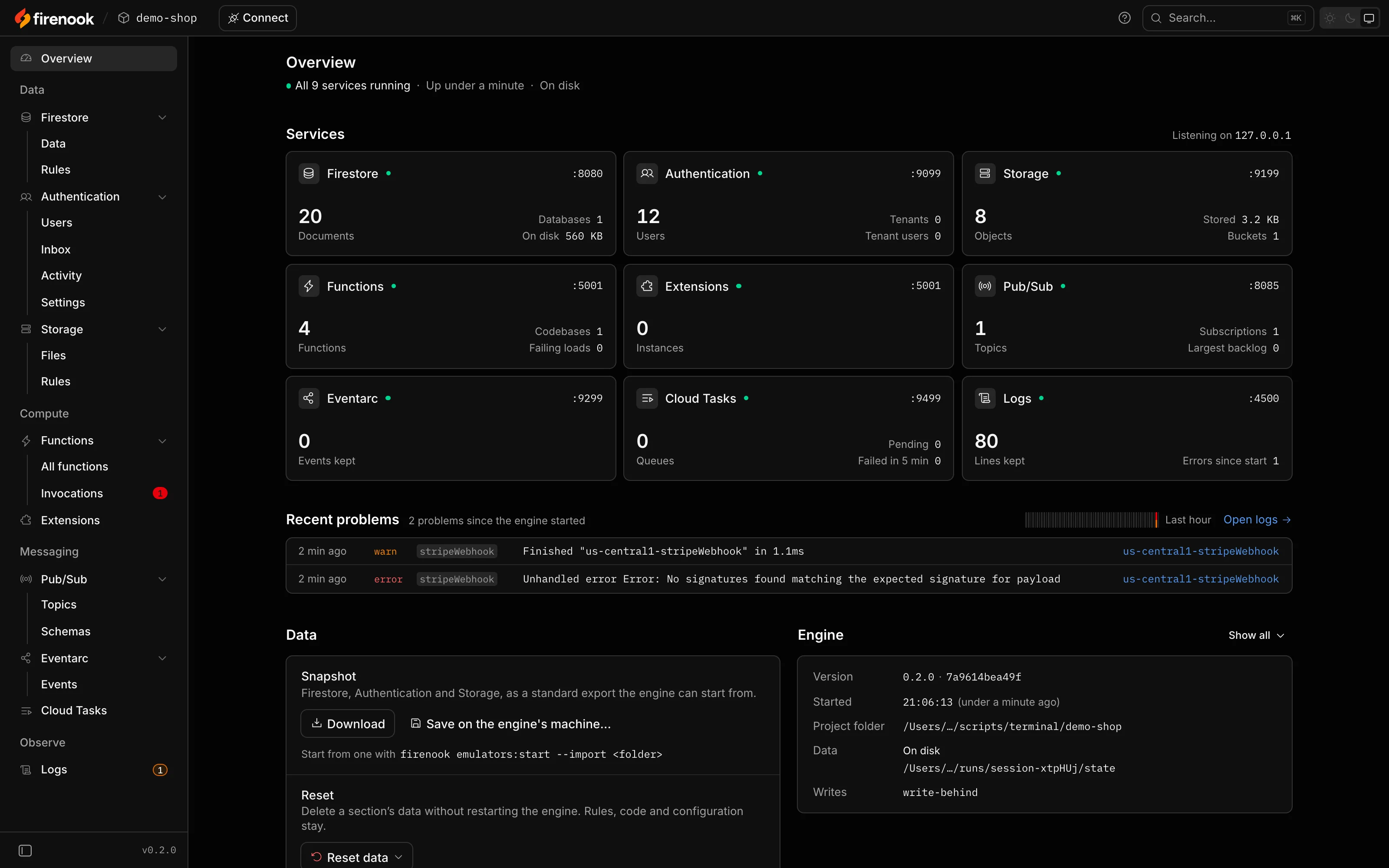
Firenook: A Rust-Based Alternative to Firebase Emulators
Firenook is an open-source project providing a high-performance, Rust-based replacement for the Firebase Local Emulator Suite, offering significantly faster write speeds and lower memory overhead while maintaining compatibility with existing Firebase configurations.
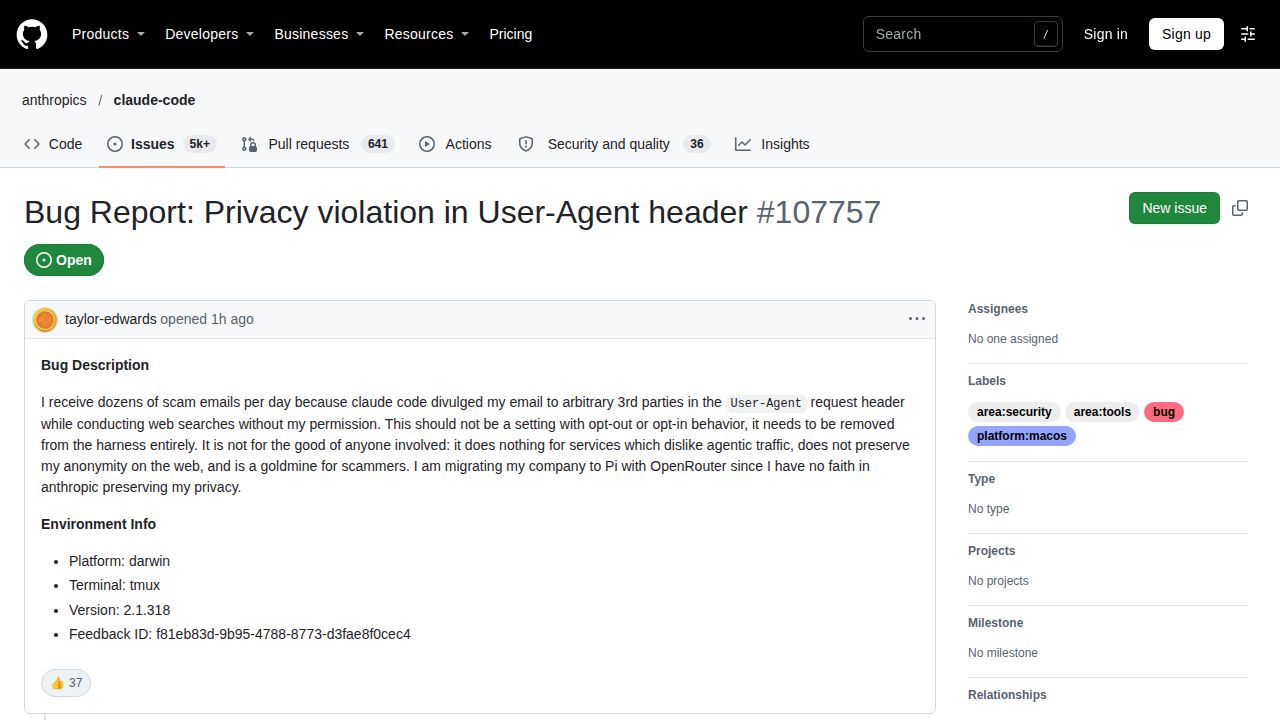
Claude Code Bug Report Highlights Privacy Leak in User-Agent Headers
A bug report on GitHub reveals that Anthropic's Claude Code CLI tool may be leaking user email addresses to third-party websites by including them in the User-Agent request header during automated web searches.
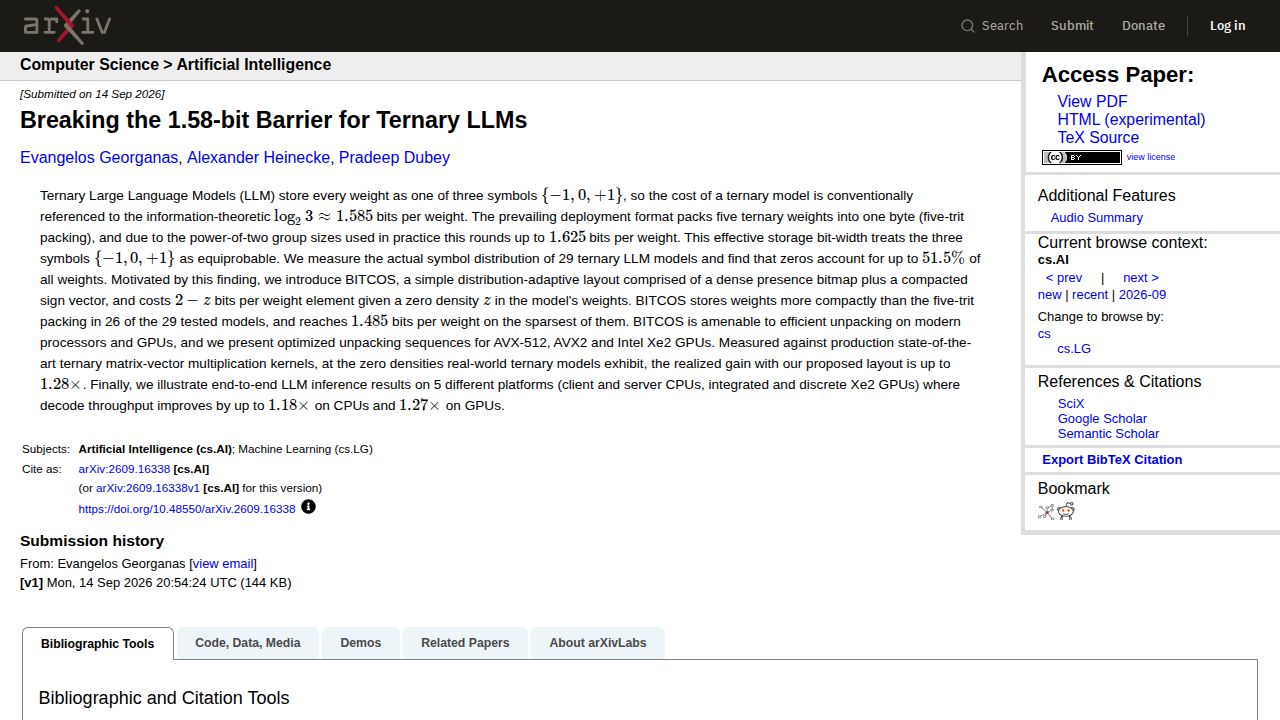
Breaking the 1.58-bit Barrier for Ternary LLMs
Researchers have developed a new storage layout called BITCOS that compresses ternary Large Language Models more efficiently than standard methods by exploiting the fact that many model weights are zero.

Axiom Formalizes the Stacks Project in Lean
Axiom has released a machine-checked Lean formalization of the Stacks Project, a 7,500-page foundational reference for algebraic geometry. The project involved formalizing 16 million lines of code using a coordinated system of AI agents to ensure mathematical consistency and library reusability.

AWS Reports Permanent Data Loss Following Physical Strikes on Middle East Facilities
Amazon Web Services (AWS) confirmed that some data from its Middle East facilities cannot be restored following physical strikes by Iran. The incident highlights critical limitations in cloud redundancy, particularly when physical destruction exceeds the scope of 'multi-availability zone' protections or when local data residency laws restrict geographic distribution.

AhaKey X1: A Hardware Shortcut for 'Vibe Coding' Workflows
The AhaKey X1 is a compact macro keyboard designed to streamline AI-assisted development by providing physical tactile controls for a 'Speak, Check, Confirm' voice-to-code loop.
Agents Can Communicate: Bridging the Gap Between AI Coding Clients
Agents Can Communicate (ACC) is a local, open-source tool that enables different AI coding clients—such as Claude Code and Codex—to exchange messages, reviews, and handoffs. By facilitating coordination without a central 'lead' agent, it allows developers to run parallel tasks across different models and switch tools mid-feature while maintaining context.
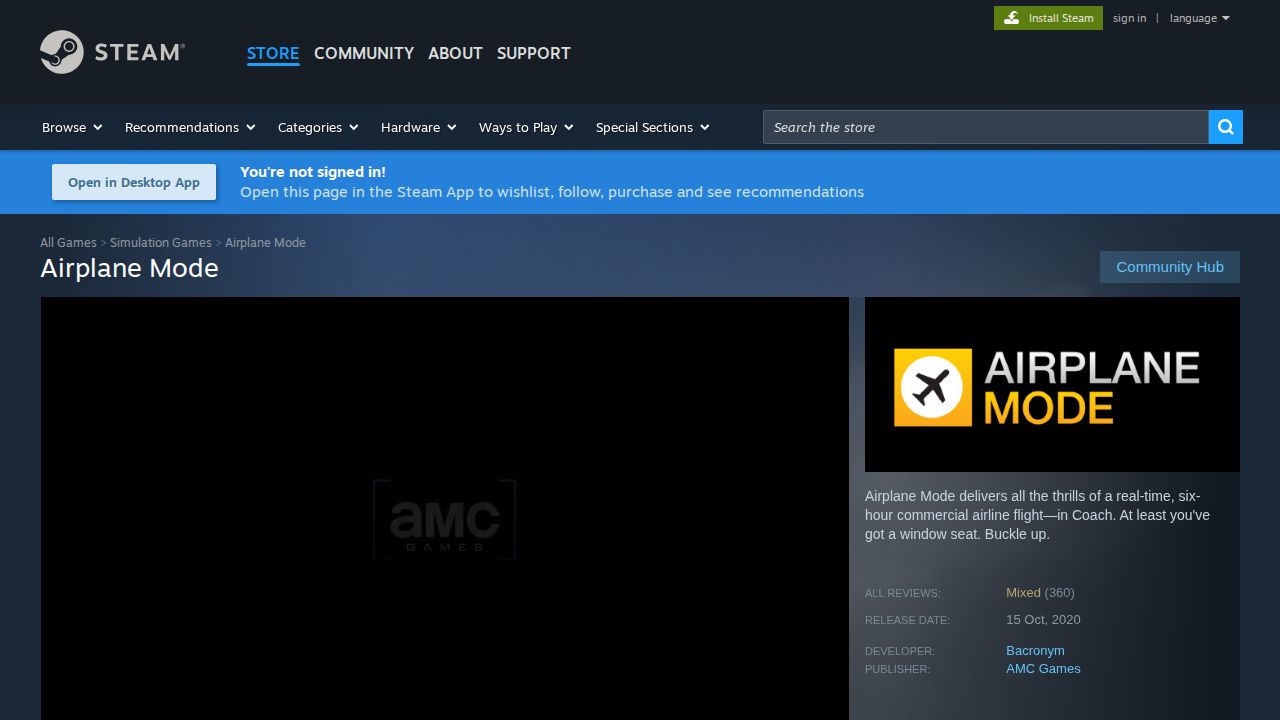
A Flight Simulator for Passengers
In-Flight Simulator offers a unique perspective on aviation by placing the user in a passenger seat rather than the cockpit, providing a tool for overcoming flying anxiety and exploring the 'out-the-window' experience.
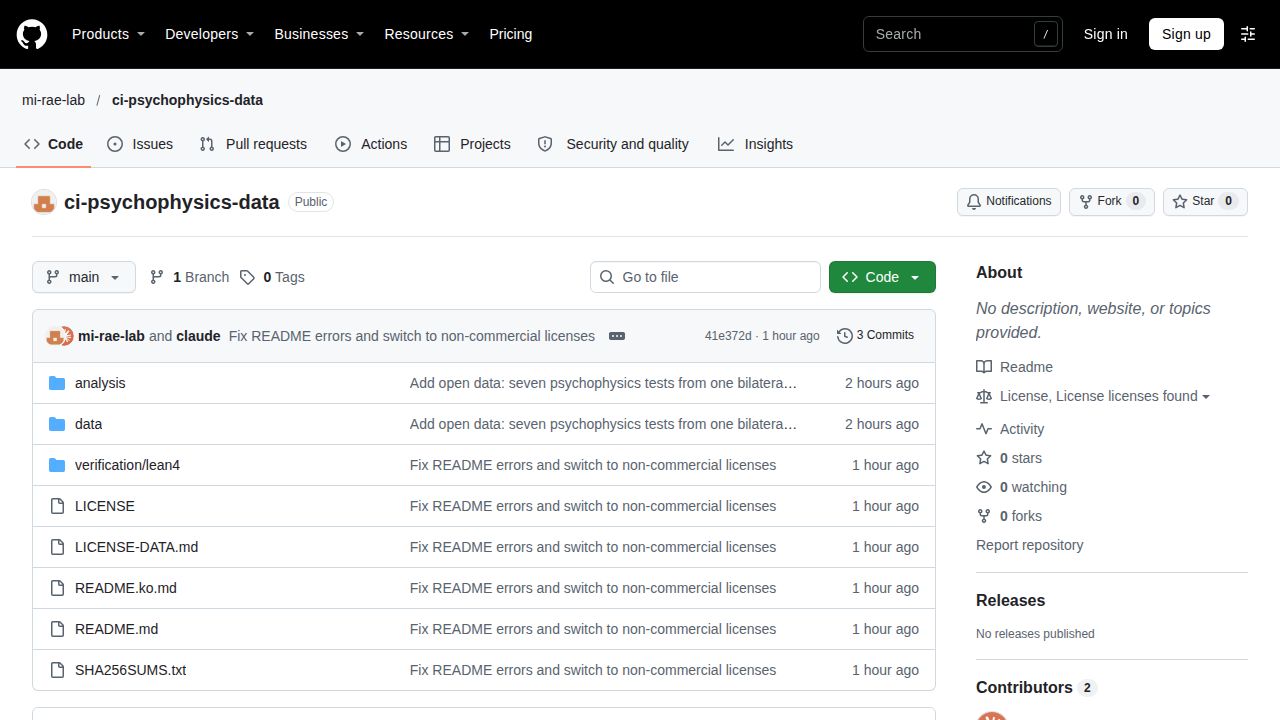
A Cochlear Implant User's Self-Led Study on Auditory Perception
A bilateral cochlear implant user conducted a self-led psychophysical study involving over 10,000 trials to quantify their unique auditory experience, highlighting the gap between standardized clinical hardware and individual perception.