A Korean user who received bilateral cochlear implants in a 2025 clinical trial initiated a self-led study to quantify their personal auditory experience. Because clinical providers could not provide a definitive description of what the user actually 'heard,' the user conducted seven psychophysical tests between October 2026 and November 2026. This study involved 10,992 trials using custom browser applications built with AI assistance and verified using Lean 4 logic checks to ensure the integrity of the testing framework.
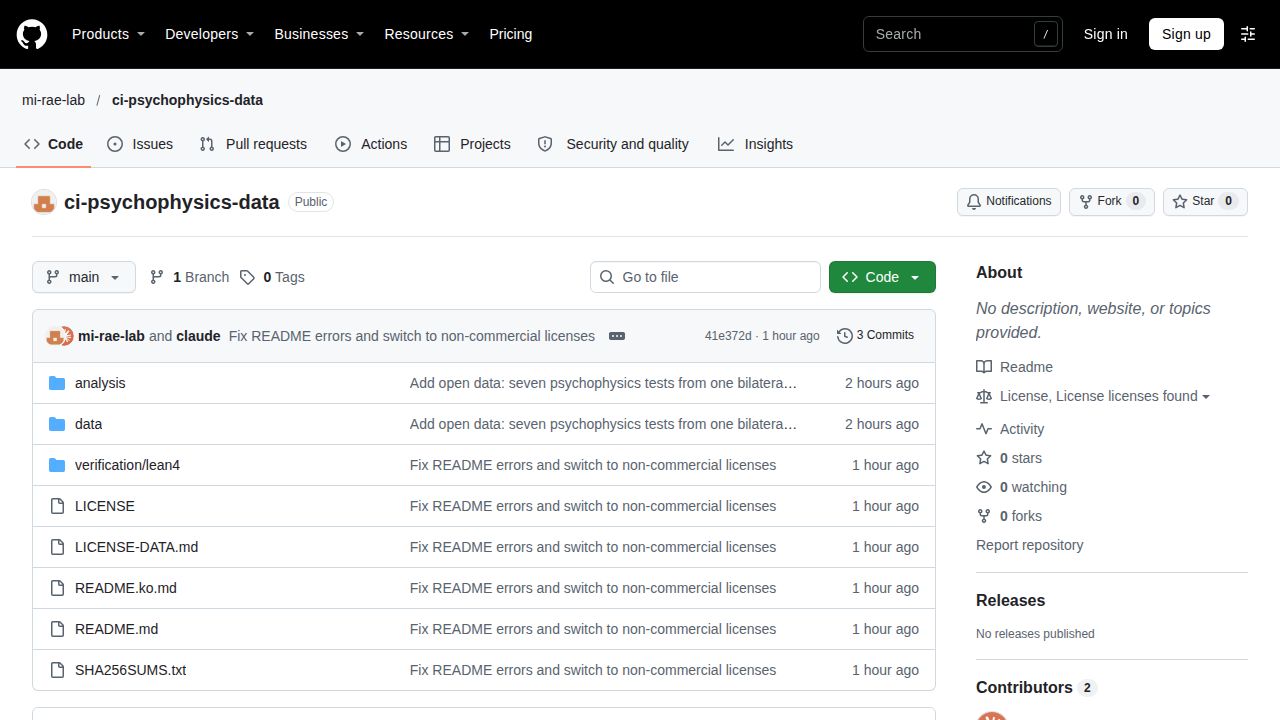
The methodology focused on psychophysics—the study of the relationship between physical stimuli and psychological perception. By running these tests on themselves, the user aimed to map how their specific implants translate sound into internal experience. The user shared their trial-level data and analysis code on GitHub, providing a transparent look at the raw data and the logic used to interpret it. This approach highlights a move toward personalized data collection in the face of standardized medical technology.
Discussion around the study revealed significant technical and biological constraints. An ENT surgeon with over 20 years of experience in the research field noted that while individual-level strategies can be helpful, there are inherent limitations at the auditory nerve interface. These biological constraints often prevent specific improvements in speech or music processing from becoming universal clinical standards. Furthermore, while some participants suggested that real-time voice transformation software might improve speech intelligibility for implant users, the primary challenge remains the interface between the device and the auditory nerve. The study underscores that while hardware is standardized, the subjective 'psychophysics' of the user remains a highly individualized variable.