Building a functional GPU driver for modern hardware is an arduous engineering feat, often requiring years of manual reverse engineering. For Apple's Silicon, the challenge is compounded by the 'AGX' GPU architecture, which utilizes a complex firmware ABI (Application Binary Interface). In this system, the Linux kernel driver does not communicate directly with the hardware; instead, it interacts with GPU firmware running a custom real-time operating system (RTKit). The developers of a new driver for the M4 Mac Mini and MacBook Neo faced a particularly daunting hurdle: the A18 Pro firmware ABI is significantly more complex than previous generations, featuring 1.5x as many structures and twice as many pointers, making manual reconstruction extremely difficult.
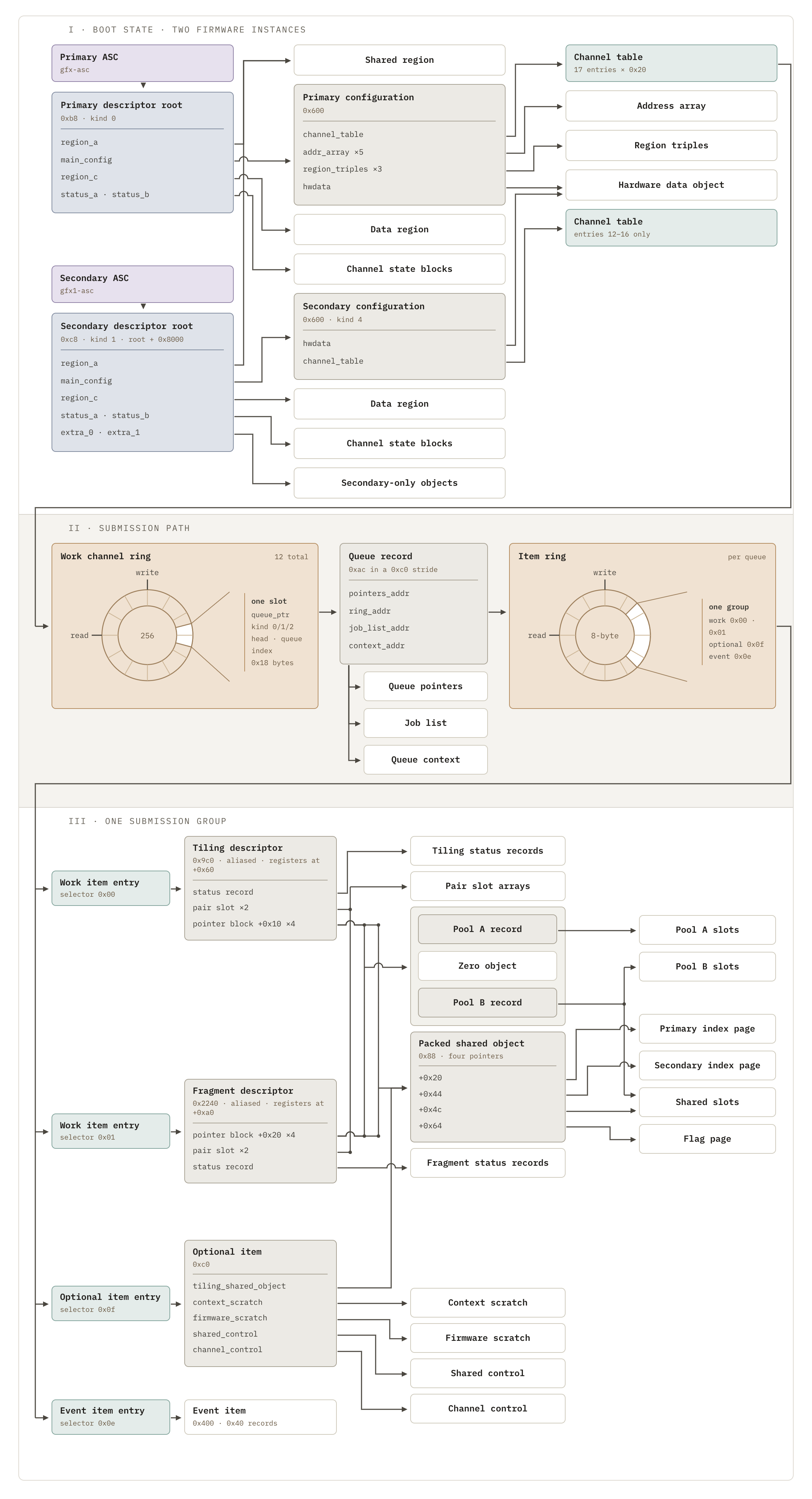
The article describes the daunting hurdle of the A18 Pro firmware ABI's complexity compared to previous generations.
To overcome this, the team employed a methodology centered on hardware tracing and 'replay' mechanics. By using a custom-built hypervisor, they could observe exactly how macOS interacted with the GPU and then replay those hardware traces. This allowed them to feed specific, isolated captures into an LLM (Codex) to deconstruct the firmware's shared memory structures. For example, when faced with a massive 336 MB compute trace that was initially impossible to replay, the team pivoted to a 'single-user mode' strategy. By booting without a GUI and running a tiny, pure compute program, they captured a much smaller, manageable trace that the LLM was able to deconstruct into usable code within a few days. This process was split into two halves: the kernel space, which manages firmware interfacing and buffer allocation, and the user space, which handles the shader compiler and command stream building.
The project also highlighted the distinct trade-offs of using AI agents for complex engineering. The author noted that while the LLM was highly effective at systematic debugging—such as comparing full address spaces to known good samples—it could also be 'pedantic.' One developer found that an agent focused on hardware completeness often got stuck on minor, inconsequential details. In contrast, a second developer saw faster progress by using an agent 'grounded' by the need to build the Mesa graphics stack first, only performing reverse engineering as needed to unblock specific functionality. While the resulting driver is fast enough to run Minecraft at 200fps and supports WebGL in Chrome and Firefox, the authors clarify that the code is not yet ready for general end-users and that complex features like 'partial renders' remain highly finicky and difficult to stabilize.
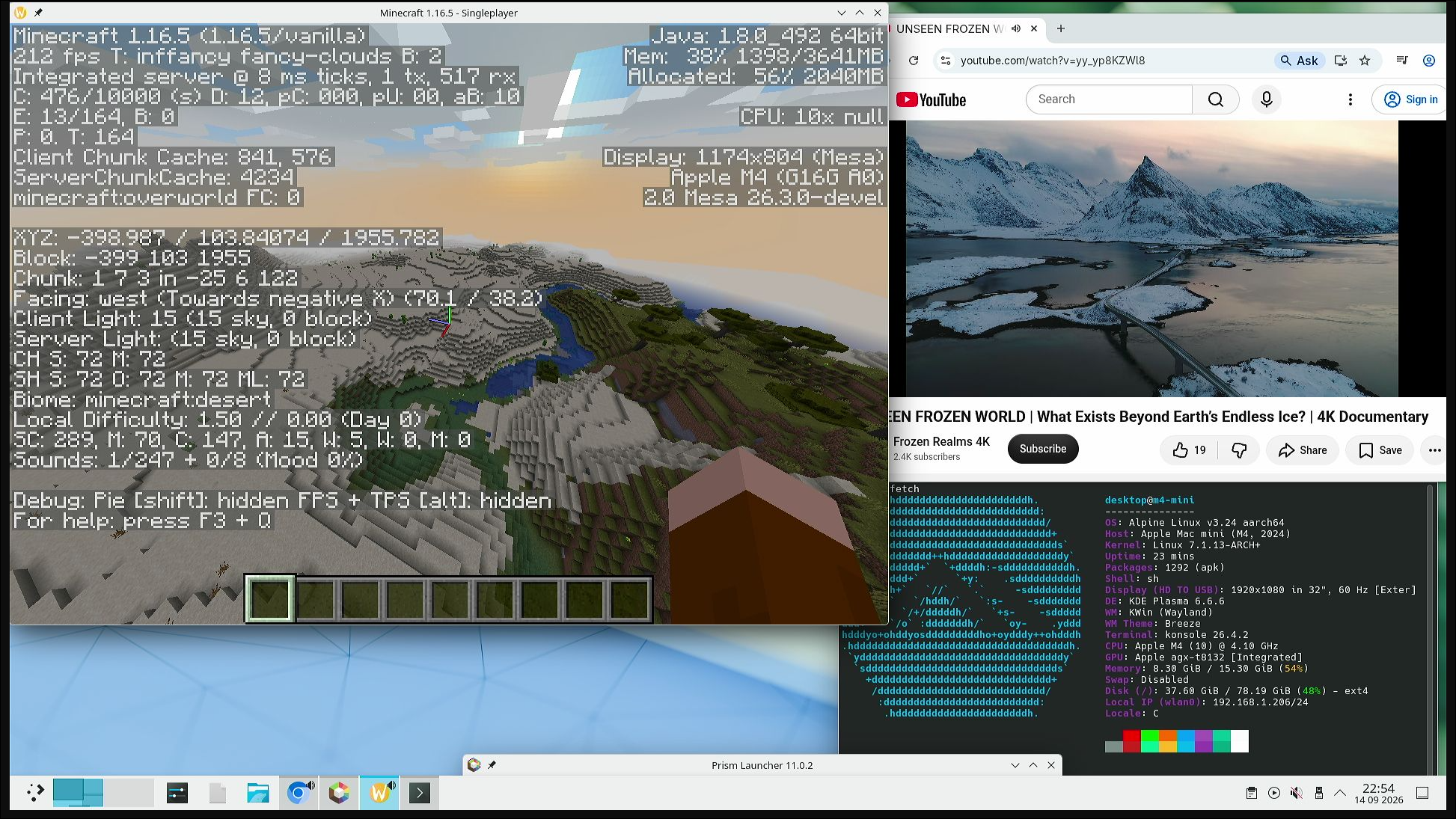
The text mentions the driver is fast enough to run Minecraft at 200fps.
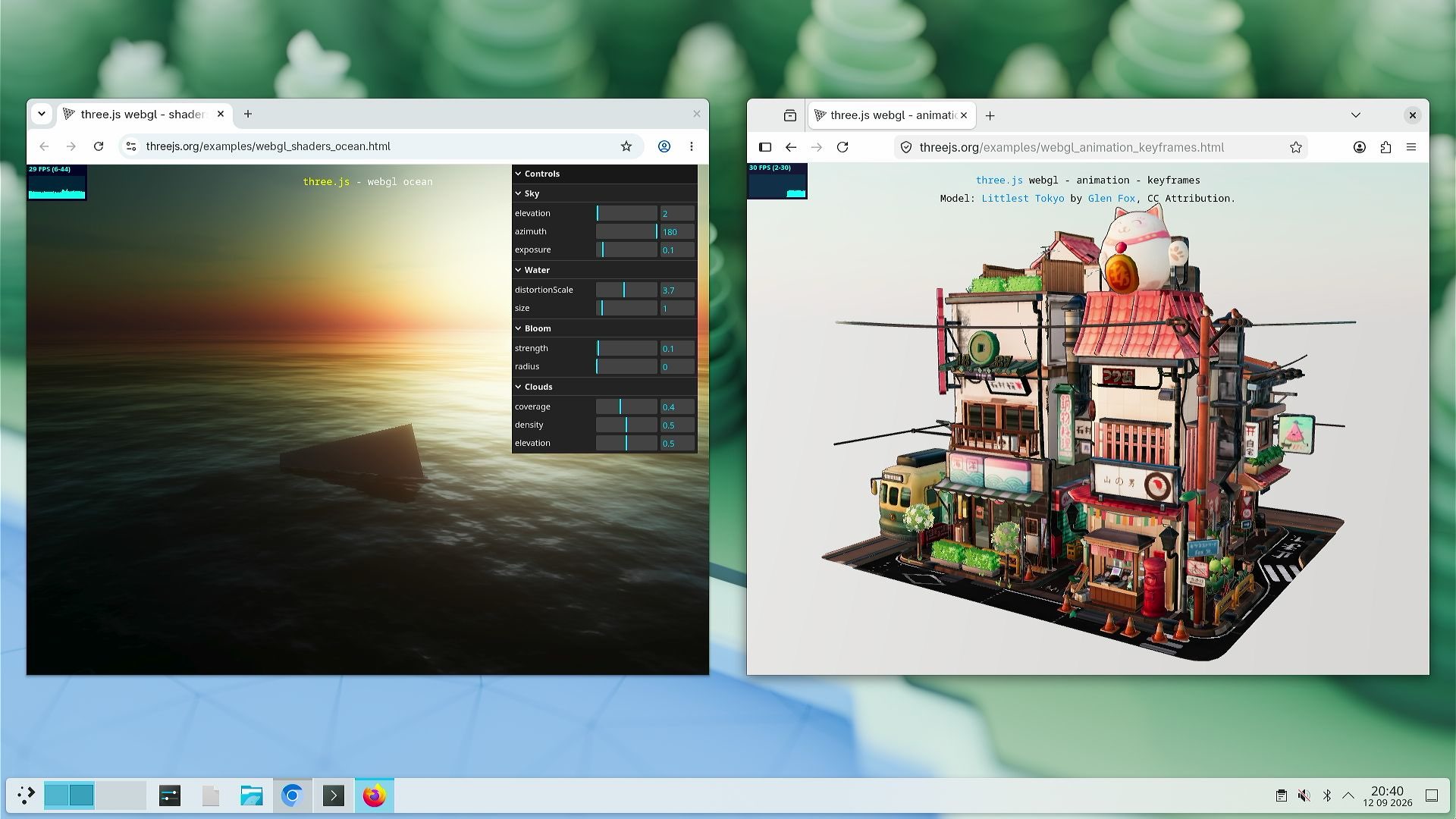
The article notes that the driver supports WebGL in Chrome and Firefox.
This rapid development has sparked debate regarding the provenance and future of such code. Because the project utilized LLMs to navigate proprietary hardware, it faces potential friction with projects like Asahi Linux, which maintain a strict 'no-AI' policy for upstreaming code. Furthermore, the use of AI-generated code to interface with proprietary hardware raises questions about the 'tainted' nature of the resulting binaries and whether such work can ever be officially accepted into the Linux kernel. For now, the project serves as a proof of concept that AI-assisted reverse engineering can collapse the timeline of hardware porting from years into weeks.