1613 points
Wine Ported to OpenBSD
A new port of the Wine compatibility layer has been developed for OpenBSD, enabling the execution of Windows applications and games on the BSD-based operating system.
Read full article →DAILY HACKER NEWS RANKING
Final ranking · Hacker News daily top 30 ↗
A new port of the Wine compatibility layer has been developed for OpenBSD, enabling the execution of Windows applications and games on the BSD-based operating system.
Read full article →MiniMax has launched M3.1 Flash, a next-generation large language model (LLM) designed to balance high-speed inference with performance in complex agentic workflows, coding, and cybersecurity.
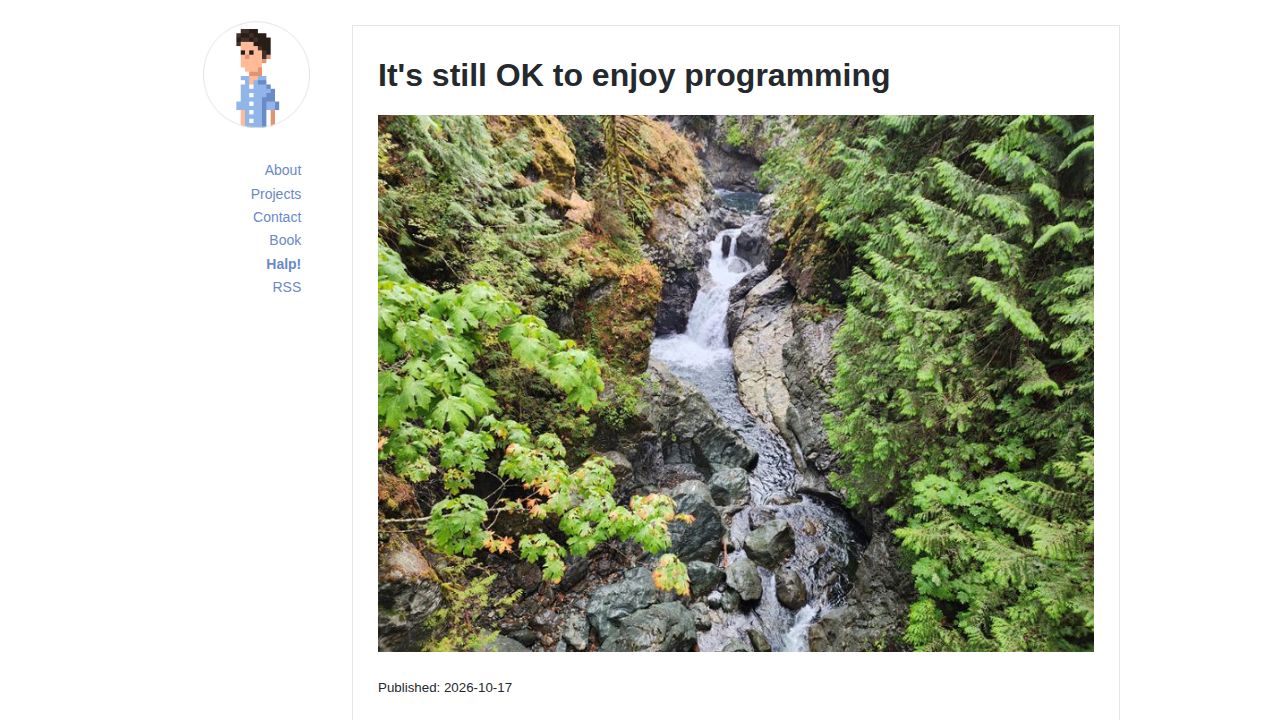
Read full article →As AI tools become capable of generating functional code instantly, the professional and personal motivations for programming are shifting. While the economic value of manual coding is changing in a business context, some developers argue that the intrinsic joy of solving hard problems and exploring complex concepts remains a valid and rewarding pursuit.
Read full article →A project by Joshua Bird demonstrates a 'monocopter' drone that achieves flight and maneuverability using only one motor. By replacing traditional mechanical components like a swash plate with a specialized hinge design and high-speed control software, the drone manages lift and orientation through torque modulation and real-time sensor feedback.
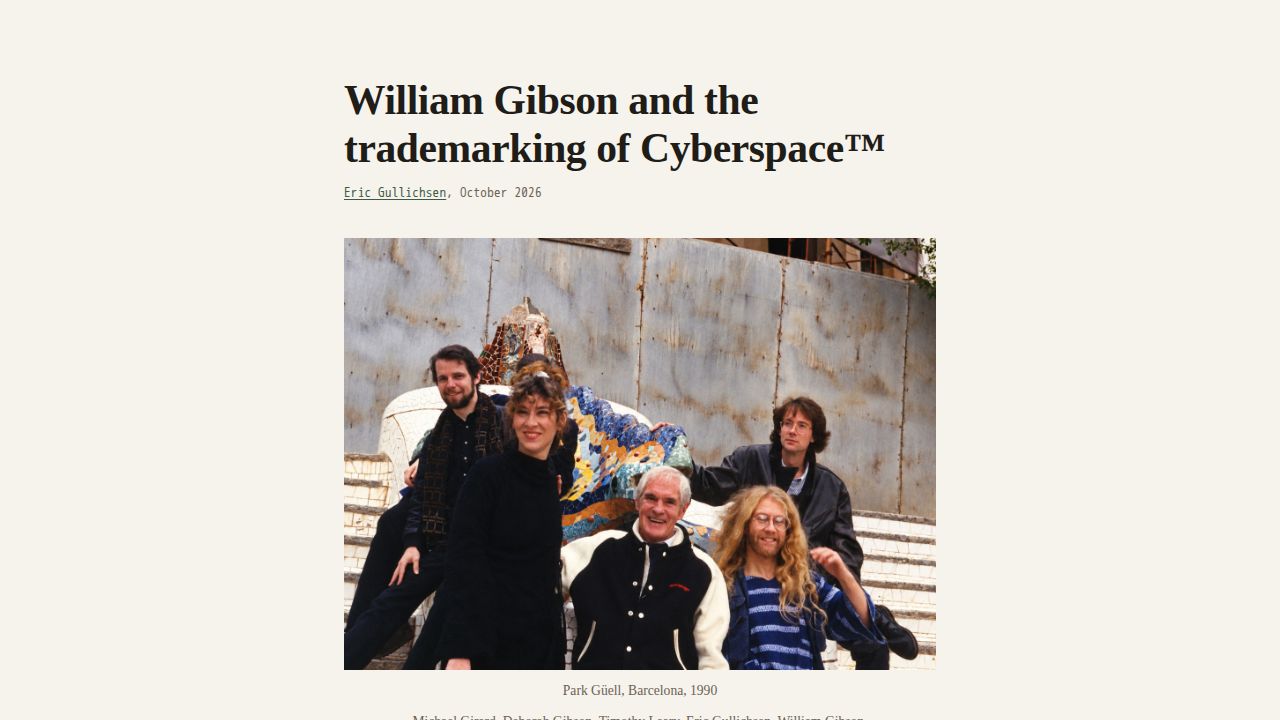
Read full article →A firsthand account from a former Autodesk researcher clarifies a long-standing tech legend: while William Gibson did object to Autodesk's attempt to trademark 'cyberspace,' the claim that he retaliated by trademarking the researcher's name was a prank.
Read full article →A developer released a browser-based mini-game, 'StarCraft: Ashfall,' which mimics the simplified gameplay often seen in mobile advertisements. The project features Terran and Zerg units and has sparked discussion regarding its design, copyright, and the nature of 'hyper-casual' gaming.
Read full article →The rs-sdk project provides a specialized environment for developing and testing autonomous AI agents within a RuneScape-style MMORPG, offering a safe space to research goal-directed program synthesis and agent collaboration.
Read full article →Mistral AI has launched Timestral, a family of time-series foundation models (TSFM) designed to provide probabilistic, multivariate forecasts across diverse domains using a pre-trained approach that transfers patterns across different data types.
Read full article →Developers and organizations are increasingly adopting self-hosted Large Language Model (LLM) proxies to gain granular visibility into data paths, manage multi-provider configurations, and enforce security redactions before prompts reach cloud providers.
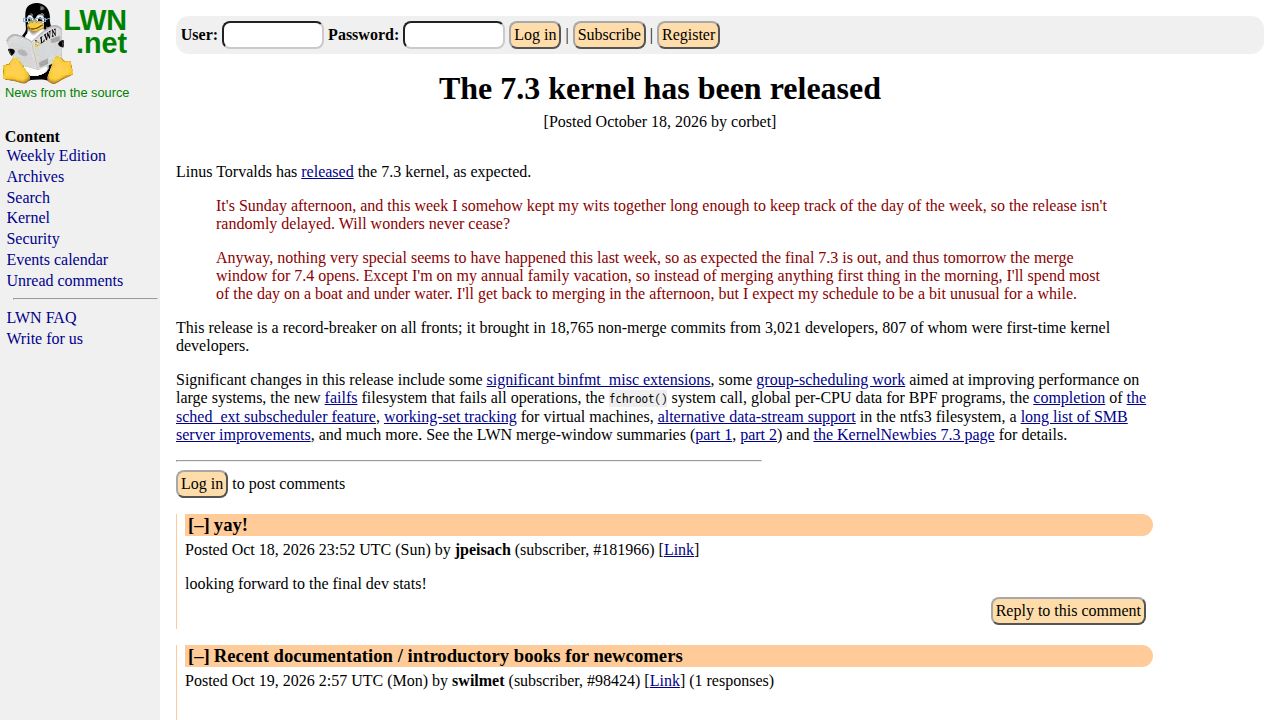
Read full article →The release of Linux kernel 7.3 marks a significant milestone in development volume and hardware compatibility, notably introducing native support for Apple's M3 series chips and opt-in Time Machine support for SMB shares.
Read full article →New technologies like 'organ-on-a-chip' systems and computational models are gaining regulatory momentum as alternatives to traditional animal testing in drug development.
Read full article →As AI tools increasingly generate production-ready code, software engineers are grappling with a shift in the craft: moving from deep, line-by-line understanding to high-level architectural oversight. This transition raises questions about accountability, skill decay, and the evolving role of the human developer.
Read full article →OpenBSD is preparing for its 8.0 release by integrating updated graphics drivers from the Linux kernel, a practice that reflects the operating system's long-standing approach to hardware compatibility.
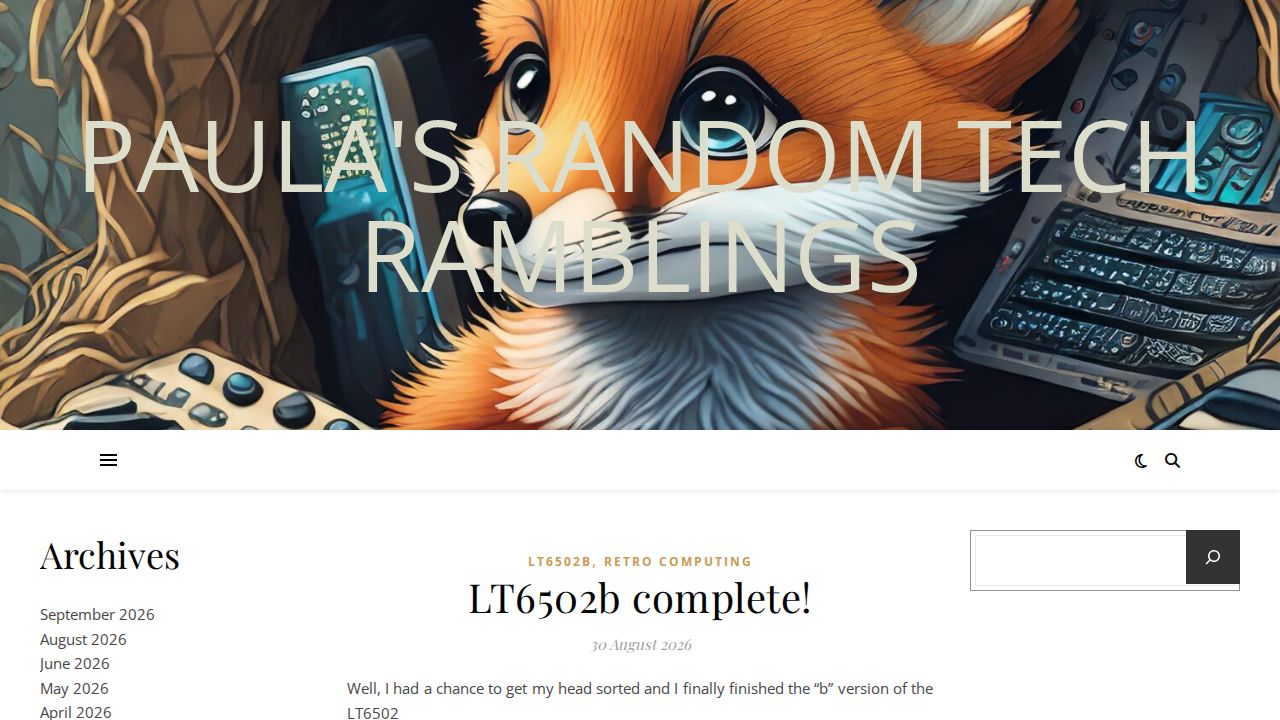
Read full article →A DIY project has introduced a functional laptop powered by the 6502 CPU, a processor famous for its role in 1980s computing. The device features 46KB of RAM, a 10.1-inch screen, and a WiFi modem, highlighting the capabilities of vintage hardware in a modern form factor.
Read full article →Let's Encrypt is increasing the number of remote network perspectives used during domain validation to meet new baseline requirements and improve protection against BGP hijacking attacks.
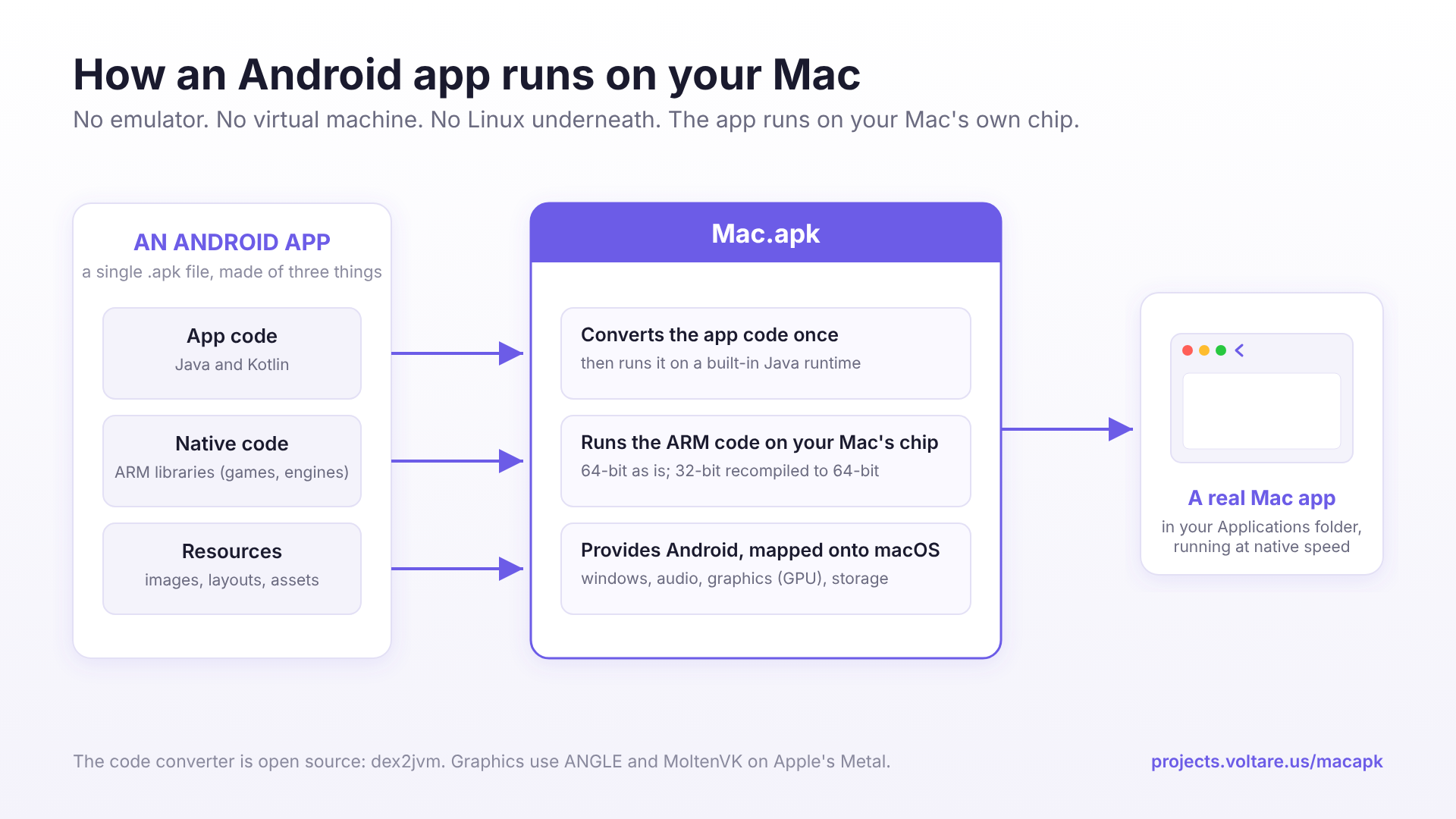
Read full article →The Mac.apk project enables users to run Android applications natively on Apple Silicon Macs without the use of emulators, virtual machines, or a background Linux kernel.
Read full article →A new read-only Model Context Protocol (MCP) server allows AI agents to search and read personal WhatsApp messages by running a linked device instance on Cloudflare Workers.
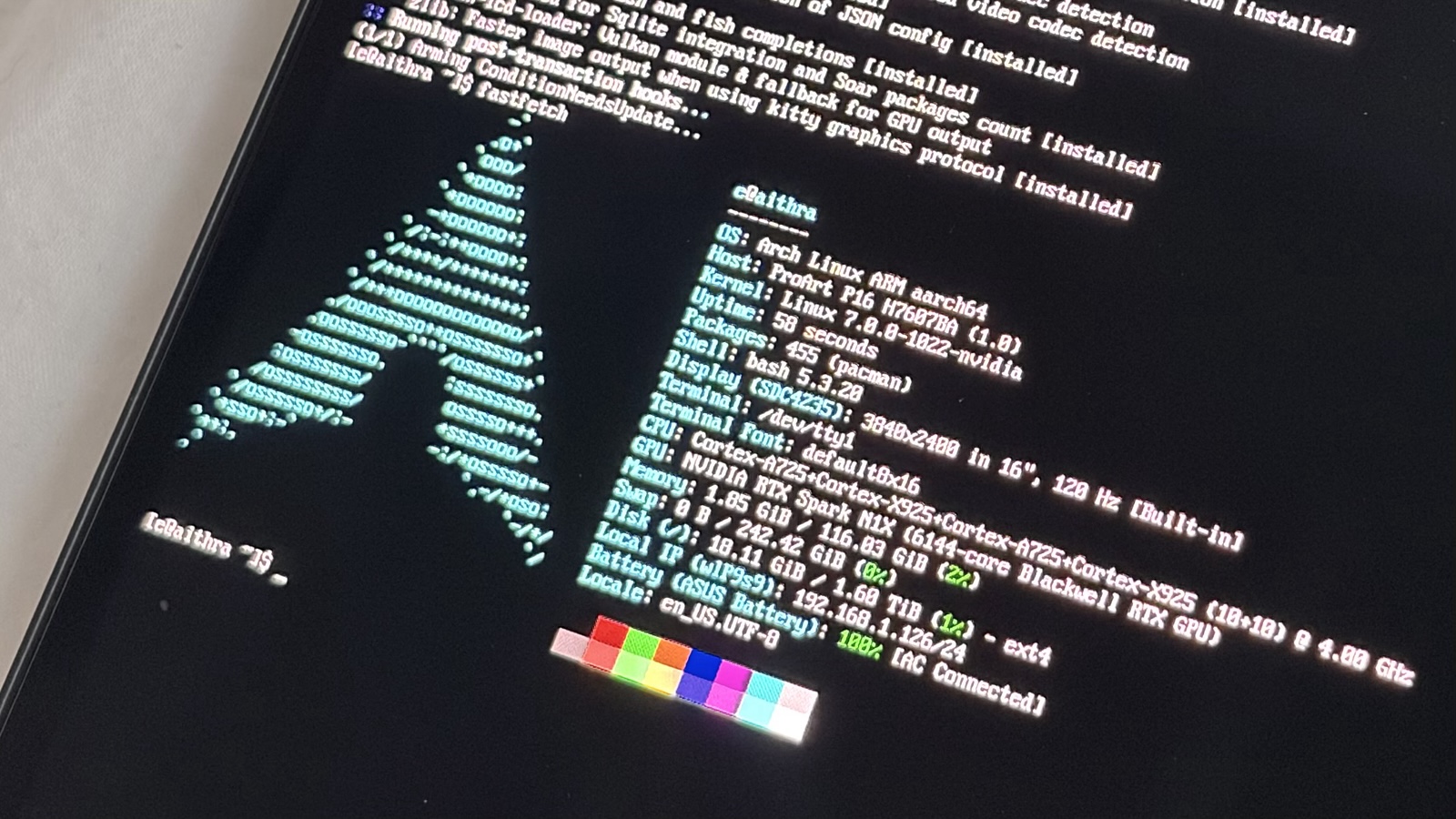
Read full article →A developer successfully ported Arch Linux to a high-end ASUS ProArt P16 laptop featuring an NVIDIA N1X GPU, enabling local AI development without a Microsoft account.
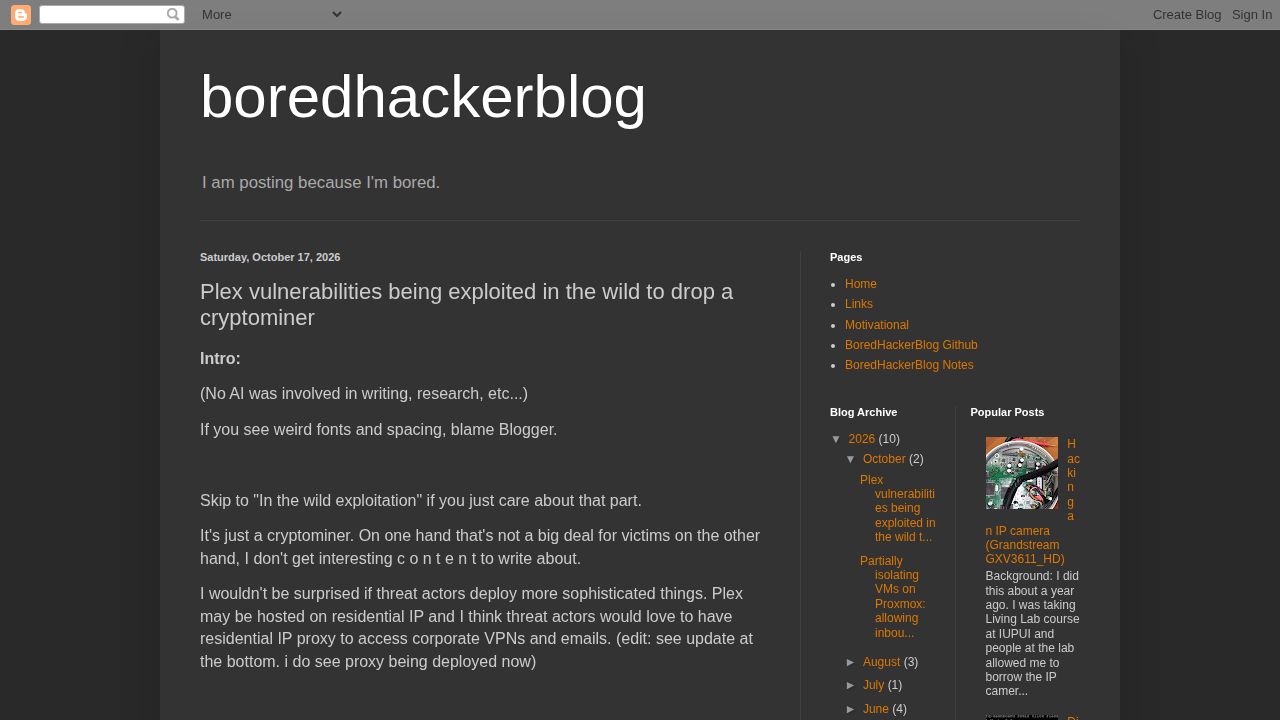
Read full article →Users on Hacker News discussed reports of vulnerabilities in the Plex media server being exploited to install unauthorized cryptomining software on internet-facing systems.
Read full article →A former Savannah police officer was terminated after providing her login credentials for the Flock license plate reader system to her husband, a federal ICE agent, who used the account to conduct hundreds of searches.
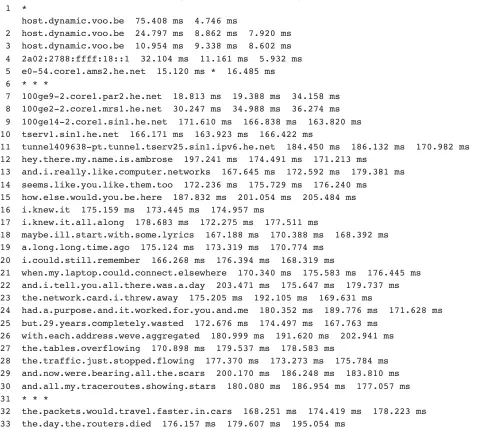
Read full article →The DNS Museum documents a collection of creative, experimental, and often impractical ways developers have utilized the Domain Name System (DNS) for purposes far beyond standard hostname resolution.
Read full article →The Department of Defense is shifting its munitions strategy toward a "high-low mix," balancing expensive, high-performance legacy systems with a rapidly expanding portfolio of low-cost, mass-producible weapons to address modern threats like drone swarms.
Read full article →To prevent fishmeal from spontaneously combusting during transport, the industry adopted ethoxyquin, a chemical antioxidant that has since faced scrutiny over potential carcinogenic effects and environmental risks.
Read full article →Superlite is a new specification designed to provide a faster, more streamlined process for AI agents to develop software, aiming to reduce the overhead and 'cargo culting' associated with more complex agentic frameworks like Superpowers.
Read full article →CERN and the AI lab Mistral have signed a statement of intent to develop a 'Large Physics Model,' a foundation model designed to streamline the complex reconstruction of particle collisions at the Large Hadron Collider.
Read full article →In medieval England, rabbits were an expensive delicacy reserved for the aristocracy. Following the Black Death, a shift in social structures and labor availability allowed the common population to adopt these luxury goods, fundamentally changing the animal's status and ecological impact.
Read full article →Developers are increasingly using the terminal multiplexer tmux to manage long-running AI coding agents like Claude Code. By leveraging tmux's ability to survive disconnections, hold multiple sessions in one window, and accept external commands, users can automate agent interactions and maintain persistent development environments over SSH.
Read full article →Laminar is an open-source observability platform designed to help developers monitor, trace, and evaluate the behavior of AI agents using a Rust-based backend and OpenTelemetry-native SDKs.
Read full article →A Ruby developer has archived their repositories, citing a loss of personal joy in maintaining open-source gems as AI agents begin to handle the 'combinatory' and 'exploratory' aspects of coding. The move highlights a broader discussion on the erosion of the human collaborative experience in software development.
Read full article →While large language models have thrived on massive datasets of existing text, robotics faces a significant hurdle: a lack of high-quality, public training data for physical actions. Researchers are exploring various methods to bridge this gap, from human teleoperation and simulation to 'egocentric' video collection.
Read full article →