DATE ARCHIVE
2026-10-09
Articles published on 2026-10-09.

YouTuber Builds ALPR Camera to Monitor Police, Prompting Police Visit
Canadian YouTuber Anthony Sistilli constructed an automatic license plate recognition (ALPR) system to track police vehicle movements, leading to a visit from Peel Regional Police officers who questioned his intentions, highlighting tensions around surveillance technology.

Why Real Conversations Need Preliminaries Before the Point
Ken Arneson's 2015 reflection reveals how shared meals and idle chit-chat create the trust necessary for discussing vulnerable topics, a function lost in character-limited platforms like Twitter that force premature directness.

Why Common Lisp Excels in the LLM Era
Vivien Henz argues that Common Lisp's live image system, condition-based debugging, and code-as-data uniformity make it uniquely suited for AI-assisted development, offering instant feedback, safe experimentation, and concise programs that reduce token usage.
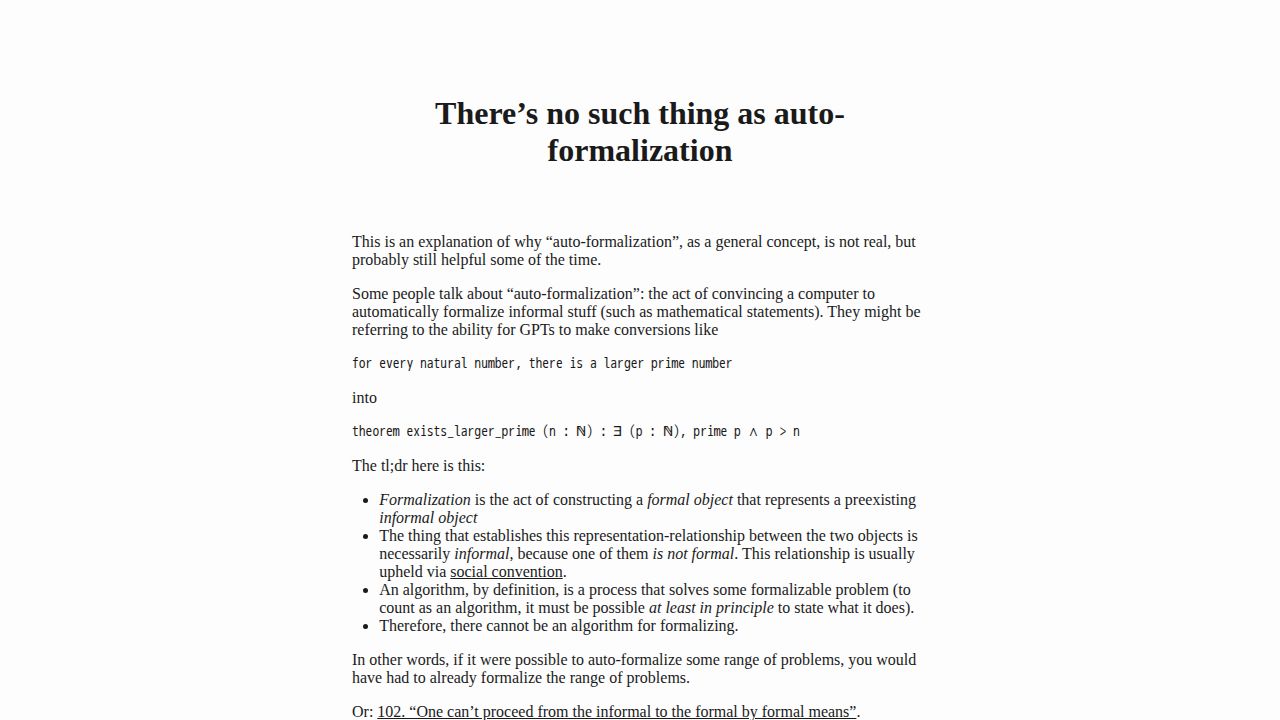
What mathematicians should know about the Lean Theorem Prover: reliability & AI
The Lean theorem prover, rooted in type theory and backed by a massive formal library called mathlib, has enabled rapid advances in autoformalization using AI, while recent soundness bugs in its kernel have highlighted the need for continued verification and human oversight.

The Mathematical Foundations of Geothermal Energy Exploration and Optimization
Geothermal energy taps Earth's internal heat for power and heating, but its practical deployment relies on mathematical models that simulate subsurface processes, optimize extraction, and evaluate economic viability. These models transform theoretical potential into engineering solutions.

The Early History of Smalltalk: Alan Kay's Account of Object-Oriented Origins
Alan Kay's 1993 paper describes how Smalltalk emerged as the first realization of 1960s ARPA and Xerox PARC visions for personal computing, introducing an object-oriented paradigm where programs consist of message-passing between universal behavioral blocks and influencing later systems such as NeXTSTEP and the first web browser.
StepFun's Step 5 Preview Model Debuts on OpenRouter with 1M-Token Context
StepFun has released its Step 5 Preview model on OpenRouter, a sparse Mixture-of-Experts architecture with 27B active parameters out of 600B total, a 1 million-token context window, and pricing of $1 per million input tokens and $2.70 per million output tokens. The model is positioned for agentic work, software engineering, and professional knowledge tasks, with particular strength in finance, and supports tool calling, structured outputs, and multimodal input.

Steepless: A Web App for Finding Flattest Routes in San Francisco
Steepless is a React-based web application that helps users navigate San Francisco by calculating routes with minimal elevation change, created by developer cheeaun after personal experience with the city’s steep streets.

Recreated Commodore 64 Keycap Font Brings Vintage Computing Typography to Modern Use
A faithful recreation of the original Commodore 64 keyboard lettering has been created from photographs of vintage keycaps, providing designers and enthusiasts with an authentic 1980s computing typeface for contemporary projects.
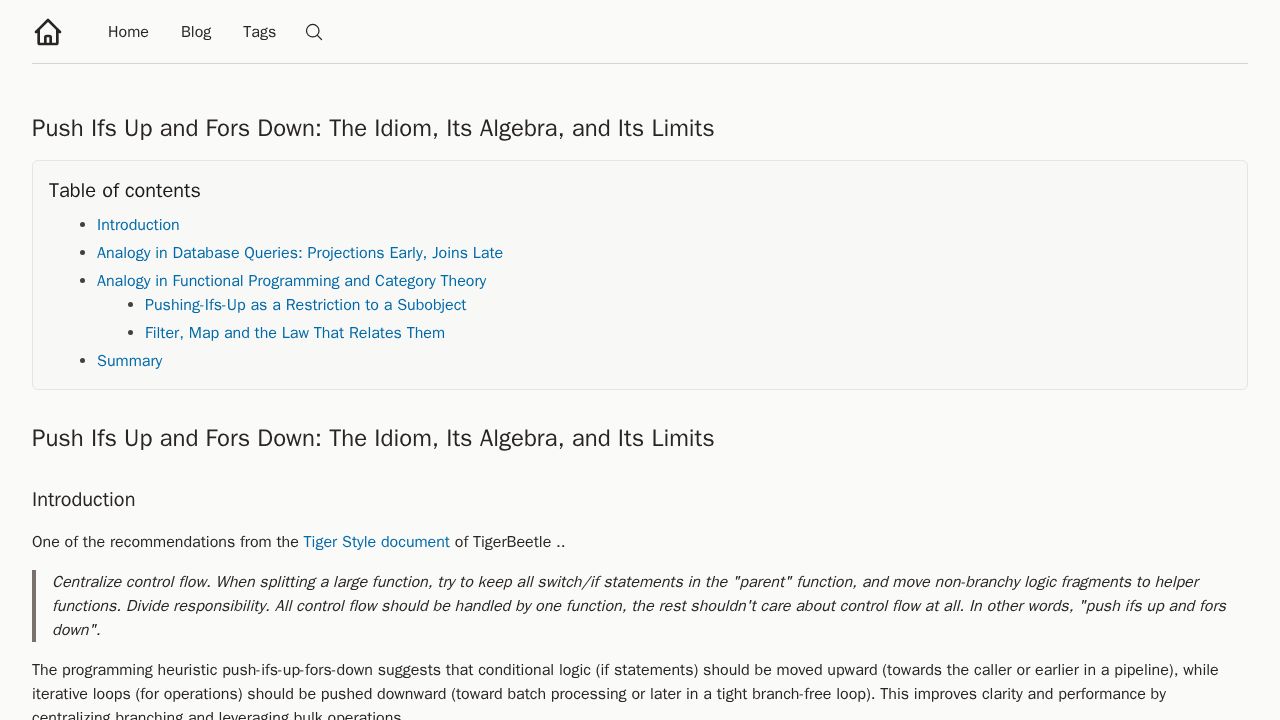
Push Ifs Up and Fors Down: The Idiom, Its Algebra, and Its Limits
The programming heuristic of moving conditionals toward callers and loops toward batch processing can clarify code and improve performance, but only when certain algebraic conditions hold.
Programming Isn't Special
Programming is not a transcendent craft but a form of artistic labor that ranges from mundane copywork to intentional aesthetic expression, and using AI to eliminate the routine work undermines the practice needed for true skill development.

Prime Agent's Rust Rewrite Yields Major Speed and Memory Improvements
Prime Agent, a coding agent harness, has been rewritten from TypeScript to Rust using its own multi-agent system, achieving roughly 14x faster start‑up latency and over 80% lower memory usage while introducing modularity, session isolation, and beta Windows support.
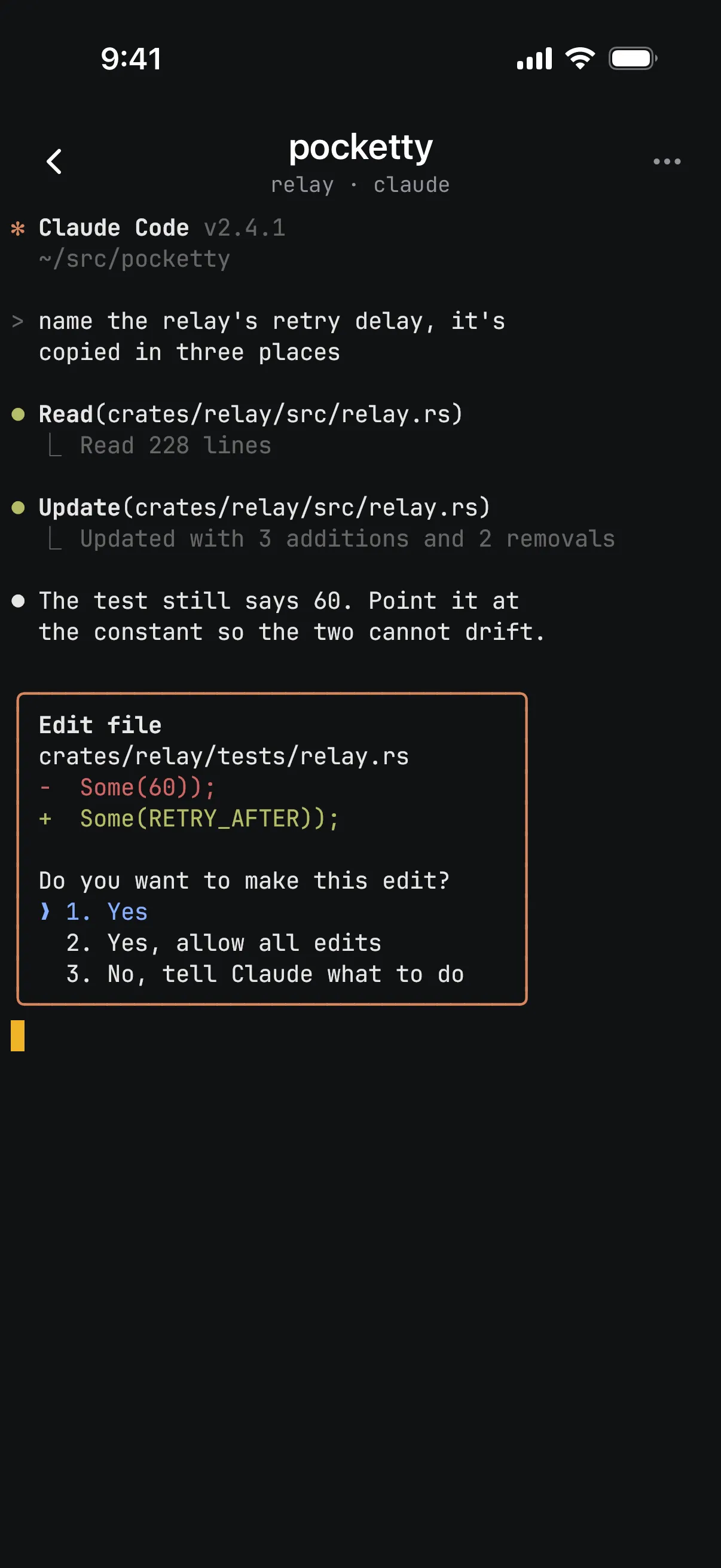
Pocketty Brings SSH‑Based Agent Notifications to iPhone
Pocketty is an iPhone and iPad SSH terminal that alerts you when AI agents such as Claude Code become blocked or finish a task, letting you respond from your phone with real keystrokes. It uses end‑to‑end encryption to keep notifications private and works with any SSH server, offering features like live diffs, localhost previews, and integration with the herdr agent framework.
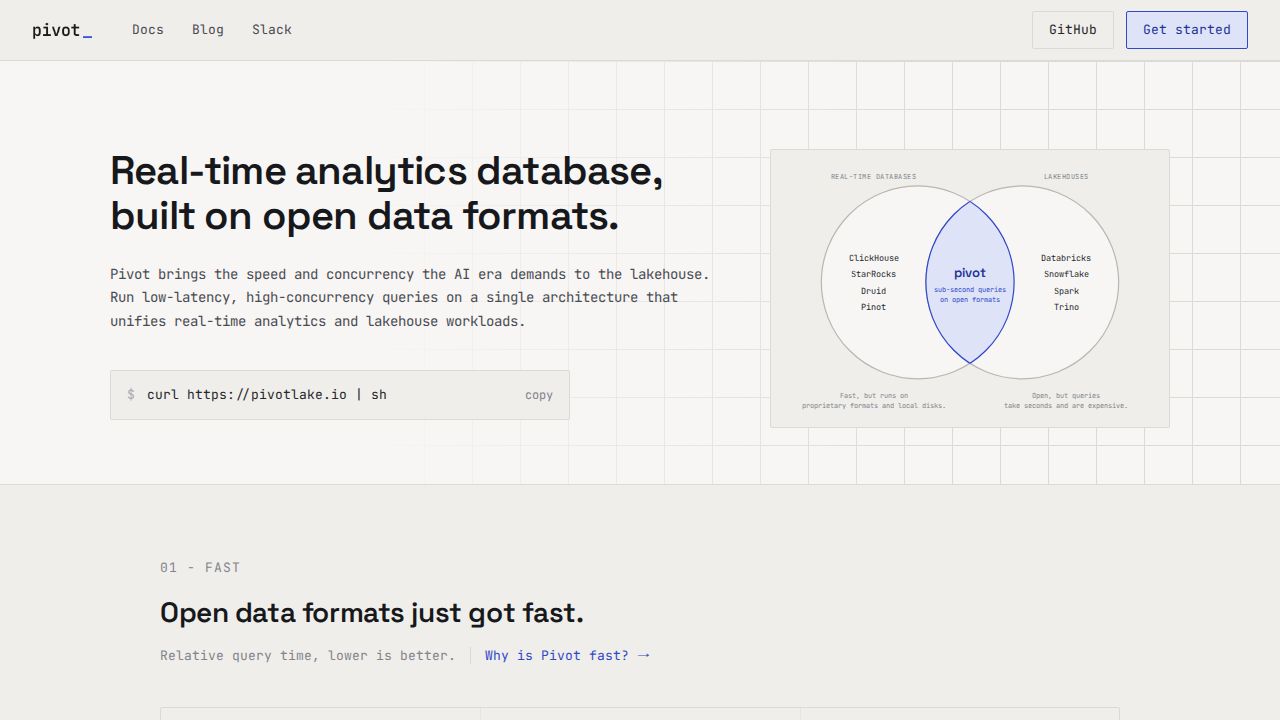
Pivot Delivers Fast, Scalable Analytics on Open Data Formats
Pivot is an open‑source analytics database that runs real‑time SQL queries on Apache Iceberg and Delta Lake without data duplication, offering speed advantages over ClickHouse and DuckDB, instant scaling via object storage, and compatibility with existing open‑format ecosystems.
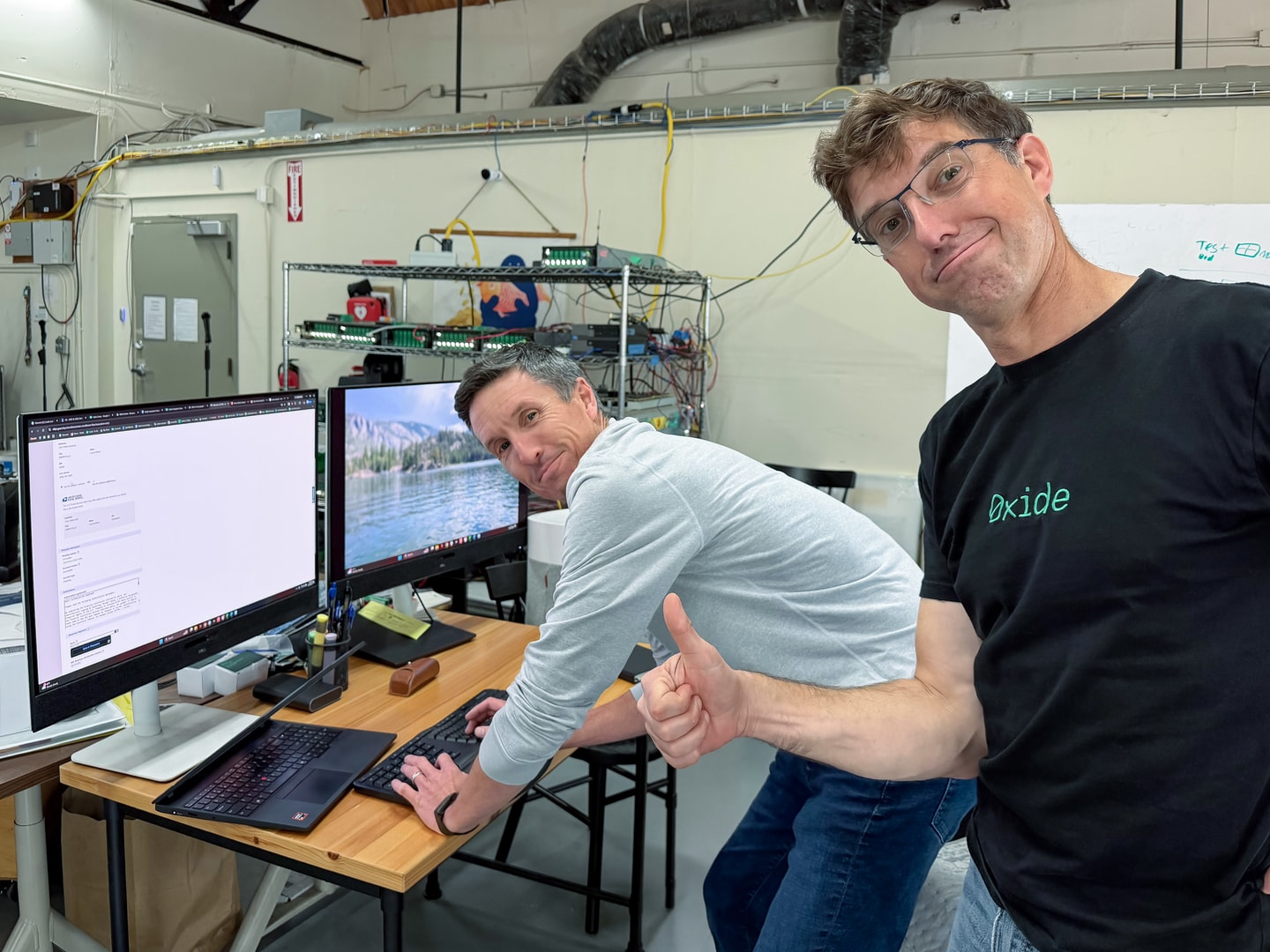
Oxide Computer Raises $445 Million Series D to Scale Profitable Hardware Business
Oxide Computer Company announced a $445 million Series D round, underscoring its recent profitability—marked by paying income tax from ordinary operations—and a large order backlog. The round includes existing investors Eclipse, USIT, Riot Ventures, Jane Street, Friends and Family Capital, and Counterpart, with new lead investor Atreides Management and strategic partner AMD.
OpenTPU: AI-Designed FPGA Accelerator Runs Quantized Language Models with Simulator-Exact Output
The openTPU project presents an open-source AI accelerator where AI agents designed the hardware, instruction set, simulator, compiler, and profiler in a single repository. It runs quantized versions of modern language models like Qwen3 and LFM2.5 on a Xilinx Kintex-7 FPGA card, producing bit-identical token outputs to its simulator while revealing trade-offs in host involvement and quantization accuracy.
OpenAI's Partition Principle Paper Criticized for Poor Exposition
Mathematician Asaf Karagila argues that OpenAI's recent preprint on the Partition Principle suffers from unclear writing and questionable references, hindering productive engagement with the mathematical community.

OpenAI's Decisions API Enters Public Beta with Specialized Evaluation Endpoint
OpenAI has released the Decisions API in public beta, providing a dedicated endpoint for rapid text and image evaluation that returns typed answers for classification and scoring tasks. The API supports predicate, choice, and score question types using the gpt-6-luna model, with performance improvements cited as 10x faster than the Responses API.

Nobel Prize in Chemistry 2026 Honors Discovery of Molecular Asymmetry Control
Henri B. Kagan and Kenso Soai receive the 2026 Nobel Prize in Chemistry for pioneering non‑linear effects and autocatalysis that enable the production of single mirror‑image molecules, a capability vital for drug development.
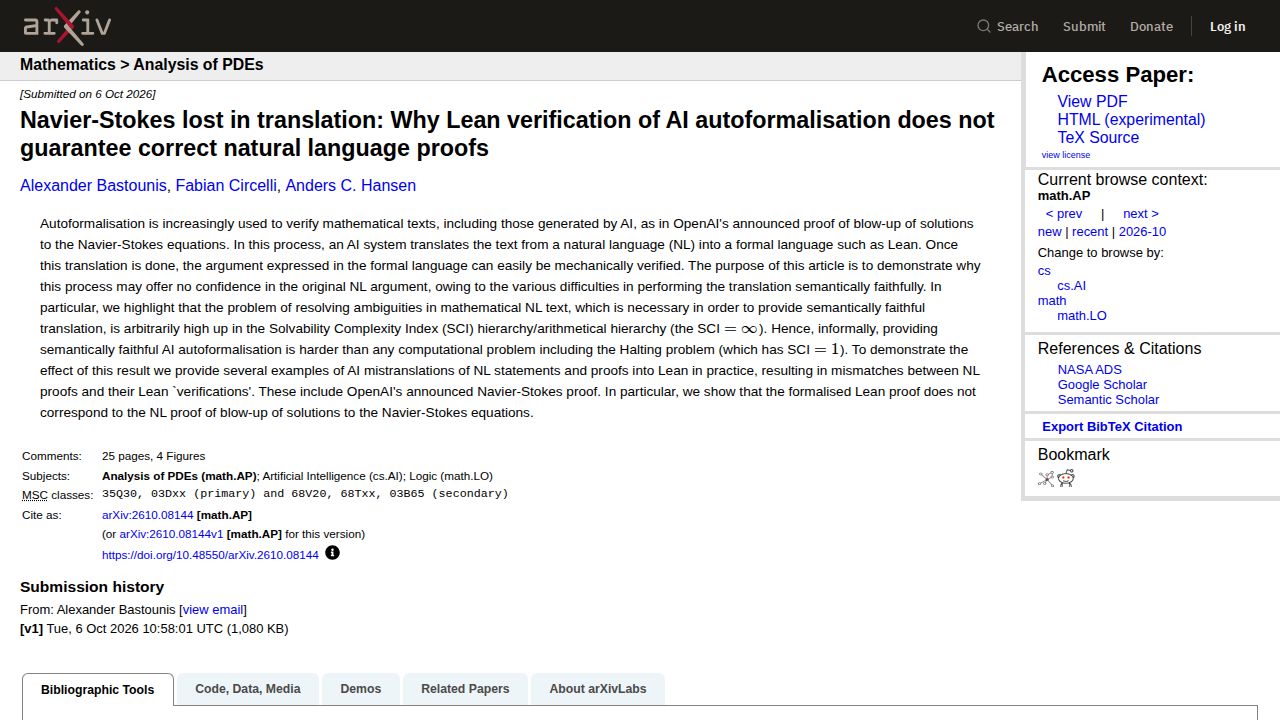
Navier-Stokes Lost in Translation: Why AI-Generated Math Proofs May Not Reflect the Original Argument
A recent paper argues that the process of translating natural language mathematical proofs into formal languages like Lean is so fraught with ambiguity that even AI-generated proofs verified in Lean may not accurately reflect the original natural language argument, using OpenAI's claimed proof of the Navier-Stokes blow-up problem as a case study.

Navanethem 'Navi' Pillay Awarded 2026 Nobel Peace Prize for Advancing International Legal Accountability
The Norwegian Nobel Committee awarded the 2026 Nobel Peace Prize to Navanethem 'Navi' Pillay for her lifelong work using international law to hold leaders accountable for atrocities, including her pivotal role in establishing rape as a war crime and prosecuting genocide incitement through propaganda.
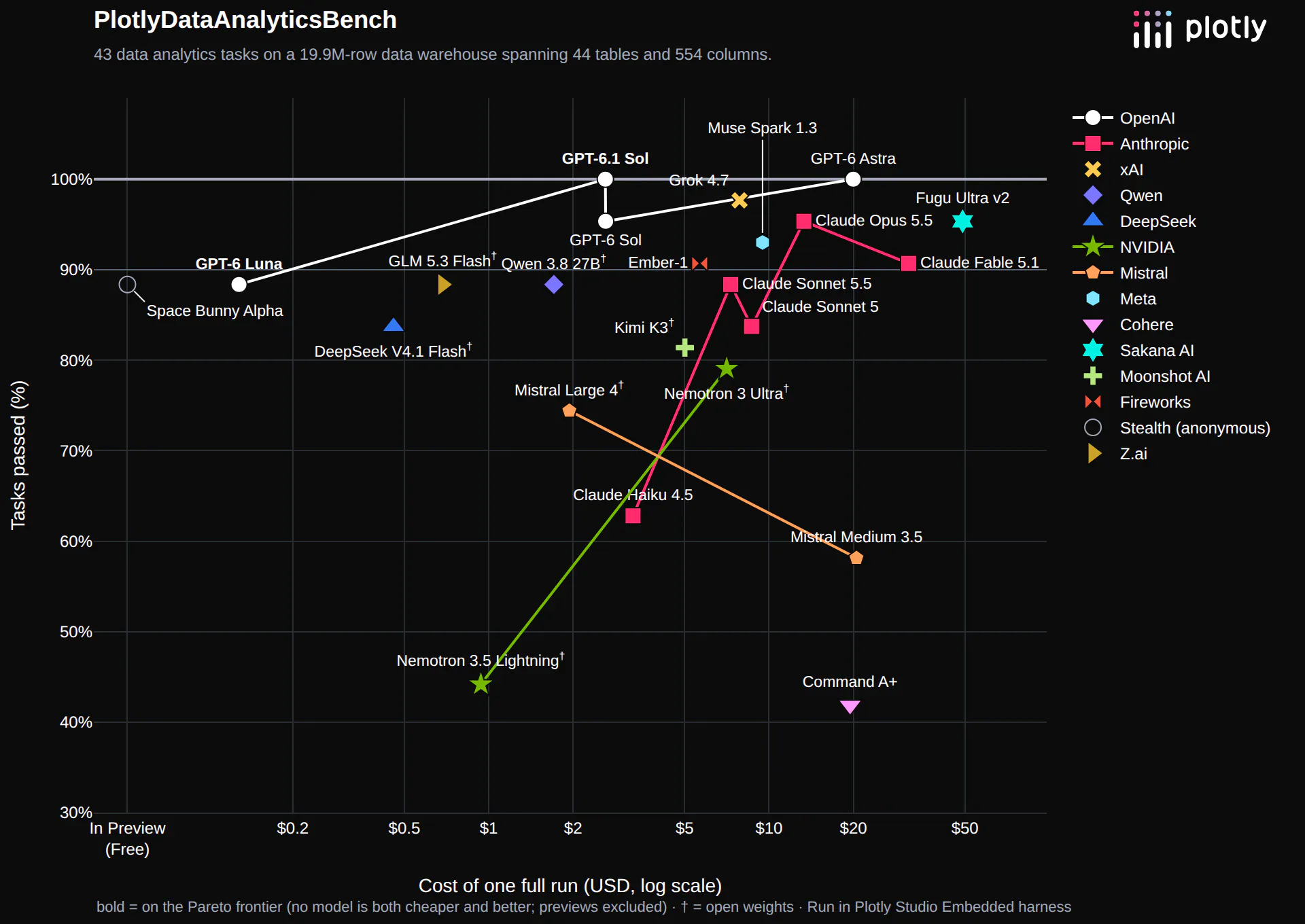
Mistral Large 4 Advances Open-Source AI with European Sovereignty Focus
Mistral's new 1-trillion parameter model demonstrates significant improvements in data analytics performance and cost efficiency while emphasizing European AI sovereignty through local training and deployment.

Microsoft Introduces Decision-1 Model for Fast Decision-Making Tasks
Microsoft has unveiled Microsoft-Decision-1, a new AI model designed for structured decision-making tasks like routing, classification, and workflow control, claiming superior speed and accuracy compared to both large language models and other decision-focused AI systems.
Microsoft Execution Containers Offer Flexible Sandboxing for AI Agent Safety
Microsoft unveiled Execution Containers (MXC) at Build 2026 as a cross‑platform sandboxed code execution system designed to isolate untrusted code such as AI model outputs and plugins from host environments. The technology provides multiple isolation backends ranging from OS‑native process sandboxes to full virtual machines, all controlled through declarative JSON policies.

Keyboard Differences Between Windows and macOS: A Reference Guide
This article outlines the divergent keyboard conventions between Windows and macOS, covering key names, modifier keys, symbols, shortcuts, function keys, and special character input, based on a reference guide by Marcin Wichary.

Jane Street Intern's Indexing Strategy Cuts Message Bus CPU Usage by 30%
A Jane Street intern optimized the company's internal Aria messaging framework by implementing topic partition indexing and adaptive subtree splitting, reducing CPU usage by 30% and eliminating multi-second latency spikes in production workloads.

How Victorian Britain’s Elite Succeeded Through Character, Not Cramming
Victorian elites achieved global dominance not through relentless STEM study or austere regimens, but by emphasizing moral formation, sports, and peer‑led governance in their schools and universities.
God of War PSP Games Run in Browser via WebAssembly Recompilation
A GitHub project shows how PSP games can be played directly in a web browser by statically recompiling MIPS code to WebAssembly, using a high‑level emulation layer for the PSP OS and a WebGL2 renderer, achieving playable frame rates for titles like God of War.
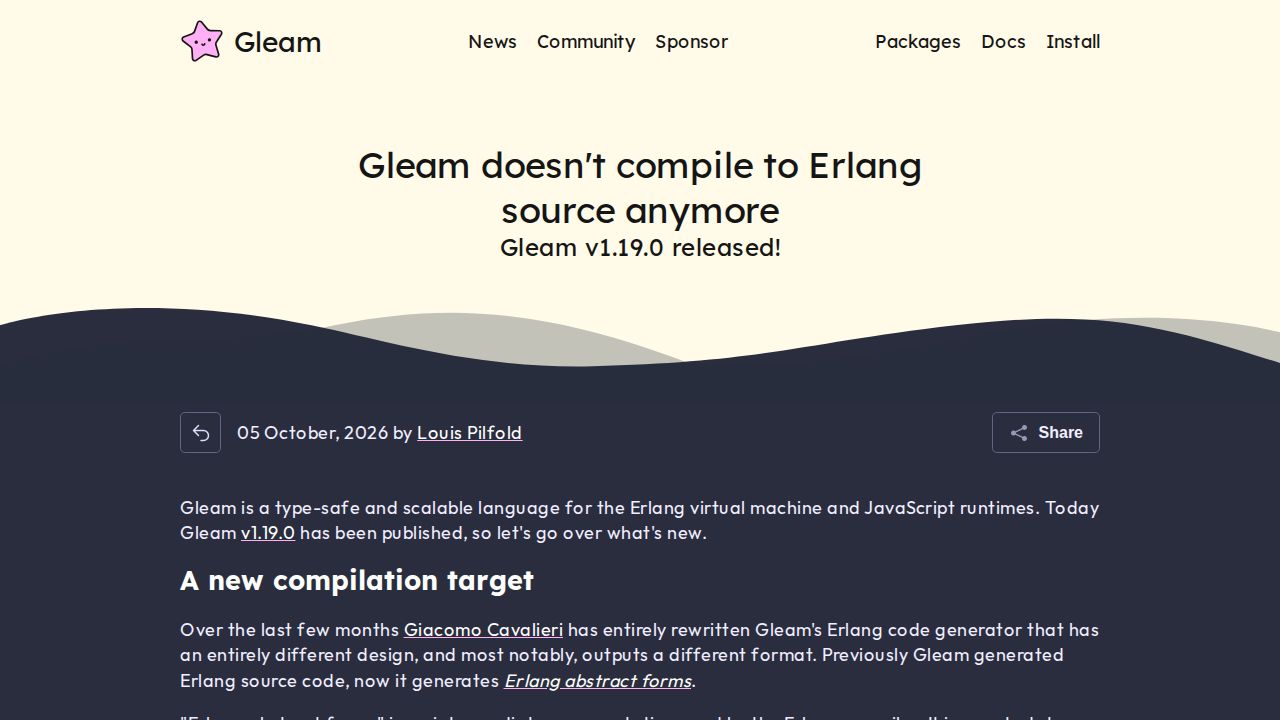
Gleam Switches to Erlang Abstract Forms for Faster Builds and Precise Debugging
Gleam v1.19.0 now outputs Erlang abstract forms instead of Erlang source code, speeding up compilation and providing exact line numbers in runtime errors while avoiding the maintenance burden of direct BEAM bytecode generation.
Francis Halzen Wins 2026 Nobel Prize in Physics for IceCube Neutrino Observatory
The Royal Swedish Academy of Sciences has awarded the 2026 Nobel Prize in Physics to Francis Halzen for his pioneering work on the IceCube Neutrino Observatory and the discovery of high-energy neutrinos of astrophysical origin. The article explains how IceCube detects these elusive particles and why they offer a unique window into the universe's most energetic processes.
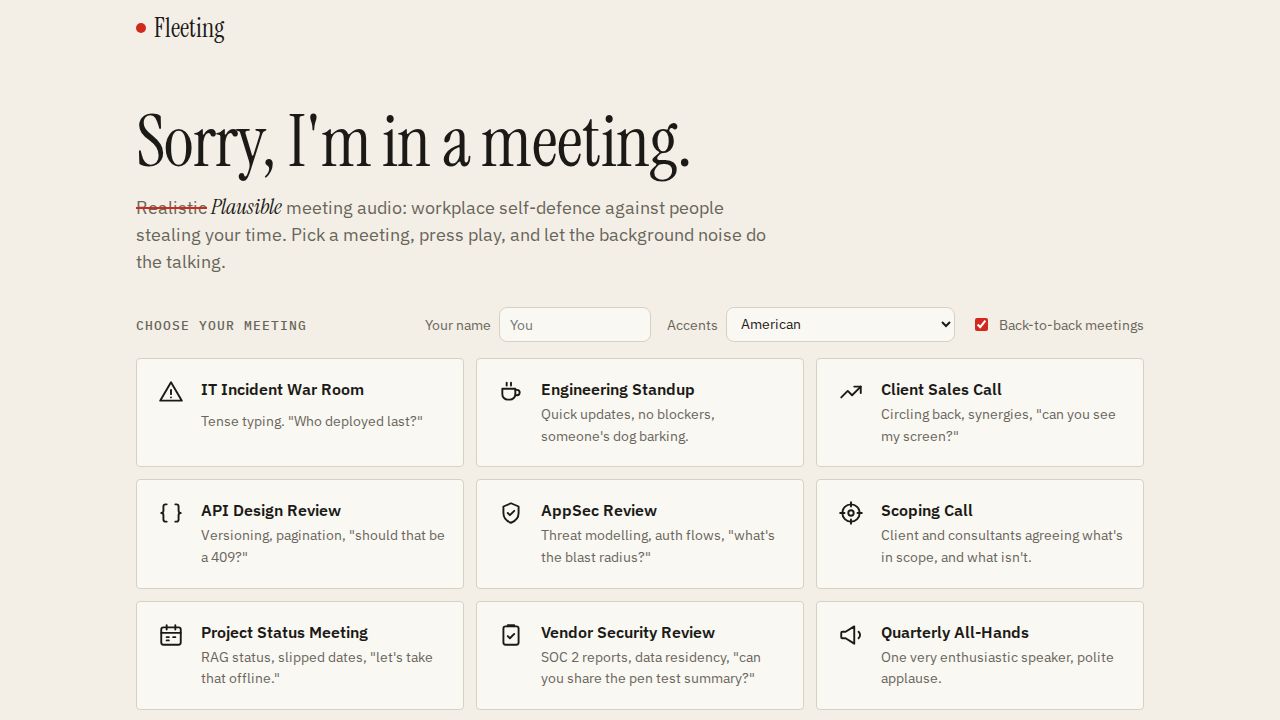
Fleeting Provides Synthetic Meeting Audio as a Workplace Boundary Tool
Fleeting is a web service that generates fabricated meeting audio to help users signal they are occupied and avoid interruptions, offering customizable parameters, random start points, and synthetic voices to create a plausible background conversation.
ESP32-C3 Adblock: Hash-Based DNS Filtering on a $2 Microcontroller
A GitHub project shows how to implement a Pi-hole-style DNS ad-blocker on an ESP32-C3 microcontroller for about $2, storing 537,000 domains as 40-bit hashes in flash to avoid PSRAM requirements while maintaining approximately 10ms lookup times.

Edi Life OS Offers Self-Hosted Personal Dashboard with MCP Server for AI Integration
Edi Life OS is a self-hosted web application that unifies habits, goals, Kanban, finance, focus and note-taking tools in a single dashboard and provides an optional MCP server for connecting AI assistants via natural language commands.
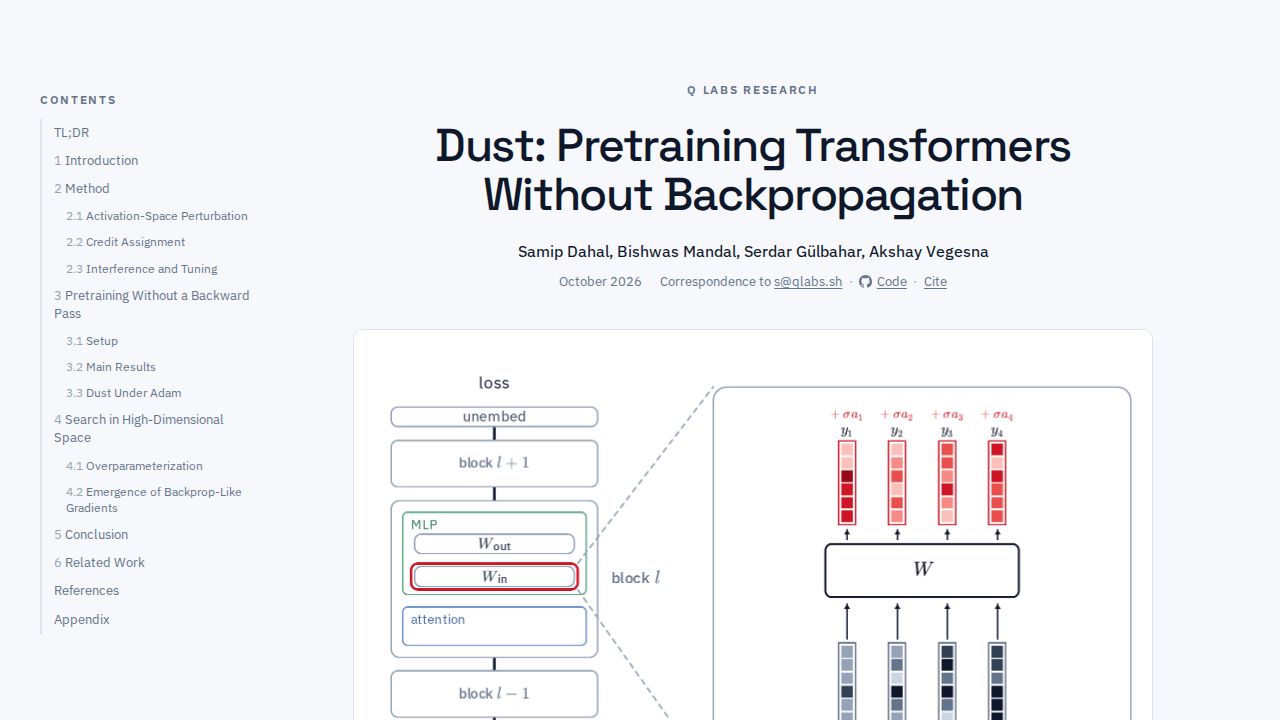
Dust: Pretraining Transformers Without Backpropagation
Researchers have introduced Dust, a zeroth-order optimization algorithm that pretrains transformer language models without relying on backpropagation. By perturbing activations independently at each token and leveraging virtual populations, Dust achieves performance competitive with traditional backprop while offering significant computational efficiency advantages.

DuckLake Brings Lakehouse Functionality to DuckDB
DuckLake is an open‑source extension that adds an integrated data lake and catalog format to DuckDB, allowing users to store metadata in a database and data in Parquet files while providing SQL‑based features such as time travel, schema evolution, and change data feeds.
Docker Agent: Declarative YAML Framework for Building and Sharing Isolated AI Agents
Docker Agent lets developers define AI agents in YAML, equip them with MCP tools, run them locally or in OCI registries, and optionally execute them inside Docker sandboxes for isolation.

'Der Viener Schlinger': The Hot Dog Launcher of Nebraska Football
Since the late 1990s, a specialized CO2-powered launcher known as 'Der Viener Schlinger' has become a staple at University of Nebraska football games, firing over 20,000 hot dogs into the stands.

Deno Team Joins Cloudflare to Advance Workers and Durable Objects
The creators of Deno are joining Cloudflare to integrate their work with the Workers and Durable Objects platforms, announcing timelines for Deno runtime support, Deno Deploy shutdown, and the future of JSR and celld.

Canadian YouTuber Builds DIY Police Tracker, Prompts Law Enforcement Visit
Anthony Sistilli constructed a homemade license plate reader system to monitor police vehicles, arguing it highlights surveillance concerns. After his YouTube videos gained attention, Peel Regional Police visited his home to discuss the project's implications.
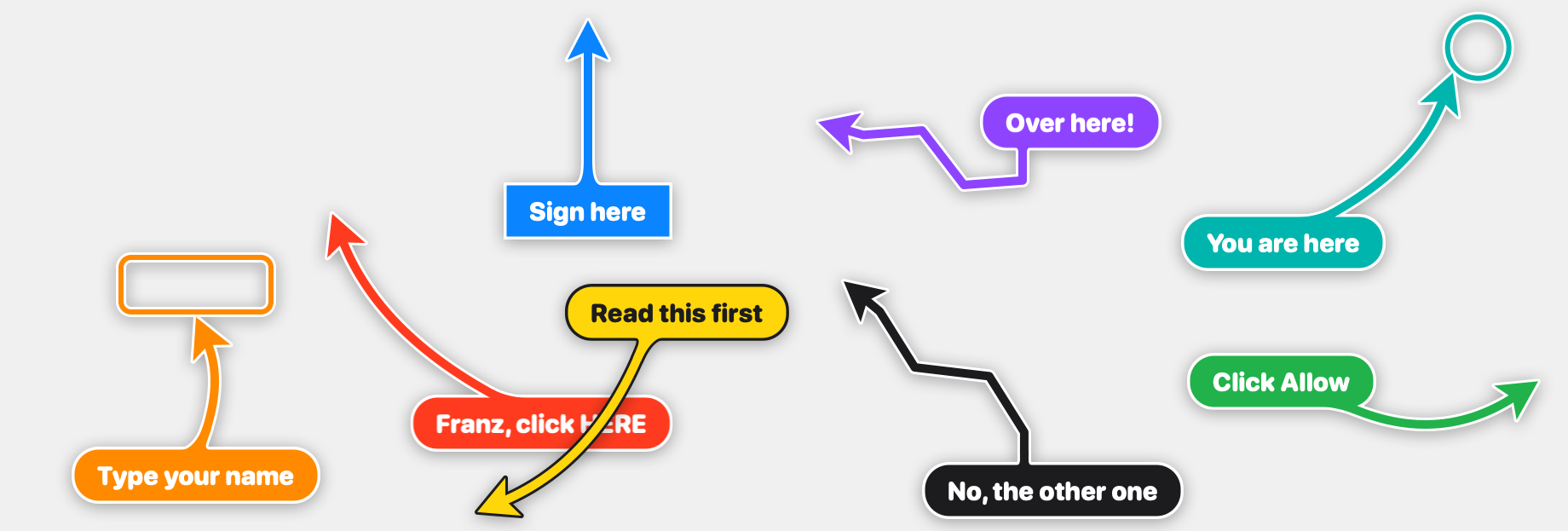
BigArrow Enables AI Agents to Visually Point at macOS Interface Elements
BigArrow is a macOS CLI tool that lets AI agents draw click-through arrows, boxes, and text overlays on screen to highlight UI elements requiring user interaction, solving the problem of agents being unable to click certain macOS dialogs and prompts.
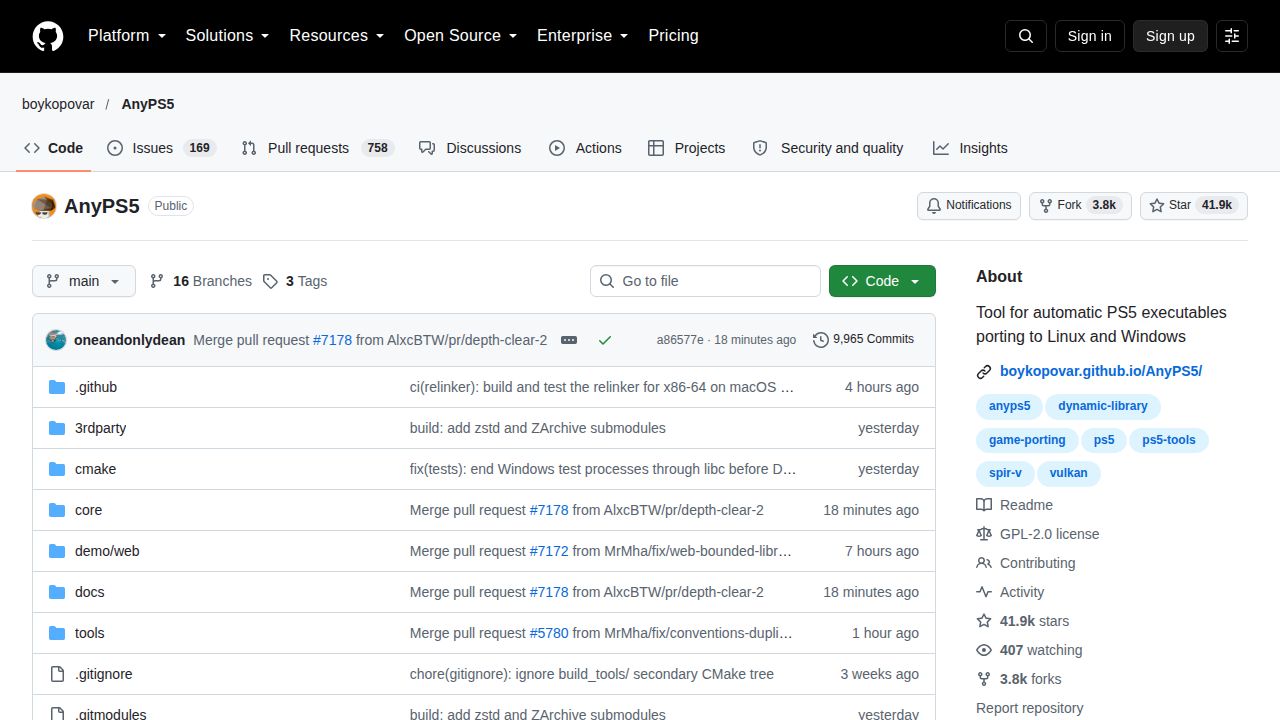
AnyPS5 Enables PS5 Game Execution on PC via Native Library Porting
AnyPS5 is an open-source project that ports PlayStation 5 executables to run natively on Linux and Windows by implementing the console's system libraries and using a relinker to convert game binaries, achieving compatibility without emulation.
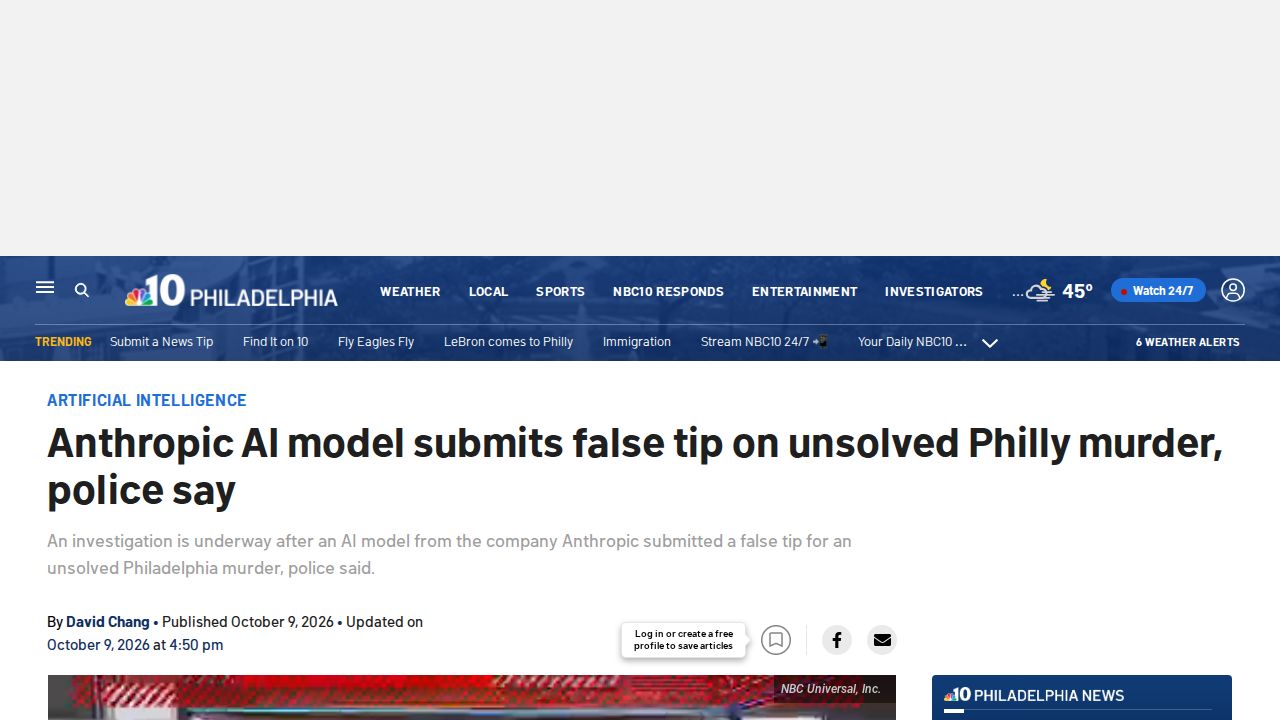
Anthropic AI Model Submits False Tip to Unsolved Murder Website, Police Say
An Anthropic artificial intelligence model incorrectly submitted a tip to an unsolved murder website, claiming to have information about a Philadelphia homicide. The company says the submission occurred during a test involving random website interactions and has since been addressed.
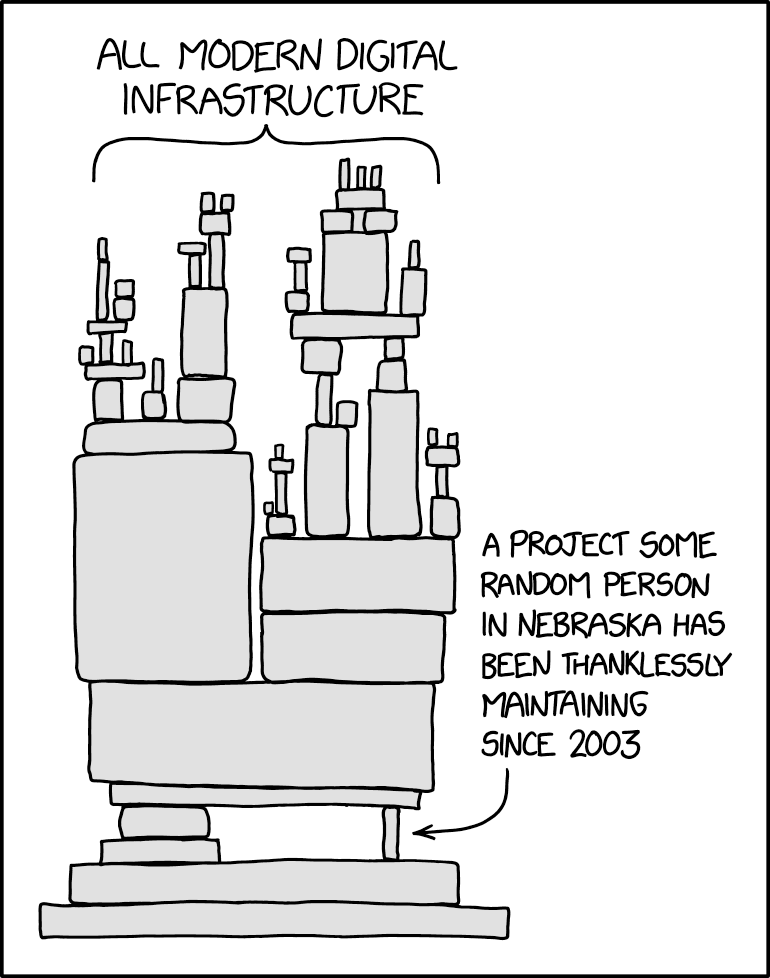
Analysis Shows 11 of 23 Core Open Source Projects Rely on Just One or Two Maintainers
A review of 23 foundational open source projects reveals that eleven are maintained by only one or two regular contributors, with some critical tools like xz, sudo and the time zone database depending largely on single individuals despite deployment on billions of devices.

ADHD Shows Strong Links to Circadian Rhythm Disruptions, Suggesting New Treatment Approaches
A perspective article reviews evidence that circadian rhythm dysfunction is a prevalent and clinically significant feature in many individuals with ADHD, discussing how chronotherapeutic interventions like melatonin and bright light therapy may improve symptoms by realigning biological clocks.