Prime Agent, a coding agent harness developed by Prime Intellect, has been downloaded more than 300,000 times and processed over 8 trillion tokens since its August launch. Over two weeks, the system orchestrated a swarm of over 2,000 agents across 10,000+ Prime Sandboxes to rewrite itself from TypeScript to Rust, aiming to preserve feature parity with the original version.

The article states that Prime Agent is a coding agent harness developed by Prime Intellect.

The article mentions that over 10,000 Prime Sandboxes were used to orchestrate the swarm of agents for the rewrite.
The rewrite was carried out by a four‑agent finite‑state‑machine workflow: a Planner created specifications and parity checks, an Implementer wrote Rust code in an isolated worktree, a Reviewer adversarially inspected the code using a different model, and a Verifier compiled and ran the parity checks in a fresh Prime Sandbox. Parity covered TUI, harness, protocol, and feature aspects. After achieving parity, a second orchestrator ran a hillclimbing loop that used a benchmark harness to profile costs, assign hypotheses to workers, and validate changes with two reviewer agents, ultimately optimizing startup/render paths, replacing polling with event‑driven waits, and freeing memory promptly after large sessions.
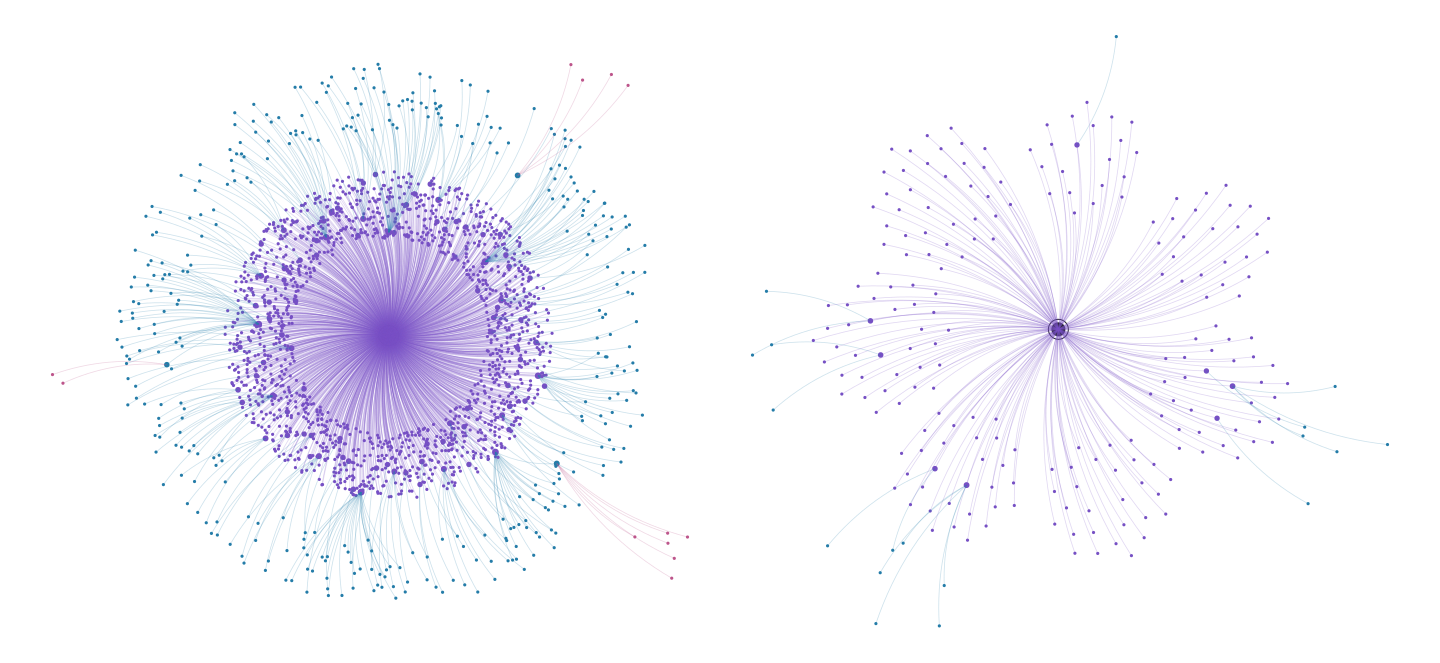
The article describes a four-agent finite-state-machine workflow and a second orchestrator for hillclimbing to optimize performance.
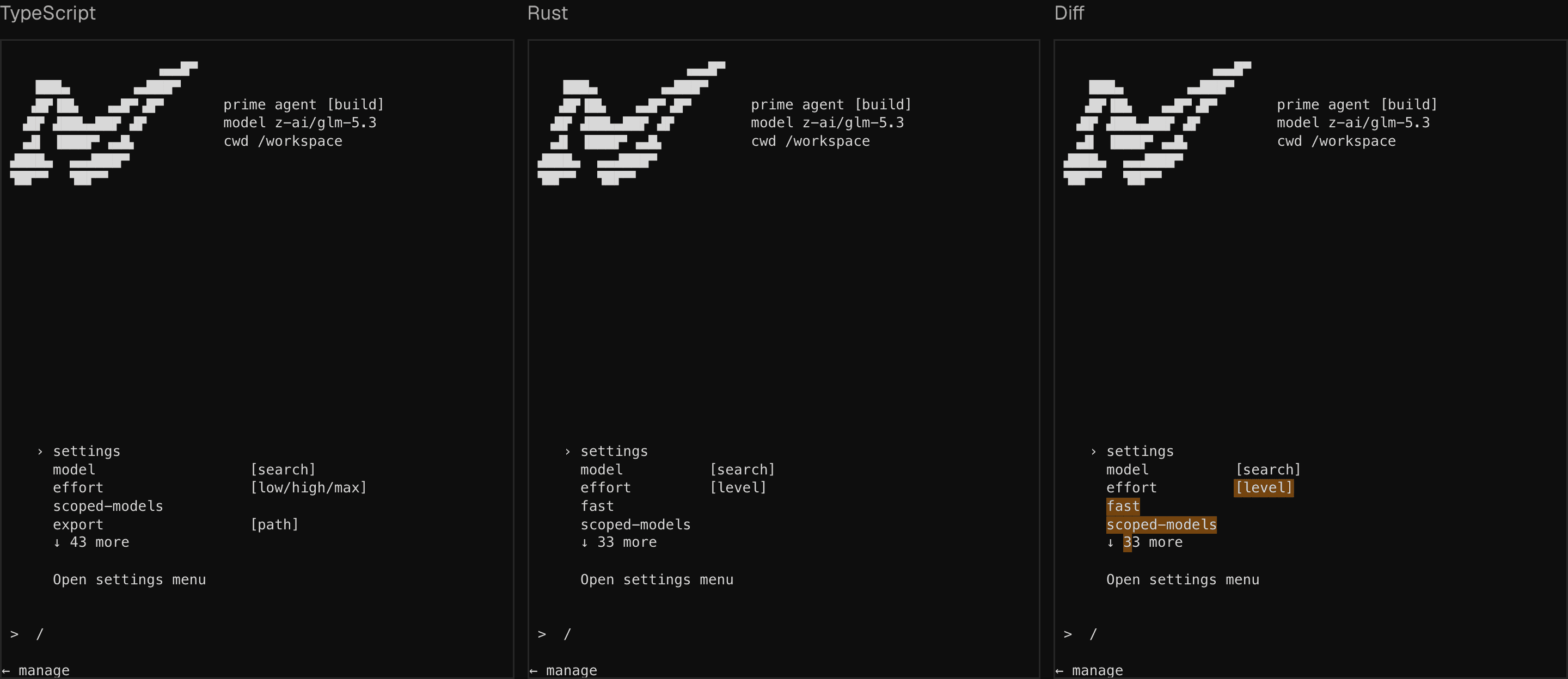
The article notes that parity checks covered TUI, harness, protocol, and feature aspects during the rewrite.
Measured gains show a cold‑start input‑ready latency drop from ~736 ms to ~52 ms (~14× faster) and a warm‑start drop from ~552 ms to ~41 ms (~13× faster). Post‑startup memory fell from ~1,130 MB to ~237 MB (~79% lower) and installed size shrank from ~172 MB to ~60 MB (~65% smaller). The rewrite also delivered a nine‑crate modular codebase, per‑session worker isolation, platform‑abstracted Windows support (beta), and a unified daemon protocol. Because the results come from an internal benchmark suite without a common standard, they should be interpreted with caution.