DATE ARCHIVE
2026-10-31
Articles published on 2026-10-31.
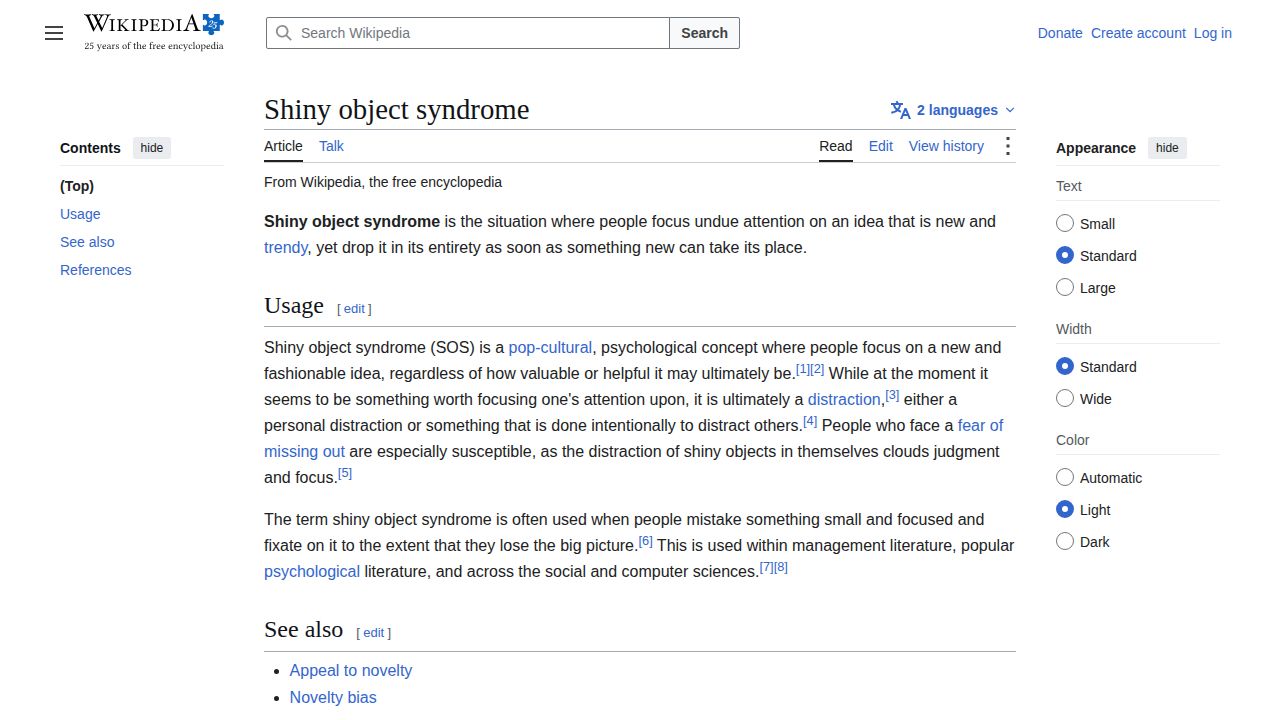
Understanding Shiny Object Syndrome
Shiny object syndrome describes the tendency to abandon projects or ideas in favor of new, trendy distractions. This psychological and management concept highlights how novelty can cloud judgment and lead to a loss of focus on long-term goals.

Ubuntu LTS Kernels Remain Unpatched for Critical Linux 0-Day Vulnerability
Ubuntu has yet to release official kernel updates for CVE-2026-98432, a high-severity vulnerability affecting its 22.04, 24.04, and 26.04 LTS releases. This delay leaves internet-facing and multi-tenant systems exposed to potential remote code execution.
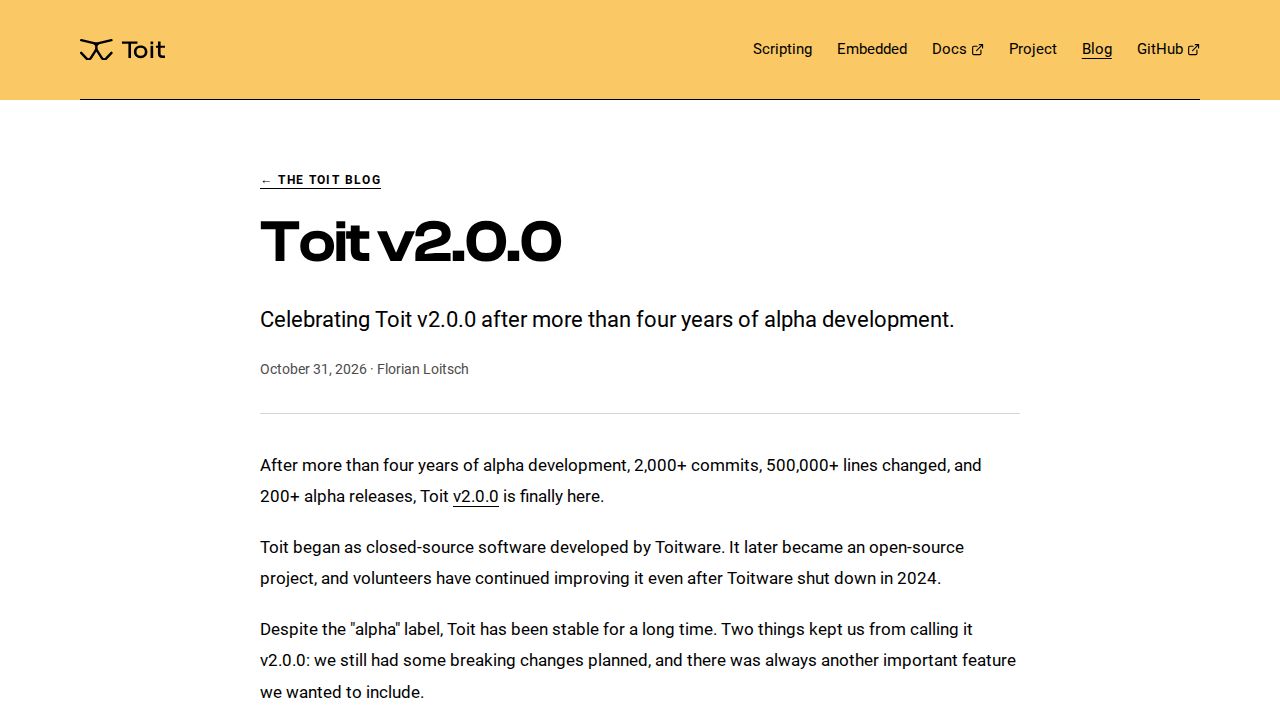
Toit Releases Version 2.0.0 After Four Years of Alpha Development
Toit, an open-source programming language designed for desktop scripting and ESP32 hardware, has officially moved out of alpha with the release of version 2.0.0.
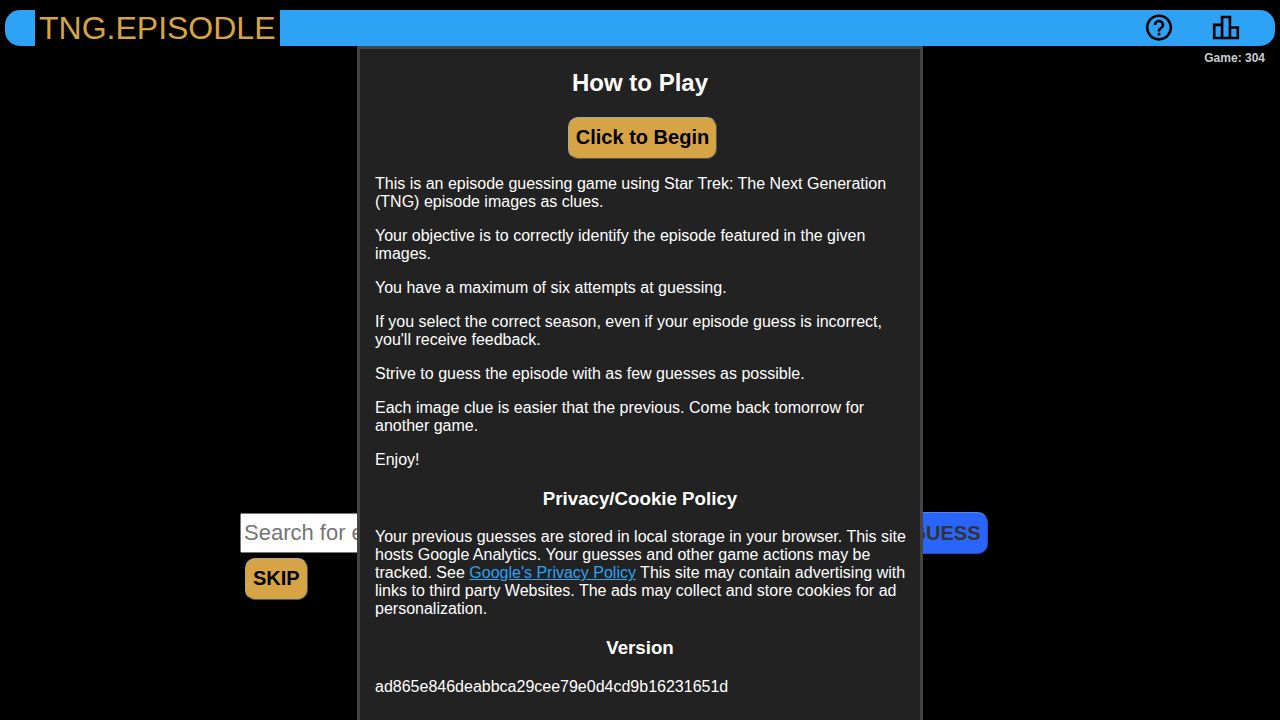
TNG Episode Guessing Game Created to Honor Sir Patrick Stewart
A fan-made guessing game for Star Trek: The Next Generation (TNG) was released to honor actor Sir Patrick Stewart. The game challenges players to identify specific episodes based on plot descriptions, sparking a discussion on the difficulty of the trivia and the mechanics of the guessing system.
The 'Technologist Factory': Why Startups Adopt Immature Technologies
An essay explores how the startup ecosystem creates a 'flywheel' of novelty, where companies adopt unproven technologies not because they are superior, but because their immaturity provides a playground for engineers to build abstractions and learn through iterative failure.
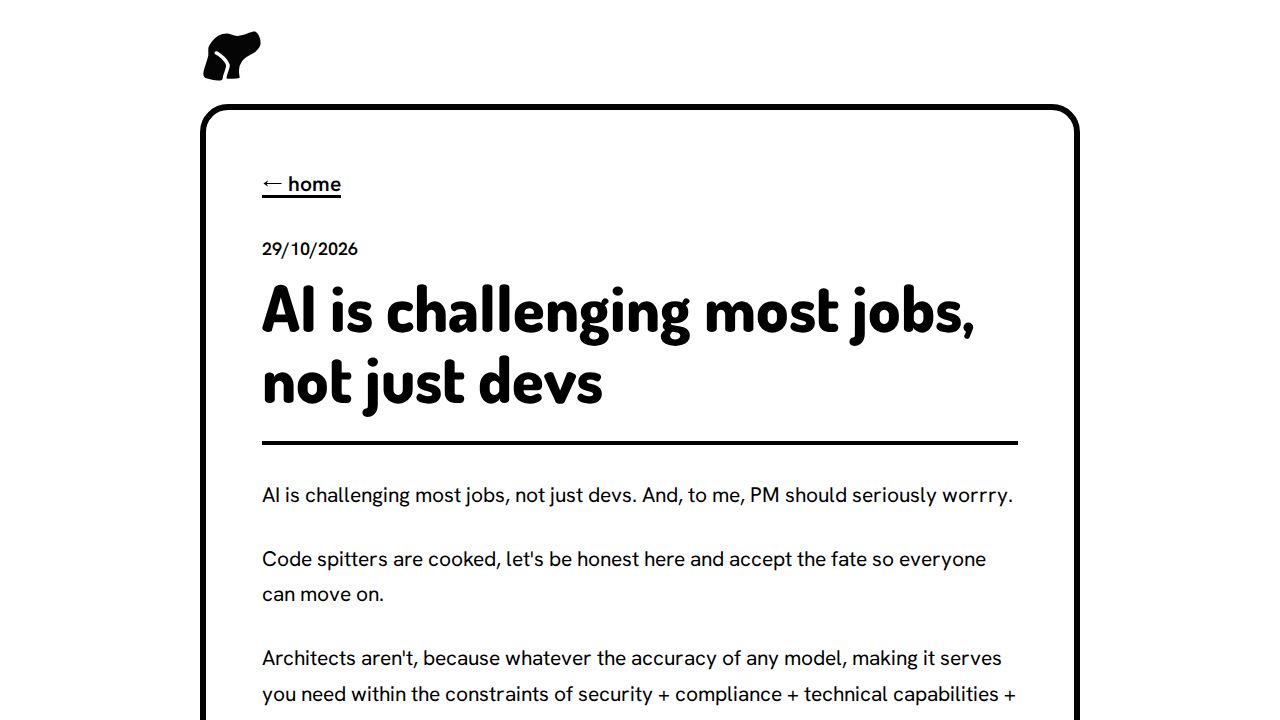
The Shrinking Role of Product Managers in the Age of AI
A discussion on whether Product Managers (PMs) are as vulnerable to AI automation as software developers, focusing on the shift from manual execution to high-level decision-making and the potential redundancy of middle management.
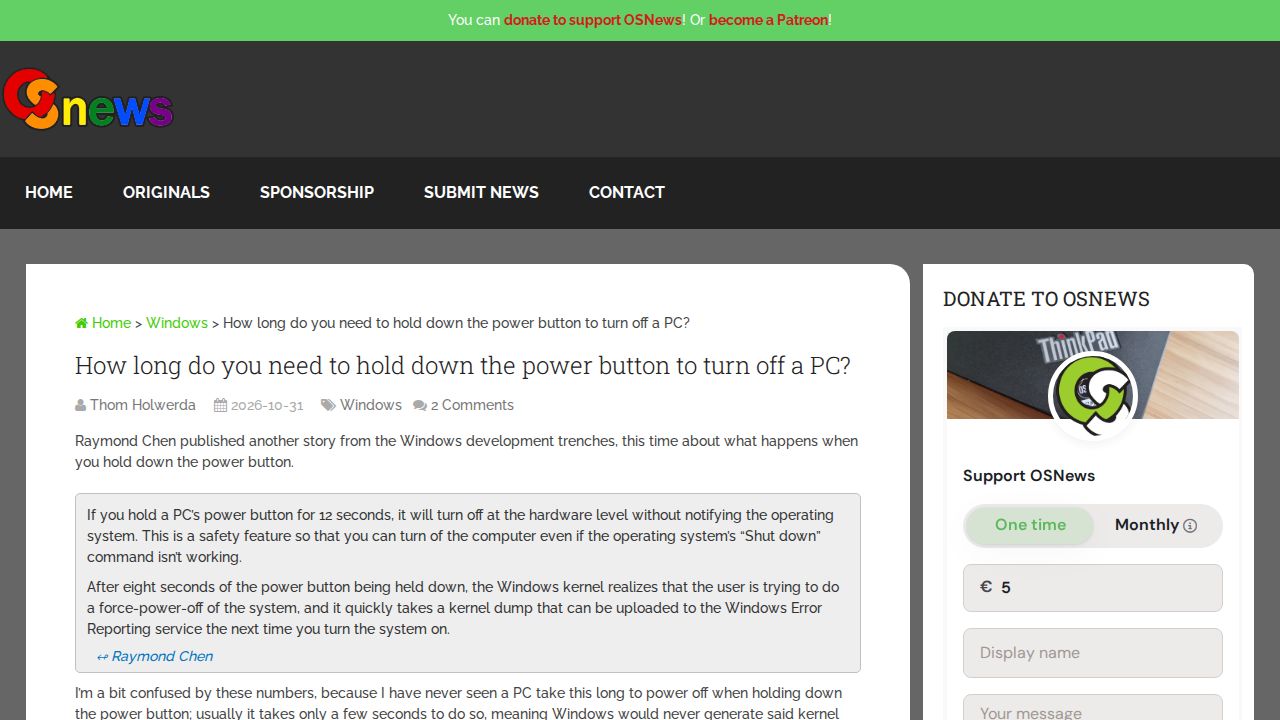
The Mechanics of a Forced PC Shutdown
A technical discrepancy exists between how the Windows kernel handles long power button presses and the hardware specifications of most motherboards, potentially affecting how emergency kernel dumps are generated.

The Intersection of AI and Formal Verification in the Lean Ecosystem
A discussion explores how the Lean theorem prover and formal verification methods can be integrated with AI agents to ensure software correctness and model behavior.

The Gendered History of Early Electric Vehicles
In the early 20th century, electric cars were marketed specifically to women as a clean, quiet, and easy-to-operate alternative to the cumbersome and loud internal combustion engines of the era.

Security Risks and Maintenance Gaps in Molly, a Signal Fork for Android
The Molly app—a fork of the encrypted messaging service Signal designed to offer features like UnifiedPush notifications without Google Play Services—has reportedly gone unmaintained for several months. This lack of updates leaves users potentially exposed to security vulnerabilities that have already been patched in the official mainline Signal application.

Security Concerns Rise Following Northflank Breach
A security breach at Northflank, a Platform-as-a-Service (PaaS) provider, has sparked a discussion regarding the inherent security trade-offs of 'neocloud' infrastructure versus traditional hyperscalers.
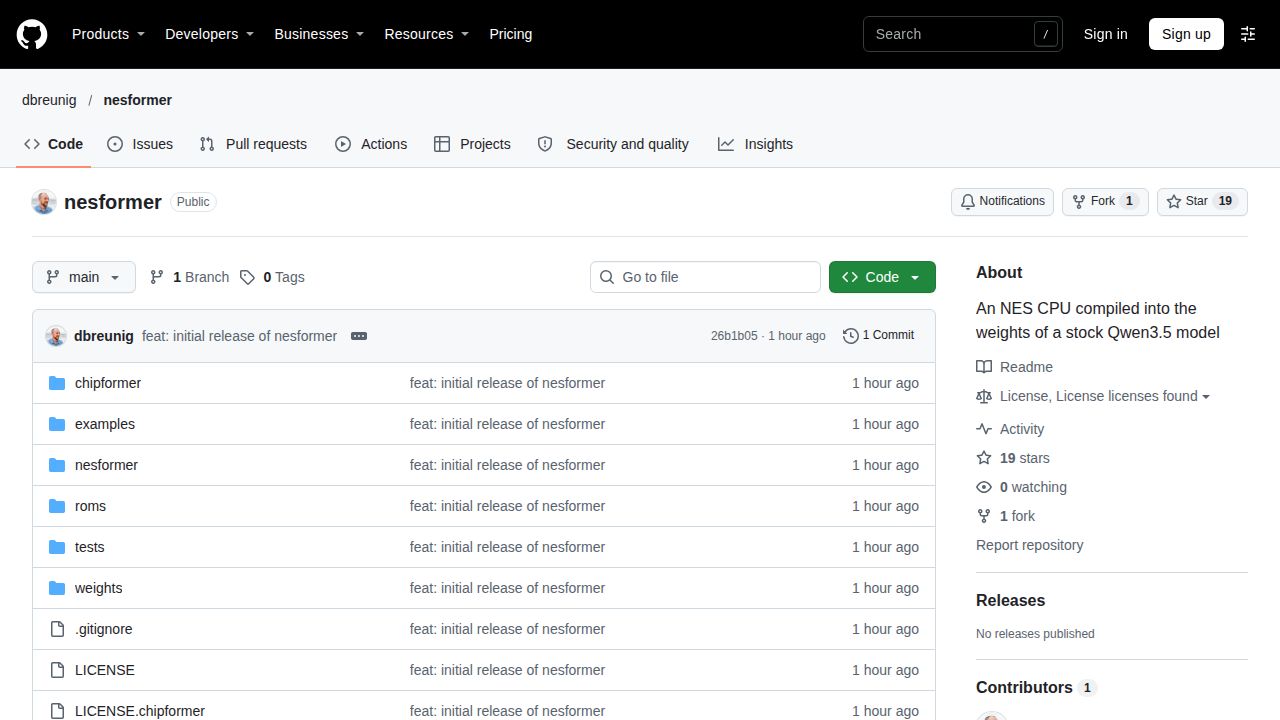
Researchers Encode a Functional Nintendo Entertainment System into AI Model Weights
A new project, Nesformer, demonstrates that a Nintendo Entertainment System (NES) can be simulated entirely within the weights of a Qwen-based large language model (LLM). Unlike traditional emulators that run code on a CPU, this approach embeds the system's logic, ROM, and RAM directly into the model's architecture.
OpenAI Faces Funding Shortfall Amidst Growing Competition and Market Cooling
Reports indicate that OpenAI raised less than half of its $30 billion funding target in its latest round, sparking discussion on the sustainability of high-capex AI models as open-source alternatives and market austerity pressures mount.

Linode Reports Security Incident Amid Growing Concerns Over AI-Driven Attacks
Linode has reported a security incident, sparking a discussion on Hacker News regarding the increasing frequency of infrastructure breaches and the potential role of AI-powered cyberattacks.
Kubernetes-Compatible Control Plane for ESP32 Microcontrollers
The kube32 project brings cloud-native orchestration to microcontrollers by implementing a Kubernetes-compatible control plane, Kubelet agent, and WebAssembly runtime for ESP32-S3 hardware.

Japan's 'Jimi' Halloween: The Art of the Mundane Costume
Jimi Halloween is a Japanese subculture where participants dress in everyday outfits so ordinary that the 'costume' can only be identified through a specific, humorous situational description.

How Patrick Stewart’s Jean-Luc Picard Modeled 'Institutionalist Liberalism'
Patrick Stewart's portrayal of Captain Jean-Luc Picard in Star Trek: The Next Generation served as a cultural archetype for 'institutionalist liberalism'—the belief that powerful, even militarized, institutions can be wielded justly to protect universal rights and maintain a prosperous society.
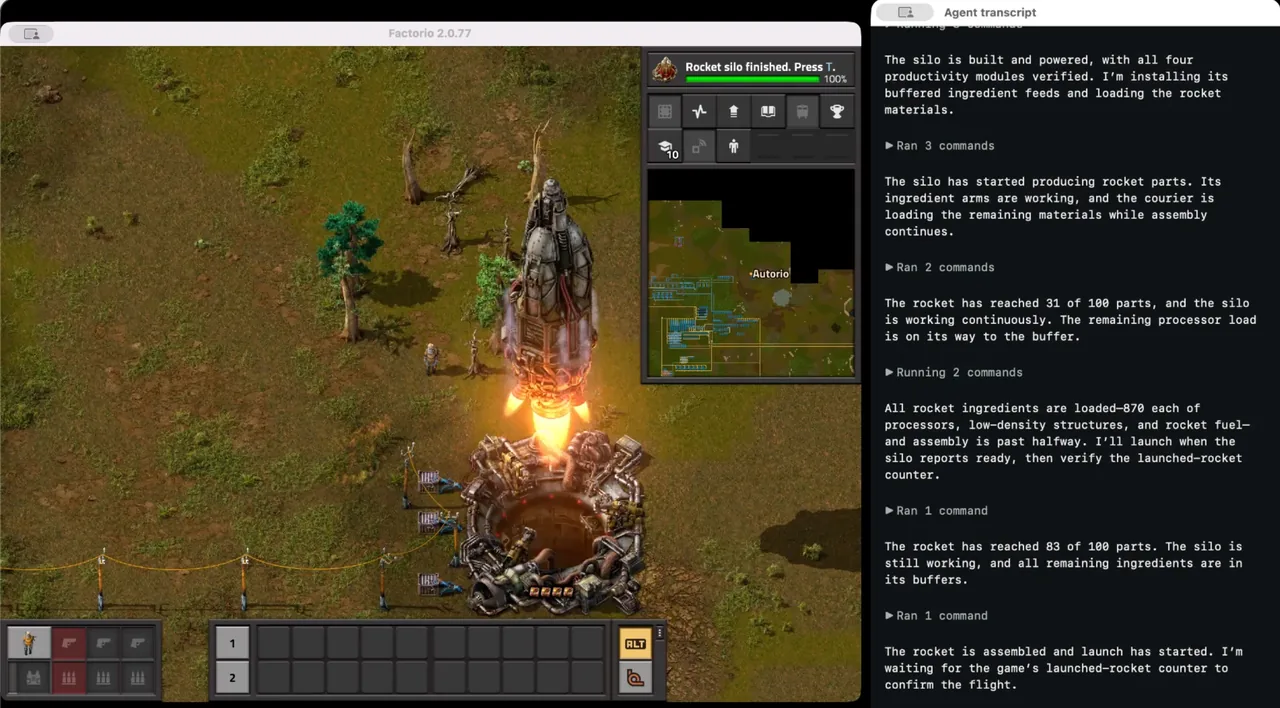
GPT-5.6 Sol Completes Factorio Run via Programmatic Interaction
A new test demonstrates that the GPT-5.6 Sol model can complete a peaceful run of the automation game Factorio in 13.5 hours of game time. The model interacted with the game through a Python library that enforced human-like constraints, such as fog of war and reach limits.
From Autocomplete to Agents: The Shift in Software Engineering by Late 2026
Software engineering has transitioned from a focus on 'autocomplete'—where AI suggests individual lines of code—to 'agentic coding,' where engineers manage autonomous agents that execute entire features, run tests, and submit pull requests.

French Lawmakers Propose Internet Traffic Tax
French lawmakers have reportedly approved a budget amendment that would impose a tax of €0.055 on every gigabyte of internet traffic. The proposal has sparked debate regarding its potential impact on high-bandwidth activities like AI model downloads and streaming services.

Florilegium: Procedural Flowers in LaTeX
Florilegium is a project that uses Lua to generate procedural floral decorations for LaTeX documents, allowing for unique, randomized ornaments in every print run.
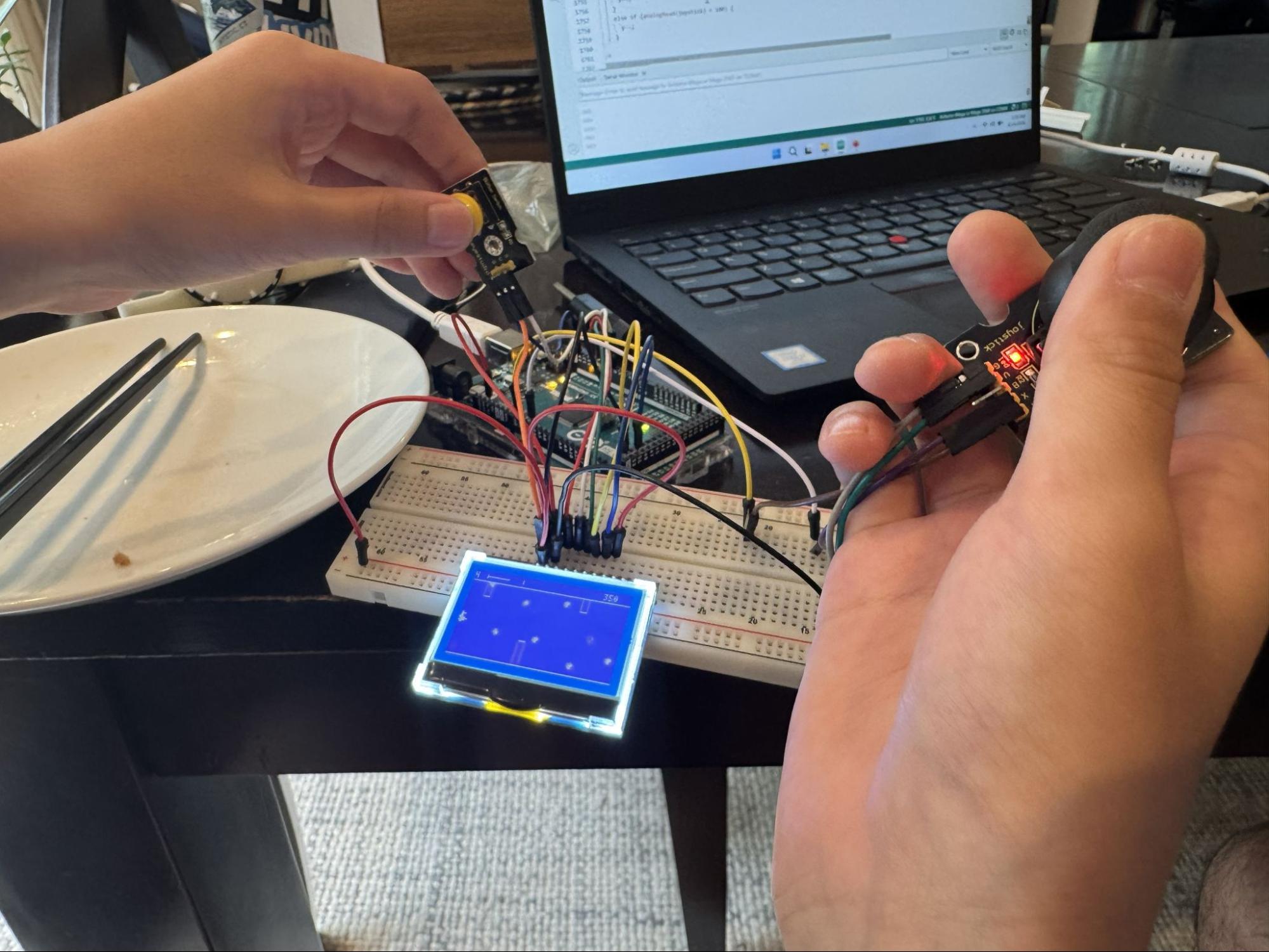
Father and Son Build Miniature Computer in Altoids Tin
A father and his 12-year-old son spent two months developing a miniature computer system housed inside an Altoids mint tin, navigating hardware challenges, 3D printing, and soldering iterations.

Exploring Digital Minimalism through Intentional Interface and Connectivity Choices
Vitalik Buterin explores the concept of 'digital minimalism' by intentionally limiting his interaction with social media algorithms and cellular data to improve mental focus and privacy.
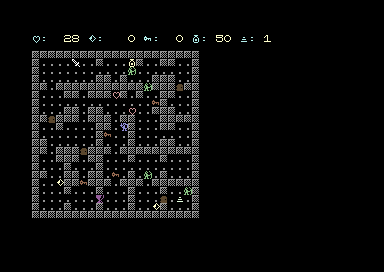
Developing a Multi-Level Dungeon Crawler in C64 BASIC
A new iteration of a Commodore 64 BASIC dungeon crawler introduces character persistence, a five-level progression system, and a leveling mechanic to transition the project from a single-map mini-game into a structured RPG.

Bunny CDN Responds to Security Incident Involving Third-Party Infrastructure
Bunny CDN reported a security incident where a CDN node in Armenia, hosted by a third-party provider, was accessed via unauthorized management software. The company has since removed the server and is reissuing TLS certificates as a precaution.

Archive of Our Own (AO3) Reports Security Incident and Maintenance Outage
Archive of Our Own (AO3) has taken its site offline following the detection of a security incident. While the platform states that user works and bookmarks remain intact, the potential exposure of account metadata like email addresses and hashed passwords has sparked discussion regarding the risks of data leaks and the limitations of current authentication methods.

Anthropic Faces Potential Junk Rating Following IPO, Blackstone Signals to Investors
Private equity giant Blackstone has informed investors that AI startup Anthropic may receive a 'high' junk credit rating rather than an investment-grade rating after its initial public offering, potentially complicating the company's plans to finance massive infrastructure spending.

Anthropic Accused of Blocking Users Involved in Training Competitor Models
A researcher reported being blocked by Anthropic after using Claude to assist in research involving open-source models. The incident has sparked a discussion regarding Anthropic's stance on 'research automation' and the boundaries of its acceptable use policies.
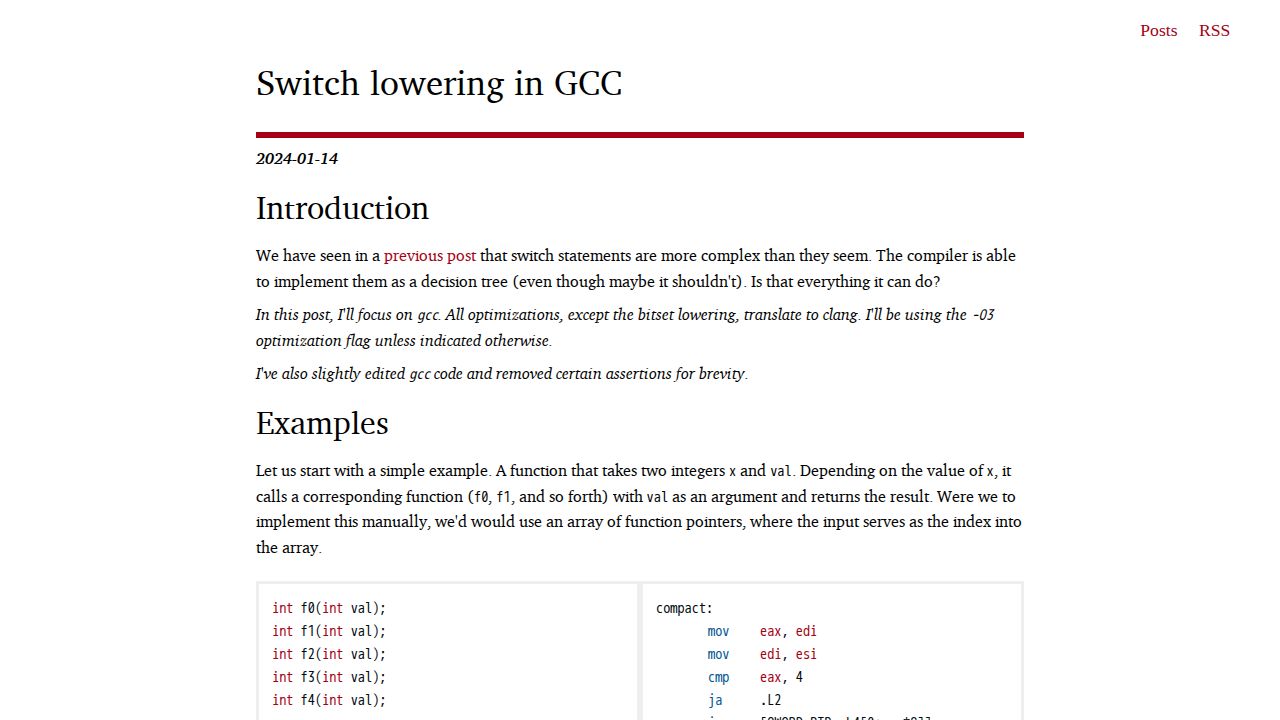
Analyzing Switch Statement Lowering in GCC
A technical discussion explores how the GCC compiler handles 'switch' statements, specifically focusing on the lowering of sparse switch tables into jump tables and the potential for performance optimizations like perfect hashing.