Jimi Halloween, a term coined in 2018 to describe 'mundane' Halloween costumes, has become a distinct cultural phenomenon in Japan. The tradition originated in 2014 when a group of adults sought a way to participate in Halloween festivities without the perceived embarrassment of wearing flamboyant outfits like witches or zombies. By choosing everyday clothing, they created a low-key alternative that prioritizes situational humor over visual spectacle.
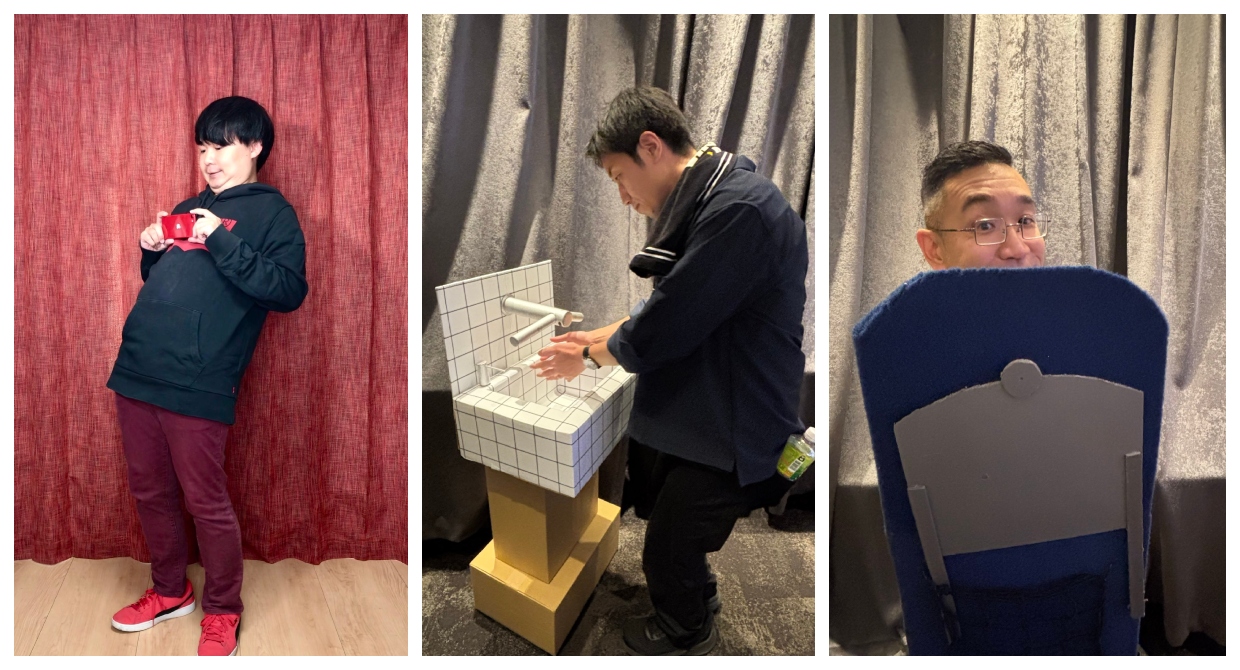
This image serves as a visual representation of the 2026 Jimi Halloween costumes mentioned in the article's overview of the trend.
The core mechanism of a Jimi costume is its invisibility. Participants dress in clothes so ordinary that they appear to be regular people until they provide a specific, often awkward, social context to explain their 'persona.' For example, in the 2026 festivities, participants portrayed characters such as 'a person who is about to ask if it’s okay to push their seat back' or 'a person who thought the muddler was a straw.' These costumes rely on the contrast between a completely normal appearance and a highly specific, relatable social interaction.
Some costumes also draw from broader cultural touchstones and internet memes. One notable example from the 2026 season was a parody of Johannes Vermeer's 'The Milkmaid,' a piece of art that has transitioned into a popular meme template on Japanese social media. While the trend offers a creative way to engage with the holiday, the humor is entirely dependent on the 'situational haiku'—the ability to convey a complex, slightly absurd social moment through a simple, everyday outfit. The primary source provides several examples of these costumes but does not offer data on the total number of participants or the scale of the trend relative to traditional Halloween celebrations.