By late 2026, the primary shift in software engineering is the move from manual code writing to managing autonomous AI agents. While tools like GitHub Copilot were initially used to provide 'autocomplete'—predicting the next few lines of code based on existing context—the current workflow involves delegating entire tasks to agents. These agents can prototype new features, diagnose and fix urgent bugs, and even perform complex tasks like testing audio code across different operating systems. This shift has effectively made traditional line-by-line coding obsolete for many developers, moving the human role toward high-level oversight.
The mechanism of 'agentic coding' relies on giving an AI agent a specific goal, such as implementing a feature or reproducing a bug. In a typical workflow, each agent is provided with its own copy of the codebase (often using a Git worktree) to work independently. These agents are capable of writing code, running unit tests, and creating pull requests (PRs) for human review. This allows for 'ultra-fast' failure; while human teams aim to fail fast, agents can iterate through dozens of failed attempts in minutes to find a viable solution. However, this automation requires significant human guidance. To prevent agents from producing 'over-architected, unreadable, self-congratulatory piles of slop,' engineers must provide explicit instructions, such as a dedicated file (e.g., AGENTS.md) that outlines coding standards and project-specific rules.
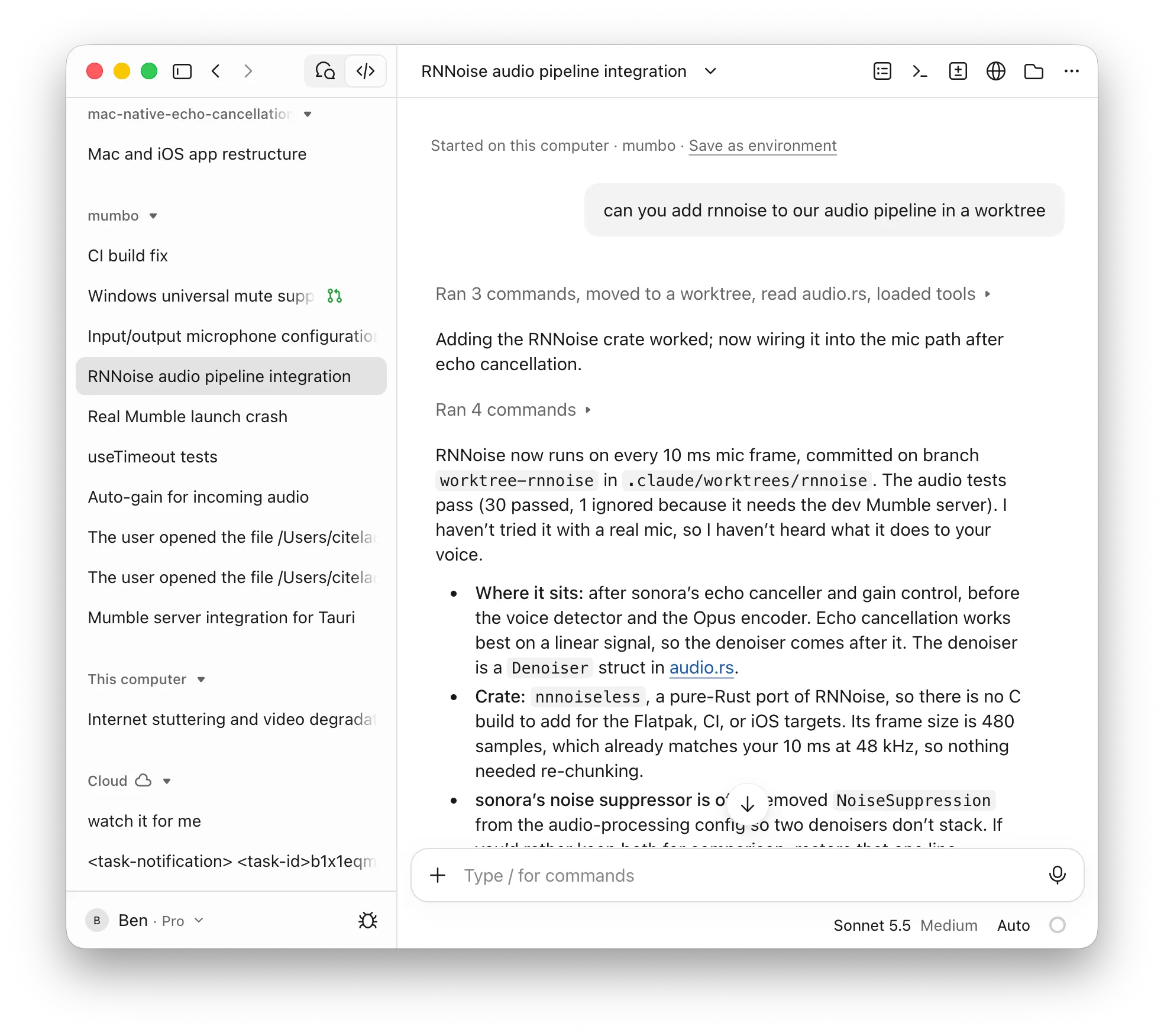
This image illustrates the mechanism of agentic coding where an agent is given a specific goal and works independently in a dedicated codebase copy.
This transition introduces a new set of trade-offs and limitations. One significant consequence is the decline of 'craft'—the meditative process of honing code and seeing parts mesh together—replaced by the cognitive fatigue of managing multiple concurrent AI conversations. Engineers now focus on 'agentic code review,' where they evaluate the architecture and systemic patterns of agent-generated code rather than individual lines. Despite the speed of these tools, human 'taste' remains a critical bottleneck; agents still struggle with complex architectural design and can produce verbose or unnecessary complexity. Furthermore, while AI has become a more reliable 'teacher' for exploring well-known concepts, it still requires constant prompting to remain in a tutoring mode rather than simply performing the task for the user.
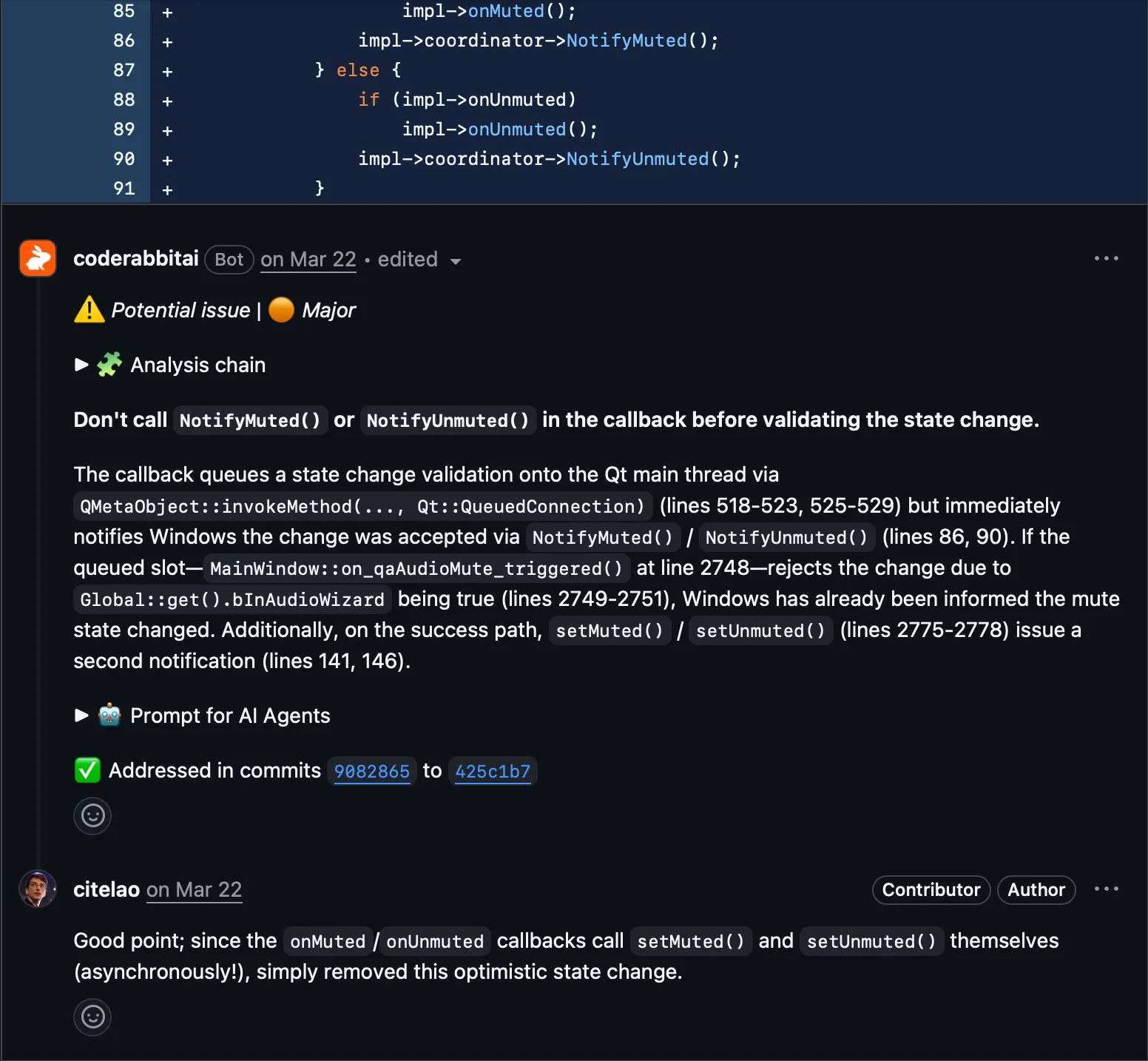
This visual supports the shift toward 'agentic code review,' where engineers evaluate systemic patterns and architecture rather than individual lines.
Ultimately, while agents can handle the drudgery of implementation, the human role has shifted toward architecture and validation. The challenge remains ensuring that the speed of agentic output does not compromise the long-term maintainability of the software. As models become more capable, the human edge lies in identifying the 'correct' design and ensuring that the machines do not over-complicate simple problems with unnecessary 'knobs' and settings. The primary uncertainty remains how long this human advantage in architectural judgment will persist as models continue to evolve.