The project began after a visit to the MIT Swapfest, where the pair acquired a used robot kit and a ThinkPad laptop. The goal was to repurpose components from the robot, specifically a 128x64 display. The team initially struggled to identify the display's pinout, finding that AI-generated suggestions were inaccurate. They eventually located the correct schematic on an Arduino forum, allowing them to run a 'Space Trash' game using the U8g2 library. This first iteration served as the proof of concept for the hardware.
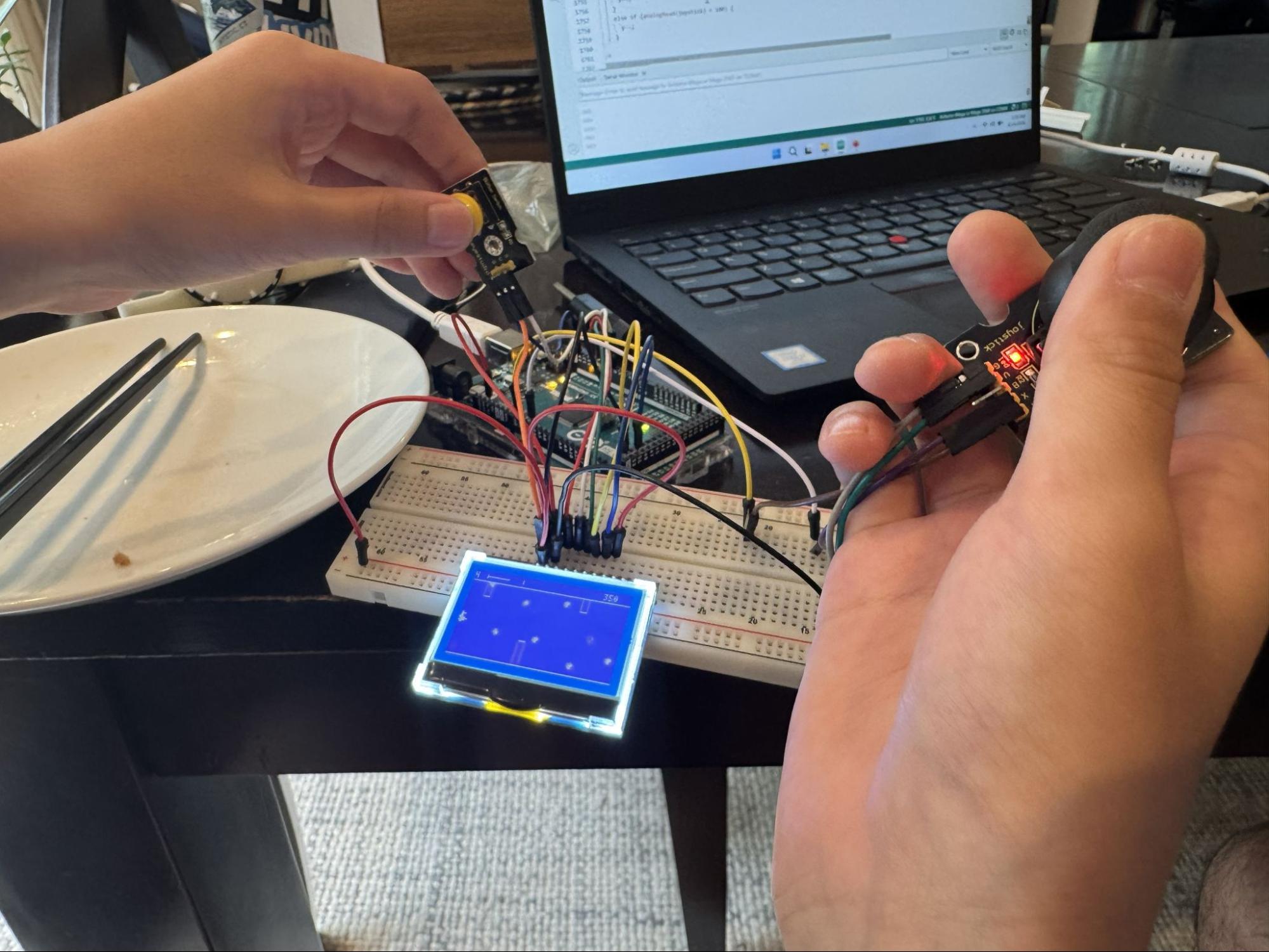
This image illustrates the proof of concept where the team first successfully ran a game on the repurposed display.
To miniaturize the project, the pair transitioned to a second iteration (v2) inspired by a YouTube video of a tiny computer in an Altoids tin. They swapped the original hardware for an Arduino Nano, LiPo batteries, and a PowerBoost power supply. The son took the lead on CAD (Computer-Aided Design) and 3D printing to create internal housing. Despite these upgrades, the lid of the tin would not close, and the team moved to a third iteration (v3) using a genuine Altoids tin from a grocery store to ensure the correct dimensions.
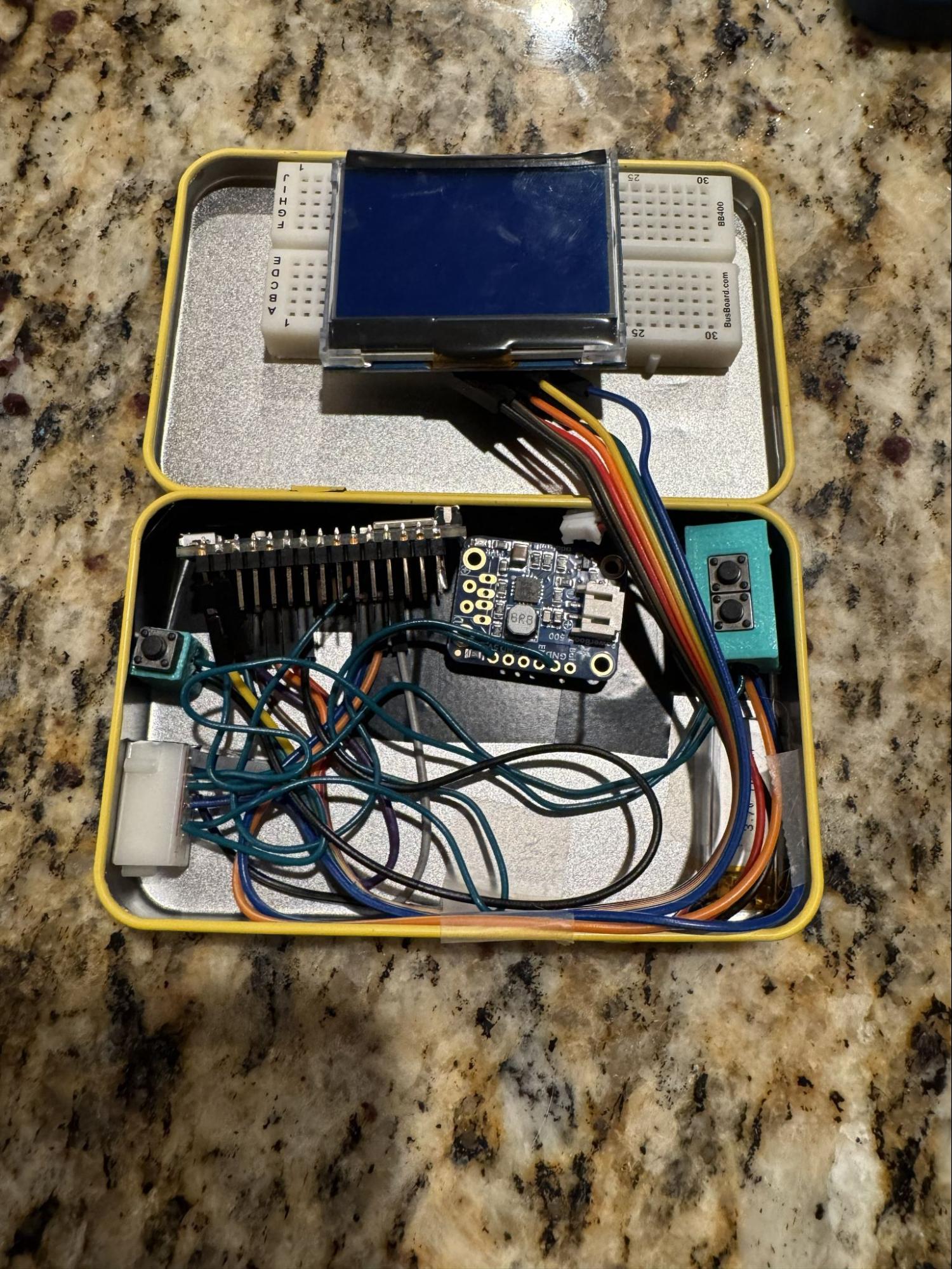
This visual depicts the transition to the second iteration where the team began miniaturizing the hardware components.
Subsequent iterations focused on refining the internal wiring and soldering. The team faced significant hurdles, including a damaged display caused by a desoldering error and the need for ultra-fine 30 AWG wires to replace broken connections. After upgrading to a more consistent soldering iron and hot-gluing the display to the lid, they achieved a final version (v4) where the tin could successfully close. The final product includes two actual Altoids mints in tiny Ziploc bags, though the author noted that none of the components from the first iteration survived the process.
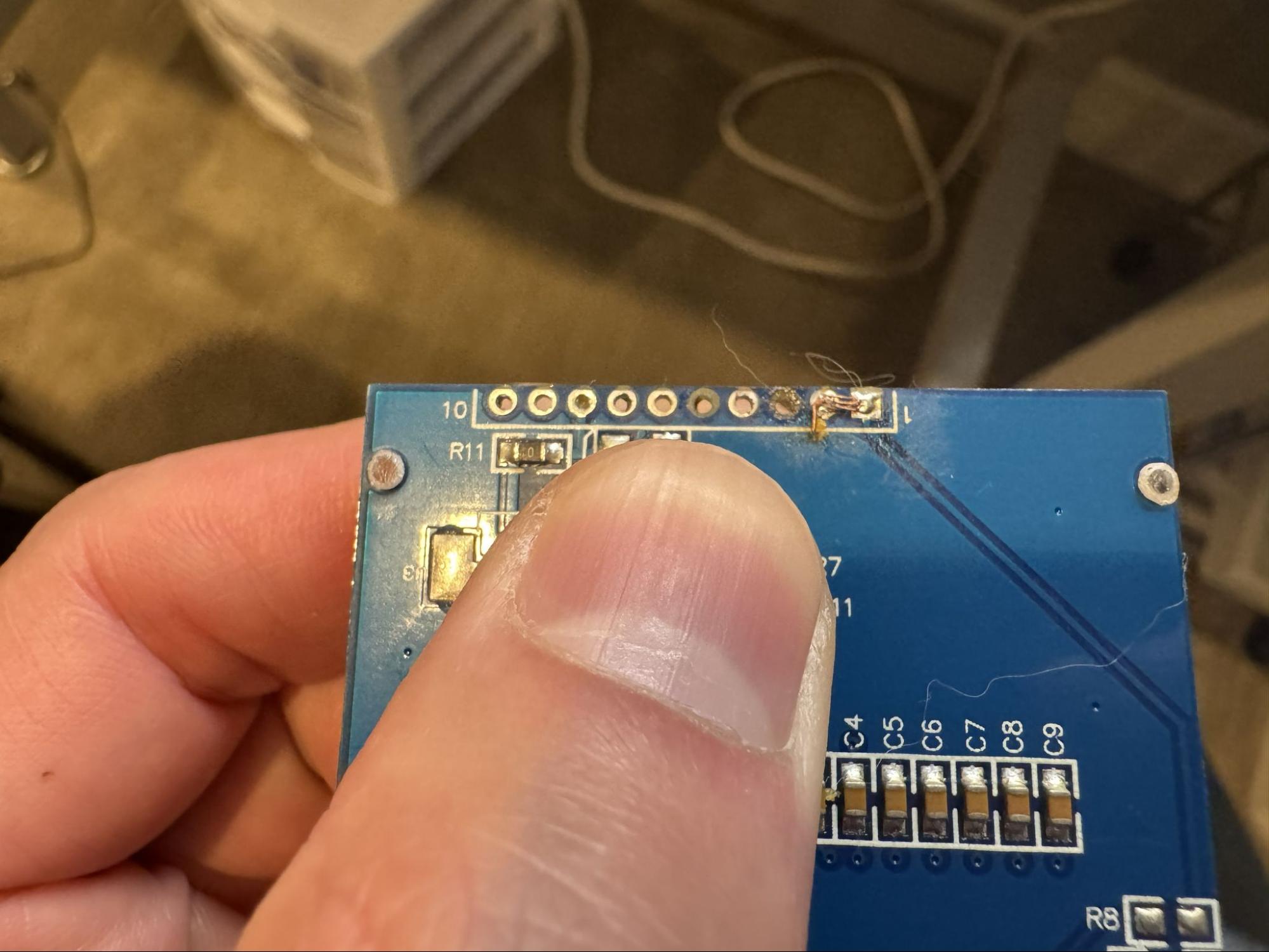
This image highlights the technical hurdles and hardware failures encountered during the soldering phase.
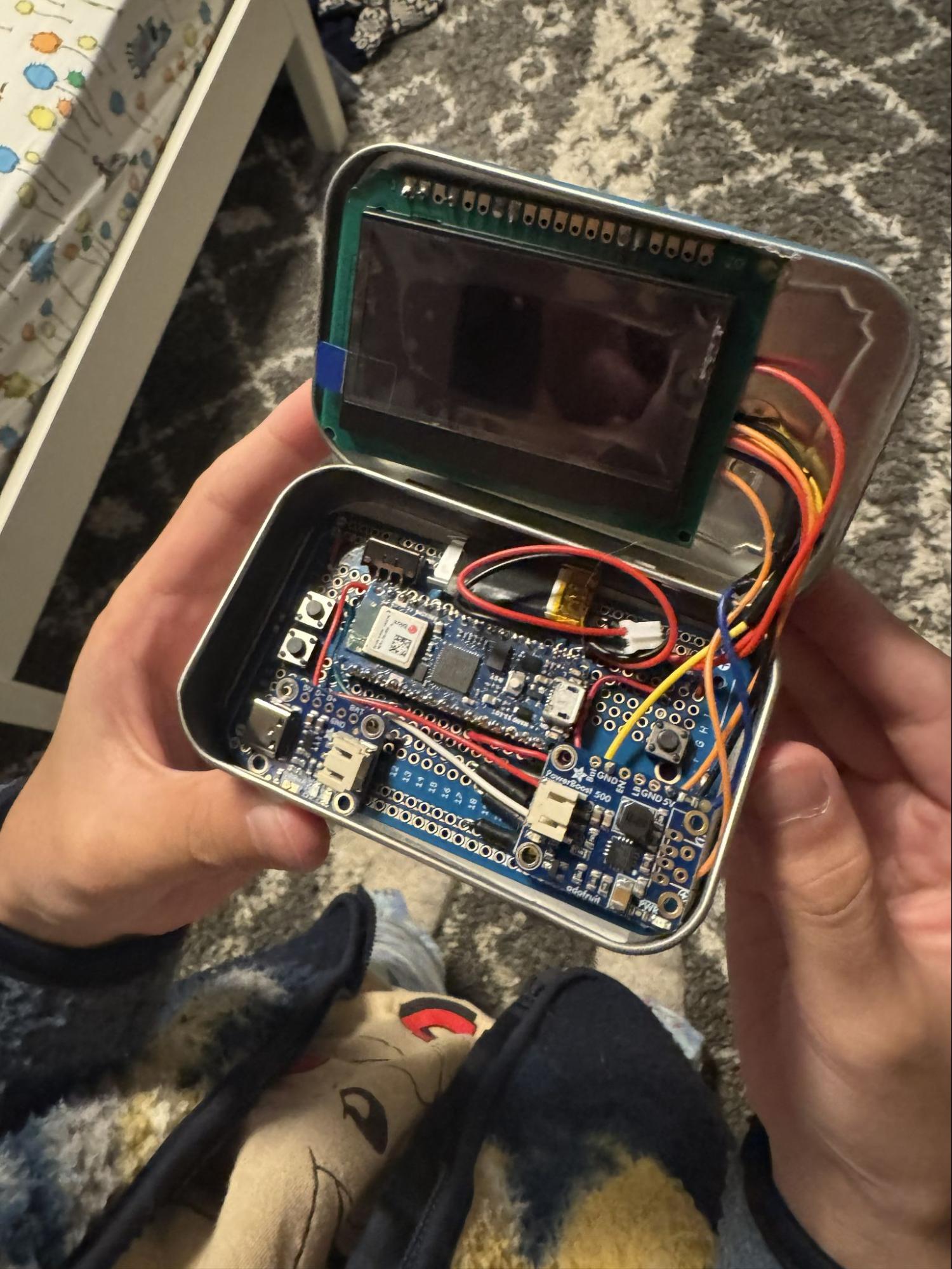
This is the final result of the project, showing the successful integration of all components into the mint tin.