DATE ARCHIVE
2026-09-29
Articles published on 2026-09-29.
You Said No MCP! — Earendil Embraces Model Context Protocol After Previous Rejection
Earendil, the developers of the Pi AI assistant, have reversed their long-standing opposition to the Model Context Protocol (MCP) by integrating it into the core of Pi. The change comes after a year of observing MCP's evolution and realizing that the technical adjustments needed for MCP also benefit other features, such as easier integration of the Jev tool for sentiment analysis.

Vermont’s Home Battery Network Becomes Largest Power Source, Replacing Peaker Plants
Through Green Mountain Power’s lease program, thousands of Vermont homes with battery systems now form a virtual power plant that supplies more electricity than any single traditional plant, providing storm resilience and cutting costs while retiring fossil‑fuel peakers.

Usenet-Rewind Offers Browseable Archive of 350,000 Newsgroups Spanning Three Decades
A new web interface called Usenet-Rewind makes over 350,000 Usenet newsgroups searchable and browsable, covering posts from the early 1990s through 2026. The archive focuses on text-based messages and includes familiar hierarchies like comp, sci, rec, and alt alongside ISP-specific groups.

U.S. Strategic Petroleum Reserve Falls to Lowest Level Since 1982
The U.S. Strategic Petroleum Reserve (SPR) has dropped to 283.8 million barrels, its lowest level since October 1982, after a 172-million-barrel release authorized in March 2026 as part of a coordinated 32-nation IEA drawdown. The reserve is now testing the lower edge of its operational floor, and the pledged replenishment of roughly 200 million barrels within a year carries no cost to taxpayers.

The Strange Rise of Hybrid Ceiling Fan-Light Fixtures
Modern ceiling fans have evolved into bizarre combinations of lighting and airflow, featuring non-replaceable LEDs and decorative blades that often don't function.
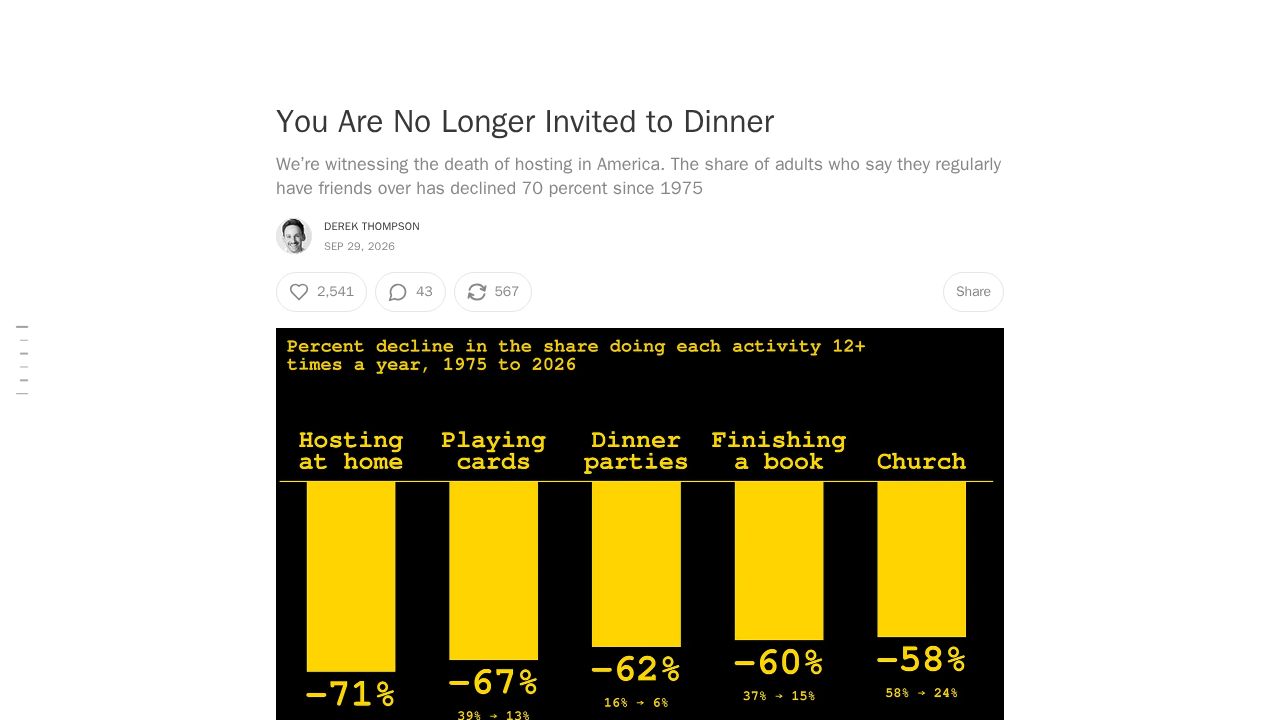
The Decline of American Home Hosting: From 42% to 12% in Fifty Years
Derek Thompson reports that the share of Americans who host friends or family at home at least monthly has fallen from 42% in 1975 to 12% in 2026, a 70% decline, driven by dual-earner households, intensive parenting, shrinking friendship networks, and the rise of solitary leisure enabled by technology.

Solar Generation Surpasses Nuclear Power Globally for First Time
According to the World Nuclear Industry Status Report 2026, global solar power generation exceeded nuclear output for the first time in April 2025, driven by rapid renewable expansion and stagnant nuclear growth.
Responsible Release of AI-Generated Mathematics: Recommendations for AI Labs
A September 2026 report from the AGMI organization urges AI laboratories to adopt responsible practices when releasing AI-generated mathematical results, including thorough attribution, timely deposition in open repositories, and support for human understanding through funded workshops and fellowships, while also calling for broad, equitable access to publicly available models.

Regulatory Shifts and Organ-on-a-Chip Tech Aim to Replace Animal Testing
New technologies like 'organ-on-a-chip' systems and computational models are gaining regulatory momentum as alternatives to traditional animal testing in drug development.
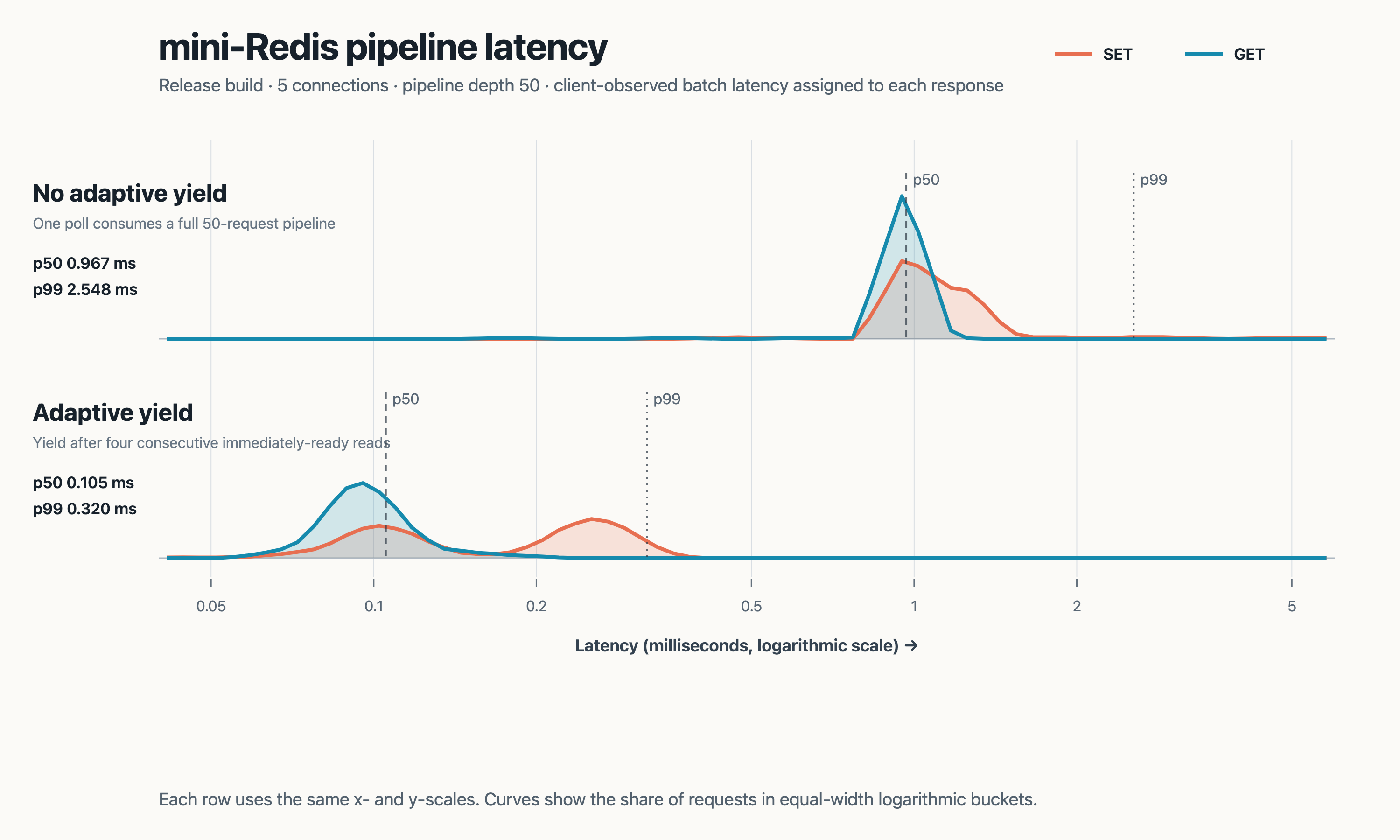
Principles for Fast Tokio Applications
Russell Cohen enumerates practical principles for writing efficient asynchronous applications on Tokio, covering latency vs. throughput trade-offs, global resource contention, mutex risks, concurrency limits, worker isolation, and advanced tactics like multi-runtime deployment.
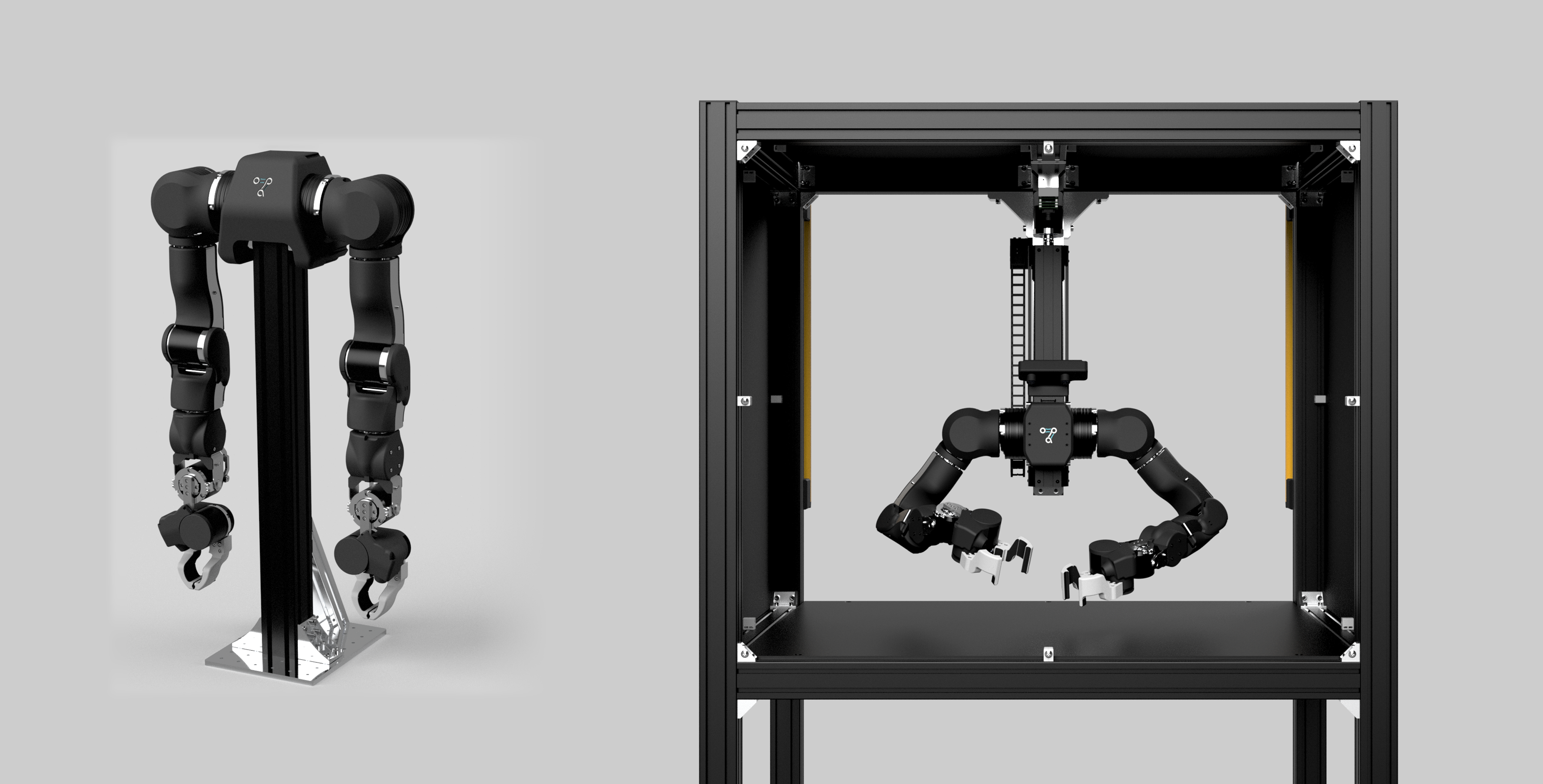
OpenArm: An Open-Source 7-DOF Humanoid Arm for Physical AI Research
OpenArm is an open-source 7-degree-of-freedom humanoid arm designed for physical AI research and deployment in contact-rich environments. A full bimanual system costs $6,500 USD and includes 633 mm reach, 4.1–6 kg peak payload, ±0.2 mm precision, CAN‑FD control, 24/48 V DC power, and Linux-supported software in Python, Rust, and C++.
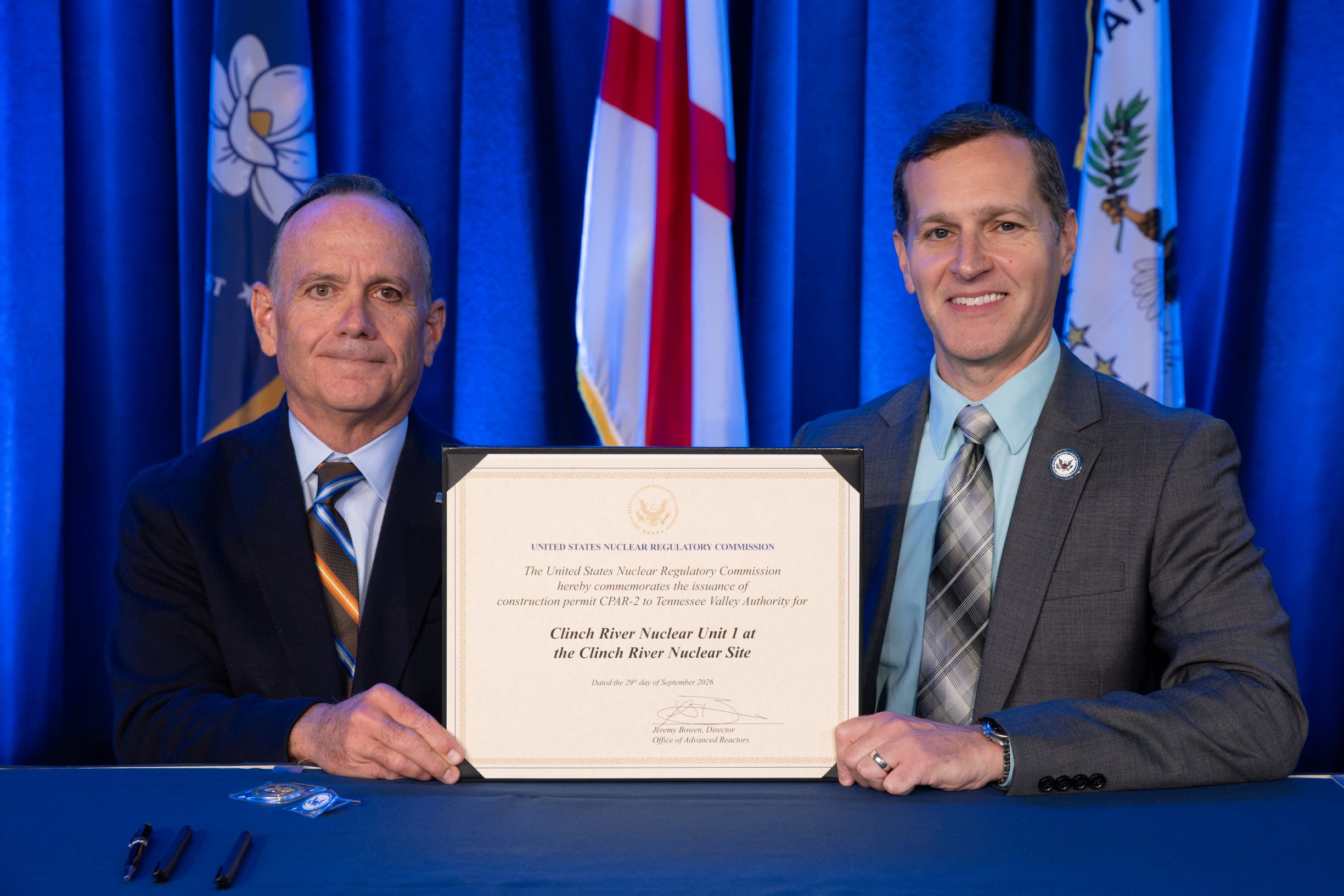
NRC Grants First U.S. Construction Permit for BWRX-300 Small Modular Reactor at TVA's Clinch River Site
The U.S. Nuclear Regulatory Commission has issued the first construction permit in the United States for a GE Vernova Hitachi BWRX-300 small modular reactor to the Tennessee Valley Authority for installation at the Clinch River site in Oak Ridge, Tennessee, marking a significant milestone for advanced nuclear deployment in North America.
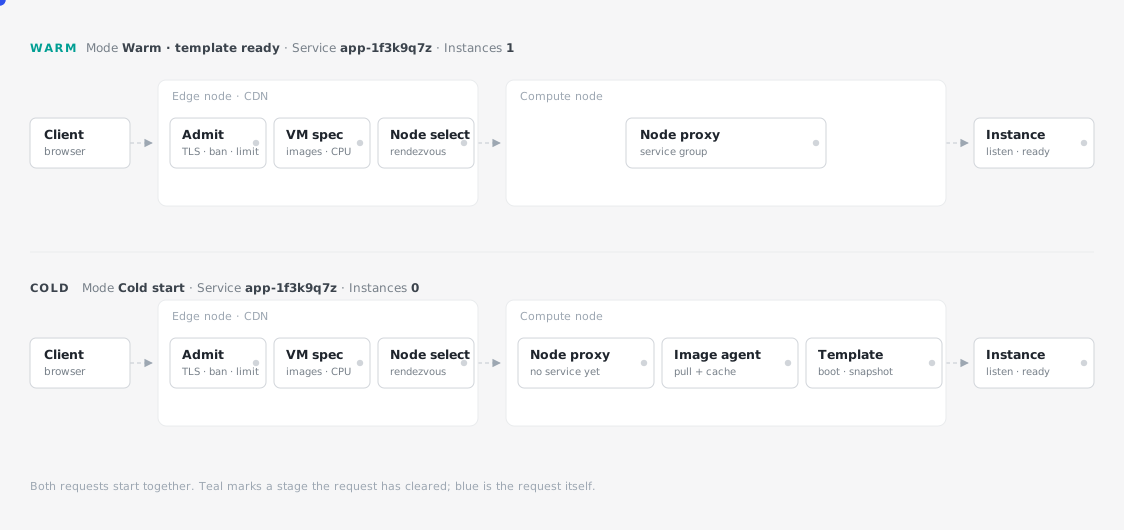
Netlify's Edge Functions Achieve 5x Performance Boost with Unikraft MicroVMs
Netlify rebuilt its Edge Functions infrastructure to run on Unikraft-powered microVMs, reducing median response time from 25-40ms to 5-6ms while improving reliability and enabling new capabilities like npm package support.

NASA Seeks Former SR-71A Engineers to Revive Retired Blackbird
NASA has quietly approached retired engineers who worked on the SR-71A Blackbird to assist in a secret effort to return the aircraft to flight, according to Aviation Week.
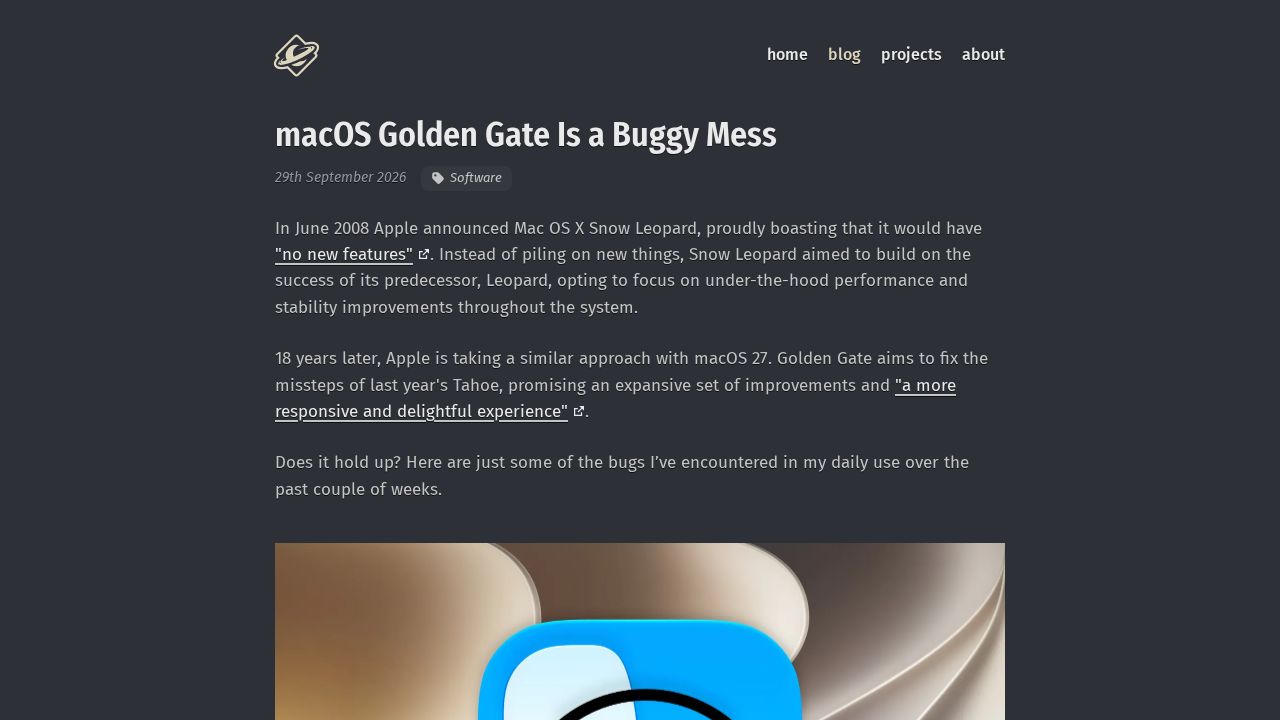
macOS Golden Gate: A polished release with a rough first impression
Apple's macOS 27 Golden Gate aims to fix last year's missteps and deliver a more responsive experience, but a hands-on report catalogues a wide range of defects — from cosmetic misalignment to a menu bar architecture change that broke third-party apps and, in one case, a system-wide hang. The gap between Apple's stated ambitions and what shipped raises a familiar question about annual release cadence.
Jev: A New Class of AI Model Built for Fast, Calibrated Text Classification
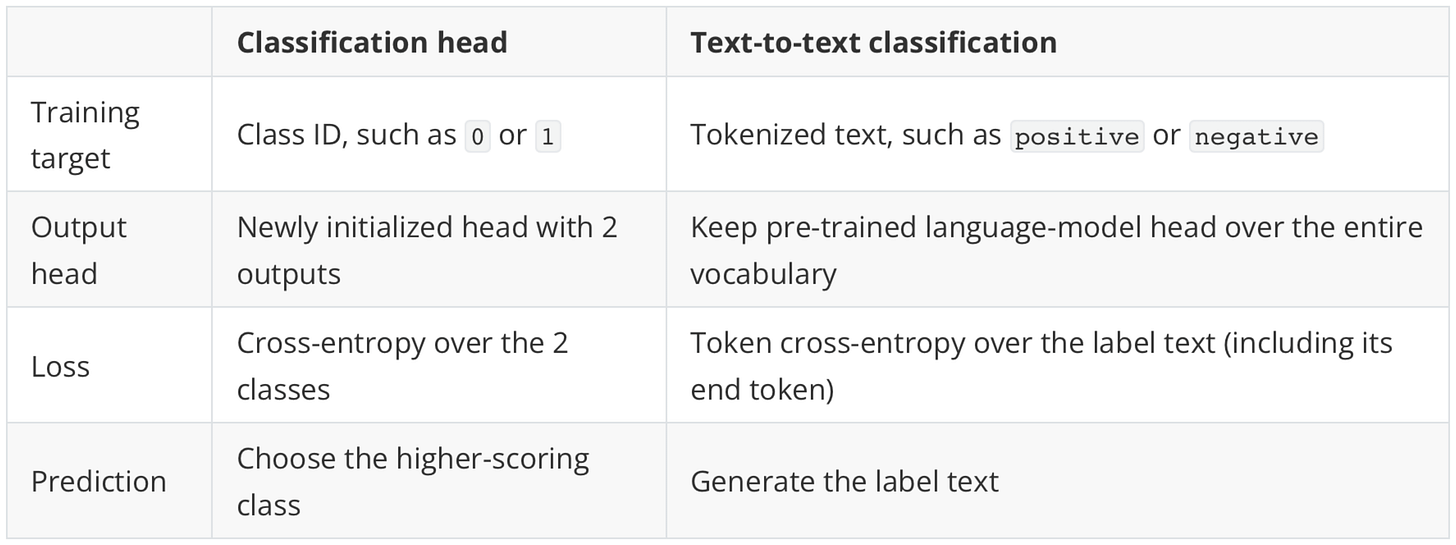
TypeSafe AI has released Jev, a "System One" model that trades free-form text generation for structured, probabilistic classification decisions. Unlike conventional LLMs that generate tokens sequentially, Jev produces all output probabilities in parallel—delivering frontier-level intelligence on classification tasks at 40–200× the speed and a fraction of the cost. The model uses a new training method called Reinforcement Learning for Calibrated Decisions (RLCD) to output epistemically honest confidence scores, making it suitable for automation where reliability matters. Sebastian Raschka's companion article traces the lineage from bag-of-words and naive Bayes through RNNs, CNNs, and transformers to contextualize where Jev fits in the evolution of text classification.
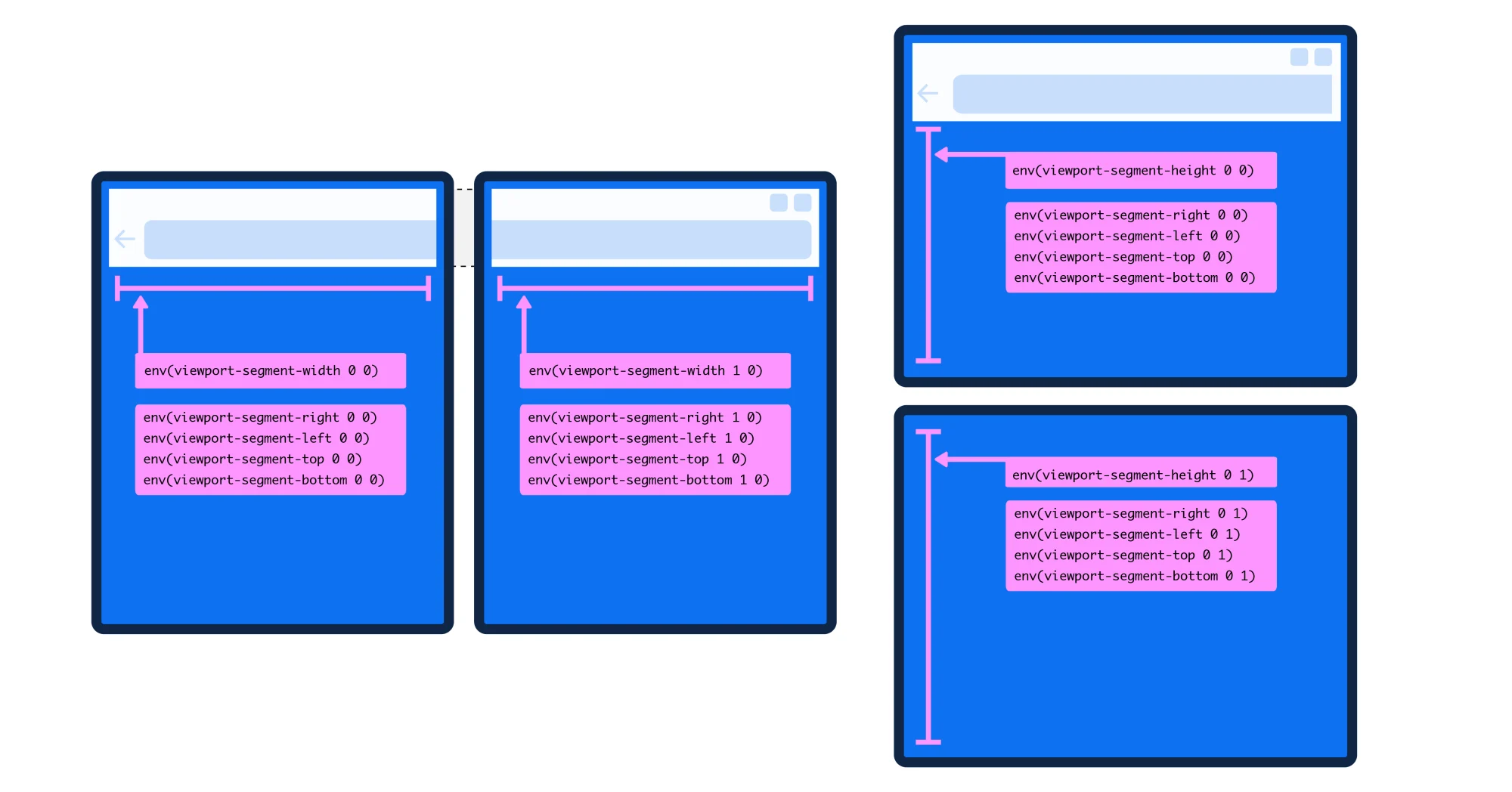
How to Lay Out Web Content Across Foldable and Dual-Screen Devices
A May 2023 post by Stephanie Stimac surveys the CSS tools available for foldable and dual-screen web layouts — viewport-segments media queries and environment variables — and argues that the 21 million foldables forecast for 2023 is enough to justify the investment, even though browser support remains split between Edge and Chrome.

HN.watch Generates AI Video Explainers for Hacker News Stories
HN.watch (hn.watch) automatically produces short AI-generated video summaries for stories on the Hacker News front page. Each story displays a video badge; clicking a title plays the explainer. User feedback on the generated videos highlights concerns about nuance loss and factual misrepresentation.
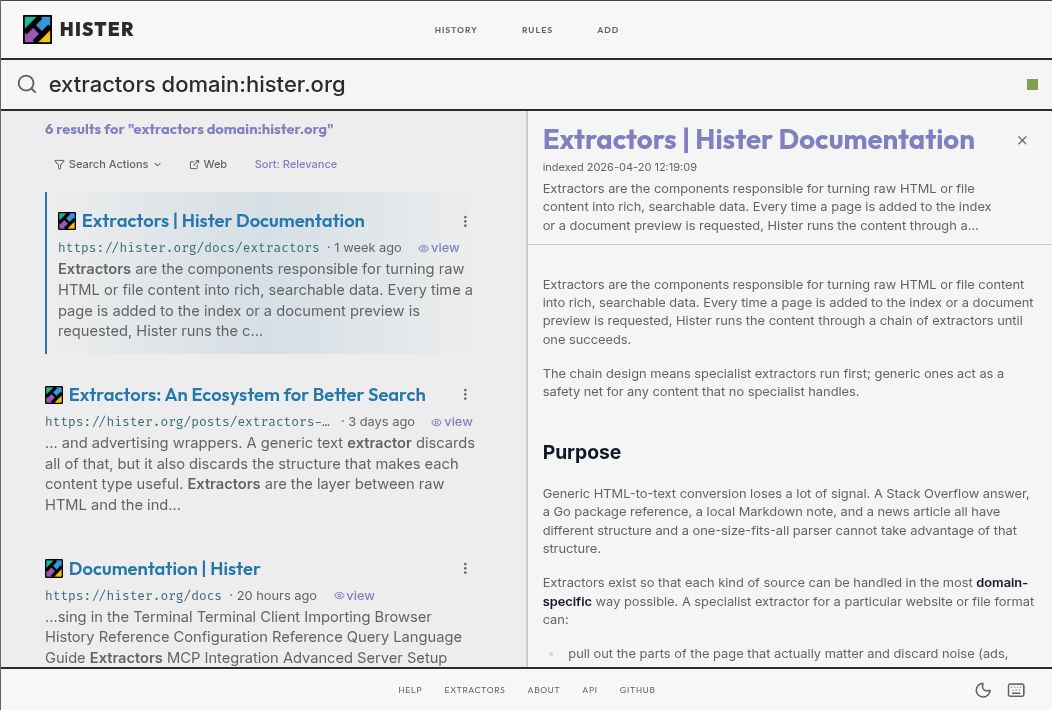
Hister: A Self-Hosted Personal Search Engine for Your Browsing History and Local Files
Hister indexes the full content of web pages you visit and files you keep, letting you search them later through a web interface, terminal, or AI assistant — all running on infrastructure you control.
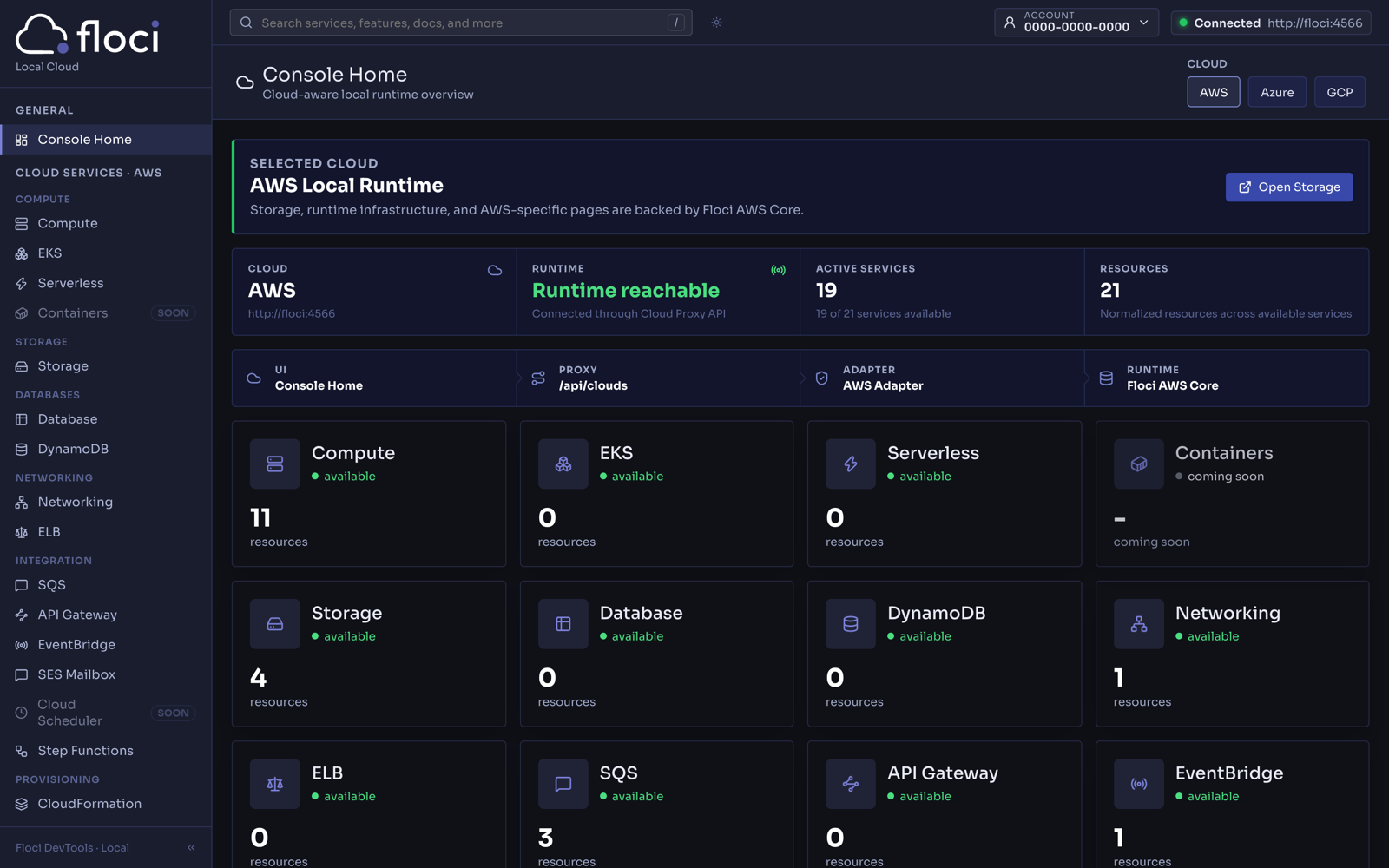
Floci: Locally emulating any cloud service
Floci is a free, open‑source local cloud emulator that brings AWS, Azure, GCP, and OCI services to a developer’s machine. It lets AI coding agents and other tools test infrastructure without real cloud accounts, credentials, or cost.

Flet 1.0 lands as a full Python layer over Flutter for cross-platform apps
Flet 1.0 is a Python framework that compiles to Flutter, letting developers build web, desktop, and mobile apps from one Python codebase with no Dart, Swift, Kotlin, HTML, or JavaScript required. The release ships 150+ controls, packaging for app stores, a browser/ Pyodide mode, a pytest-based test runner, and Flet Studio for in-browser editing.
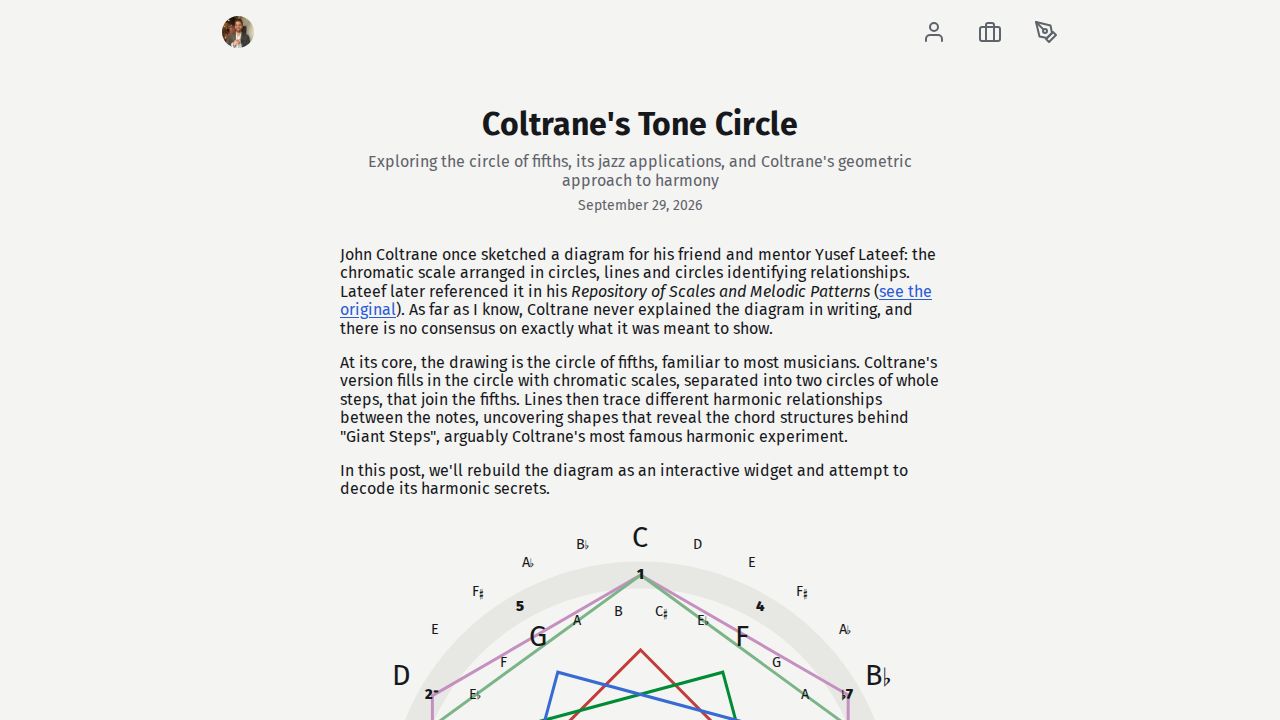
Explaining John Coltrane's Tone Circle and Its Harmonic Insights
The tone circle sketched by John Coltrane for Yusef Lateef visualizes the circle of fifths with interlocking chromatic rings, revealing geometric shapes that correspond to symmetric jazz chords and progressions such as the 2‑5‑1, tritone substitution and the Coltrane changes.
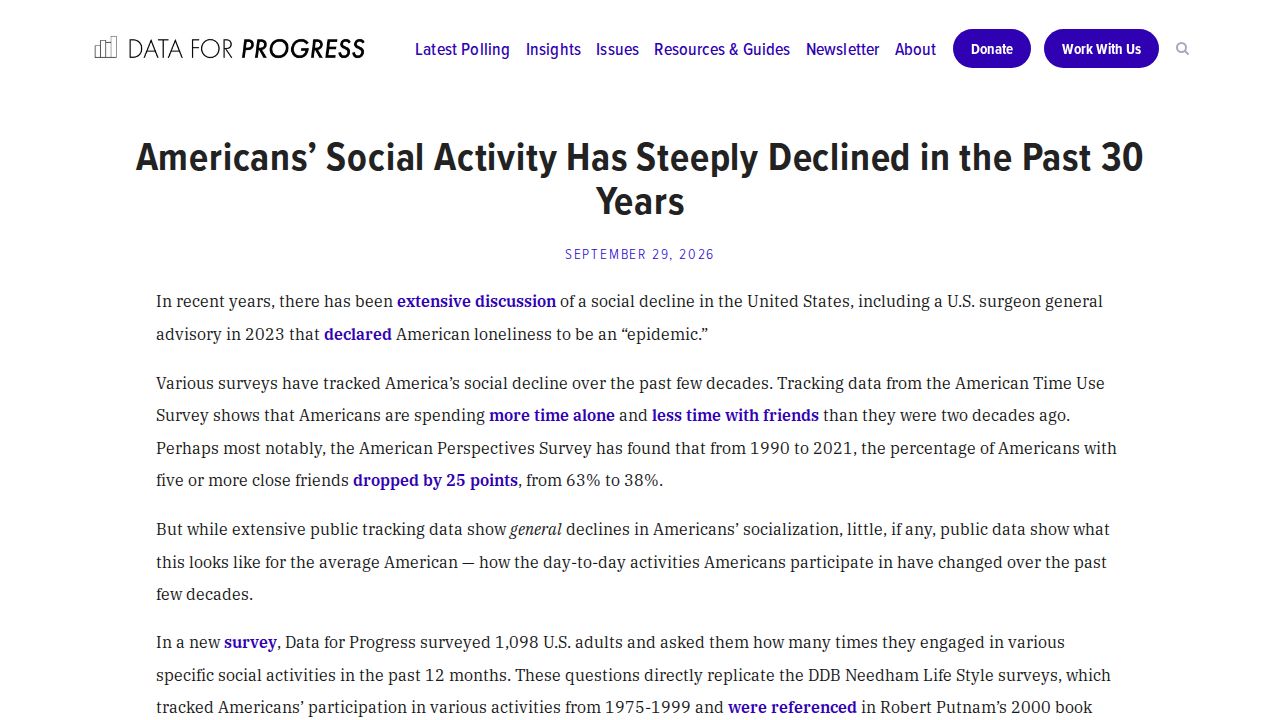
Data for Progress Report Shows Sharp Decline in American Social Activities Since 1995
A new survey by Data for Progress reveals that Americans' participation in traditional social activities—such as attending church, hosting home gatherings, and joining clubs—has dropped by double-digit margins over the last three decades.
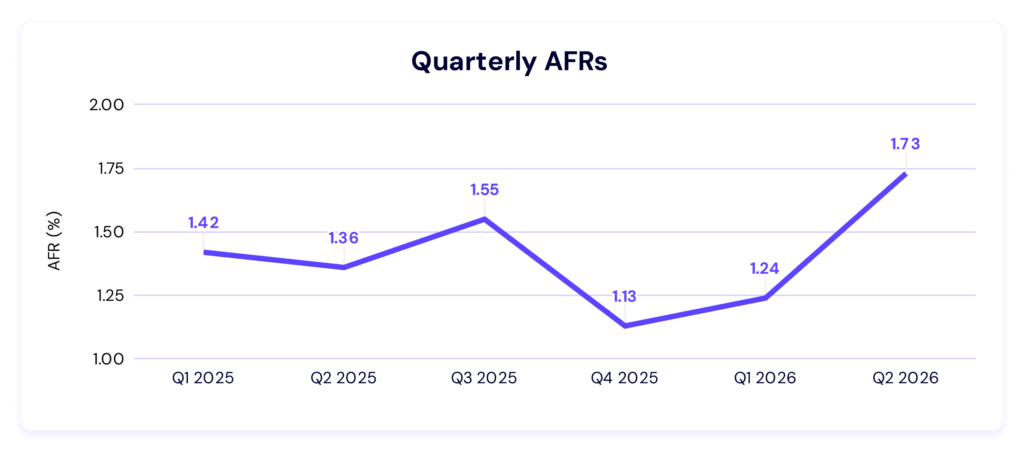
Backblaze Q2 2026 Drive Stats: Fleet Failure Rate Rises to 1.73% as High-Capacity Drives Dominate
Backblaze's quarterly report on 354,415 hard drives shows the annualized failure rate (AFR) climbed to 1.73% in Q2 2026, the highest in recent quarters. The increase coincides with a fleet shift where drives of 20 TB and above now exceed 25% of the deployed population. Three aging models posted outlier failure rates above 6.95%, while Seagate swept the zero-failure honor roll. Lifetime AFR edged up to 1.41%. The report also examines how emerging recording technologies—SMR and HAMR—may shape future drive qualification.