NASA has reached out to several former Lockheed SR-71A Blackbird engineers and test personnel, including Mike Relja and Tim Conners, to seek their expertise on a classified effort to return one of the agency’s retired aircraft to flight. The outreach came from David Ash, a former U.S. Navy and Joby test pilot hired in June 2026 as a special projects director for NASA, who asked the veterans to contribute their knowledge to a secret return‑to‑flight project for Tail No. 844, the specific SR‑71A that NASA operated before its final mission in 1999.
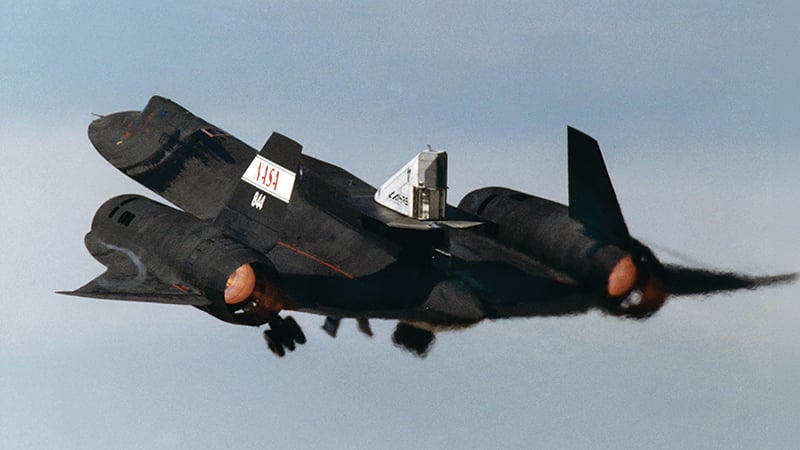
Illustrates the SR-71A Blackbird aircraft that NASA is attempting to return to flight, as discussed in the opening paragraph.
According to the interviewees, NASA had already moved the aircraft from its outdoor display pole at the Armstrong Flight Research Center on Edwards AFB, California, sometime before April 2026, as evidenced by commercial satellite imagery. The SR‑71A, which had stood on the pole since its last flight on October 9, 1999, was rolled into the hangar that previously housed the Space Shuttle. Inside the hangar, NASA crews began an inspection of the airframe. Relja told Aviation Week that, while he knows people are working on the jet, he doubts the effort can succeed without proper equipment, noting that the aircraft’s cavities are likely filled with water and sand from nearly three decades outdoors, and that the two engines—and a spare engine stored beneath the airframe—have not been lubricated or rotated since the final flight.
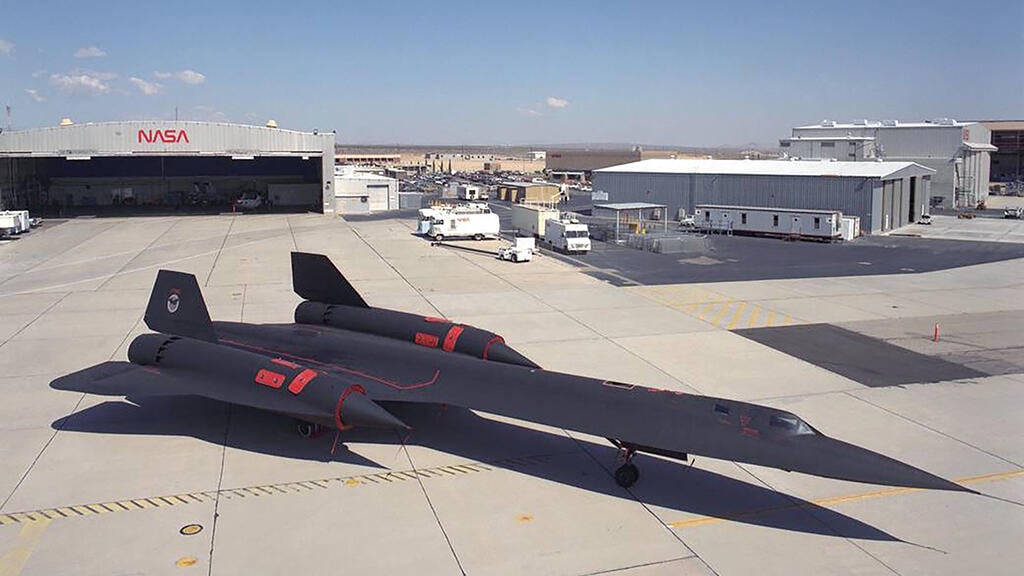
Shows the SR-71A Blackbird on its outdoor display pole, which the article states was moved before April 2026 for inspection.
The former engineers highlighted additional obstacles: the $600 million supply of Blackbird spare parts destroyed by the Air Force and NASA in 2007, the absence of ground‑handling carts and other bespoke gear needed to raise wings or remove engines, and the lack of a ready source for the SR‑71A’s unique JP‑7 fuel, triethylborane ignition chemical, and specialized oils and hydraulics. Conners suggested that parts could be salvaged from other SR‑71s on display in museums, noting that nine aircraft were flown to their final resting places with engines still attached. Both Relja and Conners acknowledged that Lockheed’s original operational manuals remain available and that the aircraft’s simple electronic architecture could aid restoration, but they stressed that a successful revival would depend on substantial funding and engineering solutions—resources NASA has not publicly confirmed it possesses.