For the first time in history, global solar power generation has surpassed nuclear power output. According to the World Nuclear Industry Status Report (WNISR) 2026, this milestone was reached in April 2025. The report, overseen by nuclear energy consultant Mycle Schneider, notes that the shift is part of a broader trend where wind and solar are increasingly outpacing nuclear generation. In fact, wind power alone surpassed nuclear generation on a monthly basis in March 2025, and by the first half of 2026, both solar and wind independently generated more electricity than nuclear every month.
The disparity is largely attributed to the contrasting growth rates of the two sectors. In 2025, global solar capacity grew by 27% year-on-year, adding 510 GW to reach a total of 2,383 GW. In contrast, installed nuclear capacity rose by only 1.5 GW to 399.5 GW, while operating nuclear capacity actually declined by 0.5 GW. The WNISR report highlights that nuclear capacity has remained essentially flat for over 25 years. This stagnation is compounded by long construction timelines; none of the 16 reactors connected to the grid between 2023 and 2025 were completed on schedule, with an average construction period of 10.9 years. Some projects have faced extreme delays, with construction periods exceeding 40 years.
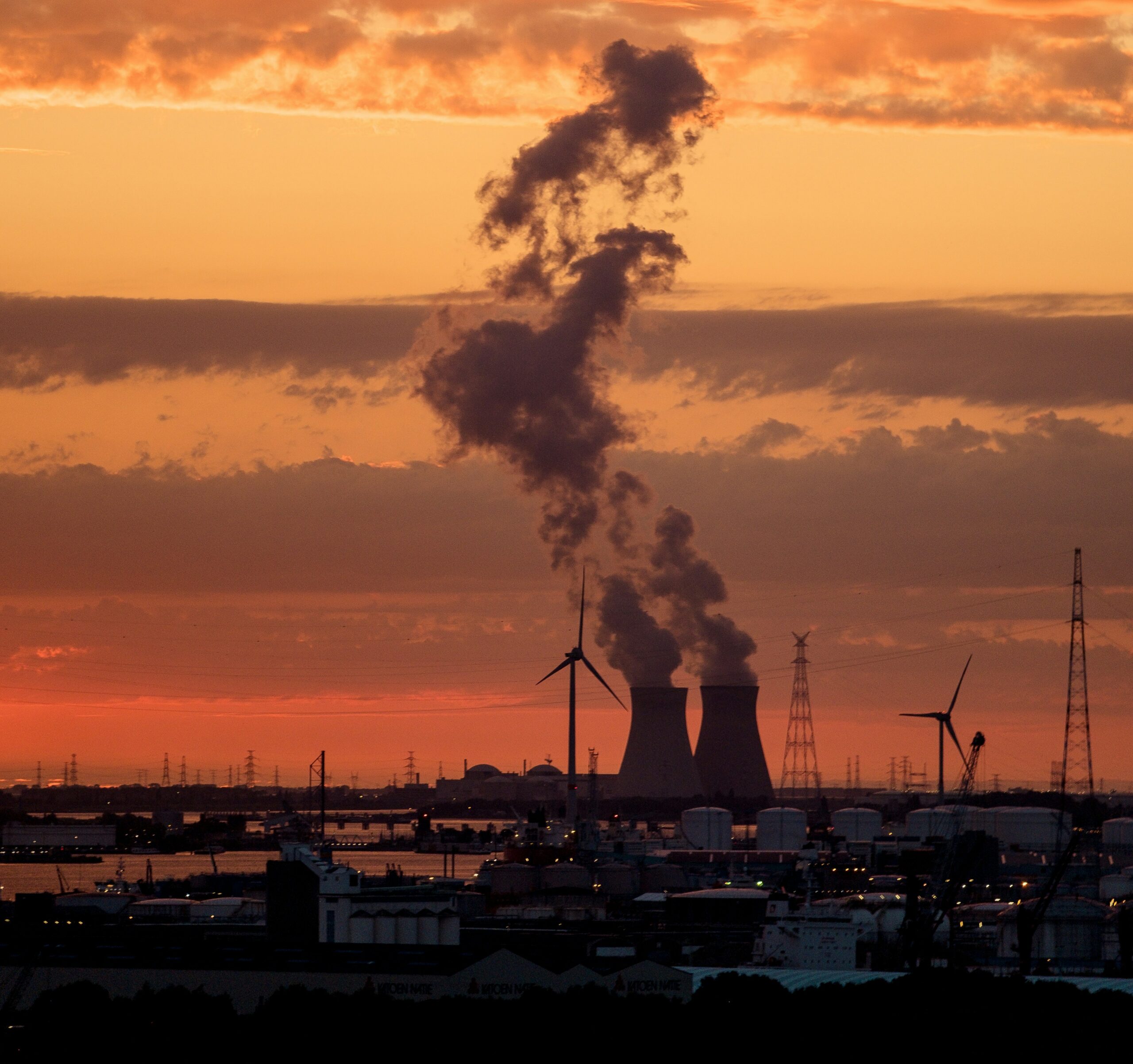
This image illustrates the massive scale of solar infrastructure deployment mentioned in the second paragraph.
While the nuclear sector struggles with slow expansion and high costs—evidenced by recent IPO cancellations and stock value losses for industry players—the solar sector is being bolstered by falling battery costs. Grid-scale battery energy storage systems (BESS) saw a sharp acceleration in 2025, with 104 GW of capacity connected during the year. This storage capacity helps manage the variability of solar power, allowing it to compete more effectively with the steady but slow-growing output of the global nuclear fleet. Despite these shifts, the report notes that most new nuclear activity remains concentrated in China and Russia, while the rest of the world has seen a net decline in operating reactors since 2006.
One significant uncertainty remains regarding the exact scale of the solar-nuclear gap. The WNISR report uses conservative estimates for solar additions; more recent data from the International Energy Agency (IEA) PVPS suggests that global photovoltaic (PV) additions in 2025 reached approximately 690 GW—180 GW more than the WNISR figure. This implies that the growth of solar power and its lead over nuclear capacity may be even more substantial than the primary report indicates. Furthermore, while small modular reactors (SMRs) are being marketed as a solution to nuclear's slow growth, the report questions their ability to deliver on promises of lower costs and modular efficiency, noting that some designs may actually generate significantly more waste than larger reactors.
The shift in the energy landscape is also reflected in nuclear's shrinking share of global electricity. Nuclear's share of global generation slipped to 8.8% in 2025, its lowest level in four and a half decades. This is a sharp decline from its 1996 peak of 17.5%. While the construction pipeline for new reactors is at its highest level since 1987, the slow pace of completion and the rapid deployment of solar and wind suggest a fundamental shift in how the world is meeting its electricity demands.
The report also highlights the role of technology and policy in this transition. The rapid expansion of solar is supported by a massive increase in global capacity, while the nuclear industry faces a 'sobering' reality of limited commercial progress. For instance, the report notes that the world's operating nuclear fleet increased output by only 1.1% in 2025, largely driven by a 7.6% increase in China, while output declined outside of China. This highlights a growing geographical and technological divide in the global energy mix, where solar and wind are rapidly filling the void left by a stagnant nuclear sector.
Ultimately, the transition is being fueled by a combination of rapid technological scaling in renewables and systemic hurdles in nuclear infrastructure. The report identifies the expansion of solar and wind as a direct result of rapid capacity additions and falling costs for supporting technologies like batteries. Meanwhile, the nuclear industry continues to grapple with the realities of long-term construction delays and the difficulty of achieving economies of scale with new designs like SMRs. As solar generation continues to climb, the gap between these two primary sources of baseload and variable power continues to widen, marking a significant turning point in global energy production.
In summary, the milestone of solar surpassing nuclear is not just a matter of capacity, but a reflection of different industrial trajectories. Solar has benefited from a 27% year-on-year growth rate and a robust expansion in battery storage, while nuclear has faced a flat growth curve for over a quarter-century. With nuclear's share of global electricity generation hitting a 45-year low, the report underscores a period of rapid transition where the speed of renewable deployment is fundamentally reshaping the global energy grid.
The report also provides a detailed look at the construction pipeline, which currently stands at 73 reactors under construction—the highest since 1987. However, the fact that only four of 13 scheduled reactors started in 2025 underscores the persistent challenges of the nuclear industry. In contrast, the solar industry's ability to add over 500 GW of capacity in a single year demonstrates a level of scalability that nuclear has yet to match. This disparity in growth rates is a key factor in why solar has been able to overtake nuclear in such a relatively short timeframe.
The report also notes that the nuclear industry's reliance on Russian technology remains a significant factor in the global construction pipeline. Russia is currently the dominant international supplier, with its technology involved in 29 reactors under construction worldwide. This highlights the complex geopolitical and supply-chain interdependencies that continue to shape the future of nuclear energy, even as solar power takes a leading role in global generation.
Finally, the report suggests that the future of the energy mix will depend on how effectively grids can integrate variable renewables. The rapid deployment of battery storage is a critical component of this, providing a mechanism to stabilize the grid as solar and wind become more dominant. As the world moves toward a lower-carbon future, the interplay between these technologies—the rapid scalability of solar and the slow, steady growth of nuclear—will continue to define the global energy landscape.
The report's findings suggest that the era of nuclear dominance in global electricity generation is being replaced by a period of rapid solar expansion. This shift is driven by a combination of technological advancements, falling costs for storage, and the inherent difficulties of scaling nuclear infrastructure. As solar continues to grow at its current pace, it is expected to continue widening the gap between itself and the nuclear sector, potentially reaching new milestones in the coming years.
The report also emphasizes the importance of data accuracy in understanding these trends. The discrepancy between the WNISR and IEA PVPS figures for solar additions in 2025 serves as a reminder that the scale of the solar transition may be even more significant than some reports suggest. By providing a clearer picture of the growth rates and capacity additions, the WNISR 2026 report offers a comprehensive look at the changing dynamics of global power generation.
In conclusion, the fact that solar generation has surpassed nuclear power for the first time is a landmark event in the global energy transition. It reflects a fundamental shift in how electricity is produced and consumed, driven by the rapid scalability of solar technology and the persistent challenges facing the nuclear industry. As the world continues to navigate the complexities of energy production, the roles of solar, wind, and nuclear will continue to evolve, with solar now firmly established as a leading force in the global energy mix.
The report also highlights the importance of public funding in the development of new nuclear technologies, particularly SMRs. While these reactors are often touted as the future of nuclear power, their commercial viability remains uncertain. The report's analysis of SMR designs, which some suggest could produce more waste than larger reactors, adds a layer of complexity to the discussion of nuclear's role in a clean energy future.
The report's findings provide a clear picture of the current state of global energy, where the rapid growth of solar and wind is fundamentally altering the landscape. By comparing the growth rates, construction timelines, and technological hurdles of nuclear and solar, the WNISR 2026 report offers a nuanced view of the transition toward a more renewable-heavy energy grid.
As the global community continues to seek ways to decarbonize its energy systems, the rise of solar power as a dominant force in electricity generation is a significant development. The report's data on capacity additions, generation totals, and the challenges of nuclear construction provide a roadmap for understanding the current and future state of global power.
The report also notes that the decline in nuclear's share of global electricity generation to 8.8% is a significant trend that reflects the broader shift toward renewables. This decline, coupled with the rapid rise of solar, marks a new chapter in the history of global energy production, one where the speed of innovation and deployment in the solar sector has outpaced the traditional growth of nuclear power.
Ultimately, the WNISR 2026 report serves as a critical document for understanding the changing dynamics of the global energy market. By highlighting the first-time milestone of solar surpassing nuclear, it provides a clear indicator of the direction in which the world's energy systems are moving.
The report's analysis of the nuclear industry's