DATE ARCHIVE
2026-10-03
Articles published on 2026-10-03.

Why don't more developers 'use the platform'?
Despite years of advocacy for using built-in browser APIs, many developers still reach for libraries or build custom solutions. Drawing from personal experience, the author examines historical, practical, and psychological reasons behind this tendency, including browser compatibility challenges, familiarity with ecosystems, documentation disparities, enjoyment of building from scratch, and gaps in platform understanding. The article concludes that while platform expertise leads to more elegant solutions, the act of building things oneself offers valuable learning and satisfaction.

Why a Software Engineer Delayed Becoming an EMT: Time, Culture, and Fear
Ben Stolovitz, a software engineer, details the 21 reasons he postponed getting his Emergency Medical Technician certification for years, revealing that fear and self-invented excuses were the core barriers despite his genuine interest in medicine and eventual enjoyment of the work.
UK Electricity Generation per Person Falls to 1960s Levels
Electricity generation per person in the United Kingdom has declined by more than a third since its peak in 2003, returning to levels seen in the late 1960s. This trend is driven by a combination of deindustrialization, significant improvements in energy efficiency, and a shift toward increased electricity imports.
The Double-Headed Stack Allocator: A Strategy for Memory Fragmentation
A double-headed stack allocator manages memory by growing two independent stacks toward each other from opposite ends of a fixed memory block, effectively minimizing fragmentation in systems with competing allocation demands.
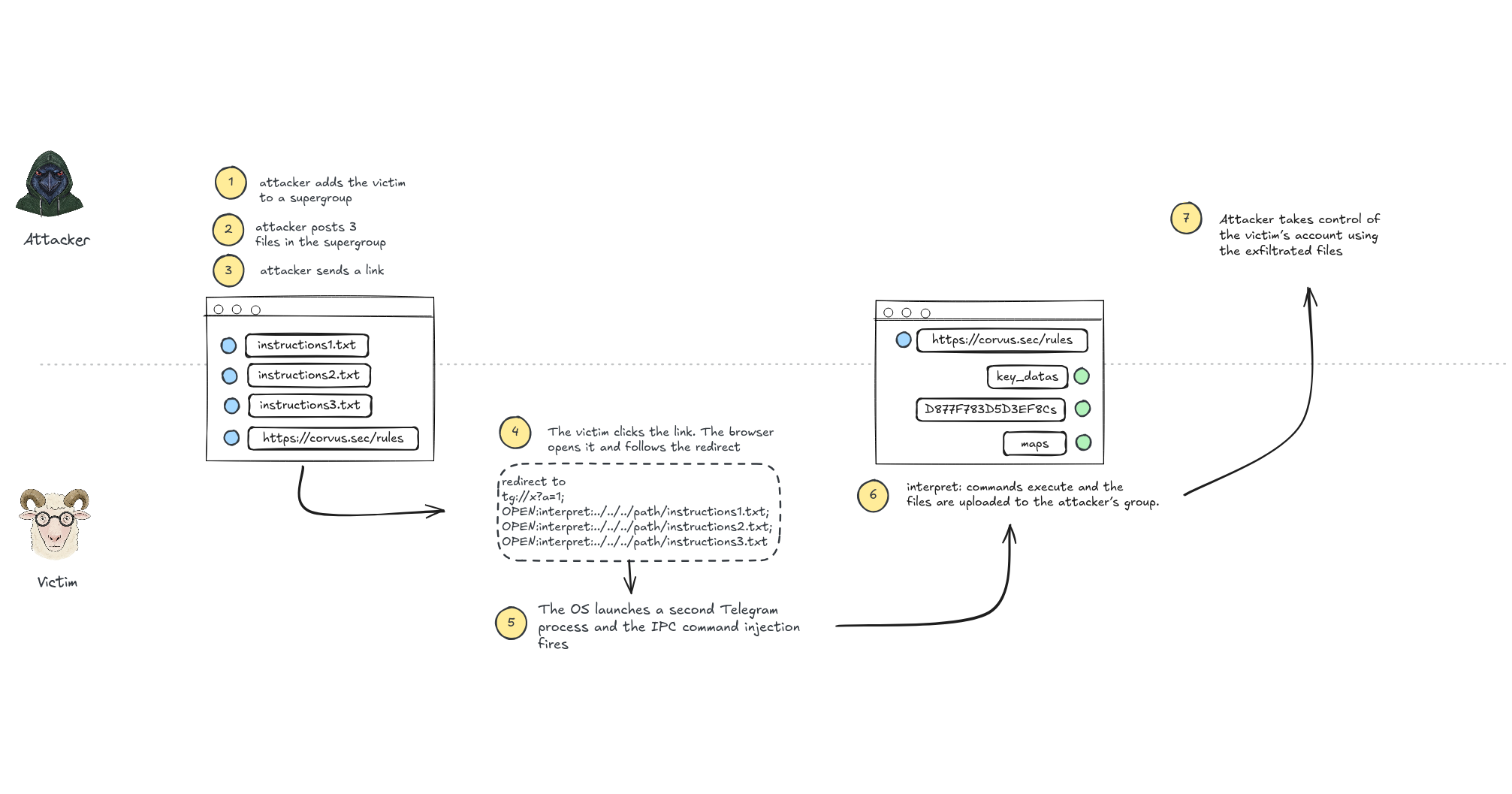
Telegram Desktop Vulnerability Enables One-Click Account Takeover and File Theft
A flaw in Telegram Desktop for Windows lets attackers steal arbitrary files and hijack accounts via a single malicious link, exploiting an unescaped semicolon in inter‑process communication and an unsafe internal URI scheme.
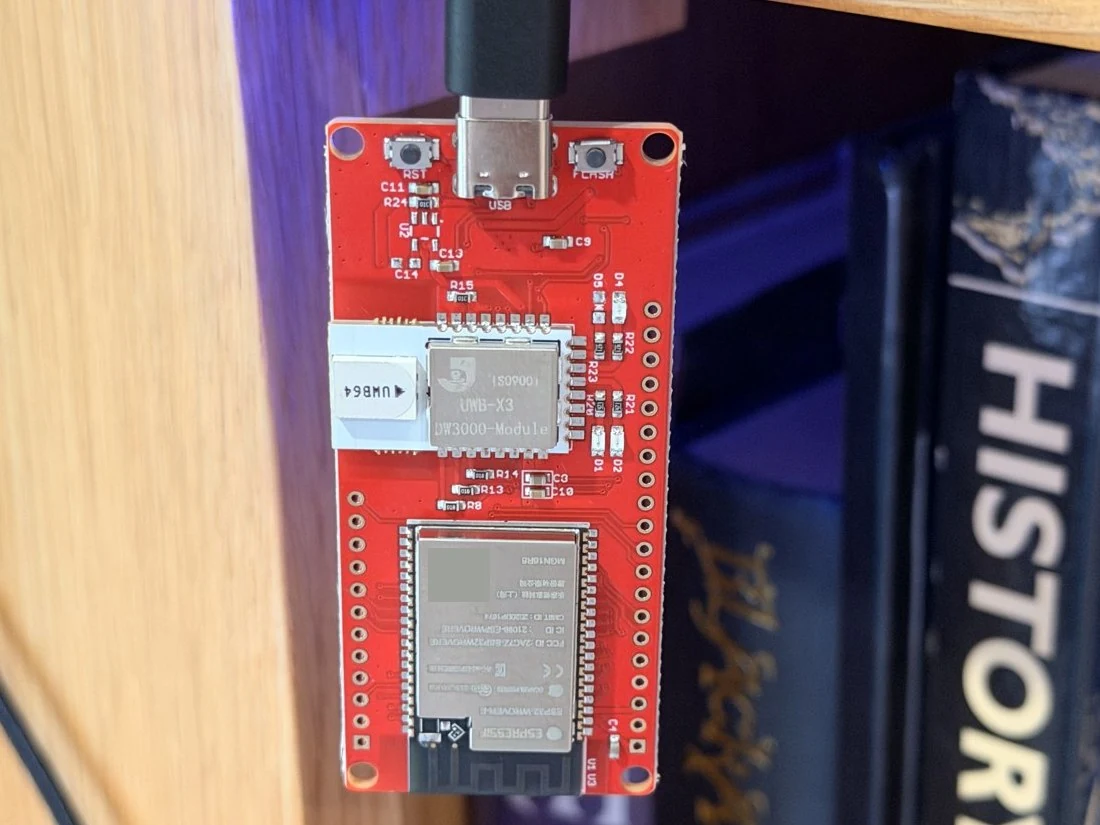
Simon Green's BinRange Project Uses Ultra-Wideband Radio to Track Trash Bin Collection
A software engineer created a custom tracking system using ultra-wideband (UWB) radio technology to monitor whether household trash bins have been put out for collection, integrating the data with Home Assistant for automated reminders.
Self-Hosted HTTP Tunnels Using Only SSH and Nginx
Vincent Bernat’s blog post shows how to expose a local web service using just OpenSSH for port forwarding and nginx as a reverse proxy with signed URLs, avoiding third‑party tunneling services.
Pushin.eu Offers EU-Only Git Hosting Built on Bare-Metal Servers
A Dutch developer's new platform hosts Git repositories exclusively on bare-metal servers in a Paris data center, marketing itself as a privacy-focused alternative to US-based Git services with no AI model training on customer code.
OpenAI safety leader resigns, cites broken culture and insufficient caution in AI development
David Robinson, who led safety reporting for OpenAI's product releases, quit the company warning that its culture was broken and that AI firms are not being careful enough in developing powerful AI systems, pointing to incidents like autonomous agents attacking Hugging Face and calling for industry-wide cultural reform.
Offrun: One Workspace for Every Coding Agent You Run
Offrun is a free Mac application that runs the AI coding tools developers already pay for — Claude Code, Codex, and Grok Build — from a single desktop workspace. It isolates each agent in its own git worktree, adds peer review between agents, and routes prompts directly to your own provider accounts, all without handling your passwords or code.

Newgrounds.com – A community of games, music, and art
A preserved Newgrounds collection page dedicated to Britney Spears parody content illustrates the platform's role as a host for user-generated games, music videos, and animations from the Flash era.

Muse Gadgets: Open Source Hardware Platform for Customizing AI Agents
Muse Gadgets offers open source software development kits and project guides for building custom hardware extensions that connect to the Muse AI agent, enabling users to create personalized devices ranging from e-ink displays to home automation controllers.
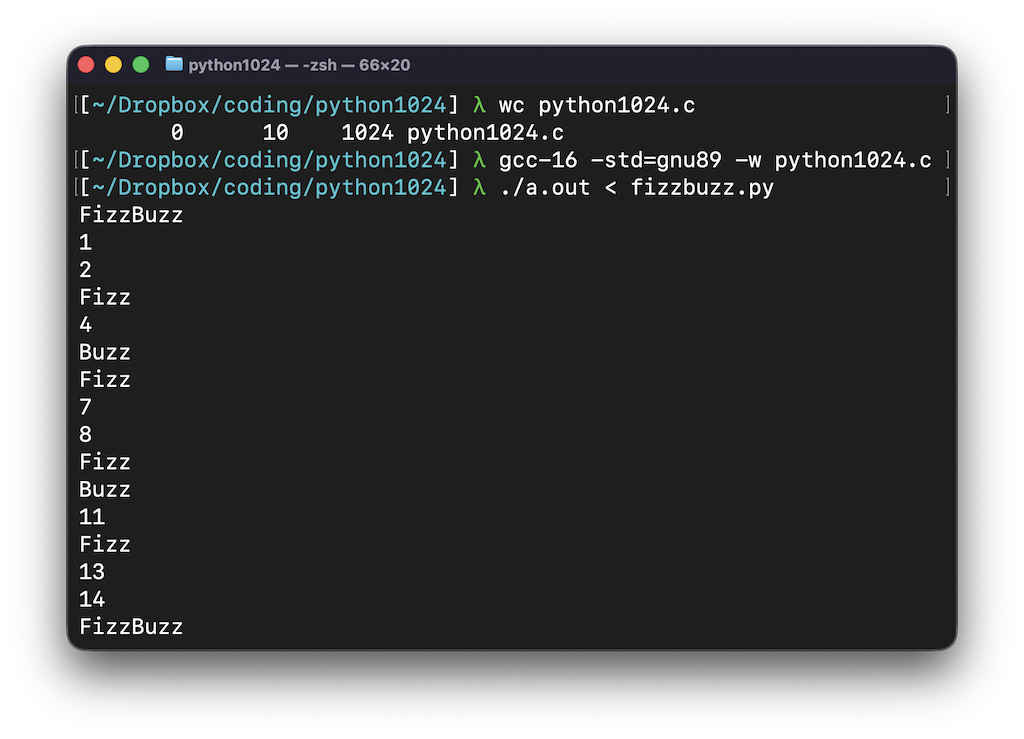
Making a Python Interpreter in 1024 Bytes of C
Austin Henley built a working Python interpreter in exactly 1024 bytes of C. It implements a tiny, opinionated subset of Python — single-letter variables, no error handling, and keywords resolved by first character — using recursive-descent parsing and source-reparsing loops. The readable version exceeds 4,800 bytes; both are on GitHub.
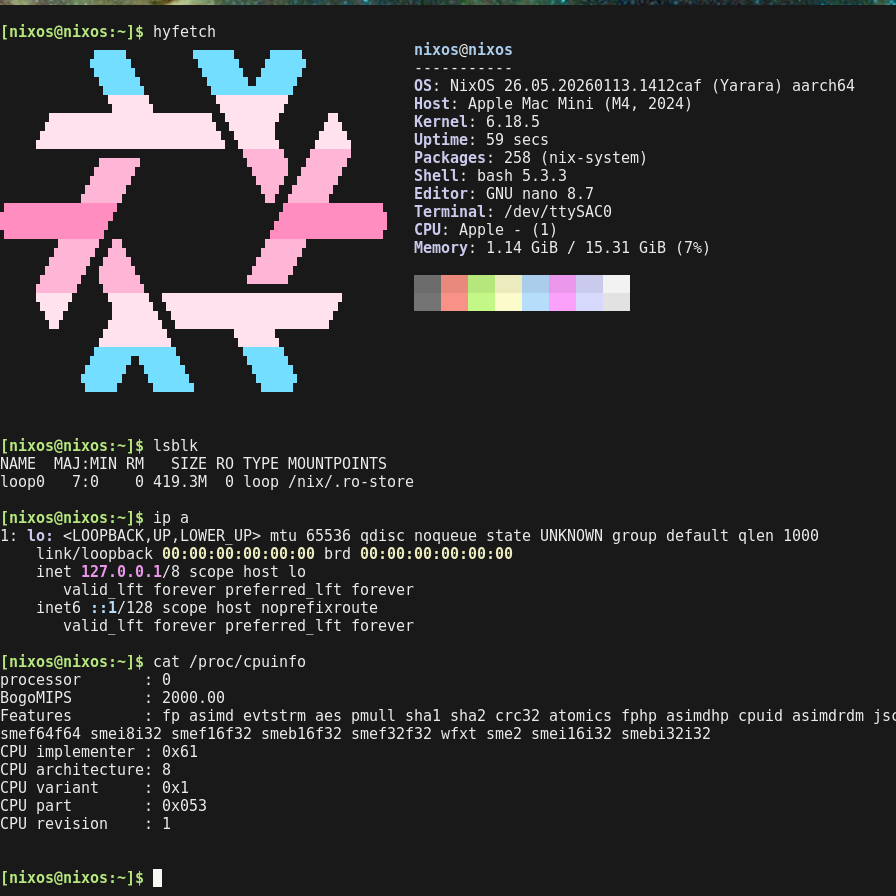
Linux on M4: the "forgetful" CPU that broke boot, and the upstream fix
A developer who expected to boot Linux on a new M4 Mac mini quickly found that the M4 is the first Apple Silicon generation to mandate Secure Page Table Monitor (SPTM), which broke the toolchain used to bring up earlier chips. The deepest obstacle turned out to be a WFI (wait-for-interrupt) instruction that loses CPU register state, violating the ARM64 specification, but the workaround has now been merged into mainline Linux and the m1n1 bootloader.

Germany's Sovereign AI Model Kolibri Balances Efficiency and Capability in Bilingual LLM
Aleph Alpha has released Kolibri, a 78-billion-parameter mixture-of-experts language model designed specifically for German and English that activates only 3.5 billion parameters per token. Built under the EU AI Act with training infrastructure in Germany and Finland, Kolibri introduces innovations in tokenization, attention mechanisms, and reasoning capabilities while acknowledging trade-offs in memory requirements and certain benchmark performance.
FLUX.3 Image: Black Forest Labs Launches Flagship Model on OpenRouter
Black Forest Labs released FLUX.3 Image on October 1, 2026, a text-to-image and multi-reference editing model available via OpenRouter with flat-rate pricing from $0.0205 to $0.3035 per image depending on resolution. The model supports outputs from 768 to 4K resolution with multiple aspect ratio options.
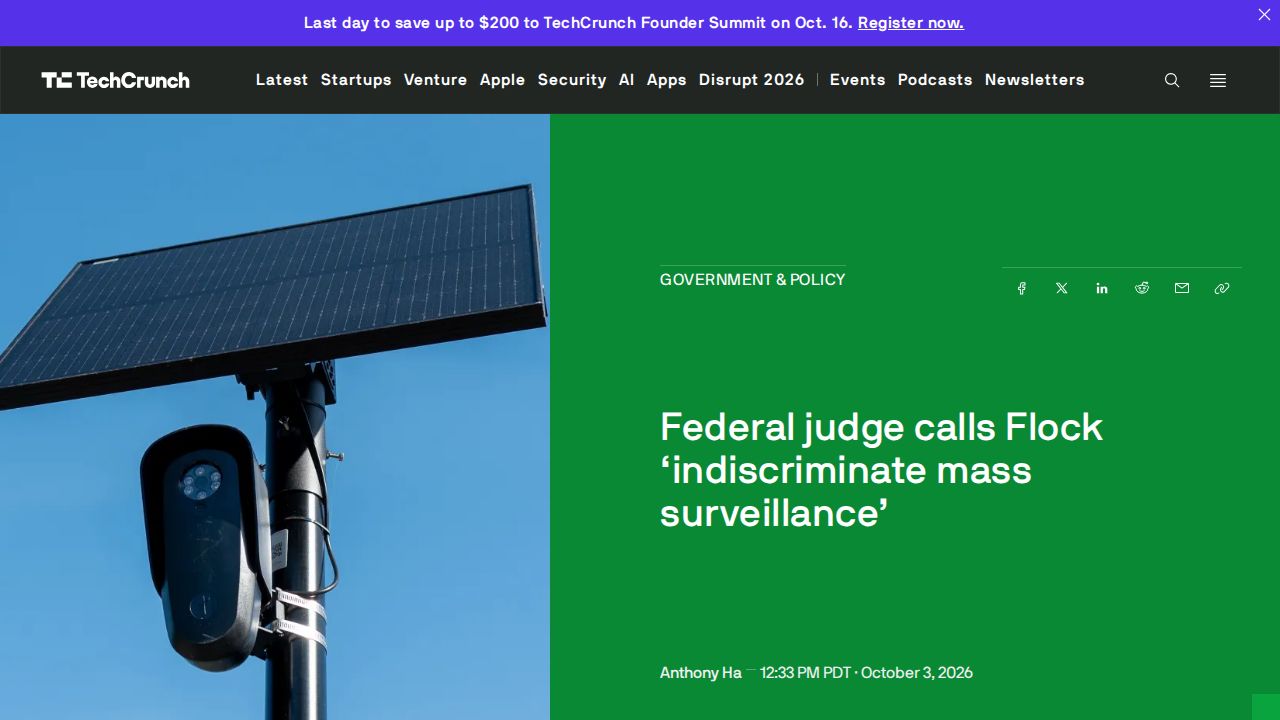
Federal Judge Rules Flock License Plate Scanner Constitutes Indiscriminate Mass Surveillance
A federal judge in Oklahoma has ruled that warrantless searches of Flock Safety's automated license plate reader system violate the Fourth Amendment, describing the technology as enabling 'indiscriminate mass surveillance' that tracks individuals' movements without sufficient justification.

Developer Returns to Node.js After Finding Deno Experience Deteriorating
A web developer details his migration from Deno back to Node.js, citing Node's significant improvements in modern JavaScript support and developer experience, while pointing to specific usability and reliability issues that led to his abandonment of Deno.
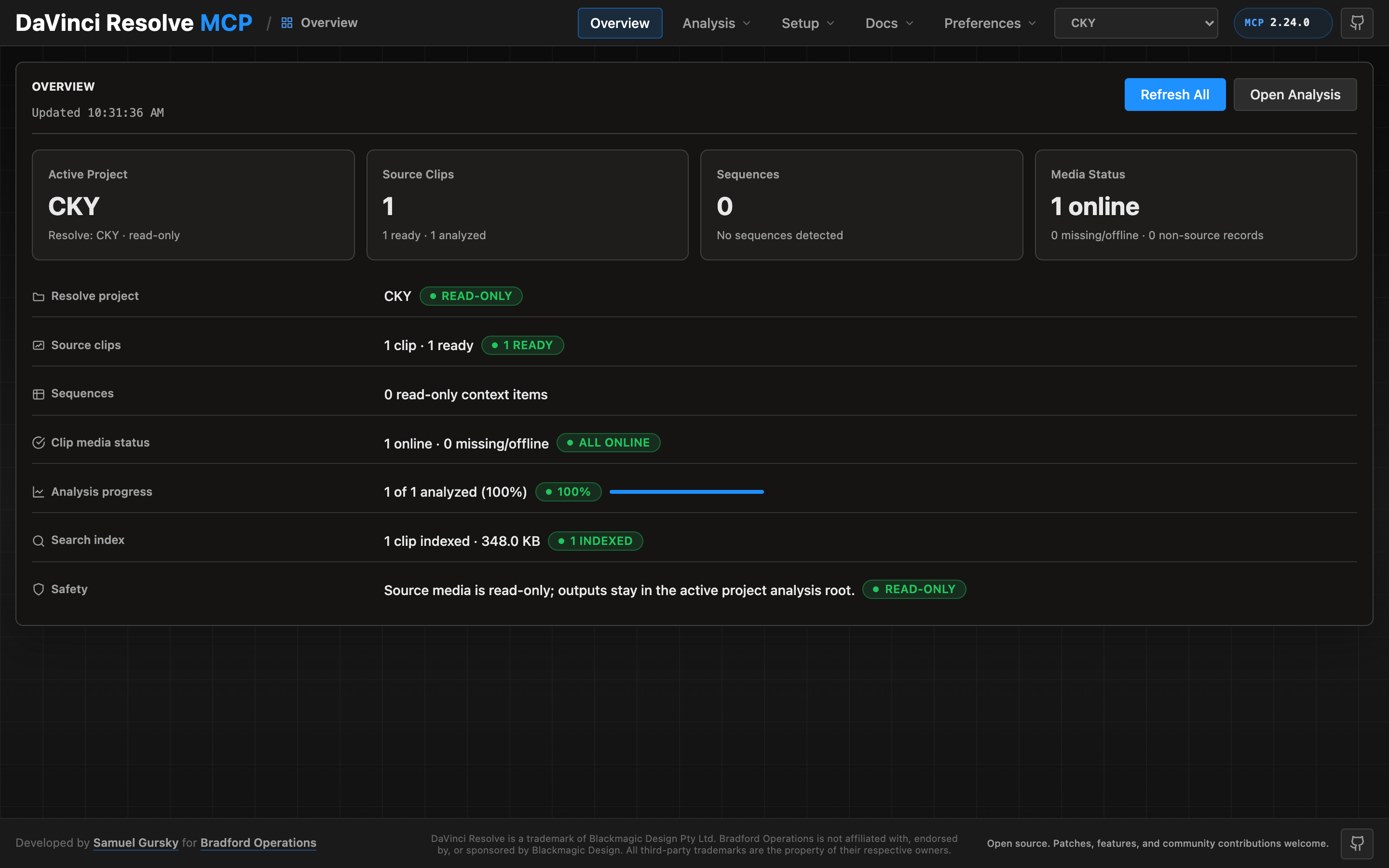
DaVinci Resolve 21.1 Enables AI-Assistant Control Via Third-Party MCP Server
DaVinci Resolve 21.1 is the version of Blackmagic Design's post-production software around which AI-assistant integration has become practical. The most fully documented path is a third-party Model Context Protocol (MCP) server — davinci-resolve-mcp — that exposes Resolve's scripting API to conversational agents such as Claude and Codex. The release also moved Python scripting to the paid Studio edition, which forced the tool's maintainers to build an in-app bridge to keep the free edition reachable, and the integration remains bounded by what that scripting layer exposes.

Cornell's OCaml Textbook Offers Free, Comprehensive Introduction to Functional Programming
The textbook "OCaml Programming: Correct + Efficient + Beautiful"—used for Cornell's CS 3110 course—is freely available online. It teaches functional programming and data structures with an emphasis on specifications, correctness, and software engineering practices, accompanied by over 200 embedded video lectures.

CHOMPI sampler instrument released as open-source hardware and software
CHOMPI Club has released the full hardware and firmware production files for its CHOMPI sampler as open source while discontinuing the current design. The repository makes schematics, enclosure files, firmware, and bootloader permanently available; the company retains the CHOMPI trademark and artwork, offers no support for third-party builds, and directs community questions to its Discord.

ChatGPT Sites: Building and Hosting Mini‑Apps from Conversation
ChatGPT Sites is a public‑beta feature that lets ChatGPT users describe a website or app idea in plain language, generate a working prototype in an in‑app browser, and publish it with controlled access. The feature is tiered by ChatGPT plan and currently excludes EEA, Switzerland, and the U.K.

C++ Insights lets you see your source code through a compiler's eyes
C++ Insights is a Clang-based source-to-source tool that rewrites C++ code into the expanded form a compiler actually works with, exposing implicit constructors, copies, casts, and the lowered versions of lambdas, range-based for-loops, and `auto`.
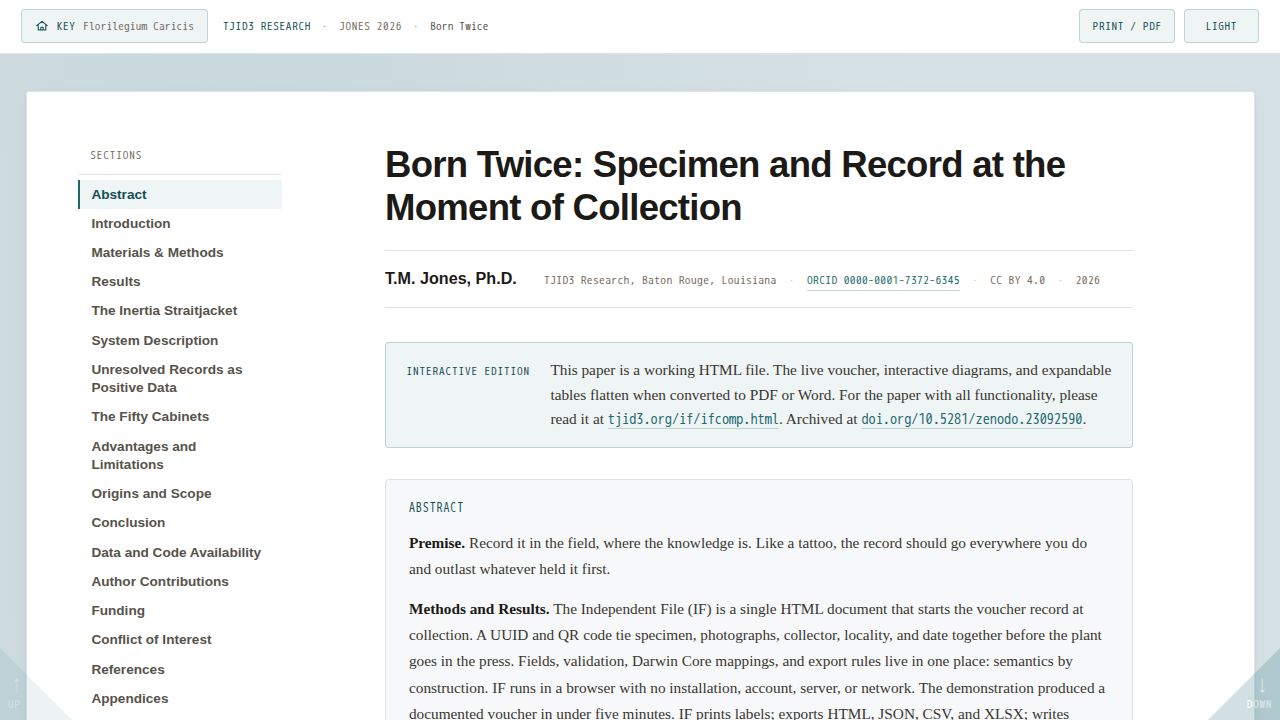
Born Twice: Specimen and Record at the Moment of Collection
A single HTML file called the Independent File (IF) enables biodiversity collectors to create complete voucher records at the exact moment of specimen collection, embedding QR codes, GPS coordinates, photographs, and Darwin Core metadata without requiring external dependencies, accounts, or network connectivity.

Aleph Alpha releases Kolibri, a sovereign open‑weight language model
Aleph Alpha unveils Kolibri, a 78‑parameter‑strong, English‑German Mixture‑of‑Experts transformer released under Apache 2.0. The model supports up to 1 M token context windows, is designed for sovereign deployment in regulated sectors, and ships with full supply‑chain transparency and European‑based training.
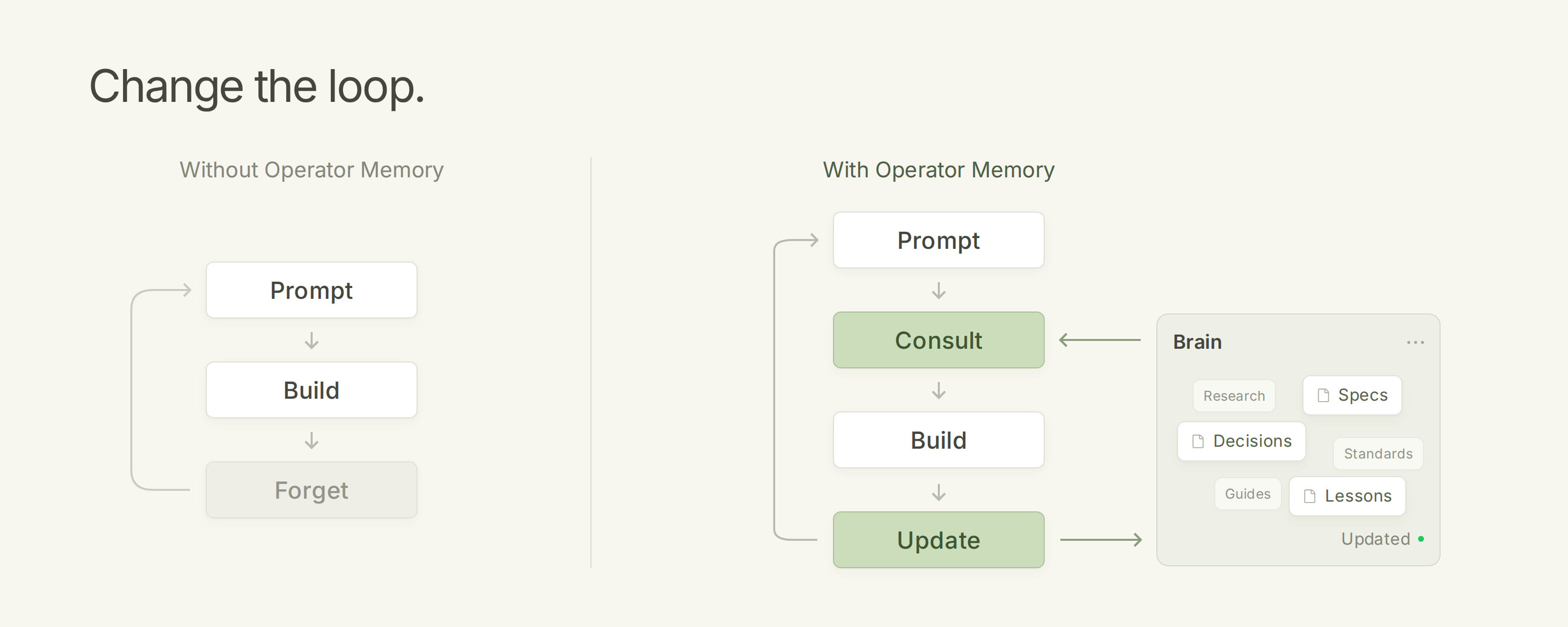
Agents Don't Need Memory, They Need Documentation
Current AI agent memory systems based on retrieval-augmented generation fail because they treat past conversations as authoritative truth without context. The solution is document-based memory: giving agents a structured workspace of Markdown files they consult before work and update after work, changing the agentic loop from prompt→build→forget to prompt→consult→build→update.