CHOMPI Club has released the complete hardware and firmware production files for its CHOMPI sampler instrument as open source, while simultaneously discontinuing the current CHOMPI design. The release makes the schematics, enclosure designs, firmware, and bootloader that make up the instrument permanently accessible, but the club frames the package as a final snapshot rather than an ongoing project: the repository will not receive further file updates, and anyone who wants to customize the design is asked to clone it into their own repository.
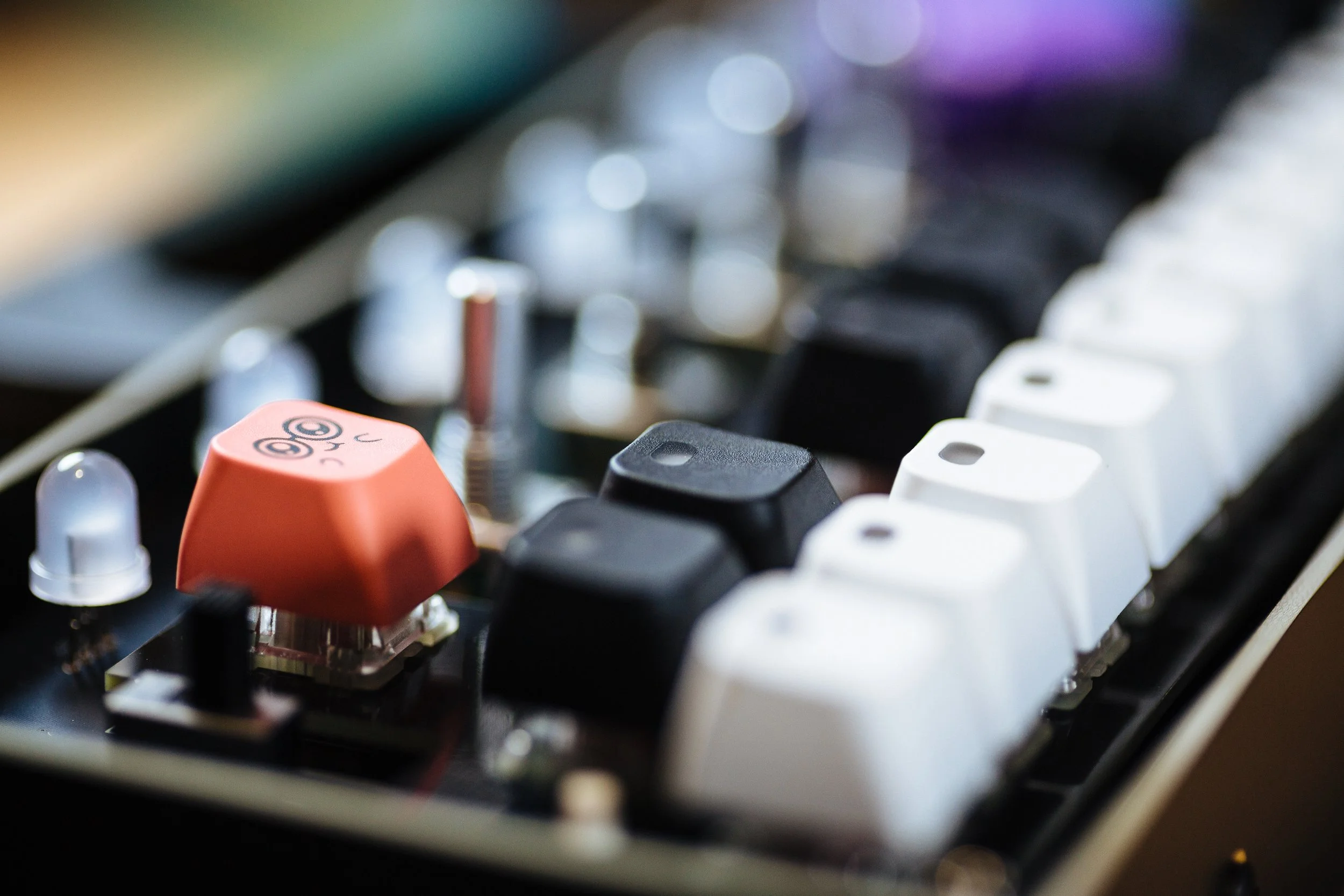
This photo of the CHOMPI unit illustrates the hardware instrument, a quirky chromatic sampler and tape-music synthesizer built by CHOMPI Club
CHOMPI is described by the club as a "quirky chromatic sampler and tape-music instrument" built by CHOMPI Club, and on the sound side it ships as a wavetable synthesizer. Under the hood the instrument runs on the Daisy platform: the released bootloader was created to improve stability of the Daisy Seed's integration with CHOMPI's hardware and to repair edge cases inherited from earlier bootloaders. The club identifies the release as aimed at developers with familiarity with Daisy and open-source projects who can work in C++.
The open-source package contains the firmware that ships on every unit — TAPE 2.0, the sampler firmware — together with TEMPO 1.0, a pattern-generator counterpart, and WAVE 1.0, an eight-voice wavetable synthesizer that is also intended as a starting point for developers writing their own firmware. The release also includes a bootloader (version 6.4-beta) that never shipped on consumer units, which ran 6.2, and the contents of the factory microSD card for all three firmwares. On the hardware side the repository holds the schematic, bill of materials, EAGLE PCB files, and full fabrication package, plus the six-panel enclosure files and laser-cutting files for making panels at home.

The Pattern Generator screenshot shows the pattern-sequencing workflow of TEMPO 1.0, one of the three firmware versions archived alongside the TAPE sampler firmware and WAVE wavetable synthesizer

The CHROMA screenshot illustrates the chromatic sequencing and editing workflow of WAVE 1.0, the eight-voice wavetable synthesizer the release frames as an open-source starting point for developers writing firmware in C++
CHOMPI Club calls the package a "discontinuation open-source release," a permanent archive of the files and documentation for the current CHOMPI. Its FAQ states plainly that the design is discontinued: the club will not make any more of this CHOMPI design, and there are no new CHOMPI models in the works for the near future. The WAVE firmware, likewise, is a beta release intended as an open-source starting point and will not receive updates.
Certain intellectual property was deliberately left out. The panel artwork, the graphic set, and the CHOMPI logos have been removed for copyright reasons, and builders who manufacture their own hardware are asked to choose a different name to avoid trademark infringement. The club clarifies that producing and even selling a CHOMPI-derived unit is possible only to a degree: such units will not receive support and may not use the CHOMPI trademark, name, or branding. The source code and design files themselves are released under the MIT license, while the CHOMPI name, logo, and artwork remain outside that license.
Support for existing owners continues normally. The club says it still processes repairs and answers questions for past and current CHOMPI owners through its hubs and support page, and it distinguishes that from open-source work, where no customer support is offered. Community discussion for builders — sharing projects, asking questions, and troubleshooting — is directed to the CHOMPI Open Source channel on the Chase Bliss Discord.
Readers who want to evaluate whether the release suits them may start from the WAVE beta, since it is described as sharing some familiarity with TAPE or TEMPO while being an intentionally stripped-back implementation that keeps some of CHOMPI's character. Beginners who simply want to play the instrument are told the release is not for them; the company continues to point them at its CONFIG Tool and formatting their own samples.