Ben Stolovitz works as a software engineer but had long been interested in medicine. A friend introduced him to the idea of becoming an EMT in college, and the thought lingered for years. In 2024, he finally took a month off work—enabled by his employer's unlimited vacation policy—to complete a 28-day consecutive Wilderness EMT course with NOLS in Wyoming, earning his certification. He wrote about the experience, ranking his reasons for delay by 'ridiculousness.' Practical concerns included the significant time requirement (the accelerated class took 28 straight days, unlike the typical semester-long night school option), the difficulty of finding volunteer EMT positions in cities like Seattle or San Francisco (though he noted options exist farther out, such as Hoboken across the water from NYC), and the high cost (his course was about $5,000 including airfare and car rental). Cultural and social factors weighed heavily: he worried about the 'fratty' and burned-out culture in some EMS services, particularly the challenges for women, and questioned whether he would fit in with the stereotypical 18-year-old adventure junkies or jocks in EMT training (though he found his Wilderness EMT course attracted enthusiastic pre-meds and several peers his age). He also expressed reluctance about working on an ambulance, confessing he never dreamed of it as a vocation, though he recognized that holding an EMT certificate does not require ambulance work—knowing CPR well is a valuable skill in itself. Misconceptions about the scope of practice caused hesitation; he was unclear on what EMTs actually do beyond driving ambulances, knowing that paramedics handle most serious calls, and questioned whether the training would be useful without being on a truck. Professionally, he often considered studying EMS when his software job wasn't going well, seeing it as a sign to refocus at work, but found that balancing both became straightforward after certification. Personal hesitations included wanting to try cheaper preparation first (he did CPR, Stop the Bleed, and a Wilderness First Aid class with NOLS, which he recommends), an initial draw to search and rescue instead of ambulance work, and the expense of certification as a hobby. He also admitted signing up for the course with no real plan to use the certificate afterward, simply excited to learn, and noted that the culture barrier made him fear his certificate would expire without ambulance work to meet continuing education requirements—though he concluded it's acceptable to learn for its own sake. Ultimately, after reflecting on his years of delay, Stolovitz identified the dominant reason as fear: 'It is scary to practice medicine. It is scary to learn new things. It is scary to be responsible for being calm on the worst day of someone’s life; and for me it was, oddly, scarier to join a class full of strangers — strangers who would be much younger & on very different lifepaths.' He came from the world of software engineering and office buildings, of nine-to-fives and salad bowls, and stepping into the unfamiliar EMS world without certainty about wanting to stay was terrifying. He acknowledged his tendency to perseverate and invent reasons not to do scary things, just as one might delay a vacation or scary movie. His conclusion, after actually doing the work, is that others who feel similar hesitation should consider trying anyway: 'If you are delaying doing something scary and new, too, think: are you inventing reasons not to do it? Maybe you should do it anyway. You might enjoy it.'
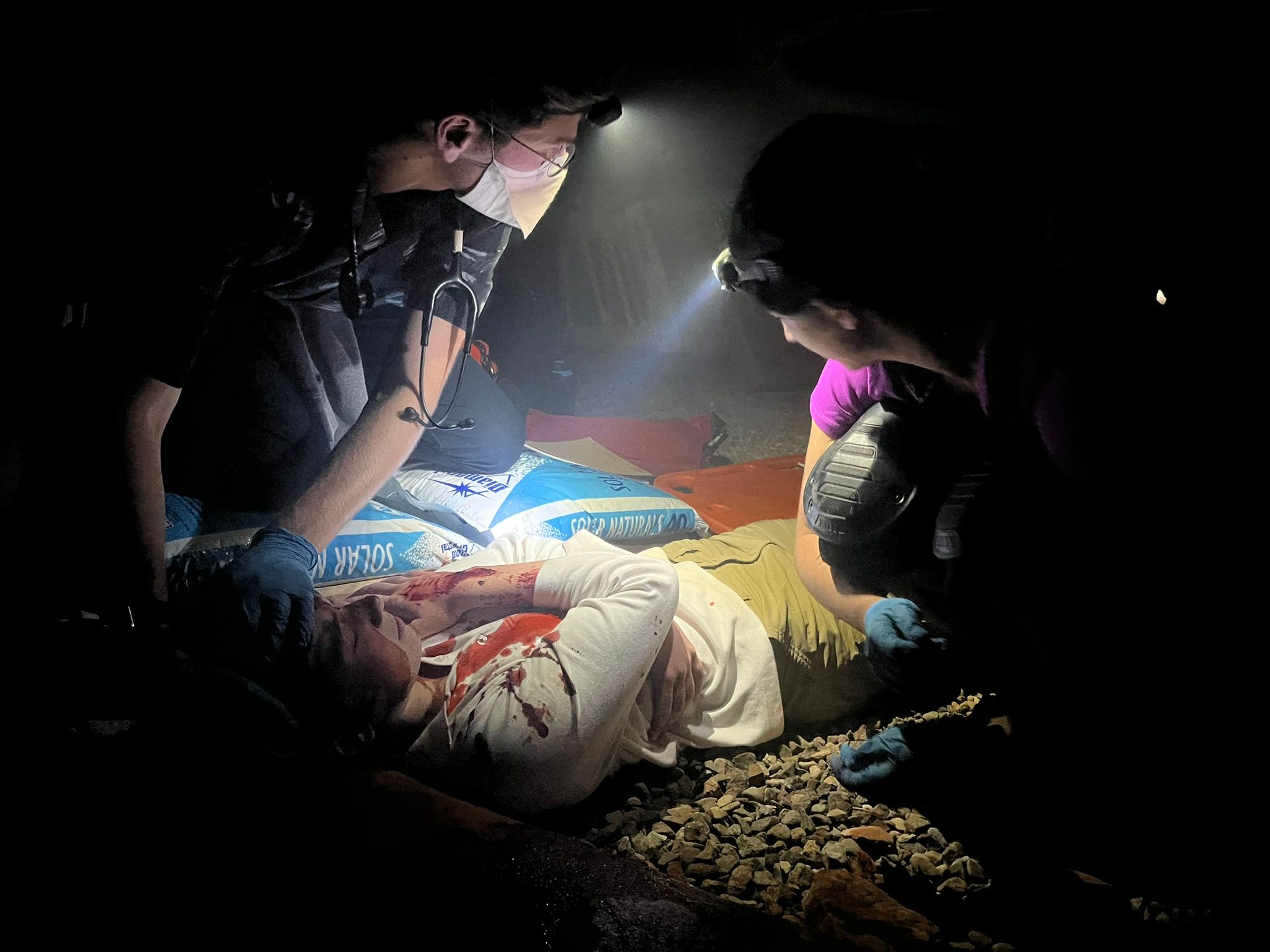
Shows a simulated underground rescue training exercise, relating to Stolovitz's initial draw to search and rescue work before choosing EMT training
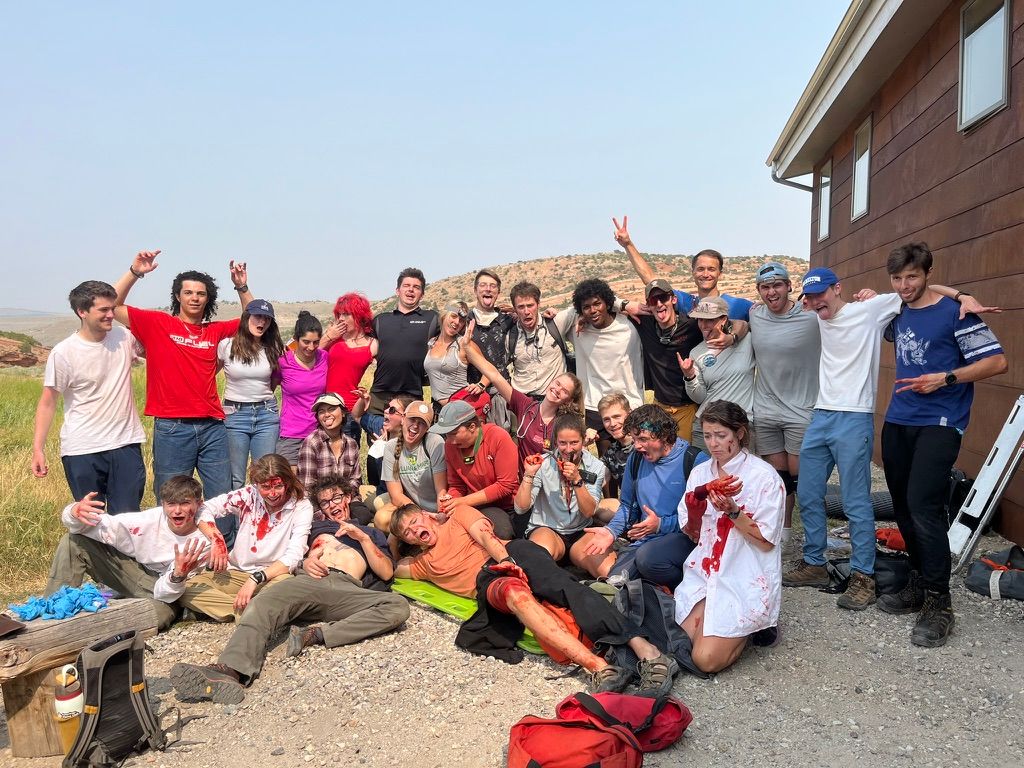
Image shows actual course peers, addressing his concern about fitting in with younger stereotypes and the 'fratty' culture
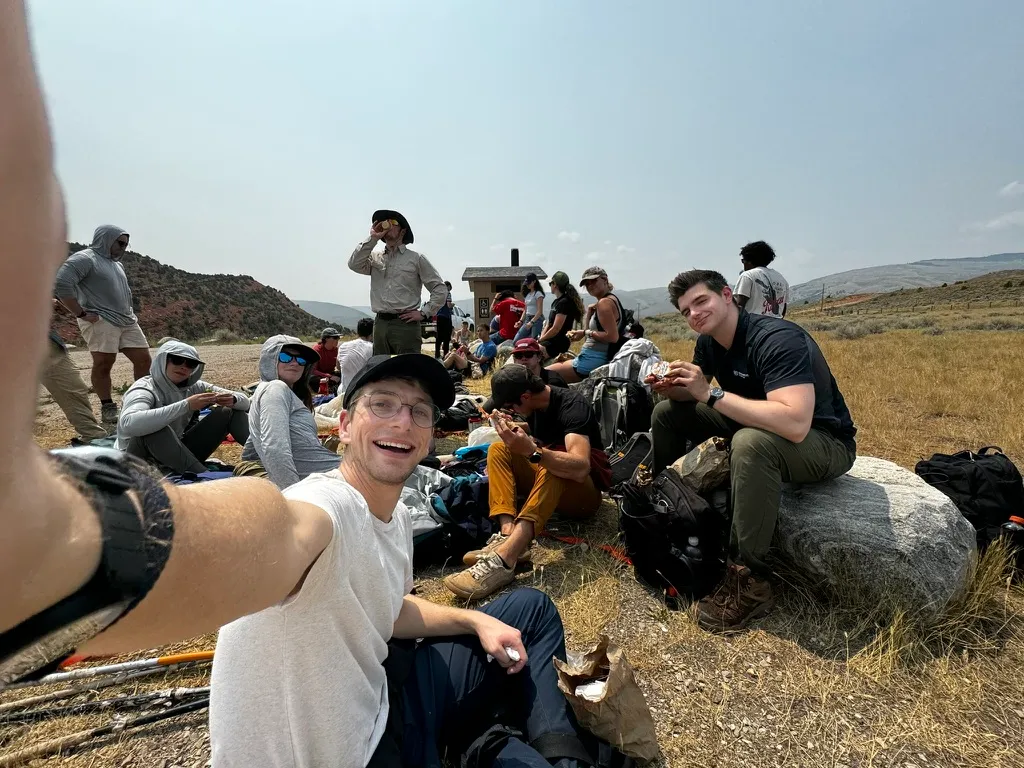
Shows the wilderness setting and camaraderie during his NOLS WEMT course in Wyoming, relating to the time commitment and experience
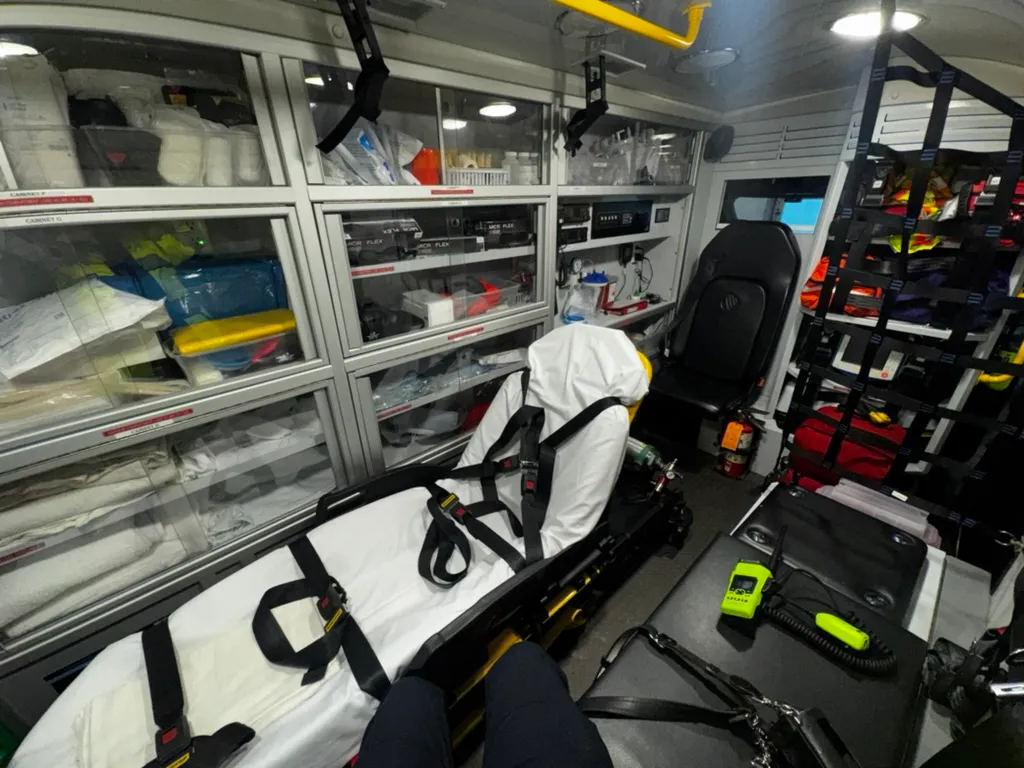
Shows the interior of a BLS ambulance, relating to his ambivalence about ambulance work despite valuing EMT skills like CPR