DATE ARCHIVE
2026-09-26
Articles published on 2026-09-26.

Wube Software Releases Official 3D Printable Models for Factorio
Wube Software has released a collection of 65 official 3D printable models based on the game Factorio, allowing fans to print and assemble miniature versions of in-game entities like transport belts, inserters, and biters.

Whiteboard: An Open-Source Canvas for Agent-Assisted Software Architecture
Whiteboard is an open-source desktop application designed to facilitate collaborative software architecture between humans and AI coding agents. By providing a visual canvas that links directly to underlying code, it aims to help developers manage the complexity of AI-generated changes.
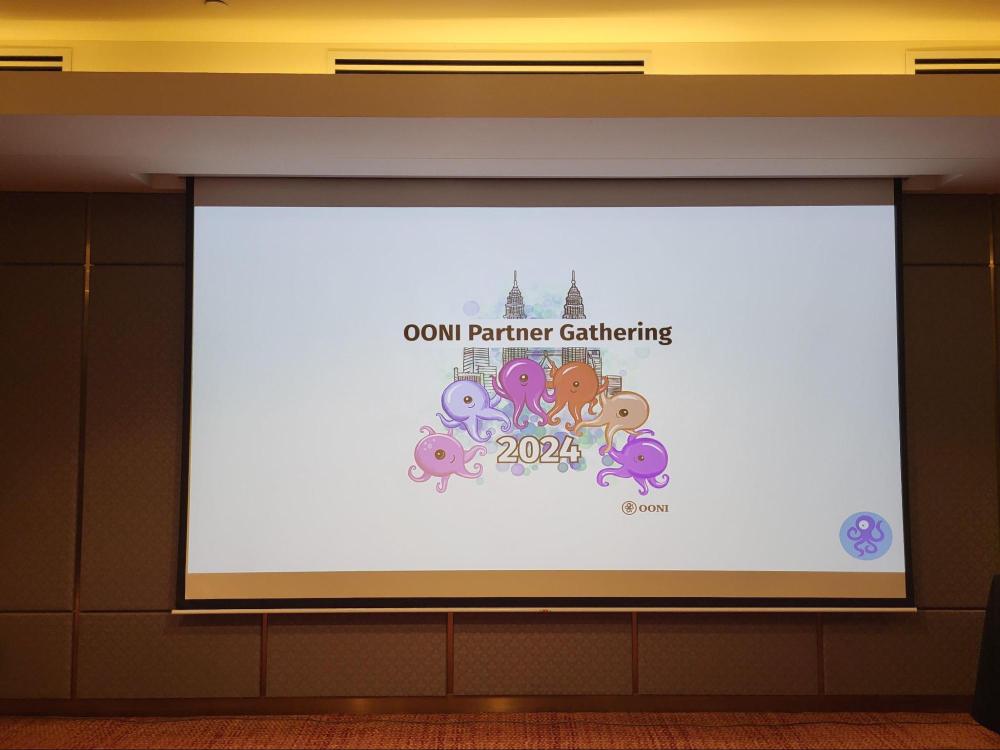
Understanding the Open Observatory of Network Interference and Its Approach to Measuring Internet Censorship
The Open Observatory of Network Interference (OONI) is a global project that develops free software tools to detect and document internet censorship, maintaining an open dataset of network interference worldwide.

Understanding the Hierarchical Nature of Money and Banking Systems
A conceptual exploration of how money, debt, and banking systems evolve from simple barter to complex financial hierarchies, highlighting the role of trust and balance sheets in modern economic stability.

Understanding the Fundamentals of Software Sandboxing in 2025
Software sandboxing, or discretionary privilege dropping, is a critical security practice for restricting process capabilities. Modern approaches emphasize process-level isolation and capability-based communication over legacy kernel-level hacks.

U.S. Postal Inspectors Shut Down Website Selling Counterfeit Postage Labels
Federal authorities seized LabelsBank.com, an unauthorized website selling counterfeit U.S. Postal Service postage labels, charging a Pakistani national with a scheme that resulted in over $126 million in losses and more than 5 million fraudulent labels sold to approximately 5,000 customers.
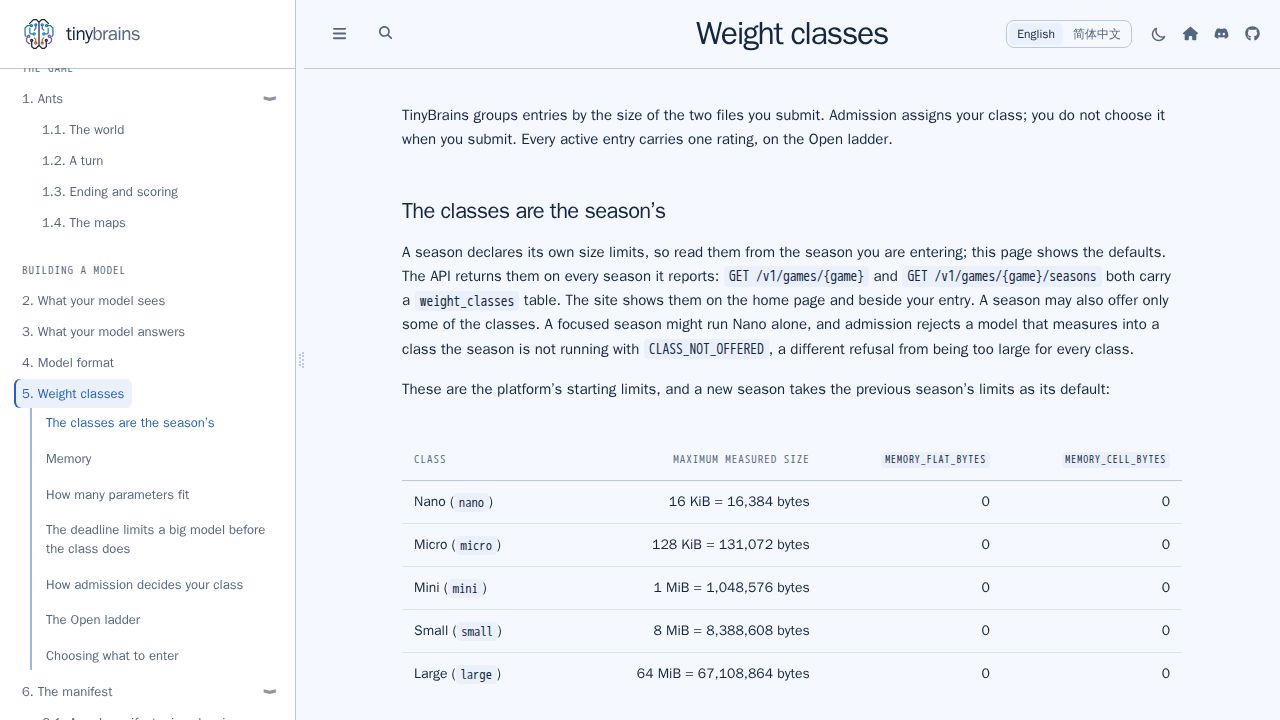
TinyBrains: A Competitive Platform for Small Neural Networks in Strategy Games
TinyBrains is a new competitive platform that challenges developers to build small, efficient neural networks capable of playing strategy games. Entries are categorized into weight classes based on file size, with performance evaluated through head-to-head matches.

Review: McKenney's Textbook on Parallel Programming Is Rigorous but Demanding
A reviewer with a TLA⁺ and distributed-systems background works through Paul E. McKenney's free online textbook "Is Parallel Programming Hard, And, If So, What Can You Do About It?" and finds the first five chapters excellent — but reveals how much they still had to learn about CPU caches, compiler reordering, and memory models.

Meta Platforms and the Evolution of Virtual and Augmented Reality Hardware
Meta Platforms, the parent company of Facebook and Instagram, continues to invest heavily in virtual and augmented reality technologies as part of its strategic shift toward the metaverse. This focus includes the development of hardware such as the Quest series and smart glasses, which aim to integrate digital ecosystems into physical environments.
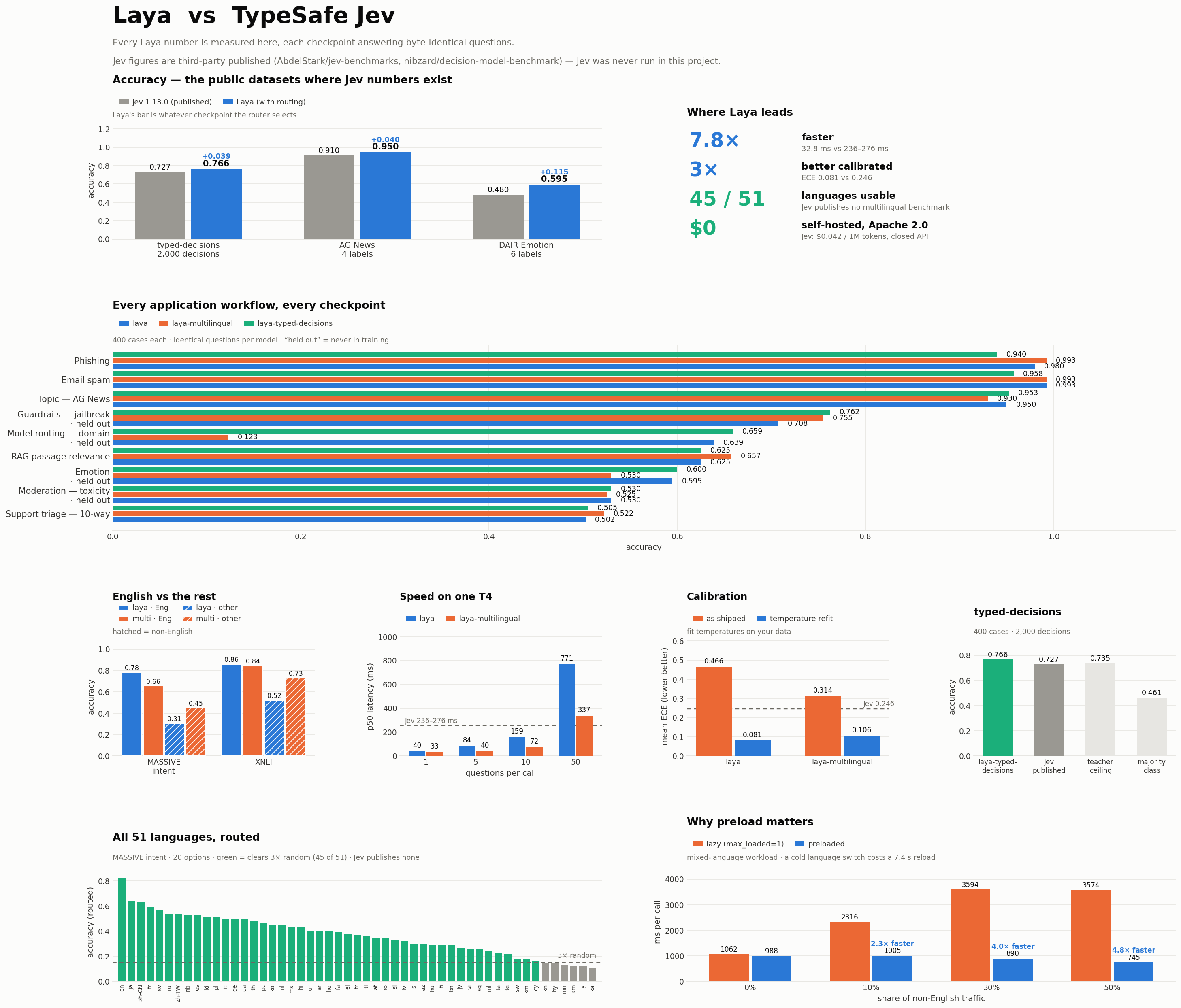
Laya: An Open-Source Non-Autoregressive Decision Engine for AI Workflows
Laya is a new open-source, non-autoregressive decision engine designed to replace generative LLMs for structured tasks like routing, triage, and classification. By utilizing reinforcement learning and bidirectional encoders, it delivers calibrated probability outputs in under 35 milliseconds, offering a transparent, high-speed alternative to proprietary black-box models.

Ink & Switch Celebrates Ten Years with Interactive Homepage
Independent research lab Ink & Switch has marked its tenth anniversary by launching an interactive homepage titled 'Tenfold,' showcasing the lab's ongoing commitment to experimental software design and user-centric computing.
Heretic Automates Censorship Removal for Transformer-Based Language Models
Heretic is an open-source tool designed to automatically remove safety alignment restrictions from language models using a technique called abliteration, which modifies model weights to bypass refusal behaviors without requiring manual intervention or extensive retraining.
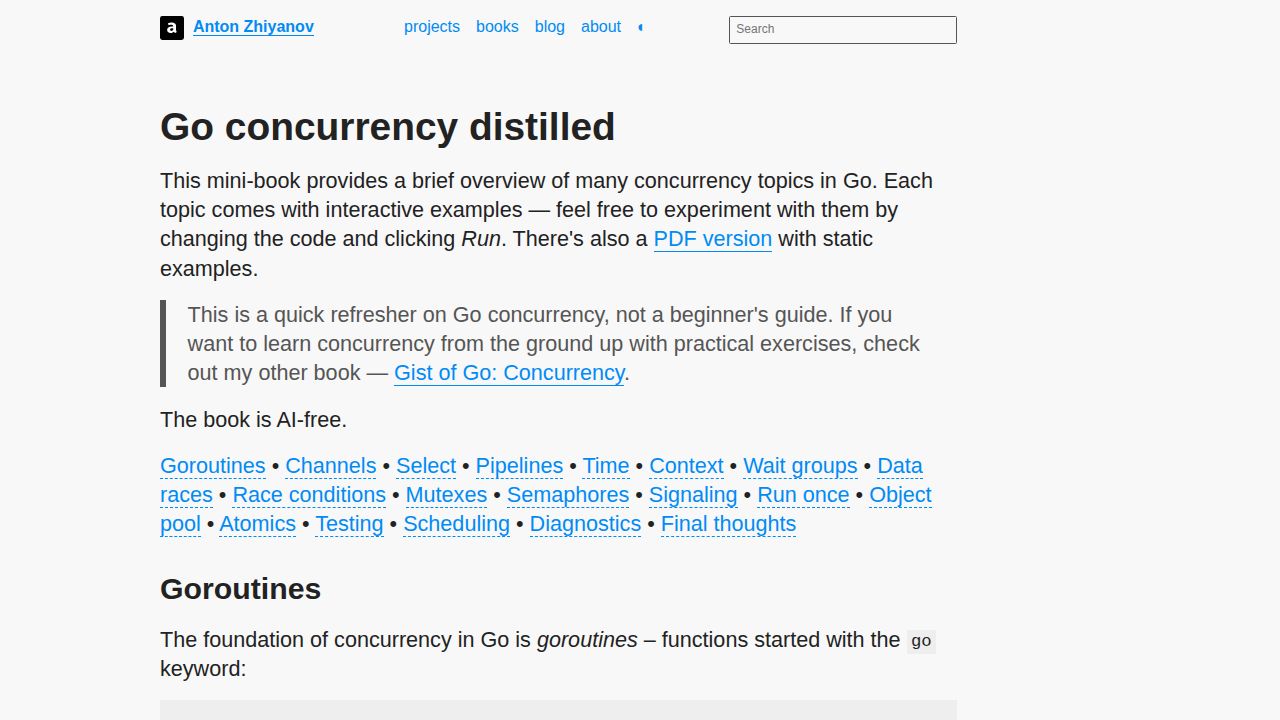
Go Concurrency Distilled
A new mini-book by Anton Zhiyanov offers a quick refresher on Go's concurrency primitives — goroutines, channels, select, pipelines, and more — with interactive examples readers can edit and run directly in the browser. It is explicitly not a beginner's guide and points learners to a separate workbook for that purpose.
Git-bug: A Distributed, Offline-First Bug Tracking System Integrated into Git
Git-bug is an open-source tool that embeds bug tracking directly into Git repositories, enabling offline collaboration and preventing vendor lock-in by storing issue data alongside source code.
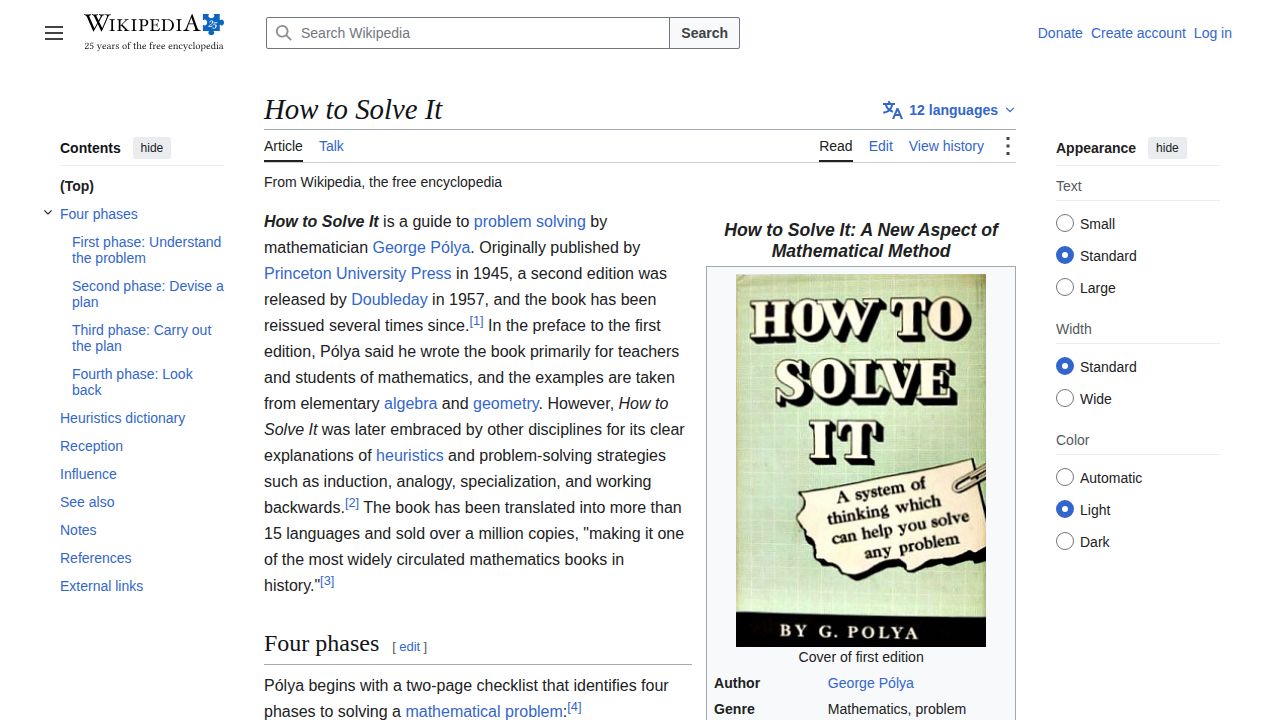
George Pólya's Heuristic Framework for Systematic Problem Solving
First published in 1945, George Pólya's 'How to Solve It' provides a structured, four-phase methodology for tackling complex problems, emphasizing deep understanding and iterative planning over immediate action.

Faculty Concerns Rise Over New AI-Enabled Surveillance Infrastructure at MIT
A group of MIT faculty members has raised alarms regarding the installation of hundreds of new AI-capable surveillance cameras across campus, citing concerns over privacy, potential data sharing with law enforcement, and the lack of community consultation.

F-Droid 2.0 Launches with Major Redesign and Modernized Architecture
F-Droid, the long-standing repository for free and open-source Android applications, has released version 2.0. This update introduces a complete interface redesign, improved search and discovery features, and a shift to modern development tools like Kotlin Compose.

Exploring the Nokia Design Archive Hosted by Aalto University
Aalto University has launched the Nokia Design Archive, a comprehensive digital repository documenting the design evolution of Nokia Mobile Phones and Microsoft Mobile between 1990 and 2020.

Exploiting a Kernel Heap Overflow in Avast Antivirus via CVE-2025-13032
Security researchers have detailed the exploitation of a double-fetch vulnerability in the Avast Antivirus kernel driver, demonstrating how it can be leveraged to achieve local privilege escalation on Windows 11.
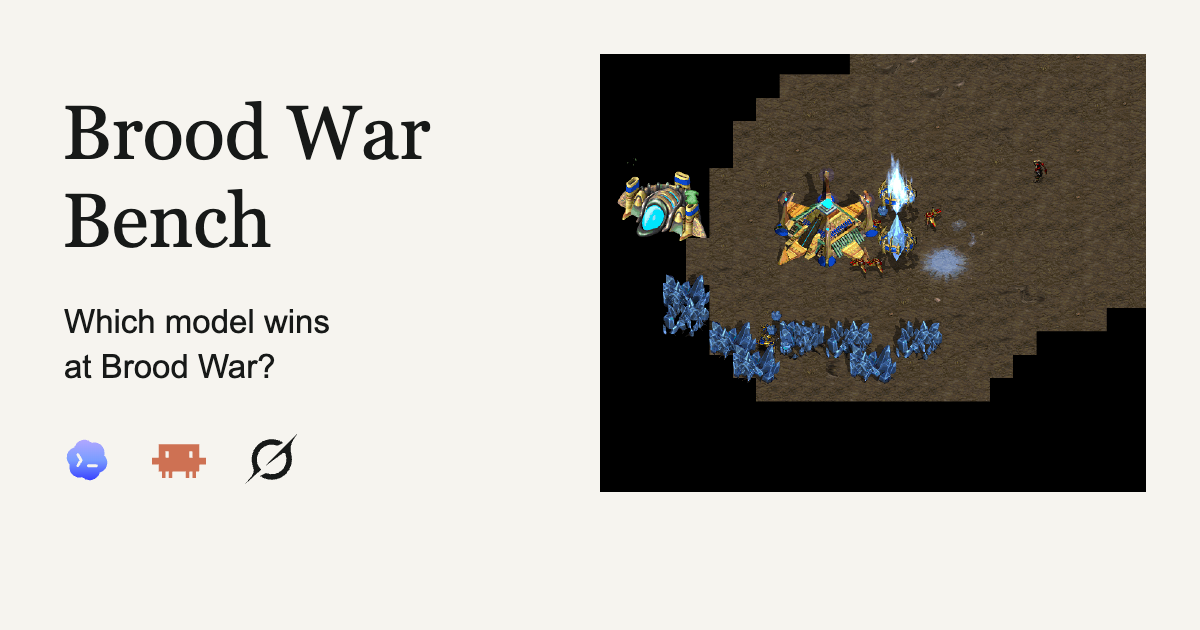
Evaluating Modern AI Agent Performance in StarCraft: Brood War
A new benchmark, Brood War Bench, tests the capabilities of current large language models as autonomous agents in the classic real-time strategy game StarCraft: Brood War, revealing significant limitations in long-term planning and execution.
Digital Audio on the ZX Spectrum's 1-Bit Beeper: Engineering High-Quality Sound from a Single Speaker
Bumbershoot Software's technical deep dive reveals how to transform the ZX Spectrum's humble 1-bit beeper into a surprisingly capable digital audio system, overcoming severe hardware constraints through precise timing and innovative assembly language techniques.

Claude Max buys more usage, not evidence of a smarter model
Anthropic’s Max plans cost $100 or $200 per month and provide five or twenty times Pro’s per-session usage. They still have limits, and subscription capacity does not establish model superiority.
Bastardica: A Browser-Based Tool for Creating Hybridized 'Cursed' Fonts
Bastardica is a web-based utility that allows users to generate custom OpenType fonts by blending two different typefaces. By leveraging contextual ligatures, the tool automatically swaps characters from a base font with those from a mix-in font, enabling the creation of intentionally jarring or experimental typography.
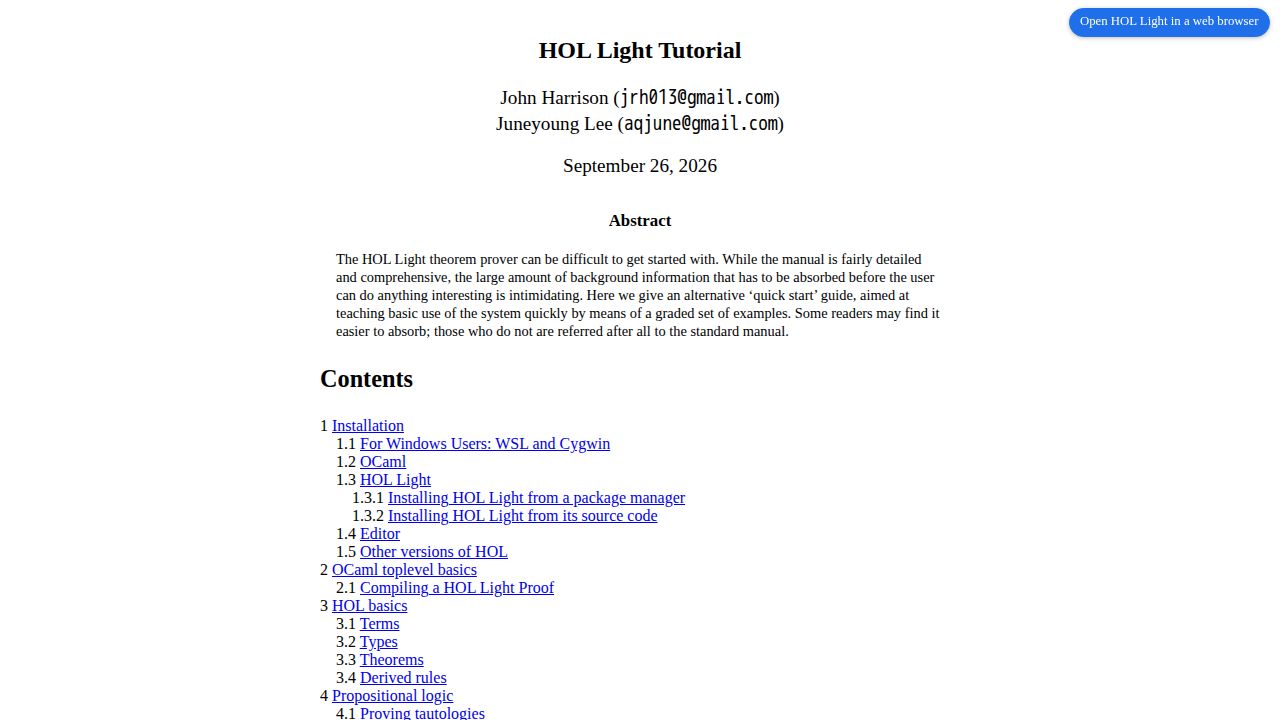
A Quick Start Guide to the HOL Light Theorem Prover
The HOL Light theorem prover is a powerful tool for formal verification, but its steep learning curve can be intimidating for beginners. A new 'quick start' tutorial provides a graded set of examples to help users navigate the system's background requirements and basic operations more efficiently.