DATE ARCHIVE
2026-09-21
Articles published on 2026-09-21.

Why “Spymarks” Reframe the Debate Over Invisible Media Tracking
A new essay argues that hidden, user-uncontrollable media signals should be called “spymarks,” not watermarks. Google describes SynthID as an imperceptible provenance tool, while the cited technical paper reports large-scale deployment and robustness benchmarks.
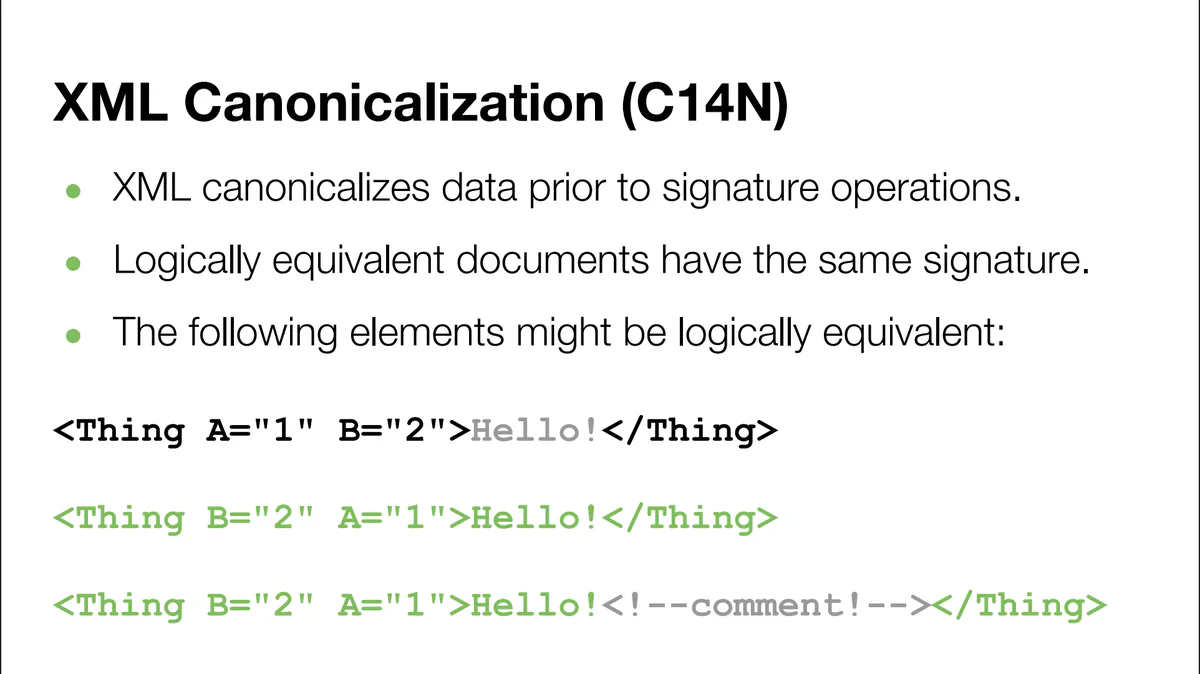
Why SAML’s Complexity Still Matters for Enterprise Sign-In
Trail of Bits argues that SAML’s XML-based design, signature handling, and broad feature set create persistent security and maintenance risks. The practical lesson is not that every SAML deployment is broken, but that organizations should understand the protocol’s failure modes and evaluate alternatives without assuming they are risk-free.
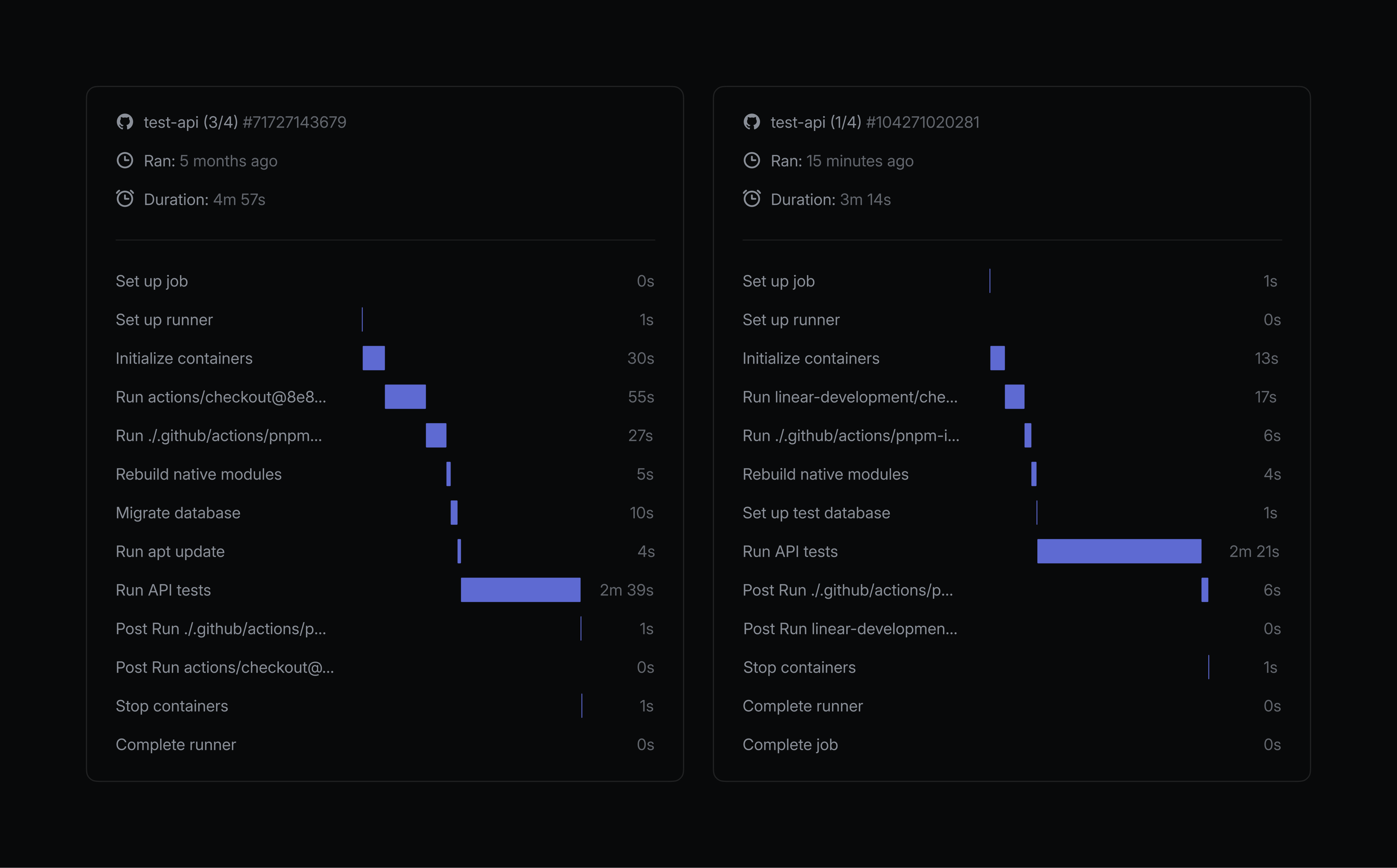
Why Faster AI Coding Still Needs Faster CI
Linear reports that AI-assisted development pushed more pull requests through CI, so it reduced wait time by redesigning the pipeline around hardware, setup, critical-path work, and safer test parallelism.
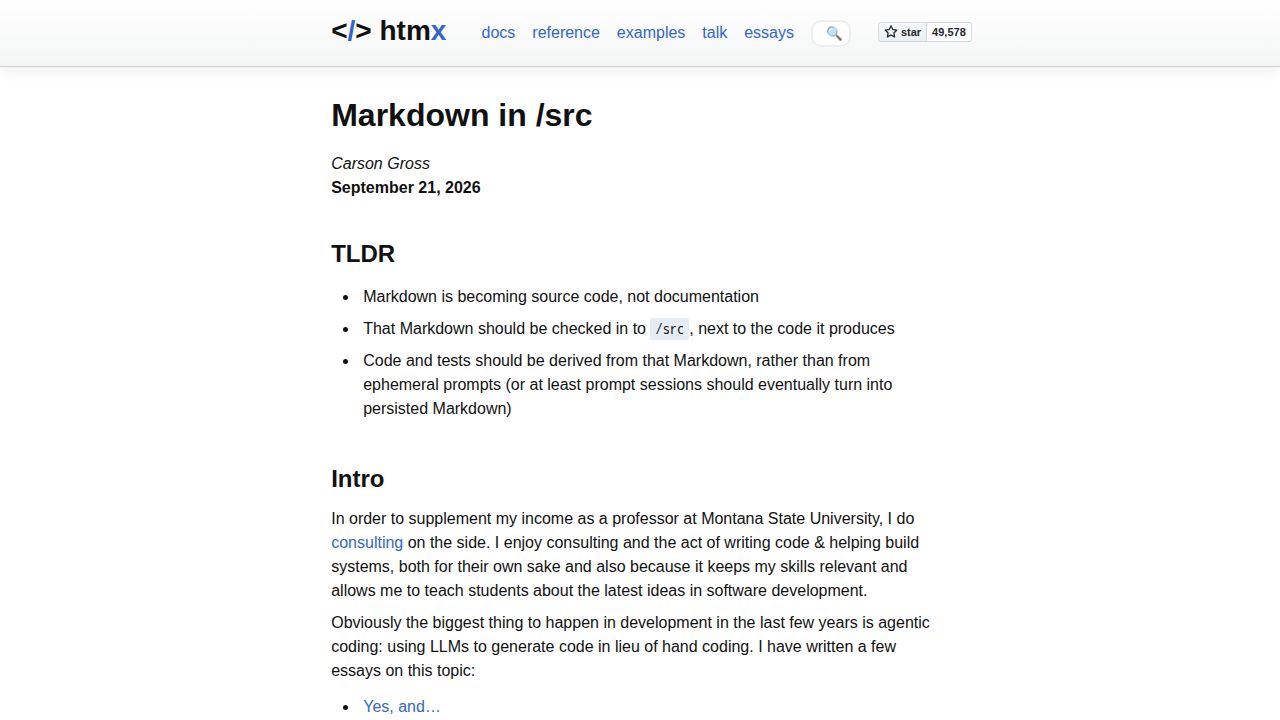
When Markdown Becomes the Source of Truth
Carson Gross argues that agentic coding teams should persist design intent as reviewed Markdown beside generated code, then derive tests from it. The proposal is promising but explicitly provisional, and its main unresolved problem is keeping prose synchronized with the code it describes.

What Meta’s Muse Vulnerability Reveals About High-Privilege AI Agents
A reported macOS flaw could expose a Muse authentication token to an attacker-controlled transcription endpoint. The issue is distinct from the ClickFix social-engineering technique that could activate it, and Meta says a hotfix is now available.
The Advisory Group on Mathematics and Artificial Intelligence Forms to Address AI Research Integration
A new independent body of prominent mathematicians has formed to advise AI companies on the responsible presentation and release of mathematical research, beginning with a specific mandate to coordinate with OpenAI.
Strands Harness Puts Agent Defaults in One Package
Strands Harness packages a model, tool loop, context management, memory, sessions, and delegation into a general-purpose agent that can run locally or on hosted infrastructure. Its creator reports lower benchmark token costs, but the available evidence does not independently validate those performance claims.
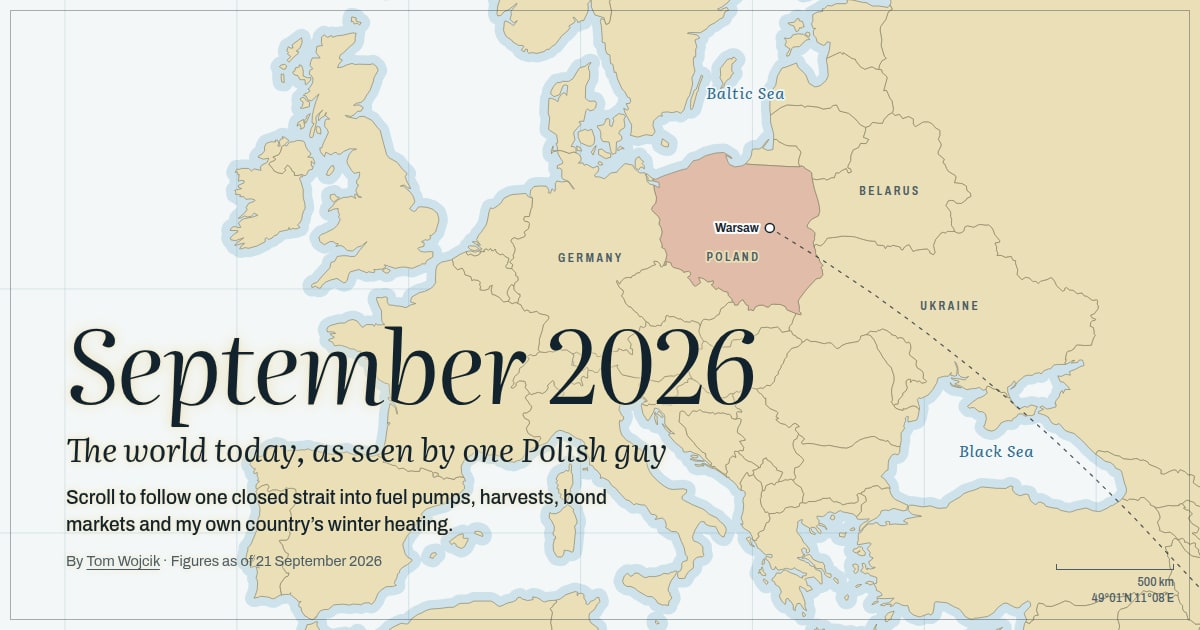
September 2026: A Polish writer's map of a world running out of backup plans
Tom Wojcik's September 2026 essay argues that modern societies spent thirty years replacing resilient stockpiles and redundancies with cheaper, just-in-time suppliers — and that in 2026 several of those dependencies failed at once. From a closed Strait of Hormuz to empty French fuel pumps and record Polish grain prices, he traces how a single disruption travels through fuel, food and finance. The result is a structural diagnosis, not an apocalypse story: the world is not ending, but the buffers that used to absorb shocks are gone, and whether they can be rebuilt is the question the essay poses but does not answer.

Reconstructing the Invisible Fiber Technologies of the Stone Age
Archaeologists are using experimental replicas of a 35,000‑year‑old perforated mammoth tusk to demonstrate how Stone Age peoples made rope from plant fibers, revealing a widespread but rarely preserved technology that shaped toolmaking, transport, and daily life.
Open Models Are Closing the Gap, but the Balance of Power Is Still Uneven
Nathan Lambert argues that Chinese open-weight models now lead their American counterparts in downloads, benchmark performance, and visible usage. The evidence supports a meaningful shift in the model ecosystem, but not a universal claim that open models are safer, cheaper, or ready for every enterprise workload.

M5 Ultra Mac Studio Makes Local AI Agents Feel Practical—But the Proof Is Still Personal
A MacStories review found that Apple’s new desktop sharply reduced waits in local AI workflows, yet its author’s tests and comparisons do not yet establish broad developer productivity or value across platforms.

Jev’s Classifier Bet Is Bigger Than an OpenAI Copycat Race
Vercel’s launch data shows strong early demand for TypeSafe’s probabilistic decision model, but it does not prove that Jev’s architecture is novel, its accuracy is reliable, or OpenAI will copy it. The more important question is whether fast, structured classification can become a durable part of AI systems.

HERMES Uses Shortwave—and the Ionosphere—to Move Data Beyond Cell Coverage
HERMES combines open-source software with high-frequency radios to send files and encrypted data between remote sites without satellites or relay towers. Its appeal is infrastructure independence, but speed, propagation, power, licensing, and regulation determine whether it can replace—or merely back up—satellite communication.

Grok 4.7: A Faster-Costed Release, but an Incomplete Performance Picture
SpaceXAI says Grok 4.7 improves long-horizon coding, knowledge work, and safeguards while retaining Grok 4.6’s price and speed. The supplied benchmarks support gains over 4.6, but they do not establish broad superiority over every frontier model.

Frontier AI on Local Hardware: A Lab’s Open-Source Bet
Tim Dettmers presents a local-AI research stack that pairs long-running agent software with compressed model inference, arguing that limited academic hardware can still support frontier-style experiments. The packet establishes the project’s claims and architecture, but not independent validation of its performance or labor-market conclusions.
CrowdSec Discloses May 2026 Source Code Leak via TanStack Supply Chain Attack
CrowdSec confirmed that private repository source code—including its SaaS console, AWS Cloud routines, connectors, and automation scripts—was exposed in May 2026 after a compromised TanStack component extracted a CI/CD API token. The open-source Security Engine was not affected, no client data or credentials were leaked, and all tokens have been rotated. The incident highlights supply chain risk in CI/CD pipelines and the limits of token rotation as a standalone mitigation.

Cloudflare Moves Python Workers Into General Availability
Cloudflare says Python Workers are now fully supported, with native platform bindings, framework adapters, database connectivity, and a broader WebAssembly package strategy. The release matters to teams wanting serverless Python at the edge, but the announcement does not provide independent performance, memory, or package-compatibility results.

California’s Solar Canals Show Promise, but the Final Evidence Is Still Out
Project Nexus combines shade and power over irrigation canals, yet California is waiting for final measurements before judging whether the model can scale.