California’s Project Nexus is testing a deceptively simple idea: place solar panels over working irrigation canals so the same structure produces electricity while shade reduces water loss. The pilot in Turlock uses three designs across canals of different widths, and KQED reports that the installation was completed and energized last year.
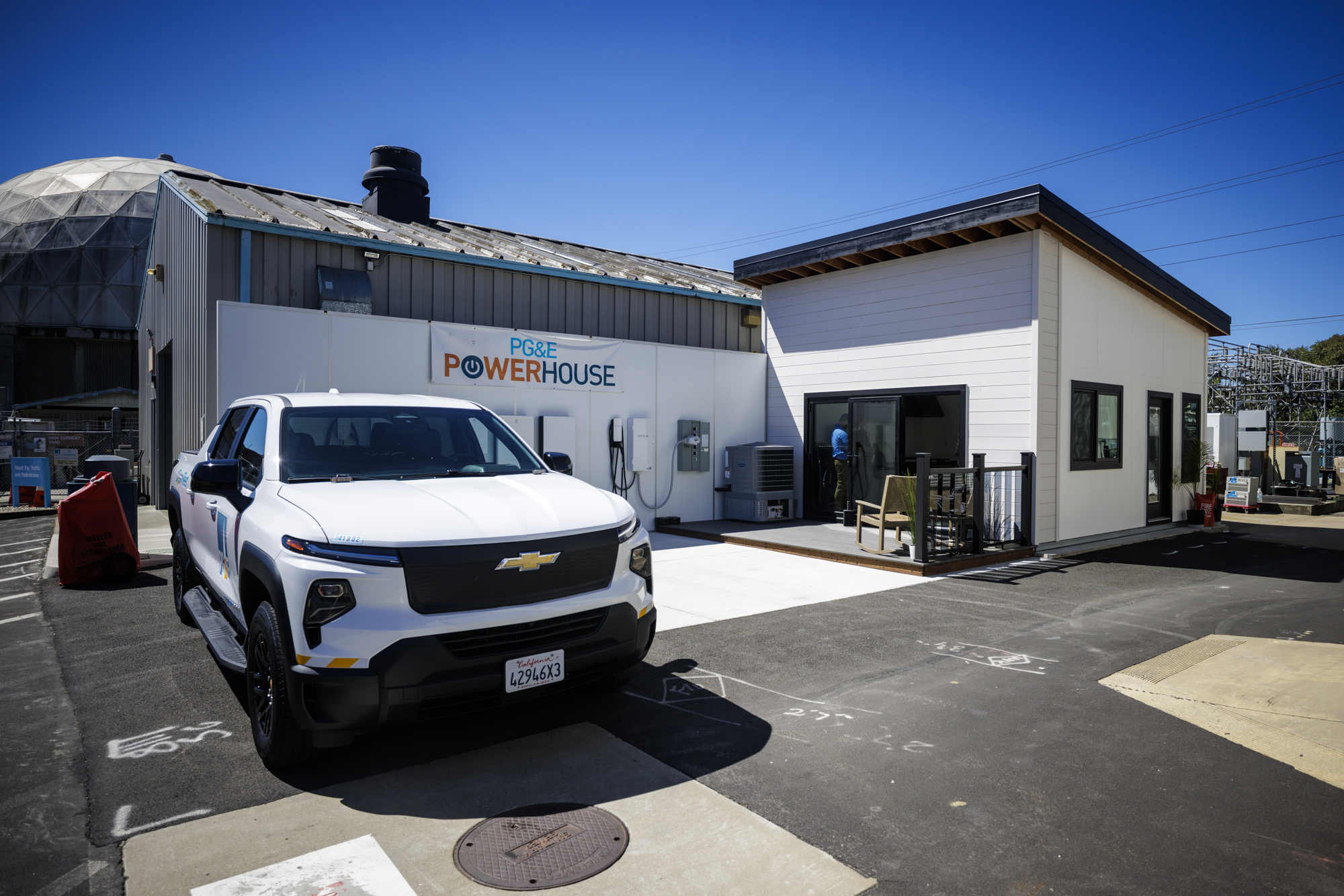
The structure illustrates the pilot’s core design: generating electricity while shading the canal below. Source: KQED.
The potential benefits extend beyond electricity. UC Merced professor Roger Bales told KQED that shade appeared to reduce algae and fixed aquatic weeds, lowering maintenance needs and improving water quality. His initial calculations suggest that covering 100 miles of Turlock’s narrow canals could save enough water for 2,700 households each year, while wider canals might save considerably more.
Those figures are projections, not final pilot results. The canal site includes instruments for temperature, humidity, wind, radiation and direct evaporation, but California’s Department of Water Resources says it is waiting for a final report before deciding whether to fund more projects. That distinction matters: the pilot demonstrates a workable concept, while the size of its water, power and maintenance benefits still needs systematic confirmation.
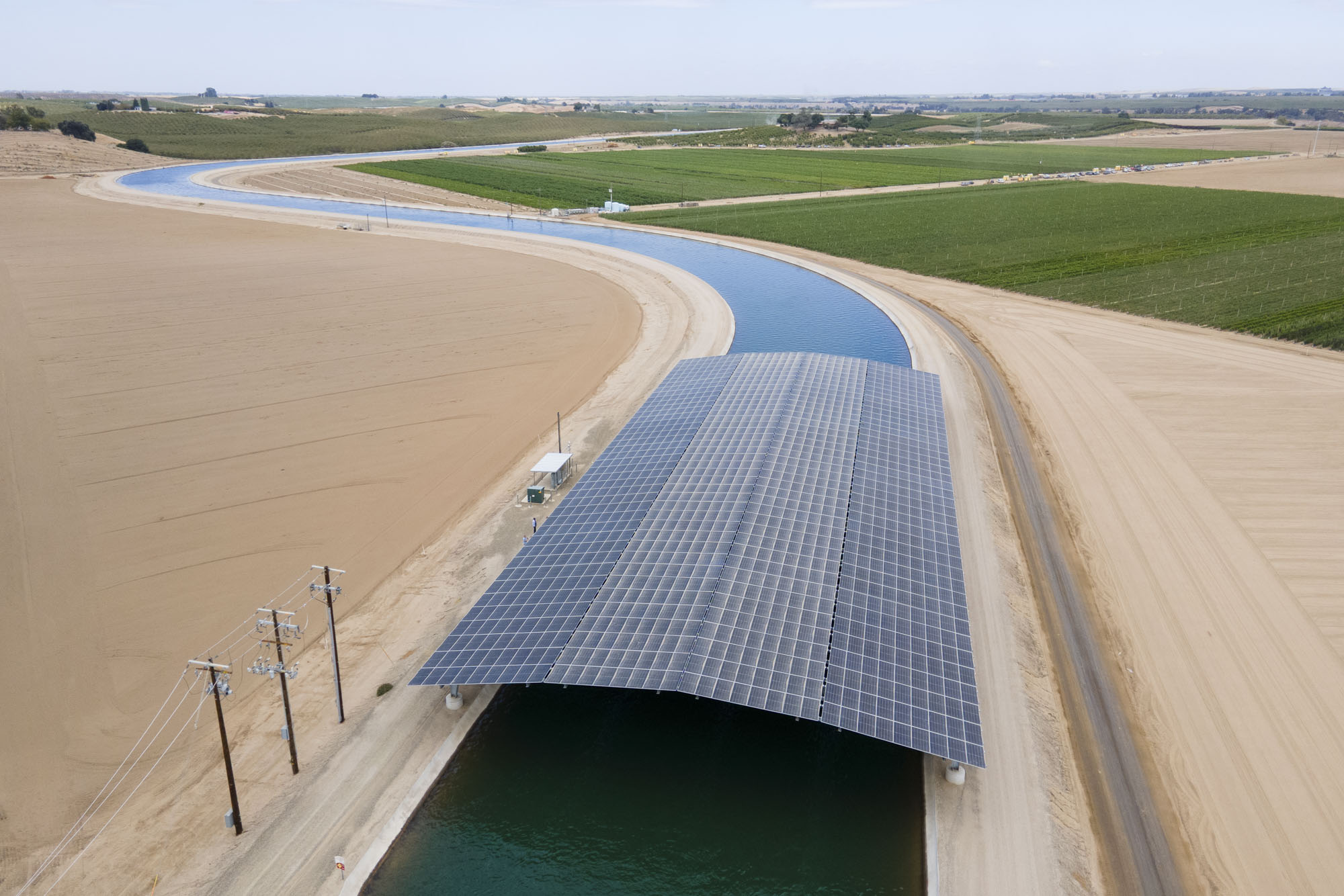
This image fits the discussion of ongoing measurements before California judges the project’s water, energy, and maintenance benefits. Source: KQED.
Scaling also depends on local engineering rather than one universal design. Turlock’s tall, wide-span structure leaves room for canal-cleaning equipment, while officials in urban Contra Costa County say their narrower, less accessible system is better suited to piping. Ownership, maintenance access, power transmission and land constraints can all determine whether a solar canal makes sense.
For now, the project is best understood as a carefully instrumented proof of concept, not a settled blueprint for statewide expansion. The final report should show whether the combined water and energy gains justify the cost across California’s varied canal systems.