DATE ARCHIVE
2026-10-10
Articles published on 2026-10-10.
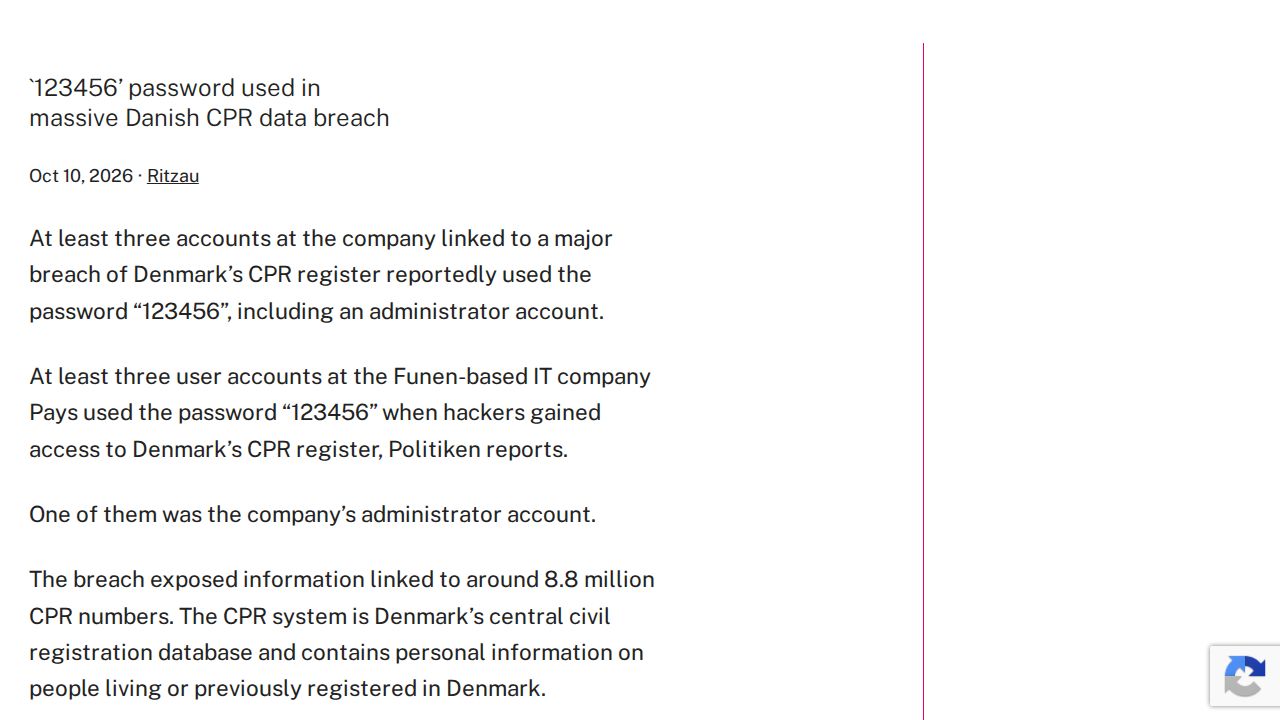
Weak Password '123456' Led to Massive Danish CPR Data Breach Affecting 8.8 Million People
An investigation revealed that weak password security at a small IT company allowed hackers to access Denmark's central civil registration system for over three weeks, exposing personal data linked to nearly 9 million citizens.
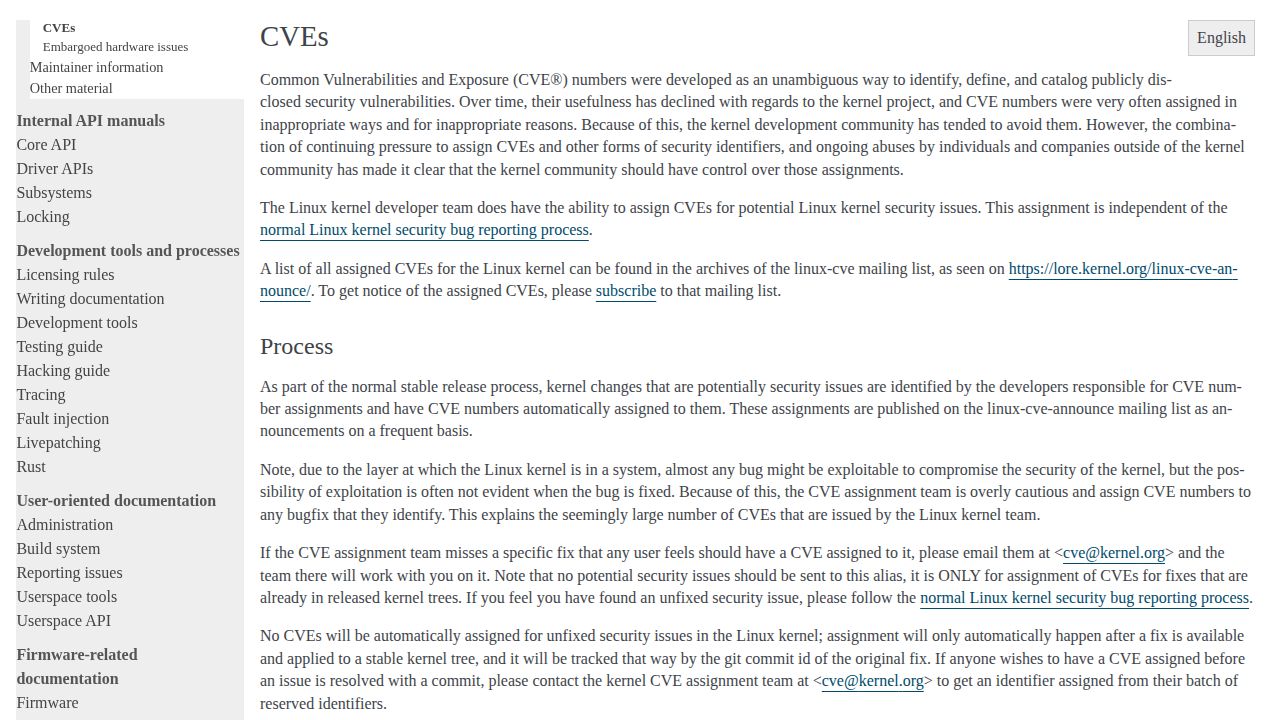
Understanding the Linux Kernel's CVE Assignment Process and Why Vulnerability Numbers Appear High
The Linux kernel team assigns CVE numbers to security fixes through an overly cautious process that results in many vulnerability identifiers, though not all apply to every Linux system due to the kernel's diverse usage patterns.

The Mutus Liber: A 17th-Century Alchemical Guide to Spiritual and Material Transformation
The Mutus Liber, a 1677 alchemical text known as the 'Mute Book' for its sparse text, uses intricate engravings to outline both a laboratory process for creating the Philosopher's Stone and a spiritual path to self-transformation, reflecting the complex legacy of alchemy in early modern Europe.

The Historic Woking Electrical Control Room: A 1930s Art Deco Landmark Now Used for Filming
The Woking electrical control room, built in 1936 by Swedish firm Asean for Southern Railways, served as a key railway control centre after line electrification before being decommissioned in the late 1990s. Its preserved Art Deco interior—featuring copper and iron uplighters, functional track diagrams, and the original control desk—has earned it Grade II listed status. Although no longer operational, the room is occasionally rented for film and television productions under specific conditions.

The Cost of Lies: How Robert Cringely's Mineserver Kickstarter Collapsed Into Years of Broken Promises
A detailed examination of technology columnist Robert X. Cringely's failed Mineserver Kickstarter project, which raised over $35,000 in 2015 but never shipped a single unit, revealing a pattern of escalating excuses and broken promises that ultimately destroyed his credibility.
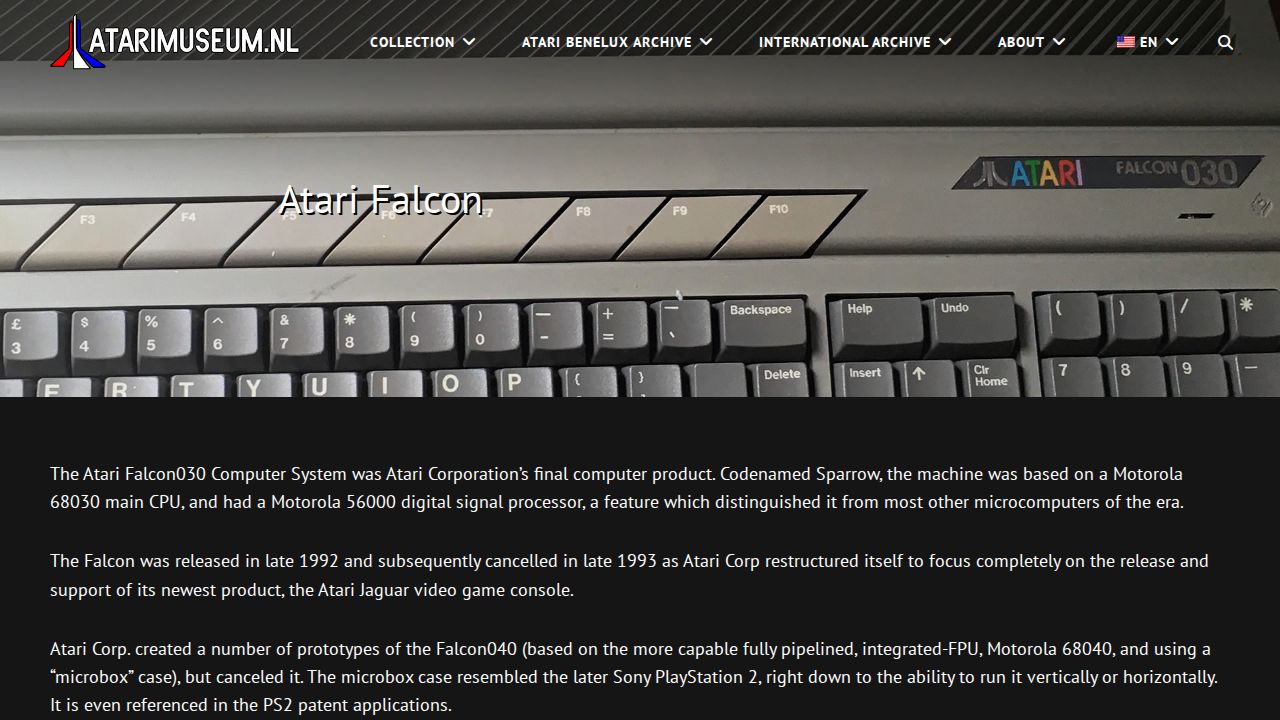
The Atari Falcon030: A Final Computer with DSP Power and Lasting Legacy
The Atari Falcon030, released in late 1992, was Atari Corporation’s last computer product, featuring a Motorola 68030 CPU and a unique Motorola 56000 DSP. Though discontinued in late 1993 to focus on the Jaguar console, it lived on through C-Lab's Falcon Mk I/II versions with audio-friendly Cubase modifications and remains a favorite among hardware modders for its expandability and available accelerators.

The Accidental Rise of the Biscoff Cookie
Originally intended as a temporary substitute for peanuts during a shortage, Biscoff cookies became a permanent fixture in airline cabins and eventually a global retail phenomenon.

Talorys Provides a Self-Hosted Personal AI Agent Within Cloudflare's Free Tier
Talorys is an open-source personal AI assistant that runs entirely inside a user's Cloudflare account, offering chat, memory, task management, and automated reminders through a one-command deployment without external servers or subscriptions.

Study Reveals Connected Cars Share Personal Data with Tech Giants
Researchers from Northeastern University and Consumer Reports found that most modern vehicles and their companion apps transmit location, VINs, and other personal data to advertising and tracking companies, often without users' meaningful consent.

StreetComplete Launches iOS Public Beta After Multiplatform Development Effort
StreetComplete, the Android OpenStreetMap editing app that uses quest‑based contributions, has released a public beta for iOS via TestFlight after over a year of work using Kotlin Multiplatform to share code between platforms.

Read Rare Offers Free Access to Rare Internal Tech Memos and Forgotten Books
Read Rare compiles internal documents, leaked handbooks, and out‑of‑print books from technology leaders, providing free access to items such as Warren Buffett’s 1972 investment letter, the 1968 Intel memo, and Steve Jobs’s 2010 “Holy War with Google” email.
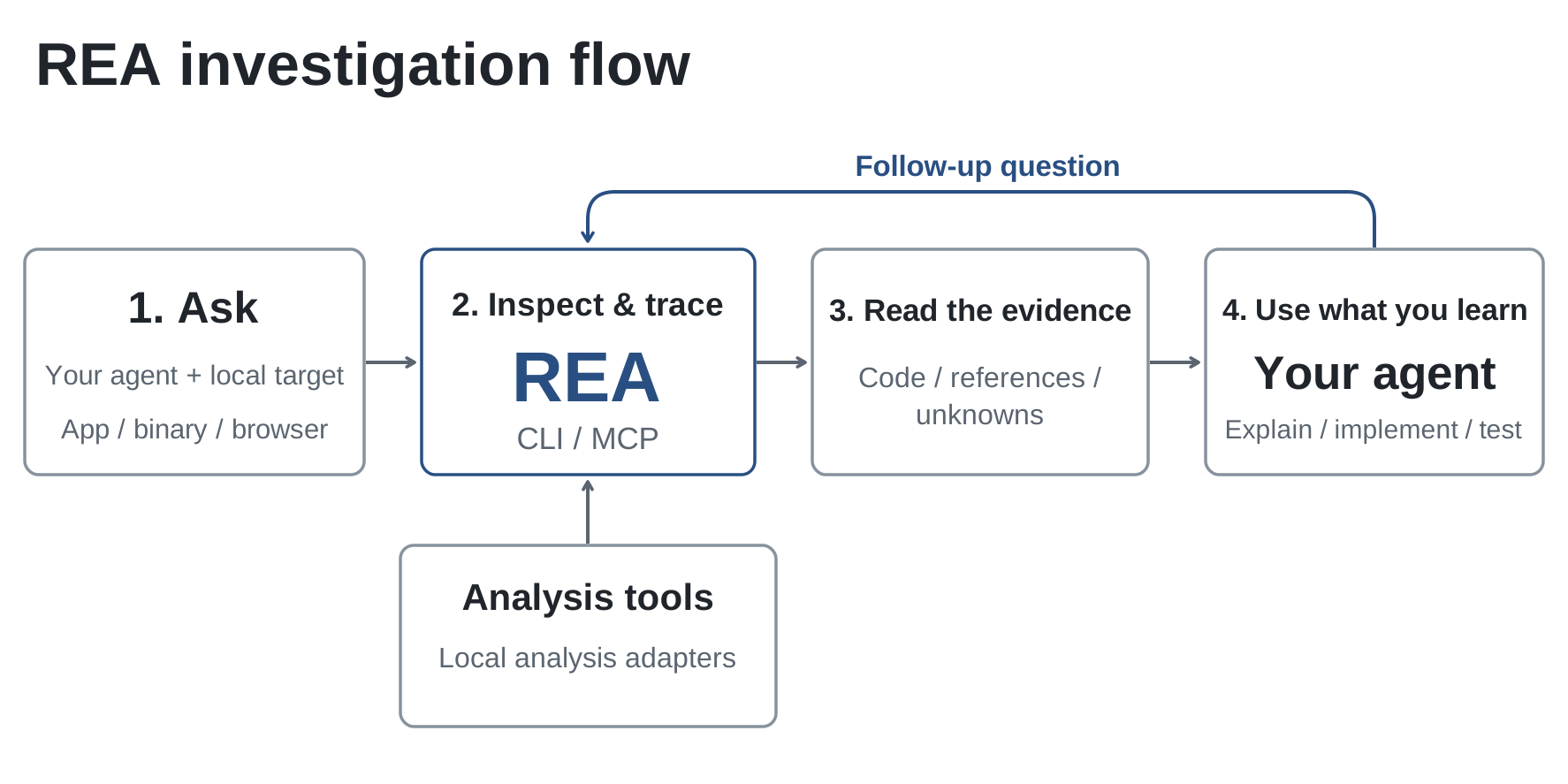
REA Empowers Coding Agents to Reverse Engineer Any Software
REA (Reverse Engineering for Agents) is a middleware tool that equips coding agents with the ability to inspect and explain how software works, from native binaries to web applications, by connecting to analysis engines and returning evidence-based findings that agents can use to understand, modify, or recreate features.

Proton Drive for Linux Offers FUSE-Based On-Demand Access to Cloud Storage
An open-source FUSE virtual filesystem lets Linux users mount Proton Drive as a local directory, accessing files on demand and syncing changes via Proton's event feed while buffering writes.

OpenDLSS: Open-Source Vulkan Implementation of NVIDIA's DLSS 5 Neural Rendering Network
OpenDLSS provides a bit-exact Vulkan reimplementation of NVIDIA's DLSS 5 neural rendering network, with WebGPU and Three.js ports verifying the algorithm's correctness without hardware-specific accelerations.
OpenAI and Synopsys Launch GPT‑Synopsys to Transform Chip Design with Frontier AI
OpenAI and Synopsys announced a partnership to create GPT‑Synopsys, a specialized AI model that combines OpenAI’s frontier capabilities with Synopsys’ EDA tools to accelerate semiconductor design while protecting customer data.
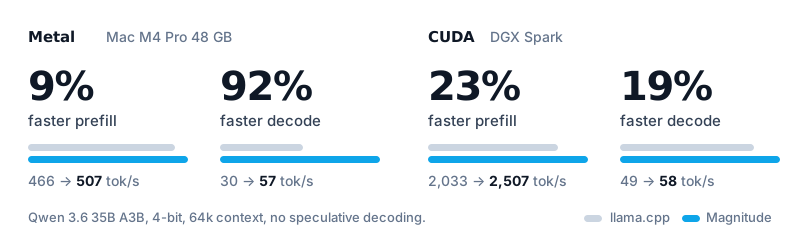
Magnitude: A Self‑Optimizing Inference Engine for AI Agents
Magnitude is an open source desktop application that automatically compiles and tunes inference kernels for the user’s specific hardware, promising up to twice the speed of llama.cpp while supporting Apple Silicon, NVIDIA, AMD GPUs, and CPU‑only systems.

Lobbying Is Corruption: A European Perspective
An article argues that lobbying, while legal in the United States, fits the definition of corruption as the abuse of entrusted power for private gain, citing Wikipedia’s inclusion of lobbying under legal corruption.
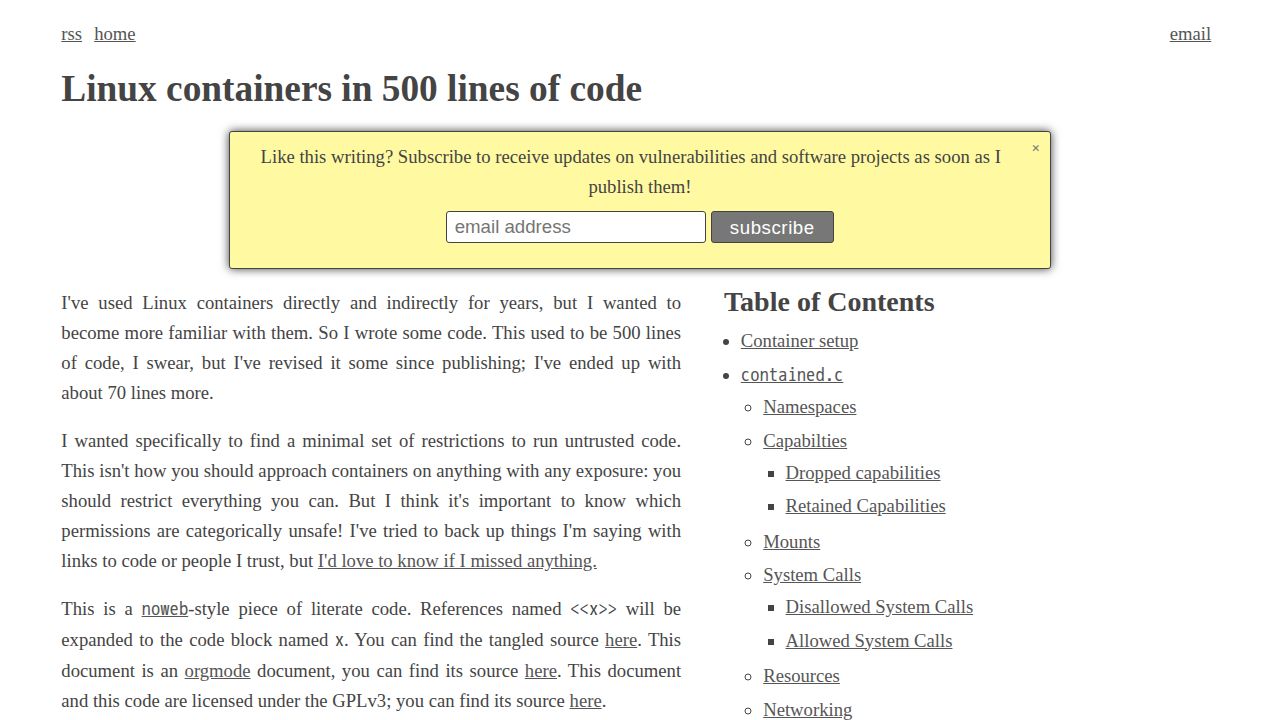
Linux Containers in About 600 Lines of Code
A 2016 article presents a compact C program that shows how Linux containers are assembled from namespaces, capabilities, cgroups, and seccomp, illustrating the minimal primitives needed to isolate a process.
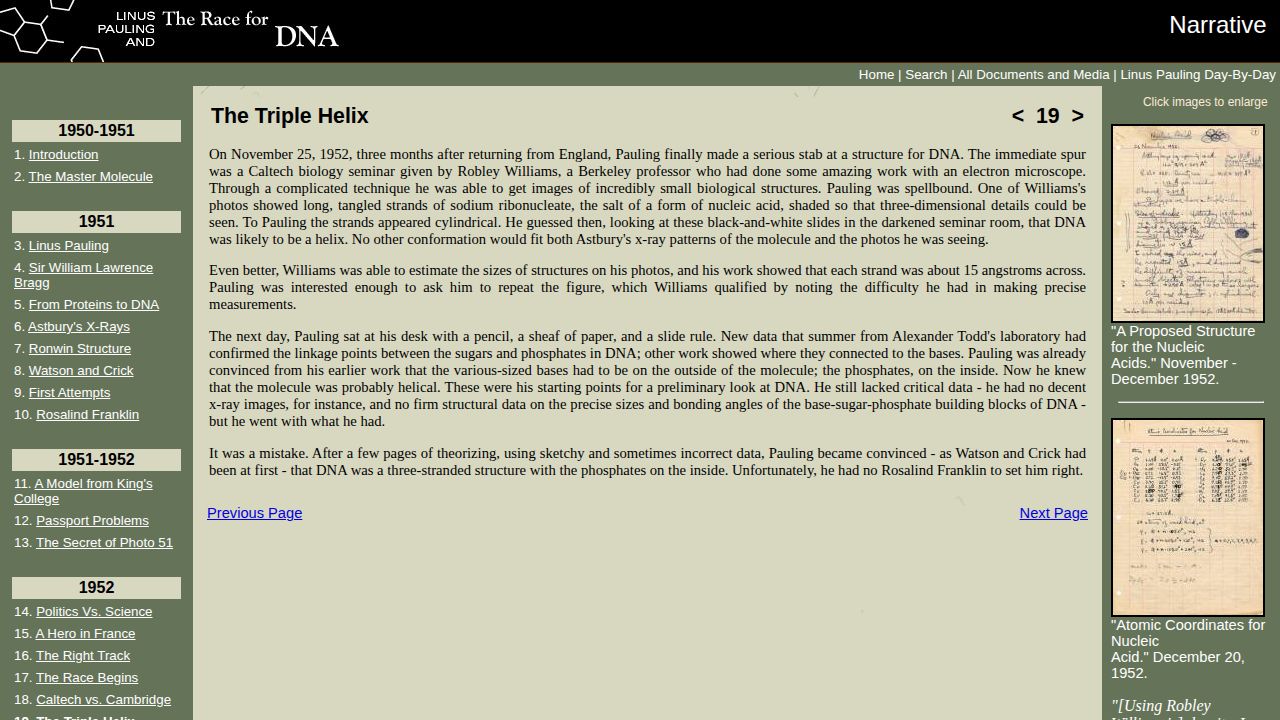
Linus Pauling's DNA model error and what it implies about Rosalind Franklin's understanding
A historical account of Linus Pauling's mistaken triple helix proposal for DNA reveals that he later acknowledged this error, while the text suggests Rosalind Franklin possessed the correct understanding that could have corrected him.

LinkedIn Larpmaxxing: How Trivial Computer Vision Projects Dominate Professional Networking
A critique of LinkedIn reveals how users post trivial computer vision projects like hand-tracking and pothole detection not for their utility, but to appear skilled and productive—a practice termed 'larpmaxxing'. The author demonstrates how easy it is to create such content by building a YOLO-based detector for these very posts in just 90 minutes, highlighting how the platform rewards looking impressive over actual skill development.
Kernel Exploit Written to Fix Hardware Bug in TP-Link Access Point
A user discovered a DMA cache coherency bug in a TP-Link EAP770 access point that corrupted large file downloads. Because the manufacturer refused to provide firmware updates for the 'End-of-Life' hardware, the user developed a kernel exploit to gain root access and manually disable the faulty offload features.
Janus: A Single Go Binary for Local LLM Inference with Vulkan Support
Janus is a lightweight Go program that runs GGUF-format language models using llama.cpp with Vulkan GPU acceleration on AMD, Intel, and NVIDIA hardware (CPU fallback) and provides an OpenAI‑compatible API for direct substitution in AI tooling.

Huawei and Qualcomm Announce Broad Patent License Agreement Excluding LogicFolding Chip Technology
Huawei and Qualcomm have entered a multi‑year patent licensing deal covering 5G, compute, AI, and networking, with Qualcomm purchasing certain Huawei U.S. patents. Despite early reports suggesting otherwise, the agreement does not include Huawei’s LogicFolding chip‑stacking technology.

Frog and Toad and the Increasingly Capable Machines
The submitted story suggests a connection between the Frog and Toad book series and advancing machine capabilities, but the provided sources do not substantiate this link.

Eye of Sauron: Detecting Hidden Spy Cameras via Electromagnetic Leaks from Memory
ESauron detects hidden spy cameras by sensing electromagnetic radiation emitted from their internal memory during video processing, achieving 100% detection across fifty camera models from over twenty meters away.

Exploring Autoregressive Diffusion for Market Data Generation
Jane Street researchers investigated whether diffusion models could generate realistic market data by modeling both continuous and discrete aspects of order book events, finding that flow matching with atom smoothing improved stability but fundamental challenges remain.

Doing a Machine Learning PhD While Working in Japan
An American researcher at Google describes completing a PhD at Tokyo Institute of Technology while maintaining part‑time industry work, outlining the benefits of Japan’s flexible student visa, three‑year doctorate timeline, and expanding AI job market, alongside challenges such as limited global name recognition, heavy non‑technical coursework, and the emphasis on domestic publishing venues.
CSS Bed Offers Lightweight, Classless CSS Themes for Rapid Web Development
CSS Bed is a collection of classless CSS themes designed to serve as starting points for web development, emphasizing lightweight files, ease of use, and responsiveness without the complexity of traditional frameworks.
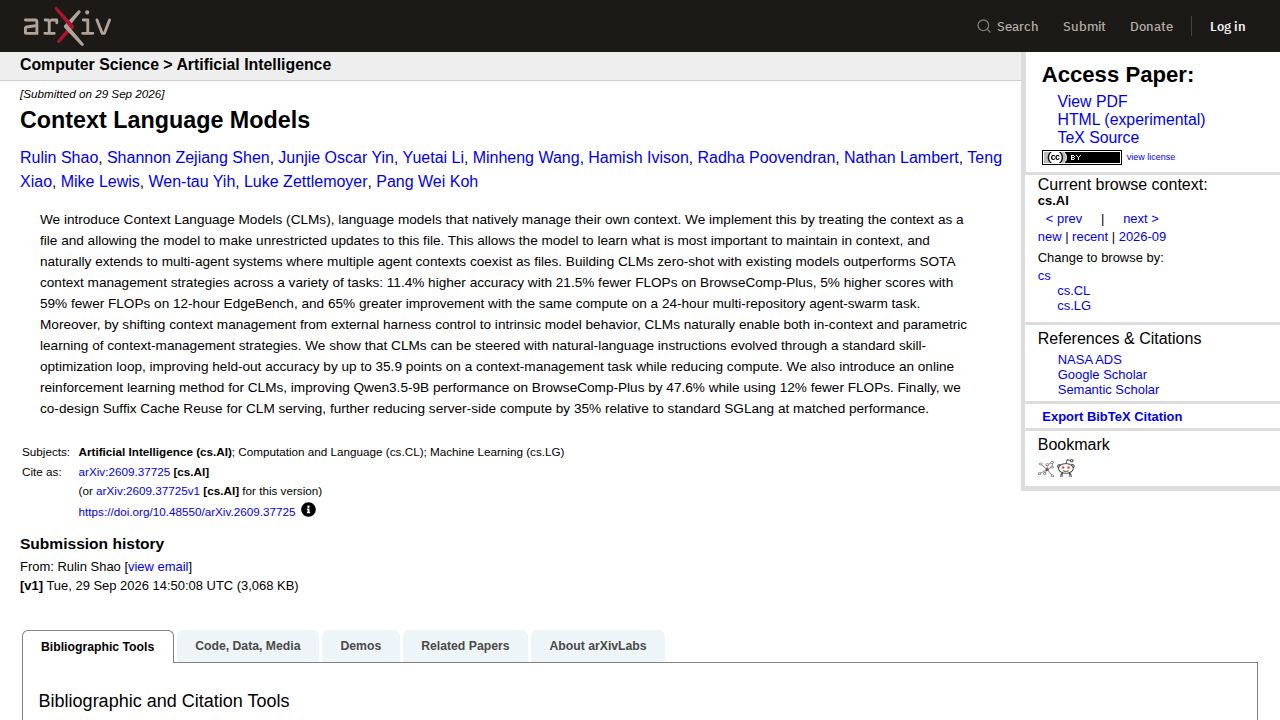
Context Language Models Enable Self-Managing Context for AI Systems
Researchers introduce Context Language Models (CLMs) that treat context as an editable file, allowing AI systems to manage their own context natively. This approach outperforms existing context management methods while reducing computational demands and enabling new learning capabilities.

ChatGPT Generates Fake New Yorker Cartoons With Real Artists' Signatures
OpenAI's chatbot is producing images that mimic The New Yorker's cartoon style and falsely attaching the pen names of actual contributors, raising concerns about identity violations and unauthorized use of artistic signatures.

Carrier-Explode Tool Decodes iPhone, Pixel, and Galaxy Carrier Settings
Carrier-Explode is a web-based tool that decodes and compares carrier configuration data from Apple iPhone, Google Pixel, and Samsung Galaxy devices, allowing users to inspect settings like 5G, VoLTE, and Wi-Fi calling for specific carriers and versions.

Butterflies Use Wing Patterns to Create Motion Illusions That Evade Predators
Research shows that butterflies' wing patterns and flight movements combine to produce visual illusions that disrupt predators' targeting, causing attacks to miss.

Before Pixels: The Legacy of Modular Industrial Dashboards
Marcin Wichary’s museum visits reveal how physical, modular dashboards once powered industrial control systems, offering tactile feedback and interchangeable functions before being supplanted by software.
Audionaut: Open-Source Multitrack Audio Editor with AI Agent Integration
Audionaut is a free, open-source desktop application for audio editing and recording that runs on Windows, macOS, and Linux and lets AI agents like Claude edit sessions via the Model Context Protocol, with changes appearing as undo steps in the GUI.
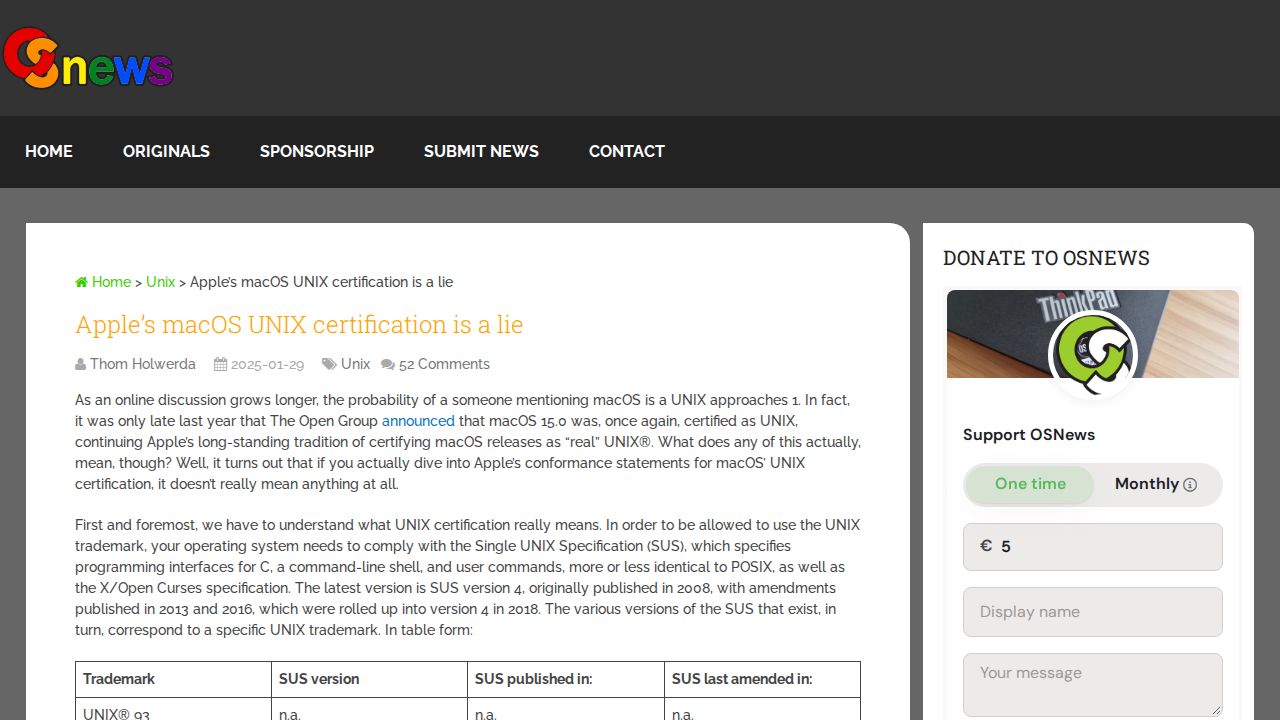
Apple's macOS UNIX Certification Reflects Outdated Spec and Non‑Standard Configuration
Although Apple promotes each new macOS release as UNIX® certified, an OSnews investigation shows the certification relies on an outdated 2004 UNIX specification and requires disabling key security and system features, meaning the certified version differs from what runs on users' Macs.

A Type-Safe Blogging Pipeline Built Around Org-mode and Emacs
The author describes a personal blogging system that keeps all writing and development workflows inside Emacs, using Org-mode as the source format, Pandoc for conversion, Blogatto for HTML generation, Gleam and Lustre for type-safe static site generation, and Nix for reproducible builds. This approach prioritizes consistency and avoids context switching by leveraging Org-mode's literate programming capabilities.