Butterflies have striking wing patterns that make them conspicuous, yet few predators specialize in catching them in flight. A study from the University of Exeter and University of Essex, published in Nature, finds that these patterns work with the insects' flight to create visual illusions that scramble predators' perception of speed and direction. As Dr George Hancock of Exeter explains, the stripes and spots on many butterflies’ wings interfere with visual systems’ attempts to guess movement direction and speed, boosting false motion cues while hiding the butterfly's true heading.
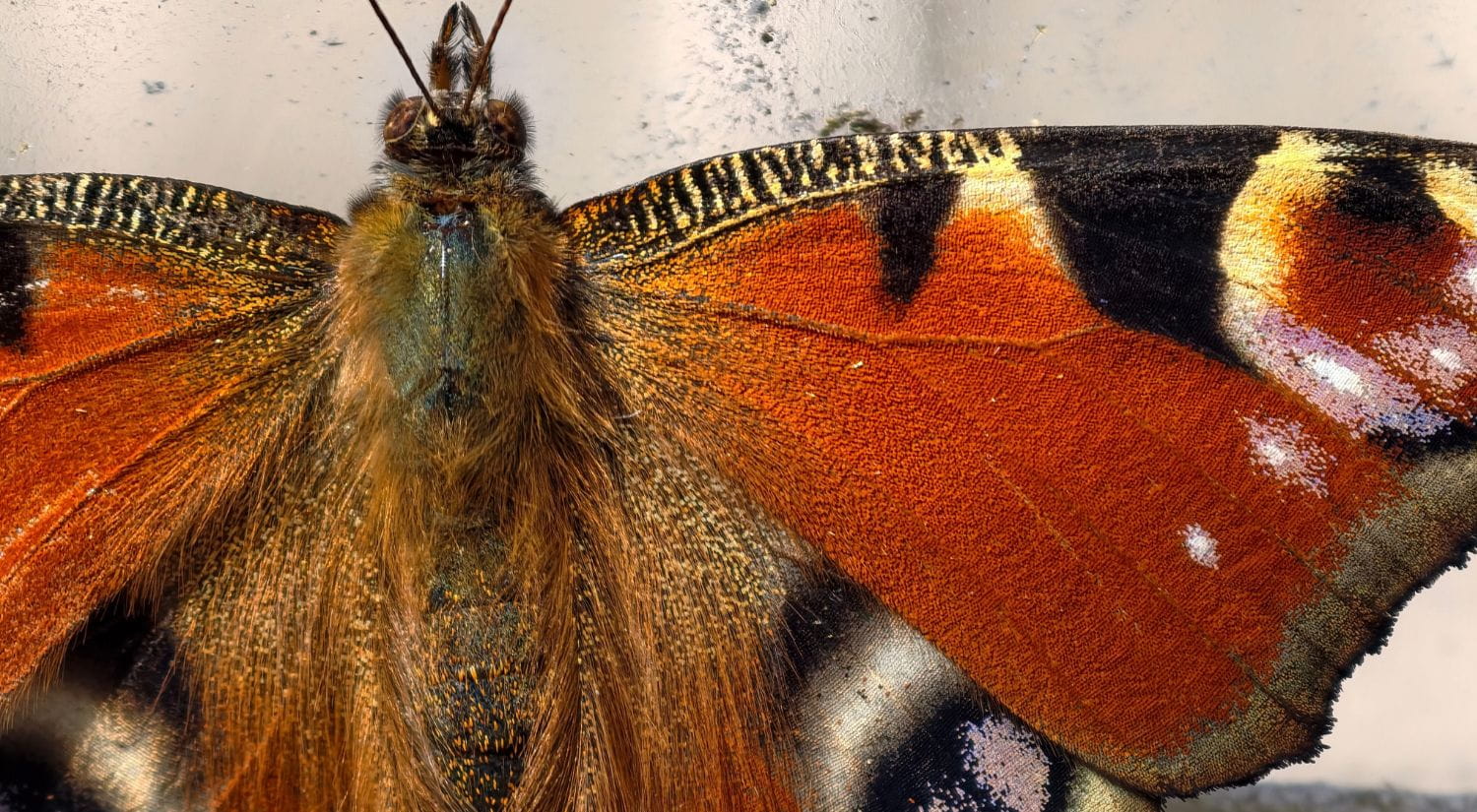
Shows the vivid wing patterns of a peacock butterfly, illustrating the striking patterns discussed in the article that contribute to motion‑confusion illusions.
The illusion operates much like the barber-pole effect seen on striped poles outside barbershops, where the stripes appear to move upward while the pole only spins in place. Butterfly wings deform as they flap—clapping together on the upstroke and peeling apart on the downstroke—so their stripes shift angle and point in different directions. Combined with the insects’ unpredictable flight paths, this generates misleading motion signals. Researchers captured this with high‑speed cameras filming at over 1,000 frames per second to view the patterns through a bird’s visual system, tested the effect with 100 human volunteers trying to catch virtual butterflies on a touchscreen, and used computer simulations to evolve over 50,000 wing patterns from random starting points, selecting those that created the most motion confusion.
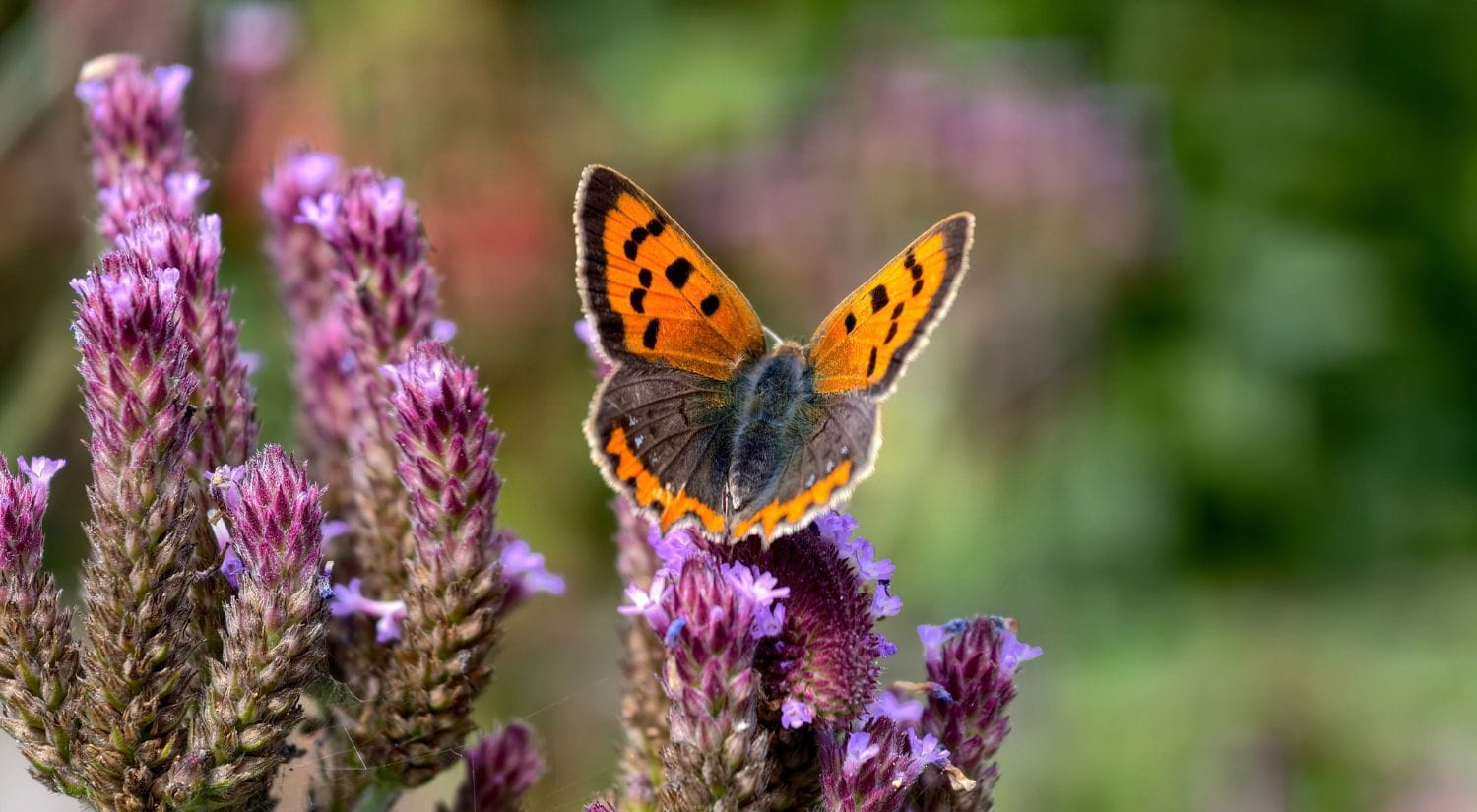
Depicts a small copper butterfly, representing the insects whose wing patterns and flight create the motion‑confusion effect described in the study.
The simulations showed that effective patterns converged on designs resembling those found in nature, suggesting that this motion‑confusion mechanism has been a significant evolutionary force shaping butterfly wing appearance. Dr Anna Hughes of Essex notes that the findings may extend beyond butterflies, proposing that similar visual tricks could be widespread in nature, from the flapping wings of birds to the flicking tails of lizards and fish. The study was funded by the Biotechnology and Biological Sciences Research Council, and while the results explain how conspicuous patterns can aid survival in flight, they do not address how these illusions function under different light conditions or against predator species with alternative hunting strategies.