In a single session, an AI agentic tool named Fable 5.2 transformed a child's hand-drawn game design documents into a fully playable, 12-level beat 'em up game. The project was generated by providing the agent with high-level instructions, raw sketches, and access to external APIs for image and sound generation, resulting in a game that included four-player support and a variety of custom characters.
From Sketches to Sprites
The project began with a set of drawings from a child named Aiden, who envisioned a beat 'em up game featuring family members and a dog as heroes. While a previous attempt using older models resulted in a game that was only playable for a few minutes, the new workflow leveraged Fable 5.2 to handle the complexity of a multi-level experience.
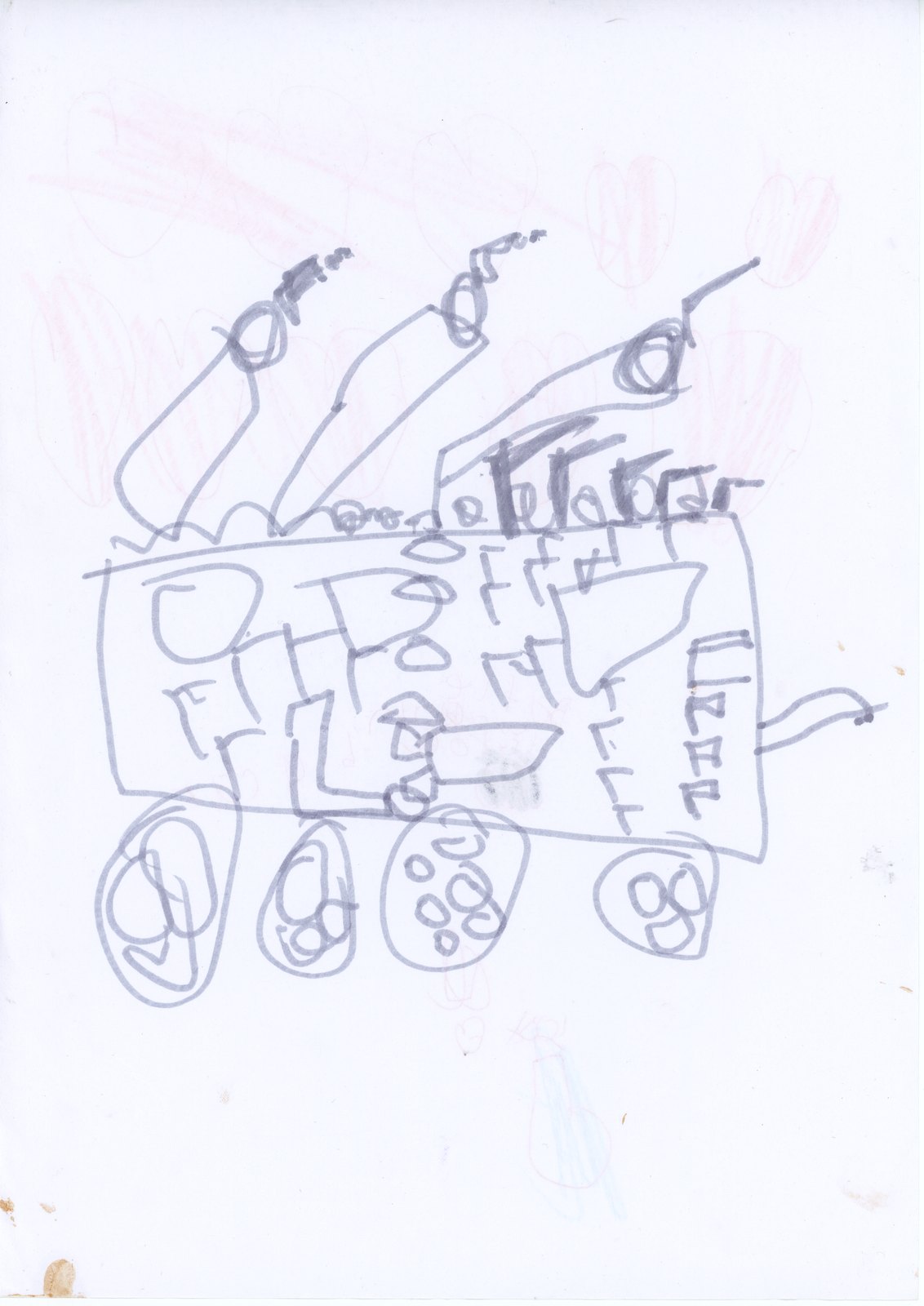
This image illustrates the raw sketches provided by the child that the Fable 5.2 tool used to generate the game's assets.
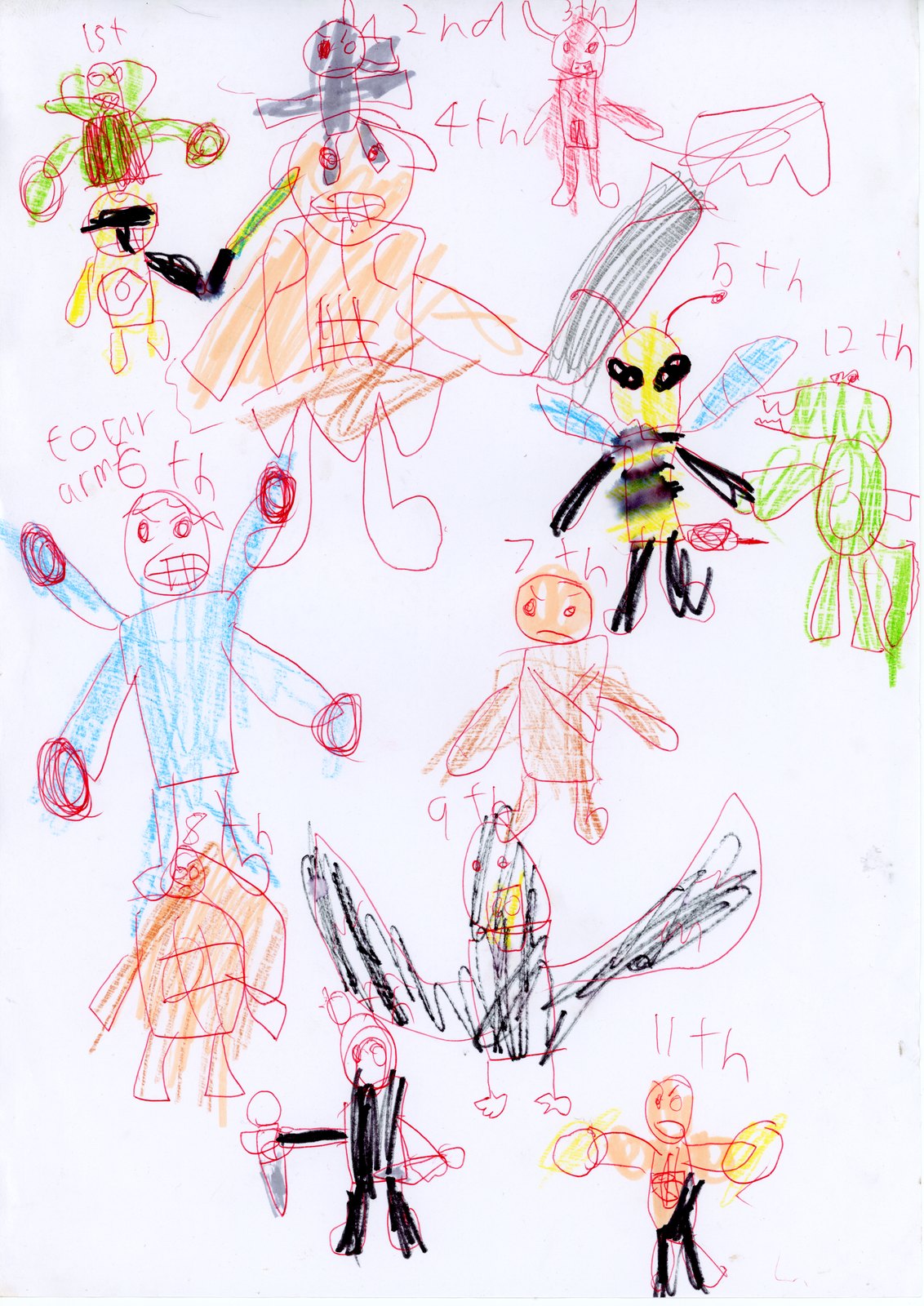
The article describes how the project began with a set of drawings from a child, including the villains featured in the final game.
The developer provided the agent with a prompt instructing it to act as a world-class game developer and use OpenAI's ChatGPT Images 2.5 for graphics and ElevenLabs for sound effects. The agent was given permission to discard existing code and start fresh where necessary to achieve the goal of making the game 'fun' like classic arcade titles.
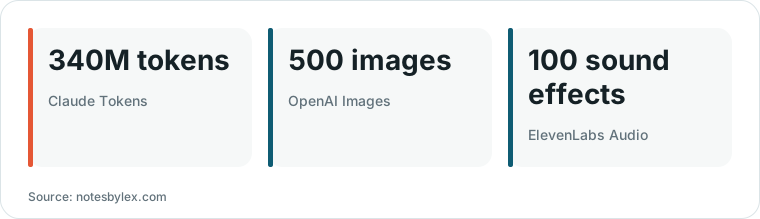
Chart drawn by HN Digest from figures reported by notesbylex.com; values are shown as written in the source.
“Fable had generated a game that was fun. Like, a lot of fun. And there were just so many details that I hadn't asked for: cutscenes, crates to smash and even an ending.”
— Fable 5.2 One-Shotted My Nephew's Dream Game
Autonomous Development and Testing
Fable 5.2 demonstrated significant autonomy by generating roughly 175 images and 140 audio clips, including sprite sheets, backgrounds, and announcer lines. It also handled the logic for cutscenes, crates to smash, and a specific ending for the game.
A notable technical milestone in the process was the agent's decision to write a bot to play the game itself. It ran this bot through all twelve stages in a headless browser, capturing screenshots to check for visual or logic problems before the human developer even saw the first build.
Iterative Refinement and Scale
After the initial 'one-shot' generation, the developer used the agent to perform specific tweaks, such as creating a 'Hulk Smash' move for one character and adding a screen-wide lightning blast for another. Each time a new family member was added, the agent redrew the cutscene art and updated the narrative accordingly.
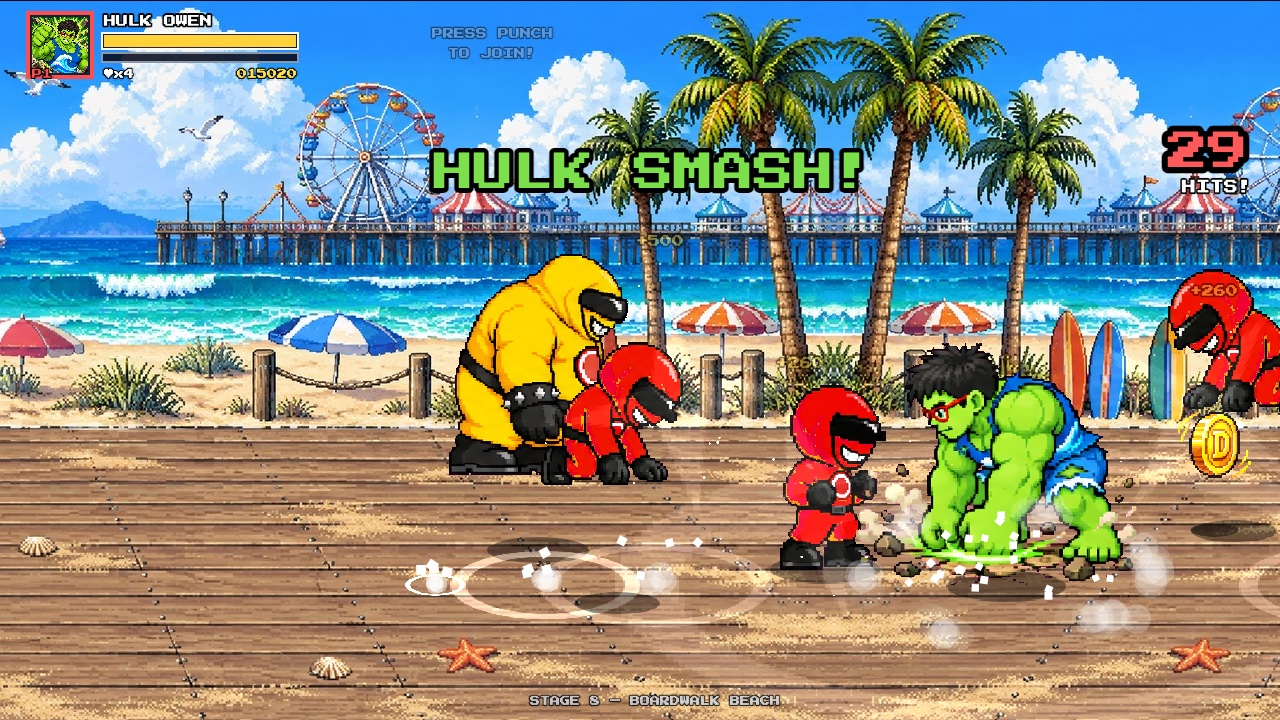
This visual demonstrates the specific 'Hulk Smash' move and character mechanics mentioned in the iterative refinement section.
The final project included 17 characters (5 heroes and 12 bosses) and a total of 340 million tokens used during the process. While the author noted they had not tested this specific workflow with Opus 5.5, the result demonstrated that Fable 5.2 can manage the orchestration of complex game logic and asset generation in a single pass.
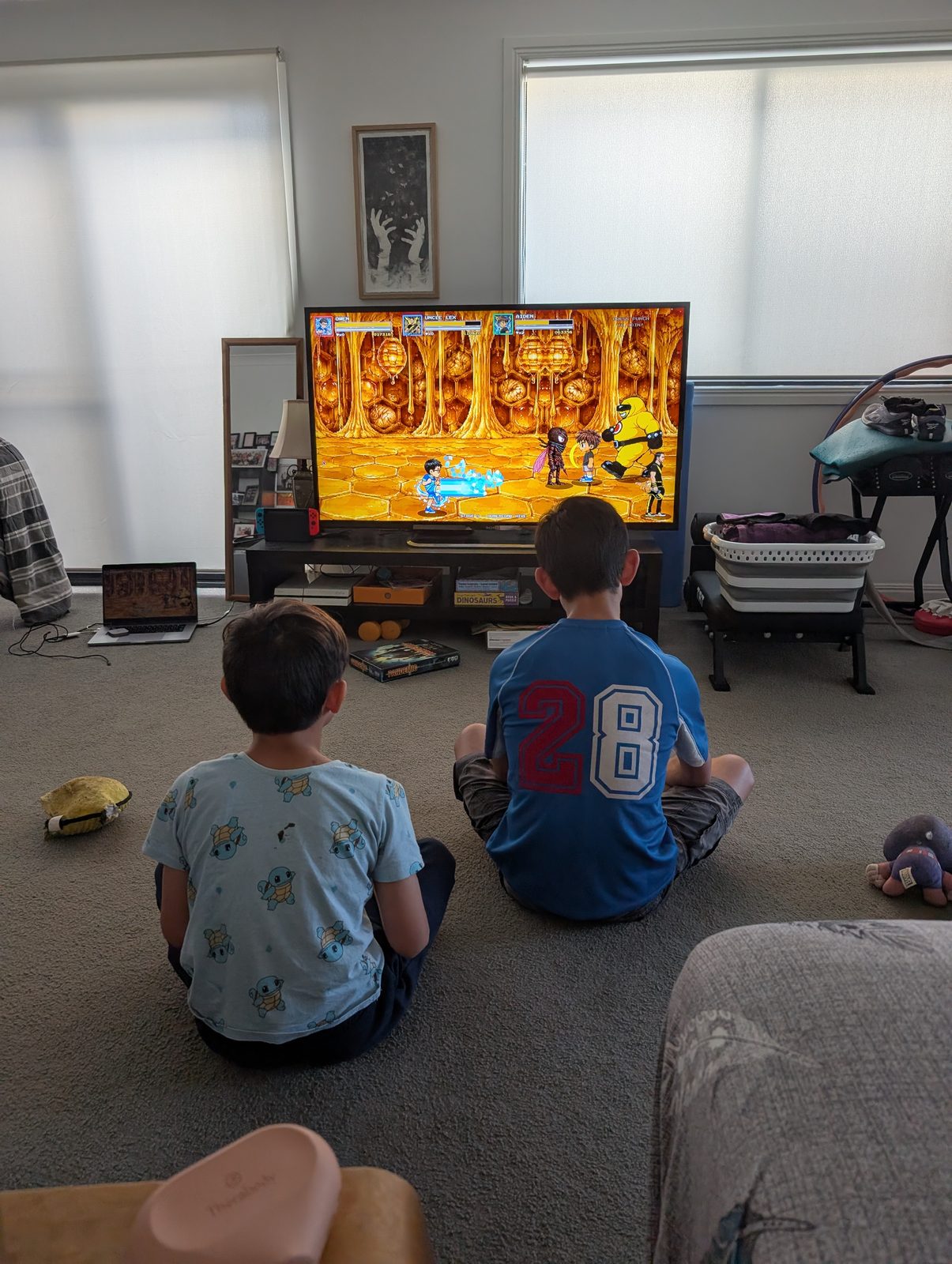
This image shows the final result of the project: a playable game being enjoyed by the intended audience.
Uncertainties and Limitations
The author noted that they never tested this specific workflow with Opus 5.5, leaving it unclear if the success was due to the Fable 5.2 tool specifically or the underlying model's capabilities. Additionally, while the agent successfully produced a playable game, the author noted that some specific character powers required manual intervention and compromise to satisfy the requirements of the players.
What Hacker News readers are saying
- Experience: One commenter who tested the generated game noted that it contained exploitable bugs, such as being able to kick enemies indefinitely in certain corners. comment ↗
- Experience: A user who compared different models suggested that while Fable 5.2 is capable, other models might still produce more subjective fun or better adherence to specific mechanics. comment ↗
- Skeptical: One reader expressed concern that the prevalence of generic AI-generated designs could lead to a homogenization of game aesthetics for younger audiences. comment ↗
- Experience: Several commenters discussed the potential costs of such a project, with one estimating the API fees for the tokens used would amount to roughly $300. comment ↗
Summarized opinions from the Hacker News thread, not verified facts. Read the full discussion ↗