Joshua Blais has transitioned to using Emacs as his primary computing environment, specifically utilizing the EWW (Emacs Web Wowser) package to browse the web. This shift is a deliberate move to escape the 'shiny objects' and infinite suggestions of modern browsers like Chromium and Firefox, which he argues make it too easy to fall into distractions that hinder creativity and depth.
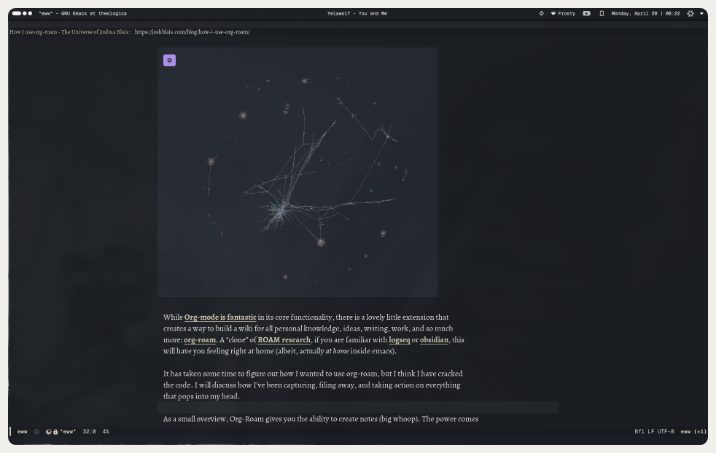
This visual supports the description of how EWW handles HTML rendering compared to modern browsers.
The Mechanism of EWW and Shr
The core of this browsing experience is EWW, a package that allows users to view web pages directly within the Emacs editor. Unlike modern browsers that rely on complex engines like Blink or Gecko, EWW uses the Shr library to render HTML, which focuses on the structural content of a page.
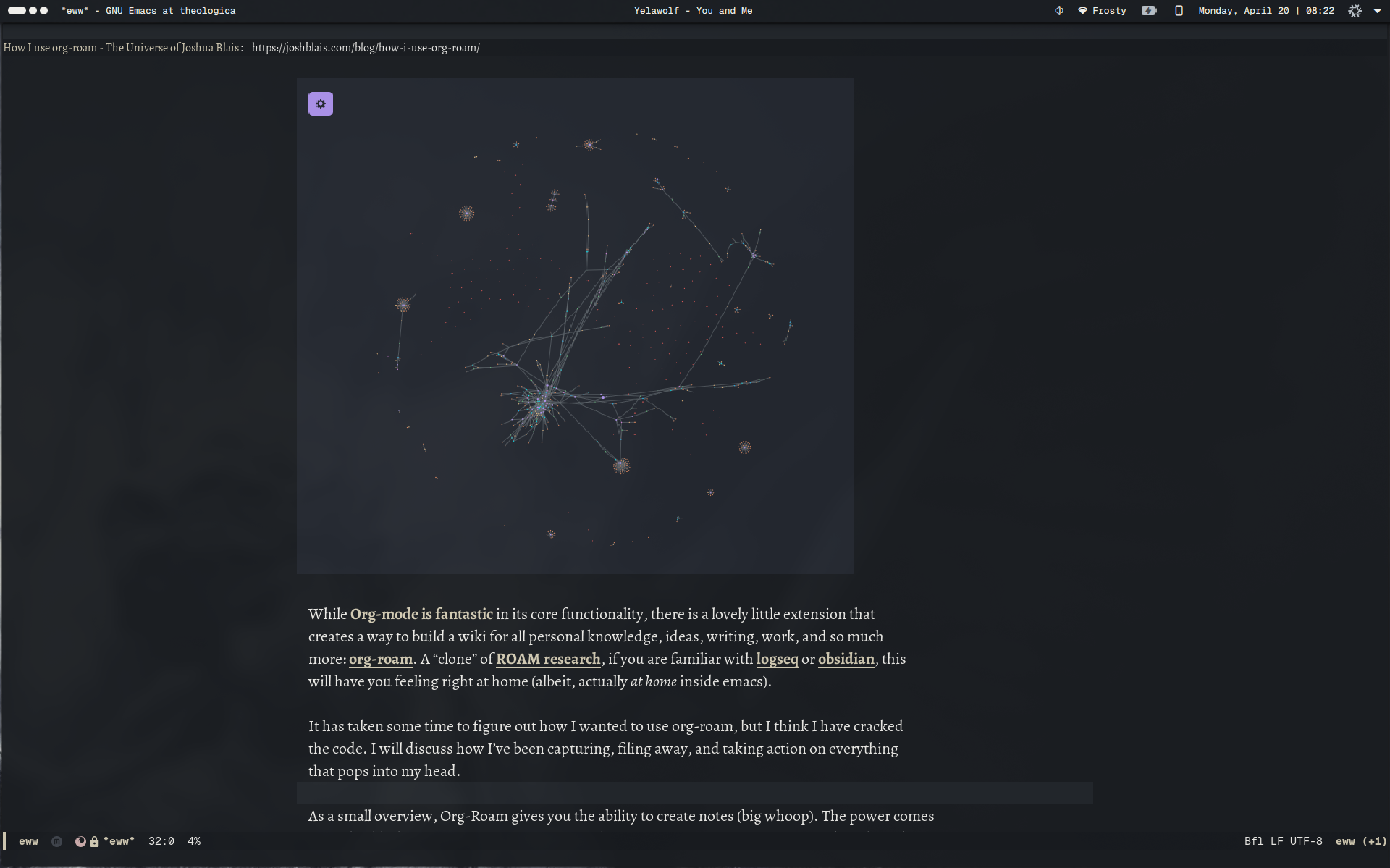
This image demonstrates the primary mechanism of Blais's setup, showing a web page rendered inside the Emacs editor.
To enhance usability, Blais configured specific keybindings and functions, such as 'neww readable' to strip away headers and footers, mimicking a 'reader mode.' He also implemented a system to download images locally and save bookmarks directly through the Emacs interface.
“The internet is just a delivery mechanism, and for people that see it for what it really is, the internet has never been more alive”
— Emacs is my browser - The Universe of Joshua Blais
Custom Protocol Routing
A key part of the setup involves routing different types of web content to specialized tools. For example, Blais configured Emacs to automatically open .pdf files in a dedicated PDF viewer and route YouTube or Vimeo links to the mpv media player.
Furthermore, the configuration supports 'smolweb' protocols like Gopher and Gemini via Elpher. These protocols are described as being 'all signal and no noise,' providing a stark contrast to the modern, advertisement-heavy internet.
Trade-offs and Limitations
The primary limitation of this approach is the 'adversarial' nature of the modern commercial web. Because EWW does not support many JavaScript-heavy features, it is unsuitable for social media platforms like X (formerly Twitter), online banking, or filling out government forms.
Blais acknowledges that while this setup is highly effective for reading documentation and blogs, it requires a fallback to a standard browser like Chromium or Firefox for any task involving complex interactive frontends or secure commercial transactions.