DATE ARCHIVE
2026-09-22
Articles published on 2026-09-22.
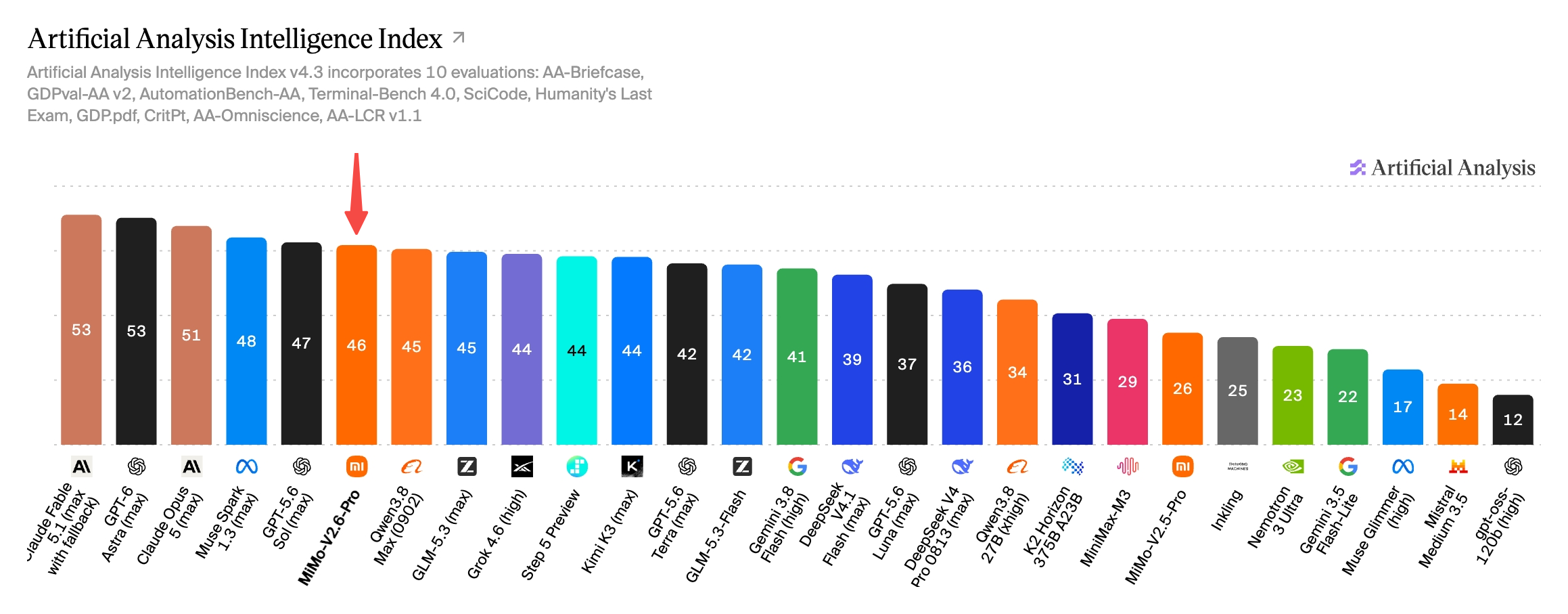
Xiaomi unveils MiMo-V2.6 models with company-reported training and benchmark results
Xiaomi says the Pro, Flash, and rolling-out Pro-UltraSpeed models were trained in under six days for reported costs below $3 million. The announcement matters for efficient open-weight AI, but the supplied sources do not independently verify the results or show a universal lead over closed models.
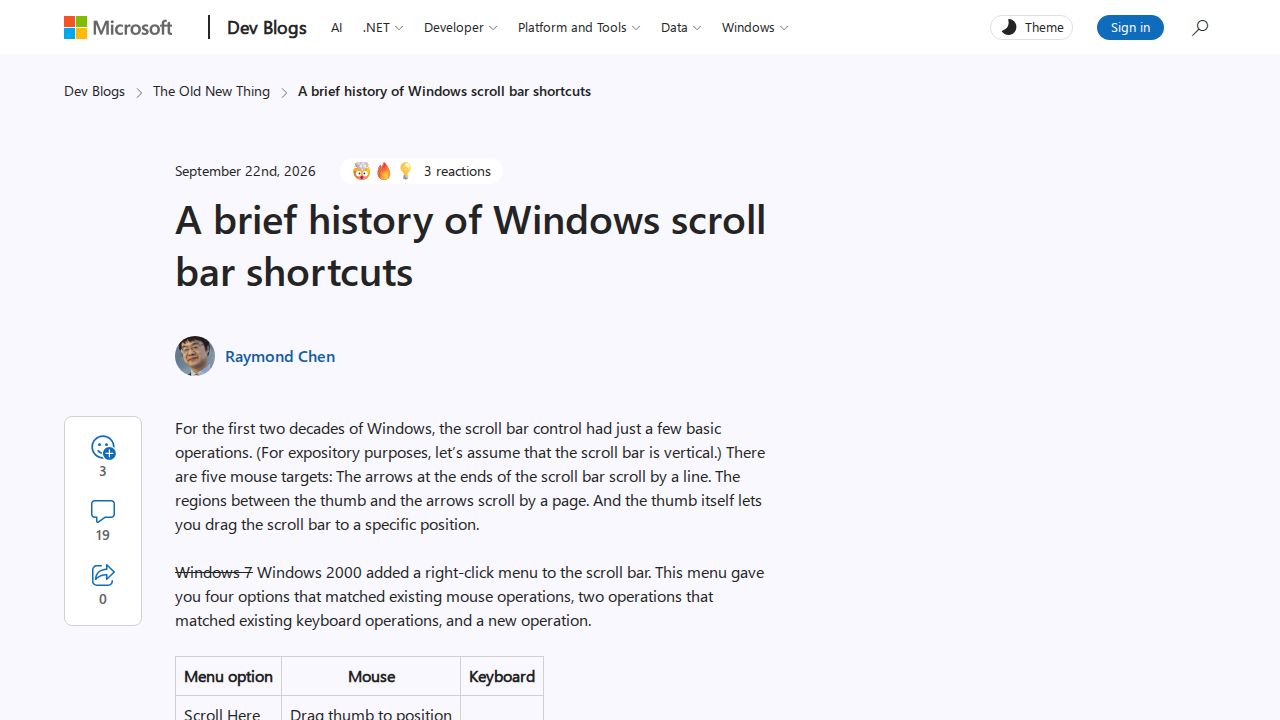
Windows’ Hidden Scroll Bar Shortcut Is Not Universal
A Microsoft history explains how right-click “Scroll Here” and Shift+click once made long-distance scrolling easier—but modern frameworks implement those behaviors inconsistently.

When “Off” Is Not Really Off: Apple Intelligence, Consent, and the Settings That Remain
A macOS user reports that upgrading removed a visible Apple Intelligence opt-out and left a 22.28 GB footprint, raising a practical question: does a hidden control still provide meaningful consent? The evidence supports the author’s account of what he observed, but it does not establish Apple’s intent, all network behavior, or the technical meaning of every setting.

Waymo’s New Transit Reward Is Simple—But It May Reward the Wrong Connections
Waymo is testing a Bay Area program that pays riders $2.85 in Waymo Cash when a Visa-paid Waymo trip and a contactless-Visa transit trip occur within two hours. The offer lowers the cost of some first- and last-mile connections, but its payment rules, limited geography, and lack of trip-purpose targeting mean it is not yet a seamless or demonstrably transit-expanding system.
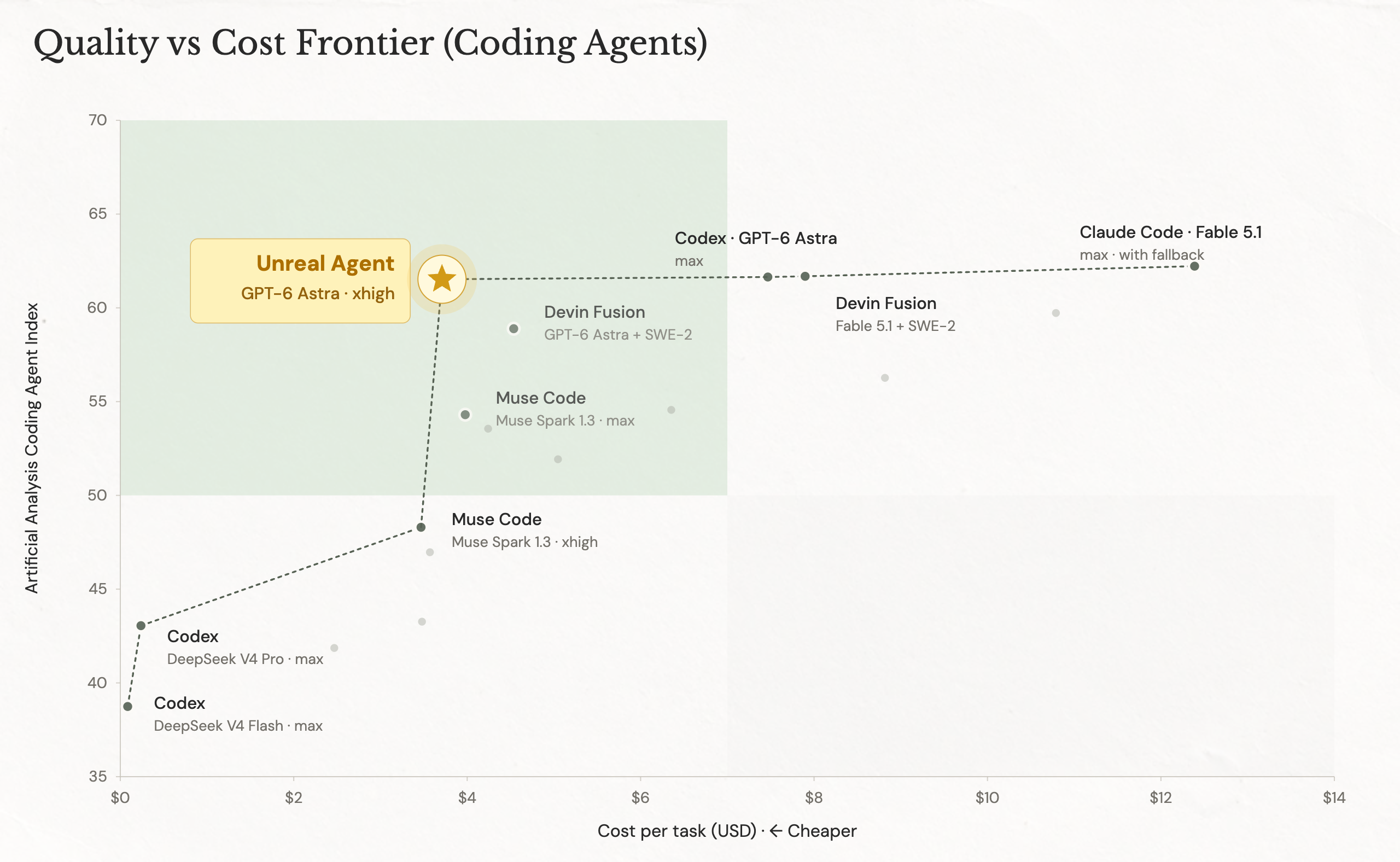
Unreal Agent’s asynchronous tool loop: where the cost savings come from—and where the comparison stops
Unreal Labs says its Go harness lets tools run in the background while the model accepts steering input and starts other work, reducing waiting and token use. Its September 22, 2026 results show lower costs and similar pass rates against Codex and Pi on four coding tests, but the evidence does not establish a universal 40% saving or prove that the compared systems used identical models and settings.
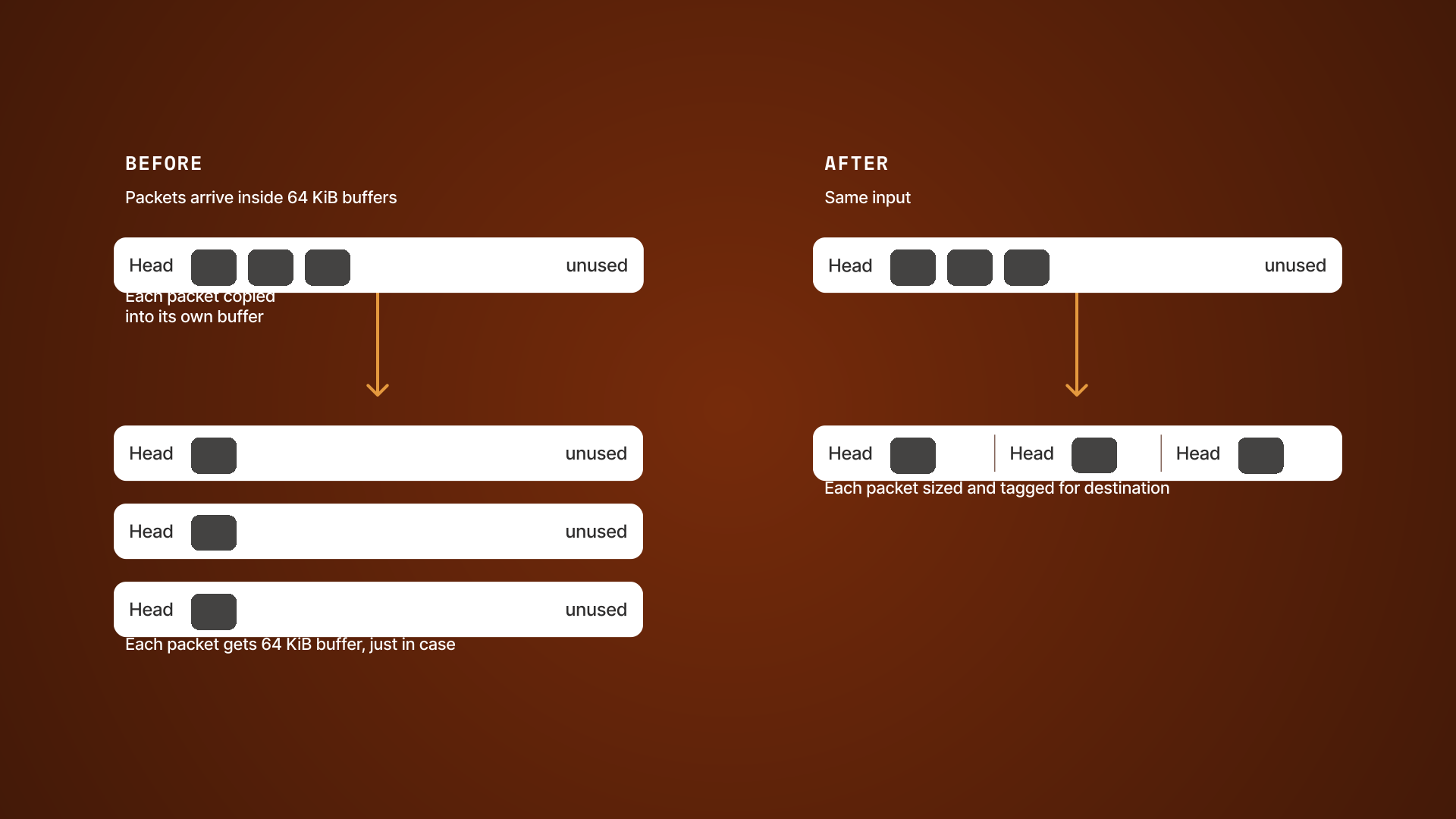
Tailscale’s Next Speed Push Targets Packets, Relays, and Startup
Tailscale says it is reducing packet-copying overhead, adding parallel queues for busy routing nodes, and caching network maps so devices can start faster when the control plane is slow or unreachable.
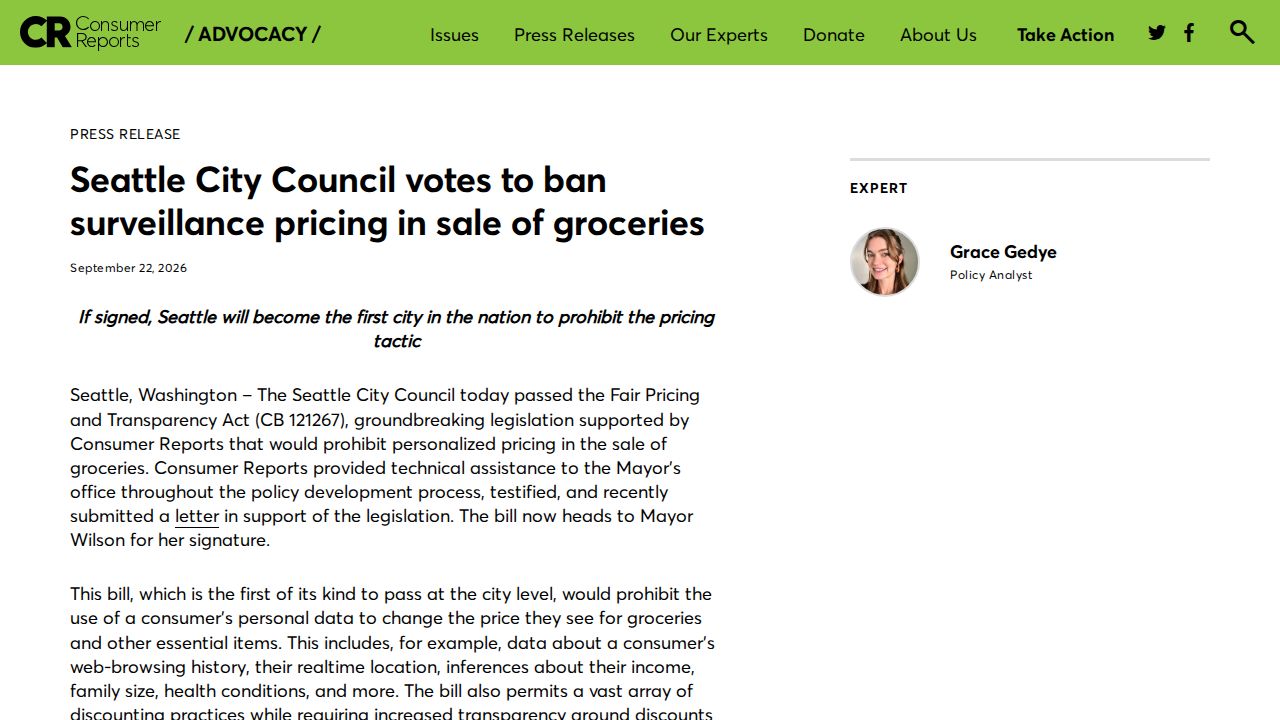
Seattle Advances a Grocery Rule Against Personalized Pricing
Seattle’s City Council passed a bill that would restrict personalized grocery pricing based on personal data. It still needs the mayor’s signature, and the supplied record leaves important questions about enforcement and real-world price discrimination unresolved.
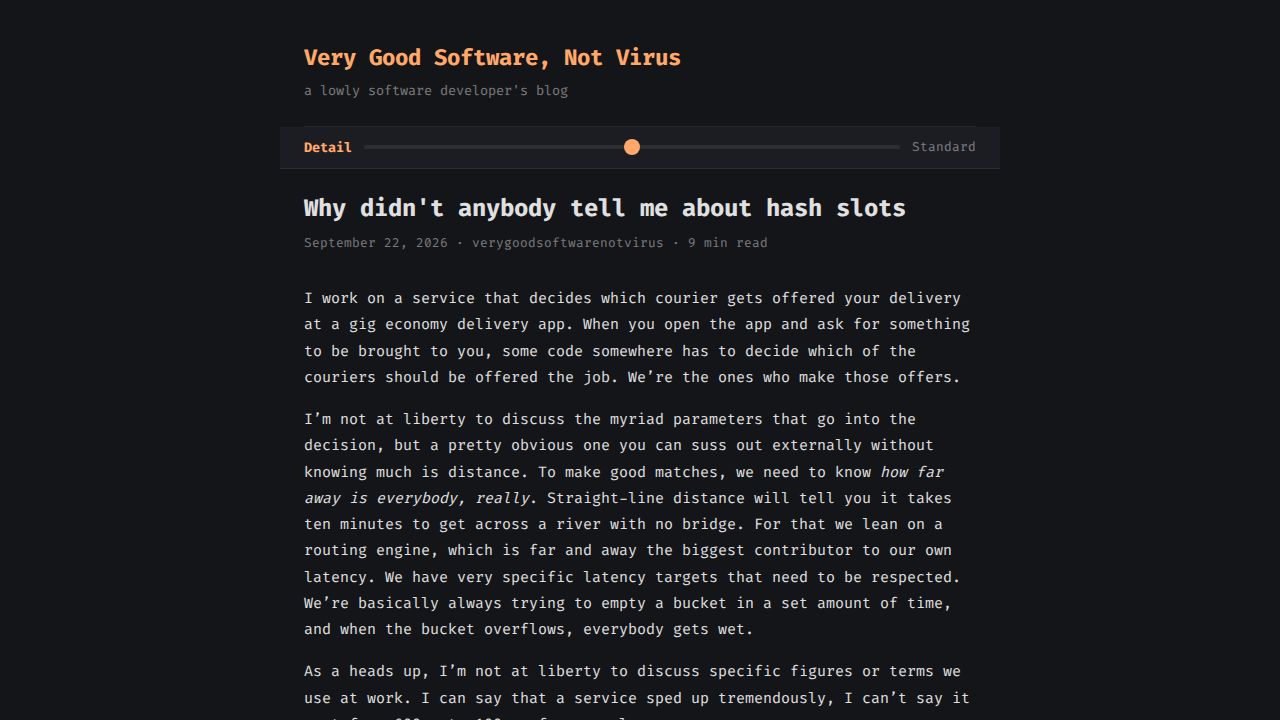
Optimizing Redis Cluster Performance with Hash Tags and Slot Awareness
When using Redis clusters, multi-key operations can suffer from high latency if keys are distributed across different hash slots. By utilizing hash tags to force related keys into the same slot and optimizing data retrieval patterns, developers can significantly improve throughput and reduce round-trip times.
Qwen Image 2.1 brings 7B text-to-image generation and editing
Qwen released Image 2.1, a unified text-to-image and image-editing model with a 7B visual generation component, native RGBA output, multi-reference editing, and native 2K generation. The official repository also documents Day-0 integrations and a research-only license that limits commercial use without a separate agreement.

GPT-6 Sol and Luna: Lower Prices, More Efficient Agents, and a More Complicated Benchmark Story
OpenAI says GPT-6 Sol and Luna extend Astra-level capabilities to faster, cheaper tiers, while improving prompt caching and API economics. Independent benchmark pages corroborate some scores and methodology details, but their changing leaderboards and effort-dependent costs mean buyers should validate performance on their own workflows.
Fearless SIMD v1.0: Bringing Safe, Portable Vectorization to Stable Rust
The release of Fearless SIMD v1.0 provides a stable, memory-safe abstraction for Single Instruction, Multiple Data (SIMD) operations in Rust, enabling high-performance computing without the need for ad-hoc unsafe code.

Every Seven Seconds: What a World Cup Logo Audit Can—and Cannot—Tell Us
A University of Bristol study counted more than 93,000 visible appearances of brands linked to unhealthy food and drink, alcohol, gambling, cryptocurrency, and prediction markets in the 2026 FIFA World Cup broadcast feed. The analysis suggests that embedded pitchside branding reached viewers even where advertising rules differ, but its measures of visibility and estimated impressions do not establish what audiences noticed, remembered, or consumed.

Claude Opus 5.5 promises cheaper AI agents, but the evidence needs careful reading
Anthropic says Opus 5.5 cuts typical workload costs by 40% while improving coding and safety performance. Its published prices support part of that story, but conflicting benchmark figures and limited independent evidence make real-world savings less certain.
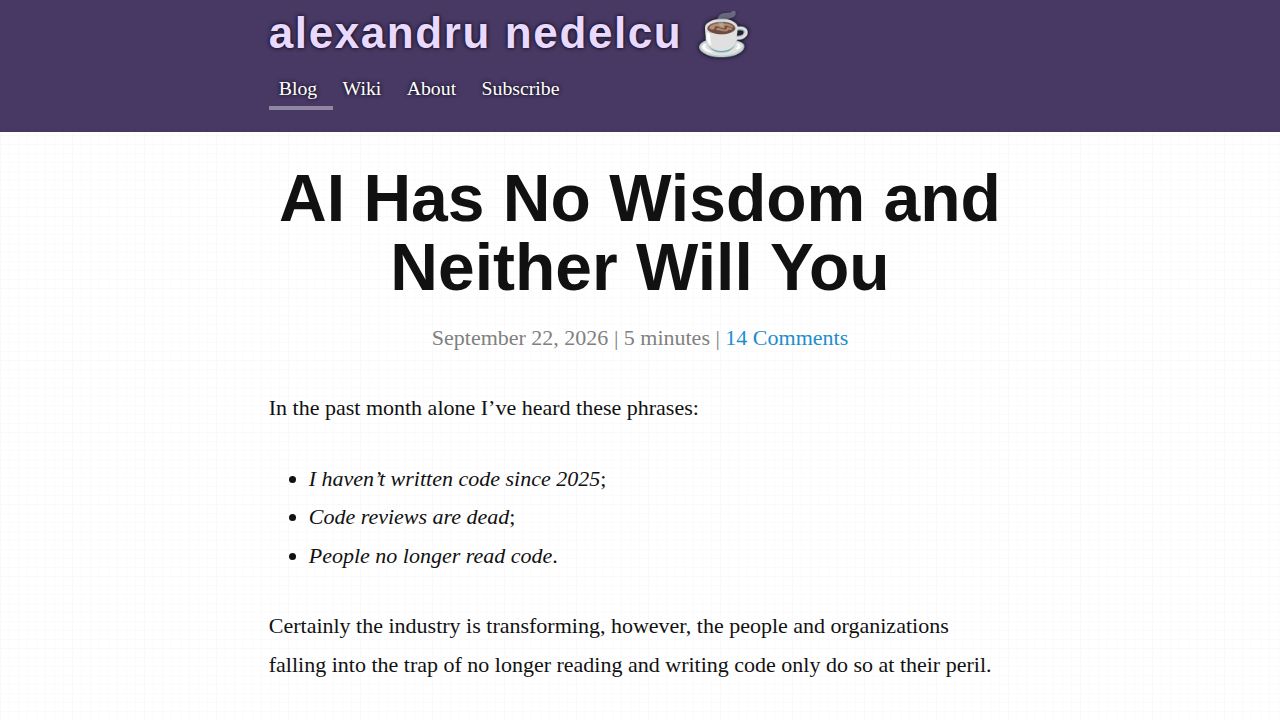
AI Coding’s Hidden Cost Is Delayed Maintenance
Alexandru Nedelcu argues that code quality is difficult to learn or optimize because its consequences emerge slowly. Supporting material clarifies his skill-development analogy, but it does not prove that AI-written code is inherently unmaintainable or that AI-free teams are safer.