DATE ARCHIVE
2026-09-17
Articles published on 2026-09-17.
Why Timothy Gowers Declined to Sign the Fields Medallists' Letter on AI
Mathematician Timothy Gowers explains why he did not sign a letter by 25 Fields medallists warning that AI threatens mathematical discovery. He argues the letter assumes conceptual understanding should be prioritized over problem-solving, but that mathematicians fall on a spectrum between these motivations — and that this diversity is a strength, not a flaw.
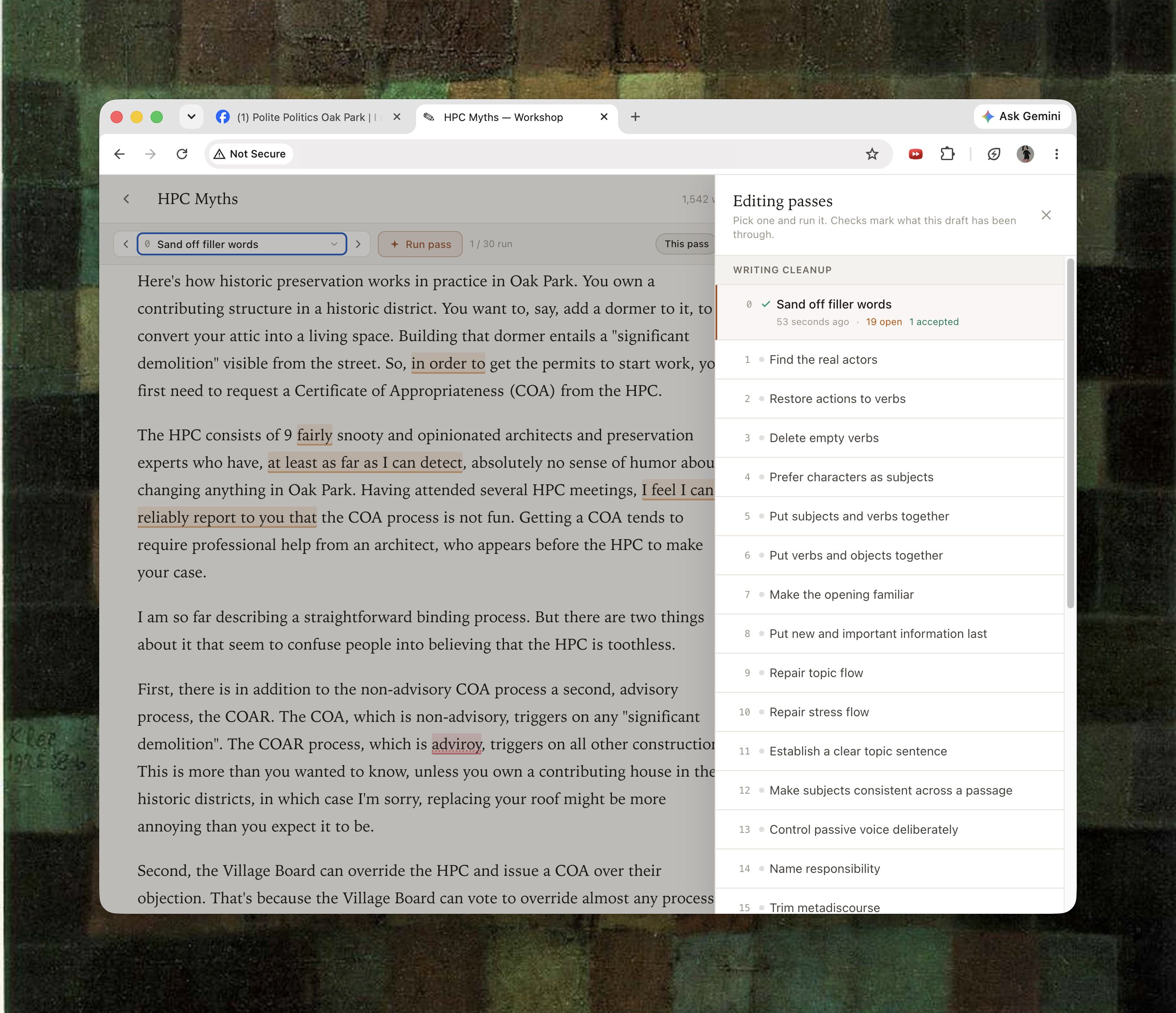
Strategies for Using Large Language Models to Improve Writing Without Losing Your Voice
To leverage Large Language Models (LLMs) as effective writing assistants while maintaining personal voice, authors should treat models as copyeditors rather than ghostwriters. By strictly avoiding model-suggested phrasing and disabling AI encouragement, writers can use LLMs to identify structural flaws and stylistic inconsistencies without succumbing to generic, machine-generated output.

Singapore’s ReadSG turns 15 minutes of reading into tiny rewards
Singapore’s National Library Board is piloting ReadSG, a self-reported reading challenge that awards 20 virtual coins for one qualifying session a day. The scheme is less a cash opportunity than a gamified attempt to make a small reading routine feel concrete.

Scientists Identify New Species of Small Wild Cat in the Bolivian Andes
Researchers have formally identified Leopardus tilcayo, a small, spotted wild cat native to Bolivia's Yungas forest, marking the first new felid species discovery in over a century.
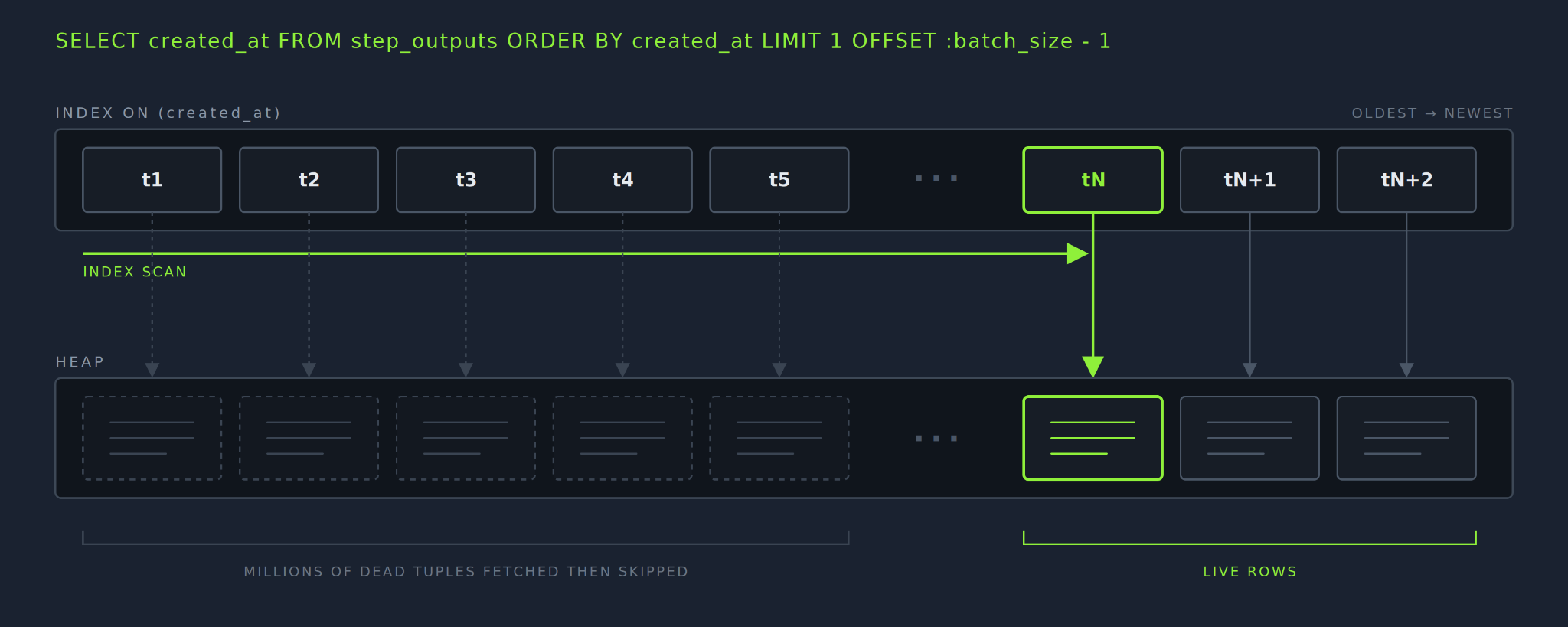
Optimizing Postgres DELETE for High-Throughput Workflows
While Postgres DELETE is often avoided in high-performance systems due to MVCC overhead, engineers at DBOS demonstrate how specific optimizations—including dropping foreign keys, improving cache locality, and manual vacuuming—can allow DELETE operations to scale for complex data retention policies.

How SpaceX Streamlined the Raptor Engine: From Tangle to Thrust
SpaceX's Raptor engine for Starship evolved from a complex "tangle of pipes and wires" (Raptor 1) to a streamlined design (Raptor 3) that delivers about 35% more thrust. The streamlining involved consolidating lines, changing pressurization from helium to nitrogen, and eliminating components like a heat exchanger, though much of the detailed engineering remains proprietary.
Google’s CC Becomes a Household Agent—But Family Data Still Needs Clear Boundaries
Google Labs says its experimental CC agent can now coordinate calendars, tasks, emails, forms, and meal plans for households of up to six people. The useful question is not whether automation can reduce logistics, but how much shared context families must expose—and how much control they retain—when one cloud-based account acts across several people’s lives.
GitLab.com Rate Limits to Align with Subscription Tiers Starting October 2026
Beginning October 19 2026, GitLab.com will replace its uniform rate limits with tier‑based limits that depend on a user’s subscription plan. Free and unauthenticated traffic will be limited to 60 requests per hour per IP, while signed‑in Free users receive 5,000 requests per hour, Premium users 15,000, and Ultimate users 25,000. Premium and Ultimate limits take effect in January 2027, after preview windows on October 7 and October 14. Authenticating requests (personal‑access‑token, OAuth, CI/CD token) moves traffic off the anonymous allowance onto the higher plan limits. The changes do not affect GitLab Self‑Managed or GitLab Dedicated instances.