Biologists have identified a new species of small wild cat, Leopardus tilcayo, following nearly a decade of investigation into a specimen found in the Bolivian Andes. The discovery, published in the journal Current Biology, distinguishes this feline from the previously recognized tiger cat (Leopardus tigrinus) complex. The animal was initially encountered in 2017 by Paola Nogales-Ascarrunz, founder of the Bolivian Felids Research Program, after a local resident brought a kitten to a wildlife sanctuary. While initially assumed to be a known species, genomic analysis later revealed that the cat represents a distinct evolutionary lineage that diverged from other tiger cats approximately 1.4 million years ago. The species is named after 'tilcayo,' a local term used by residents in the region. The identification process involved comparing complete genomes from 38 individuals across the Leopardus genus. This research highlights the complexity of the tiger cat group, which scientists now categorize as a species complex comprising five distinct species. The discovery carries significant implications for conservation, as the reclassification of a single broad species into multiple, smaller, and geographically restricted populations necessitates updated assessments of their endangered status. While L. tilcayo is confirmed to inhabit the Yungas forest ecoregion, researchers note that fundamental aspects of its biology, including population size, reproductive habits, and diet, remain largely unknown.
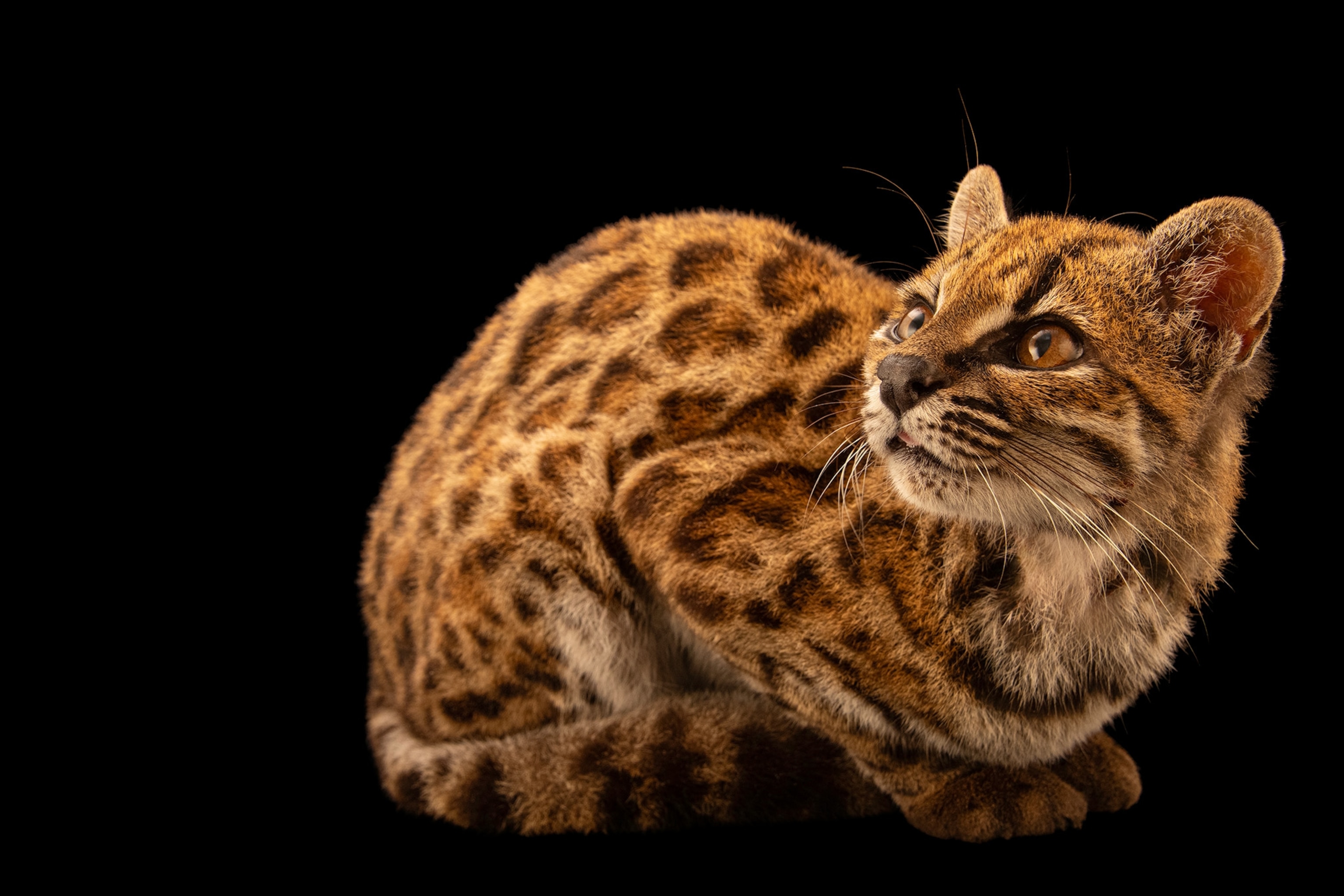
This image provides a clear visual representation of the Leopardus tilcayo, the new species identified by researchers after genomic analysis distinguished it from the tiger cat complex.
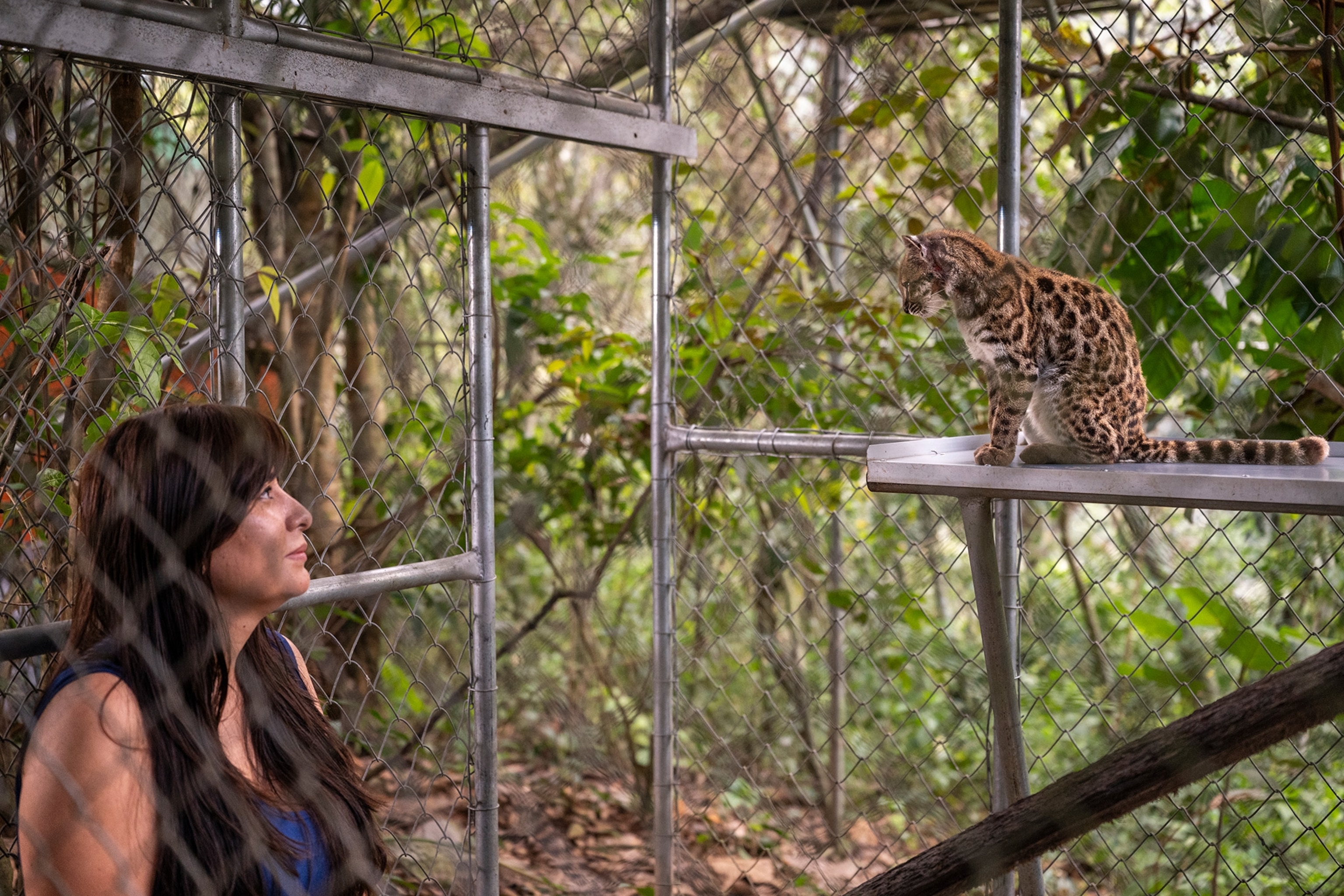
Paola Nogales-Ascarrunz, the founder of the Bolivian Felids Research Program, was instrumental in the discovery of the species after encountering the specimen in 2017.