In 2025, Rhode Island passed a law permitting motorists to harvest a wide variety of animals—including deer, beavers, coyotes, and squirrels—from highways for human consumption. This legislative shift reflects a broader trend across roughly thirty states where the practice of 'salvage' is becoming a recognized method for extracting calories from what was previously considered wanton waste.
From Macabre Pursuit to Culinary Trend
Once viewed as a 'déclassé kink' of rural oddities, the consumption of roadkill is gaining mainstream traction. Practitioners argue that salvage provides a constant source of free-range meat without the need for factory farming, effectively turning a senseless animal sacrifice into a usable resource.
The legal landscape is shifting toward acceptance. In states like Montana and Maine, the list of eligible species for salvage includes large game such as moose and bear. This trend is driven by a combination of ethical desires to reduce waste and practical needs to manage the sheer volume of animal casualties on public roads.
“Salvage not only helps to atone for our sins against animals, then, but also fulfills the less noble but still worthy purpose of lightening administrative loads.”
— The Opportunivore’s Dilemma
Administrative Relief and Technological Integration
Wildlife agencies are finding that allowing citizens to harvest roadkill significantly lightens their administrative load. In Rhode Island, officials noted that carcass retrieval was previously a major burden for law enforcement; by allowing public salvage, the state shifts the responsibility of public safety and collection to the end-user.
Modern technology has streamlined the process. Some states now use transportation department apps to record finds, while others maintain registered 'salvage teams' that receive phone notifications when a large animal is struck. These systems help organize what was once a largely informal and 'comically ungoverned' activity.
Community Education and State-Led Programs
The practice is becoming more structured through community-led initiatives and social media. Some individuals have launched 'Roadkill Camps' to teach butchery, tanning, and the preservation of meat, while others use platforms like Instagram to share tutorials on preparing specific cuts like rib meat or hindquarters.
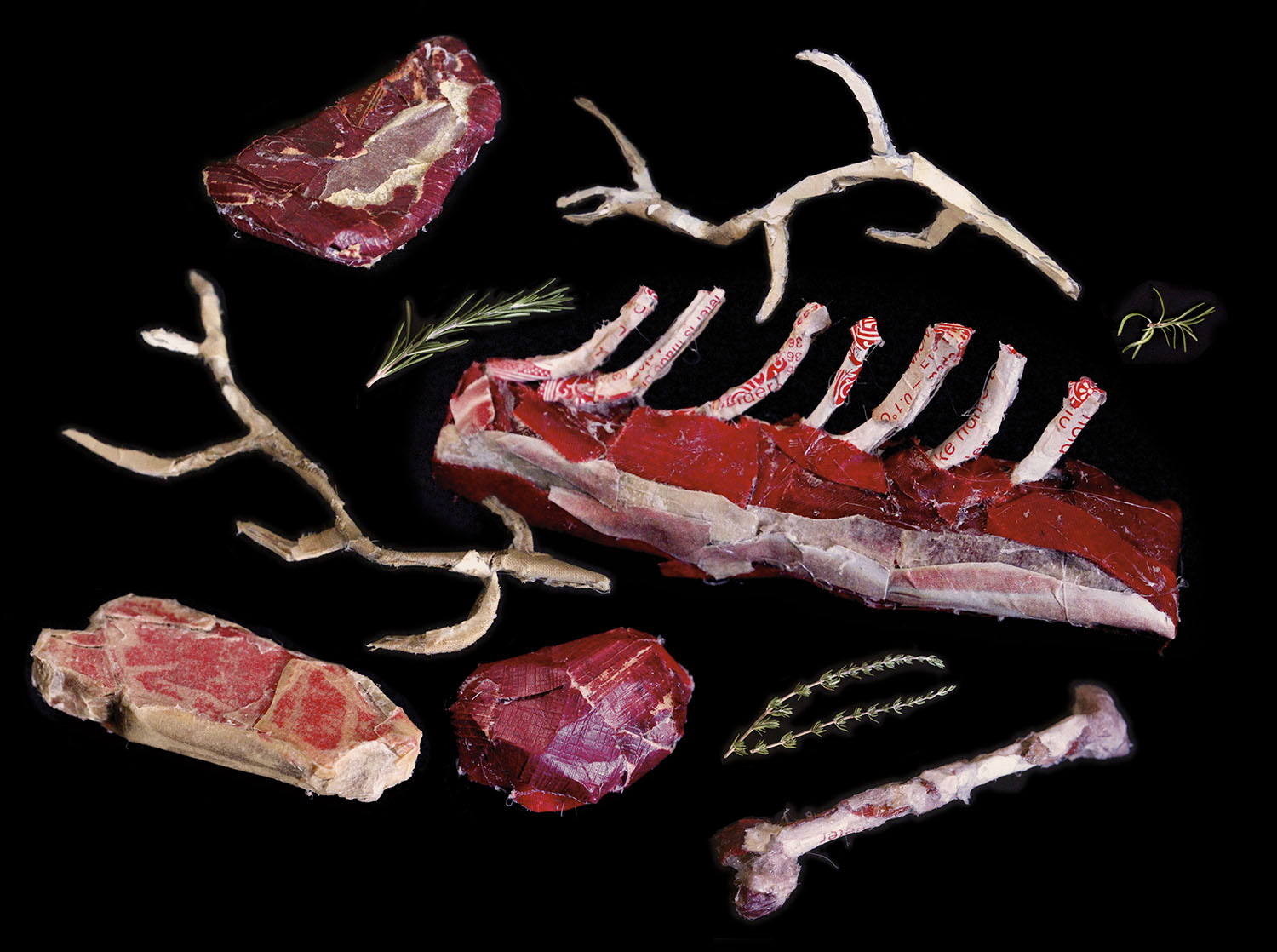
This image illustrates the practical application of butchery skills mentioned in the community education section.
In some instances, the state has taken a direct role in the economy. Vermont launched a program where game wardens harvest and process roadkill to donate to food pantries. This initiative, known as 'Venison for Vermonters,' addresses food insecurity by providing approximately a thousand pounds of meat annually to needy households.
Safety Considerations and Uncertainties
While there have been no verified reports of consumers becoming ill from highway-sourced meat, the practice is not without risks. Salvagers monitor the spread of Chronic Wasting Disease (CWD), a prion-caused neurological condition in deer herds, though it has not been shown to infect humans.
The primary challenge remains the 'laissez-faire' nature of individual salvage. Unlike commercial farms or regulated hunting, most roadkill salvage relies on the individual's ability to identify spoilage—such as checking pupil diameter or monitoring for fur slippage—to ensure the meat is safe for consumption.
pull_quote
"Salvage not only helps to atone for our sins against animals, then, but also fulfills the less noble but still worthy purpose of lightening administrative loads." (primary)