United Airlines has announced a new policy that prohibits unauthorized, third-party artificial intelligence (AI) agents from making flight reservations on behalf of travelers. This decision targets the growing trend of consumers using AI assistants—such as Meta's Muse or OpenAI's dots—to automate tasks like researching deals and completing purchases.
Security and Regulatory Compliance
United Airlines stated that sharing account credentials with personal, third-party AI assistants can expose sensitive information. The airline is concerned that these tools may result in unintended purchases, unauthorized account changes, or the misuse of MileagePlus miles.
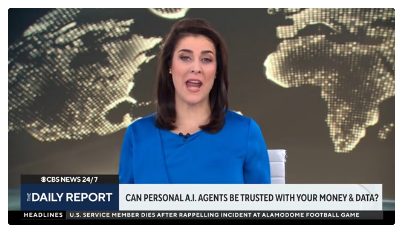
This image illustrates the security concerns regarding the use of third-party AI agents for handling sensitive traveler data.
Beyond data privacy, the airline noted that using an AI agent for tasks like checking in for a flight could violate federal rules. Specifically, regulations may require travelers to verify in person that their luggage does not contain banned substances, a step that an automated agent cannot perform.
“sharing account credentials with personal, third-party, AI assistants can expose sensitive information, and actions taken by these tools may result in unintended purchases, account changes, or use of MileagePlus miles.”
— United Airlines bans AI agents from booking flights on behalf of travelers
Controlling the Booking Ecosystem
The new policy will be implemented directly within United's digital platforms and indirectly through travel agencies and aggregators. Aviation analyst Henry Harteveldt noted that the airline likely wants to avoid adding another powerful intermediary to the existing landscape of Google search, metasearch sites, and online travel agencies.
Flight searches are costly for airlines, and the carrier aims to avoid the expenses associated with a surge of automated AI bot searches. While United is blocking these bots, the airline confirmed that fares will remain bookable through established aggregators like Kayak, Hopper, and Google Flights.
Industry Divergence and Limitations
The aviation industry is not unified on how to handle AI integration. While United is restricting access, Southwest Airlines has opted to make its flight inventory viewable to ChatGPT users, allowing them to access the airline's website through the AI application.
It remains unclear what specific technical methods United will use to distinguish between human users and automated agents. Furthermore, the source does not provide specific data on the exact costs incurred by airlines from AI-driven searches or the specific federal regulations governing luggage verification.
What Hacker News readers are saying
- Skeptical: Several commenters expressed skepticism regarding the airline's stated motives, suggesting the move might be intended to prevent AI agents from bypassing 'dark patterns' or finding the cheapest deals that would otherwise reduce profit margins. comment ↗
- Technical note: One commenter who has built browser-use tools argued that airlines may struggle to block agents that operate through standard browser plugins, noting that such systems can mimic human behavior effectively. comment ↗
- Alternative: A commenter suggested that travelers might instead use travel agencies or resellers that provide official APIs for booking, which could bypass the need for agents to navigate complex websites manually. comment ↗
- Experience: One user shared their experience with a cumbersome multi-page checkout process on the airline's website, noting that an automated agent would have been a preferable way to navigate the various offers and ads. comment ↗
Summarized opinions from the Hacker News thread, not verified facts. Read the full discussion ↗