As of late 2026, only Denmark and Italy have launched publicly available national digital identity wallets, despite a broader European mandate to standardize these tools. The European Union's eIDAS 2 framework sets a dual timeline: national wallets are expected to be available by December 24, 2026, while private entities—including banks and large platforms—must begin accepting them by December 24, 2027.
The Rollout Timeline and Mandatory Deadlines
The European Union's push for a unified digital identity is governed by specific legal milestones. Under eIDAS 2, Article 5f(2), private services and banks that require strong customer authentication are mandated to accept the EU Digital Identity (EUDI) wallet starting December 24, 2027.
The primary goal is to provide citizens with a standardized tool for verifying identity across borders. However, the transition period is complex, as it requires both the availability of a national wallet and the technical readiness of private 'relying parties' to process those credentials.
“Grades describe published evidence, not legal compliance.”
— EUDI wallet rollout by country: all 27 EU states | MyID
Current Progress and Evidence Grades
Progress across the 27 EU states is currently categorized by evidence of development rather than legal compliance. Denmark and Italy lead the group with 'Publicly available' status, while the majority of the bloc remains in the 'Pilot / testing' or 'In development' stages.
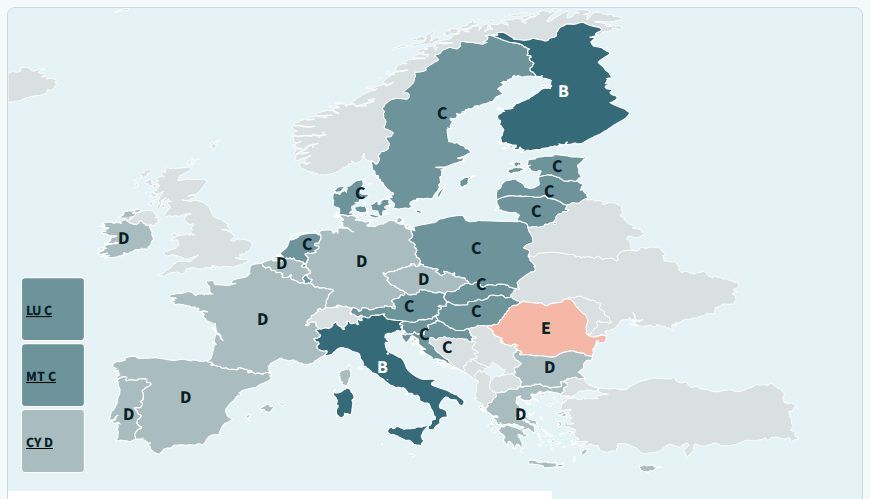
This map visualizes the disparity in progress across the EU, showing which countries have reached specific development milestones.
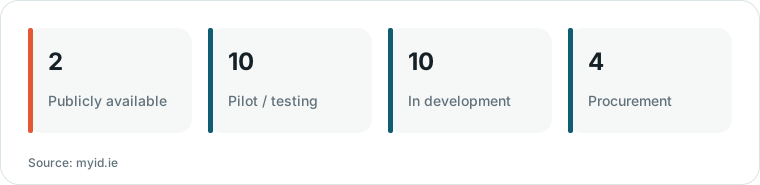
Chart drawn by HN Digest from figures reported by myid.ie; values are shown as written in the source.
The tracker distinguishes between different stages of readiness, such as 'Builder named,' 'Pilot evidenced,' and 'Public beta.' For example, Ireland is currently in a pilot phase with an invitation-only beta built by the OGCIO, while countries like Austria and Belgium are still in the development phase with no specific builder named yet.
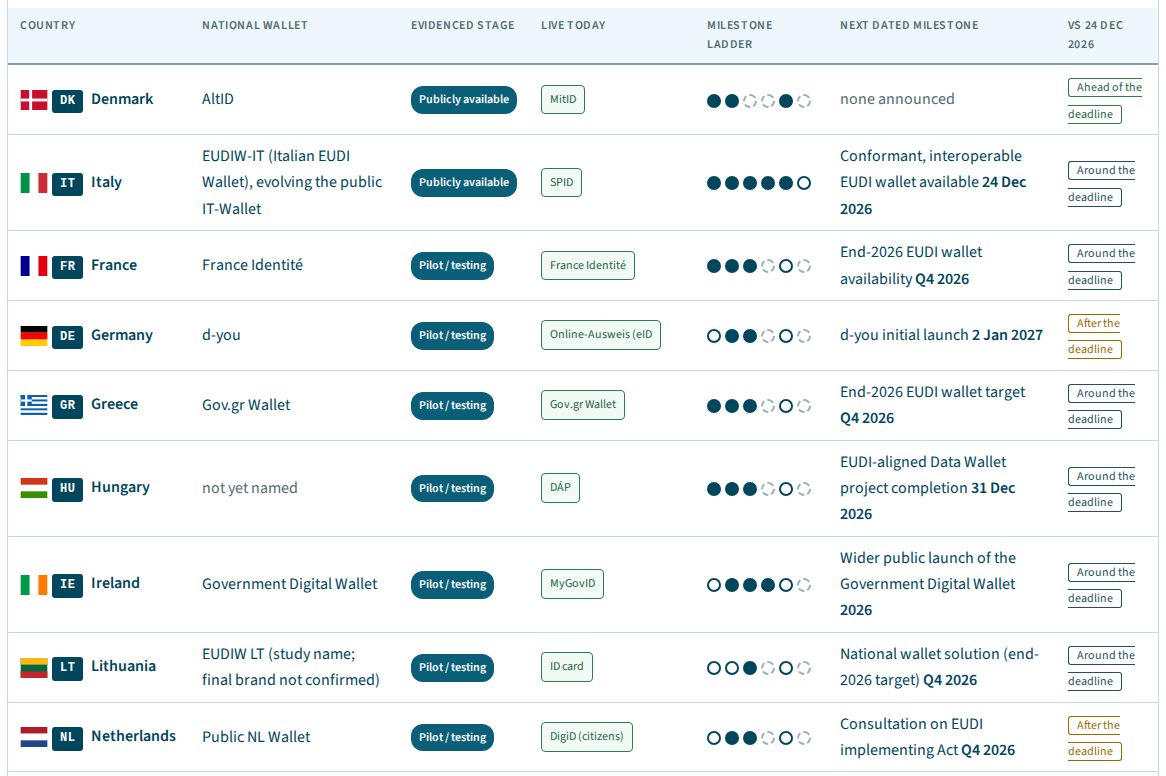
The table provides a granular breakdown of the specific readiness stages for each member state mentioned in the tracker.
Deadlines and Implementation Risks
A significant portion of the EU is at risk of missing the December 24, 2026, deadline for national wallet availability. Countries including Estonia, Finland, Germany, the Netherlands, Romania, Slovakia, and Sweden have published targets that exceed this date.
The disparity in progress highlights the logistical challenges of infrastructure, procurement, and legislative alignment. While some states have already established a legal basis for their wallets, others are still navigating the procurement of the underlying technology.
What Hacker News readers are saying
- Skeptical: Several commenters expressed concern that the system might rely on American companies like Google or Apple for device attestation, which they argued contradicts the goal of digital sovereignty. comment ↗
- Skeptical: One commenter suggested that while the wallet is optional, users might be effectively pressured into using it because service providers could make alternative methods more expensive or difficult to access. comment ↗
- Experience: A commenter who has followed the rollout noted that while the goal is to offer a wallet option to everyone, businesses of a certain size will be required to accept it by 2027. comment ↗
- Skeptical: One commenter argued that the initiative could lead to significant business and user friction due to the heavy process burdens and technical challenges inherent in such a large-scale regulatory framework. comment ↗
Summarized opinions from the Hacker News thread, not verified facts. Read the full discussion ↗