Windows 11 includes a component that monitors and reports the usage of specific AI coding agents and developer tools, such as `claude.exe`, `cursor.exe`, and `gcc.exe`. This telemetry is captured by a system DLL that identifies these applications and transmits a bitmap of their usage to Microsoft's servers.
Identifying Coding Agents and Tools
Analysis of `MissionControlAggregator.dll` revealed explicit executable names embedded within the component. These include AI-focused agents like `codex.exe`, `claude.exe`, `copilot.exe`, and `cursor.exe`, as well as standard developer tools such as `python.exe`, `dotnet.exe`, `gcc.exe`, and `code.exe`.
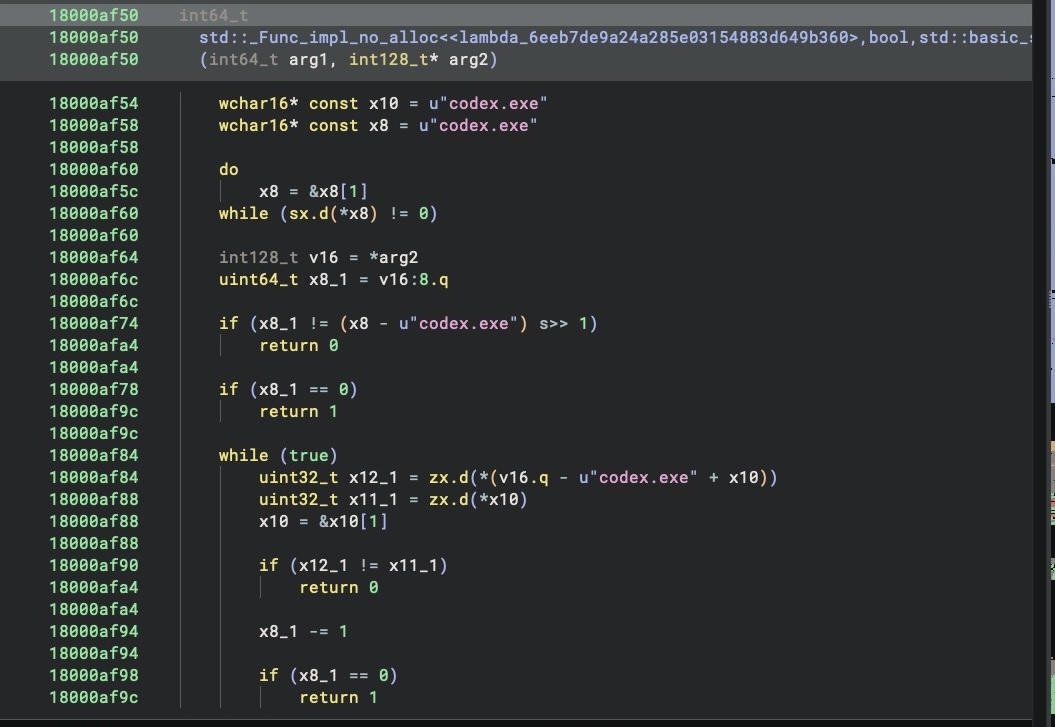
This image illustrates the analysis of the MissionControlAggregator.dll component and the explicit executable names embedded within it.
The component categorizes these tools into specific slots. For example, it checks for the Node.js Foundation, Python Software Foundation, and Microsoft Corporation as publishers for their respective tool slots.
The Data Collection Mechanism
Instead of actively scanning running processes, the component subscribes to standard Windows diagnostic events. It consumes `KernelProcess.AppStateChangeSummary` and `Win32kTraceLogging.AppInteractivitySummary` to identify application identities.
When a match is found, the system sets a bit in a local state. This state is periodically flushed into a `Segments.SubCohorts` report. This report uses a bitmap where each bit represents a specific tool category, such as the 'compiler/debugger' group shared by GCC and Clang.
Telemetry Transmission and Privacy
The `DiagTrack` service (Connected User Experiences and Telemetry) acts as the listener for these reports. If a user has 'Optional diagnostic data' enabled, the system queues these agent-usage reports for upload to Microsoft.
Testing confirmed that in a standard United States setup, this optional diagnostic toggle is enabled by default. Users can opt out by navigating to 'Settings' > 'Privacy & security' > 'Diagnostics & feedback' to disable the transmission of optional data.
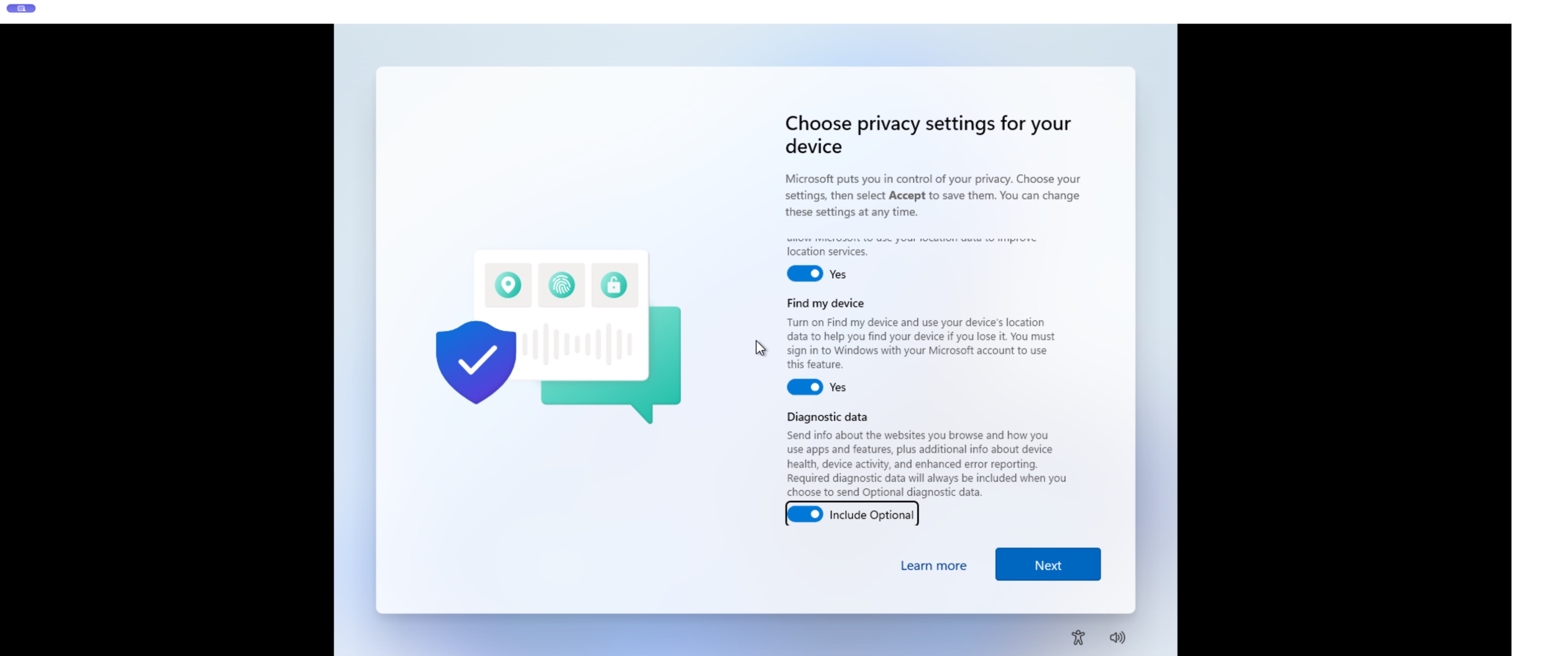
This visual confirms the finding that optional diagnostic data is enabled by default in standard United States setups.
What Hacker News readers are saying
- Alternative: One commenter suggested switching to Linux as a viable gaming platform, noting that many single-player games run perfectly on the system. comment ↗
- Skeptical: A commenter pointed out that the data collected by Microsoft might be skewed because it only includes users who have opted into telemetry. comment ↗
- Alternative: Another user recommended a specific Linux distribution as an alternative for those looking to avoid the Windows environment. comment ↗
Summarized opinions from the Hacker News thread, not verified facts. Read the full discussion ↗