Over 178 organizations, including high-profile entities such as Zoom, the BBC, CNN, and Salesforce, were infected with malware via the Optimizely Web experimentation platform on November 16, 2026. The breach occurred not through a direct compromise of the brands' own infrastructure, but by exploiting a trusted third-party dependency to serve malicious code directly to their visitors.
Mechanism of the Supply Chain Injection
Optimizely Web functions by having customers load a JavaScript snippet from a trusted CDN, such as cdn.optimizely.com. These snippets contain the platform's code, specific customer experiments, and a custom field called 'Project JavaScript' (projectJS) for user-written code.
Attackers gained access to these customer projects and injected malicious code into the projectJS field. Because the file was still served from the trusted Optimizely domain with a valid certificate, the affected websites' security systems did not flag the script as a threat.
“A website can be compromised through a third-party dependency without its own code or infrastructure ever being breached.”
— World's Largest Brands Infected With Malware Via Optimizely
Malware Capabilities and Impact
The injected payload was a multi-purpose kit that executed several types of attacks simultaneously. It performed 'crypto address swapping' by identifying valid wallet addresses in page text, form fields, and clipboards, then replacing them with the attacker's addresses.
The script also monitored form submissions for credit card numbers, expiry dates, and CVVs, sending the data to an external server via `navigator.sendBeacon`. Additionally, it delivered the Coruna and DarkSword exploit kits to users on iPhones and iPads running iOS 18.6 or earlier.
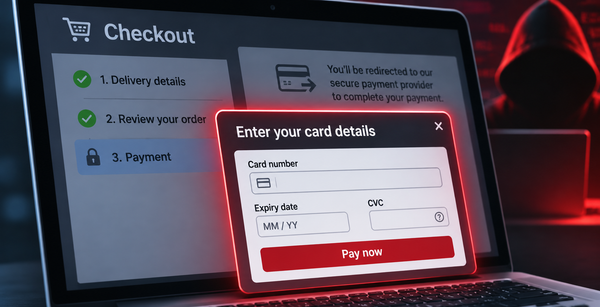
This image illustrates the card skimming capability of the injected malicious script.
Verified transactions show that the attackers successfully swept approximately $7,040 in cryptocurrency to their wallets within a nine-hour window on the day of the discovery.
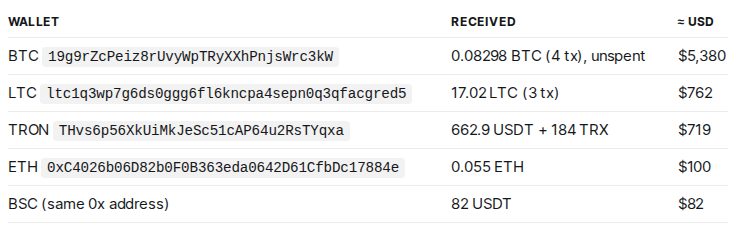
This table provides a breakdown of the financial impact of the cryptocurrency theft.
Security Trade-offs and Detection Limits
This incident demonstrates the inherent risk of using third-party JavaScript dependencies: a website can be compromised even if its own code and infrastructure remain perfectly secure. The primary source notes that while the malicious activity was served from a trusted domain, an appropriate Content Security Policy (CSP) in enforcement mode could have blocked the unauthorized connections to the attacker's servers.
While most of the malicious code was removed by late evening on November 16, the specific method by which the attacker gained write access to so many unrelated customer projects remains unknown. It is unclear whether the breach resulted from a compromise of Optimizely's internal systems or the theft of credentials with cross-customer access.
What Hacker News readers are saying
- Alternative: One commenter suggested that the issue could be avoided by moving away from remote scripts entirely, arguing that server-level integrations would eliminate the risks associated with third-party JavaScript. comment ↗
- Skeptical: Another user argued that companies with large user bases have no excuse for these vulnerabilities and suggested they should host their own scripts rather than relying on external vendors. comment ↗
- Alternative: A commenter advocated for a more minimalist web approach, suggesting that browsers should only support HTML and that program code should run exclusively on the webserver. comment ↗
Summarized opinions from the Hacker News thread, not verified facts. Read the full discussion ↗