The current global climate is experiencing temperatures higher than any time in the last 125,000 years, creating a significant backdrop for the occurrence of El Niño. This context is critical because the inherent risks associated with weather and climate patterns are intensifying as the planet warms.
The El Niño Explainer
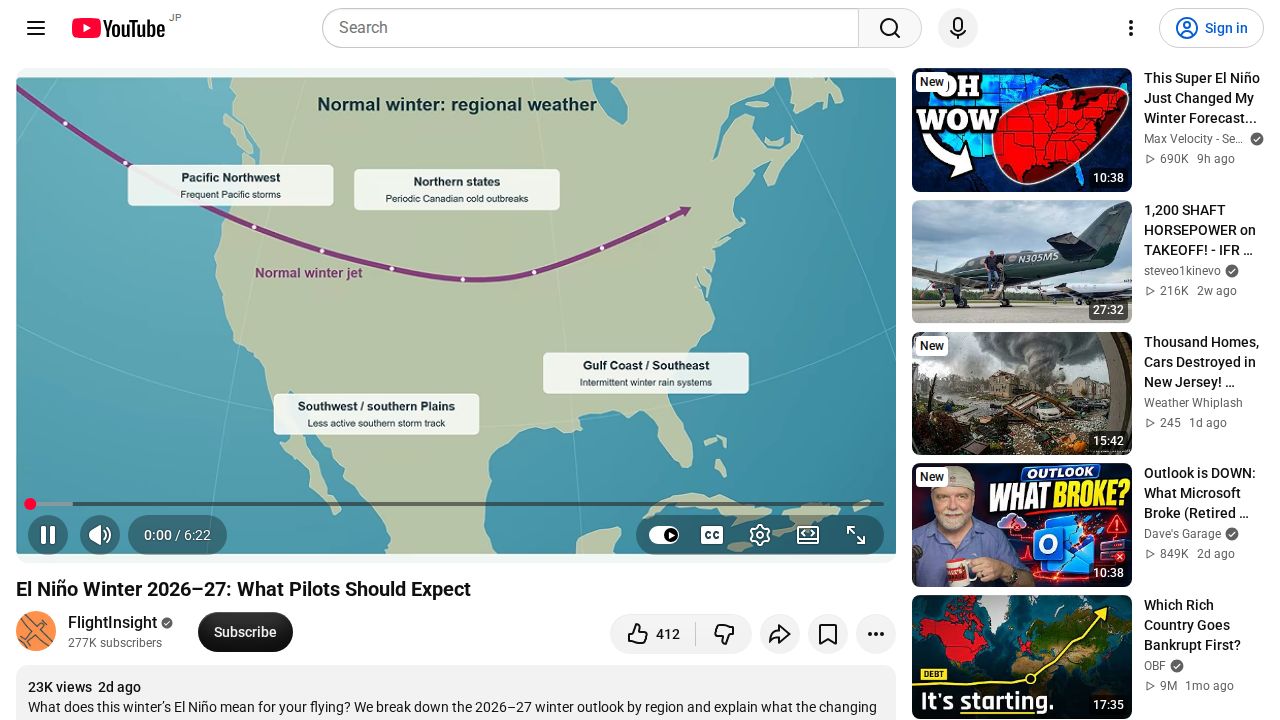
A shared video provides a short explainer on the mechanics of El Niño, a climate pattern involving the warming of surface waters in the eastern tropical Pacific Ocean.
The post serves as a starting point for understanding how these periodic shifts in ocean and atmospheric conditions influence global weather patterns.
Climate Context and Risk Distribution
One commenter, writing as breakyerself, emphasized that El Niño must be viewed through the lens of a global climate that is currently at its warmest point in 125,000 years.
In response to the idea of growing climate risks, another commenter, 9rx, argued that risk is subjective and that the population sees a change in the distribution of risks rather than a uniform growth in all risk values.
The discussion highlighted a tension between using 'absolute truths' to instill urgency and the need for nuanced, quantifiable data to avoid turning people off from paying attention to climate issues.
Visual Evidence and Geopolitical Implications
To illustrate the severity of the situation, one commenter, rene_d, pointed to Climate Reanalyzer graphs as a way to see extreme climate anomalies at a glance.
The conversation also turned toward the ethical implications of climate change, with one commenter, Loquebantur, arguing that the US has a significant responsibility for the catastrophic development of the global climate.
Loquebantur suggested that avoiding the scientific facts and ethical implications of fossil fuel use leads to a loss of influence in the world economy as the global energy landscape shifts.
Practical Impacts and Uncertainties
The discussion briefly touched on practical concerns, such as how extreme weather patterns might affect aviation safety and flight paths.
While some expressed curiosity about specific flight safety during El Niño events, others noted that pilots are already required to navigate dangerous weather, sometimes declaring emergencies to gain the freedom to maneuver around storms.