The KDE desktop environment has emerged as a primary workspace for users who prioritize high-level customizability and feature density over simplified, mobile-inspired interfaces. A recent documentary, 'KDE: The Documentary — The Story of Free Software Underdogs,' explores the project's history, focusing on the technical challenges of building complex software and maintaining a diverse community of contributors.
The Documentary and Project History
The primary source, a documentary titled 'KDE: The Documentary — The Story of Free Software Underdogs,' chronicles the development of the KDE project. It focuses on the project's identity as a 'free software underdog' and its long-term contributions to the Linux ecosystem.
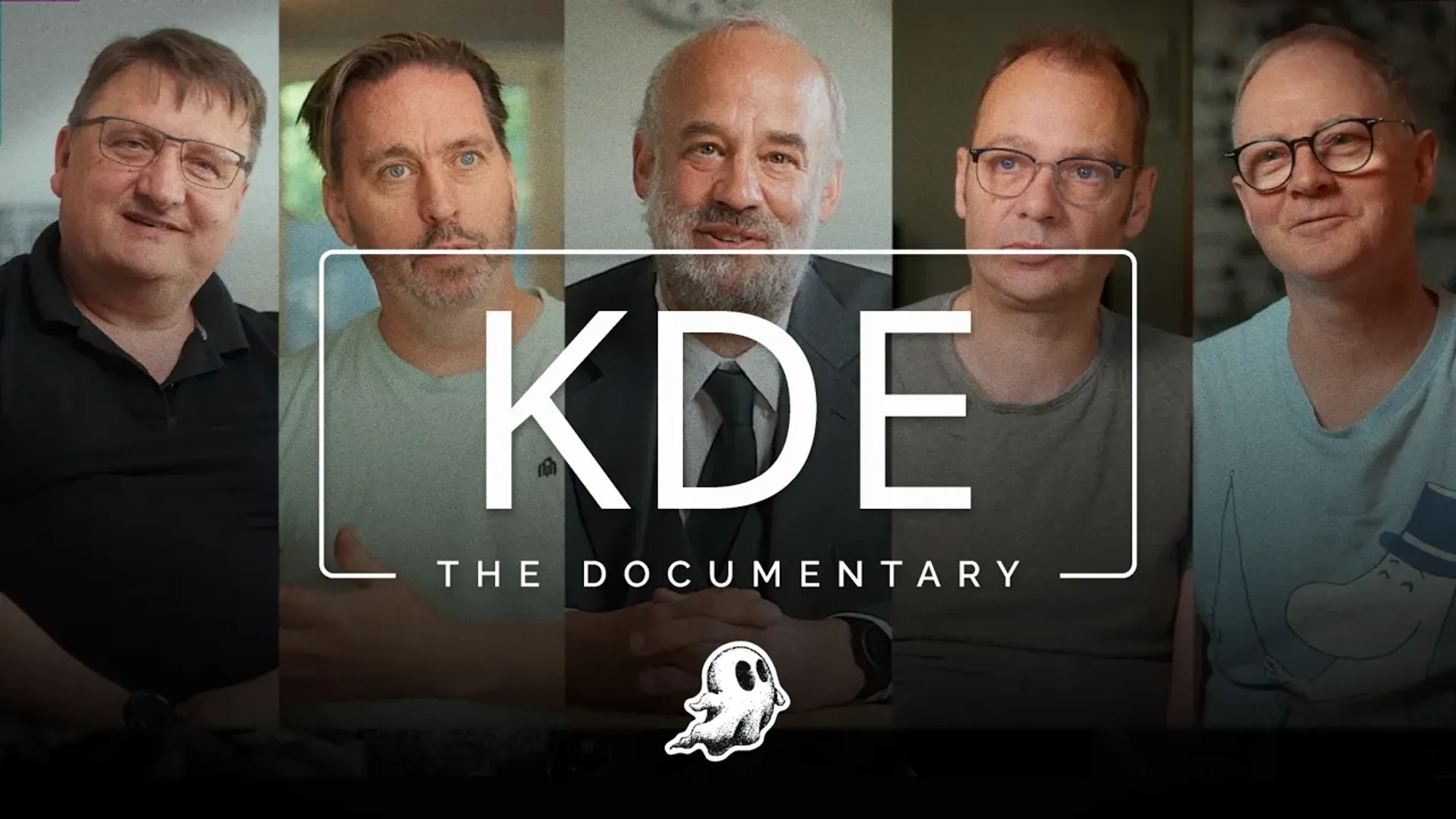
This image represents the primary source of the article, the documentary produced by CultRepo.
The film explores the technical hurdles of developing a desktop environment in C++. This includes the creation of basic building blocks, such as the Qt framework, which serves as a foundation for many KDE applications and other software projects.
User Perspectives on KDE's Utility
Commenters on Hacker News discussed KDE's role as a vital tool for power users. One commenter, writing as k0morebi, noted that the environment has been consistent and stable for over 20 years, offering features that often precede those found in Windows or macOS.
Another commenter, moffkalast, argued that KDE is essential for those who prefer a traditional desktop experience with a mouse and keyboard. They contrasted KDE's customizability with other environments like GNOME, which they suggested have moved toward a more simplified, 'androidified' interface.
Community and Technical Achievement
The discussion highlighted the difficulty of keeping a diverse group of contributors motivated. One commenter, blinkingled, described the project as a 'fascinating achievement' because it requires balancing the different cultures, tastes, and needs of a global community of developers.
The consensus among participants was that KDE's ability to provide a 'works out of the box' experience while remaining infinitely customizable is a significant technical and social milestone in the free software movement.
Context and Related Works
The documentary was produced by CultRepo, a group known for creating high-quality content on various technical topics. Commenters noted that the studio also produces documentaries on technologies such as Java, Node.js, Kubernetes, and React.
While the documentary provides a narrative of KDE's success, the specific technical specifications and version-by-version history were not detailed in the provided discussion, focusing instead on the project's cultural and community impact.
Evidence Boundaries
The available evidence is primarily limited to user testimonials and the documentary's title. While users report high levels of satisfaction and stability, the specific narrative content of the documentary—such as specific historical milestones or internal project conflicts—remains unknown from the provided sources.